24 catalog examples compared
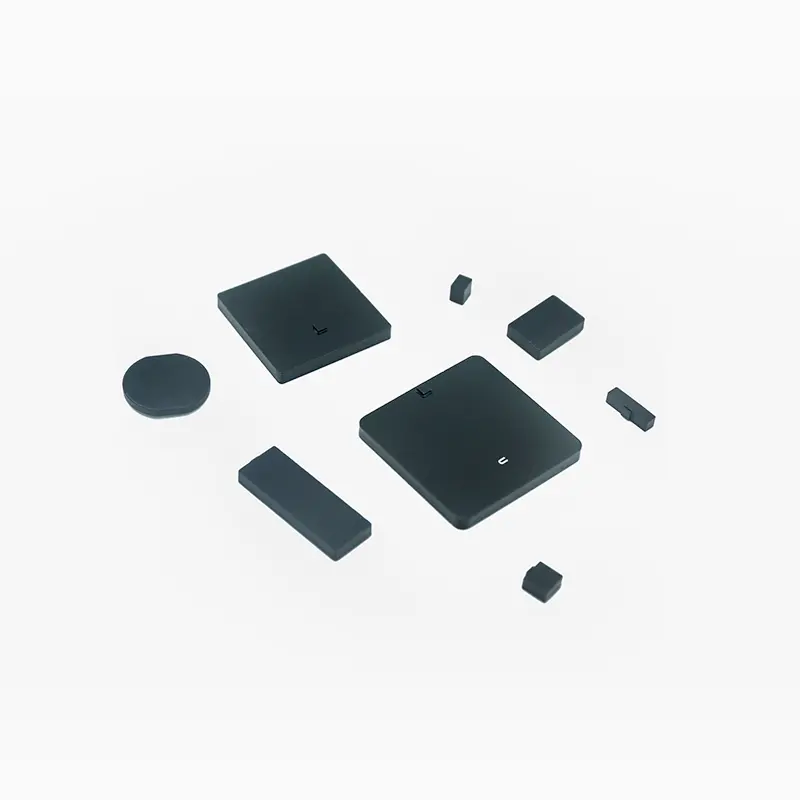
Mounting passive RFID tags directly on steel or aluminum requires isolating the antenna from the conductive ground plane. Three mainstream on-metal constructions—rigid FR4 PCB, high-permittivity ceramic and thin flexible ferrite/foam labels—solve that detuning problem with very different mechanical profiles, printer compatibility and durability.
24 catalog examples compared
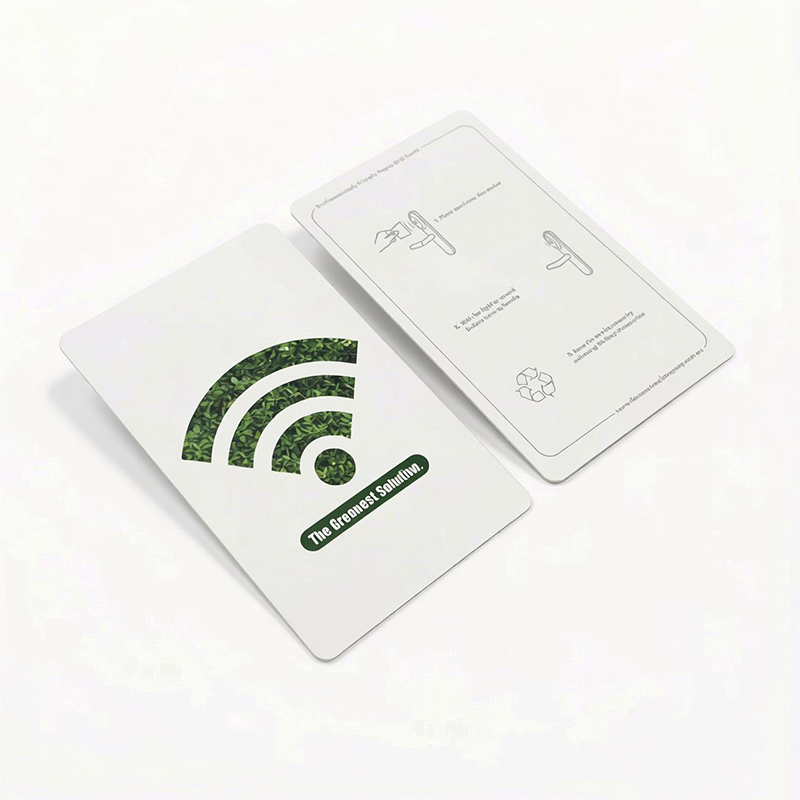
Although all three families share the 13.56 MHz ISO/IEC 14443A air interface, MIFARE Ultralight, MIFARE Classic and MIFARE DESFire occupy distinct tiers of memory organization, cryptographic strength and lock/reader compatibility. Selecting the wrong tier causes immediate encoder rejection on hotel doors and campus gates.
24 catalog examples compared
Door controllers, elevator readers and time clocks generally fall into two non-interchangeable frequency camps: 125 kHz low-frequency proximity and 13.56 MHz high-frequency smart credentials. Understanding read-only IDs vs. rewritable sectors vs. encrypted smart cards prevents unusable credential batches.
24 catalog examples compared
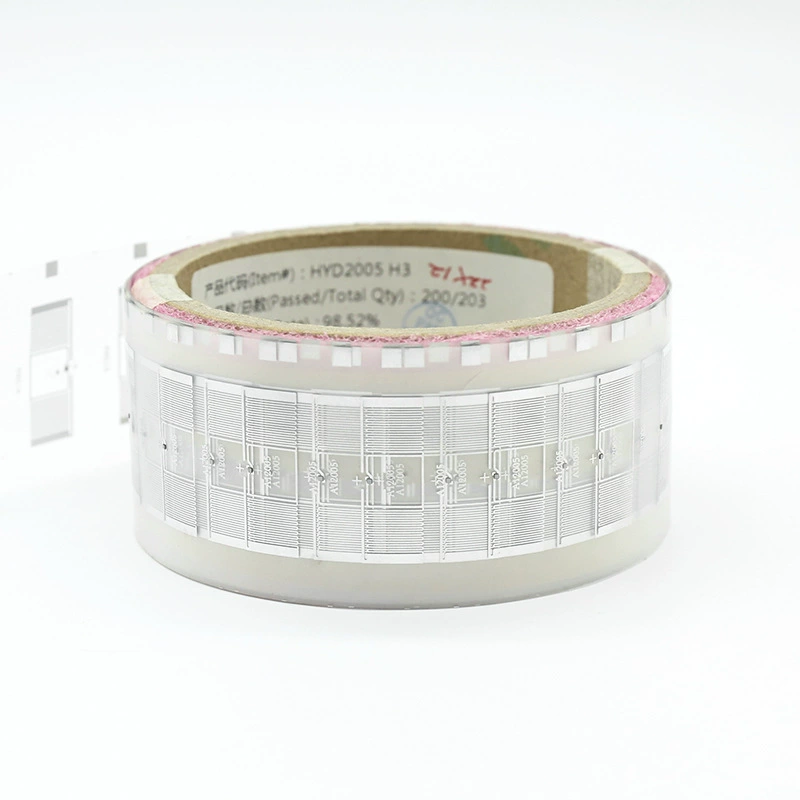
All passive 860–960 MHz RAIN RFID transponders communicate via ISO/IEC 18000-6C (EPCglobal Gen2), yet IC choice dictates how much EPC or User memory your system can write and which label or harsh-environment antenna footprints exist in standard production.
24 catalog examples compared
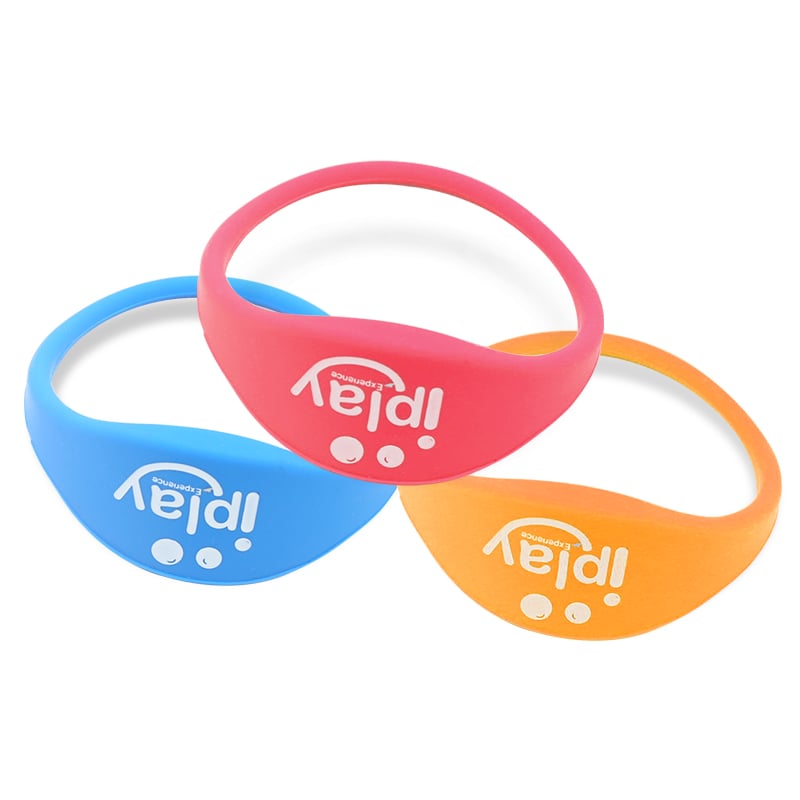
RFID wristbands balance wearer comfort, water resistance, single-use vs. reusable clasp behavior and full-color branding. Choosing between molded silicone, die-cut PVC/Tyvek and woven polyester straps prevents soggy failures in waterparks or easy pass sharing at paid festivals.
24 catalog examples compared
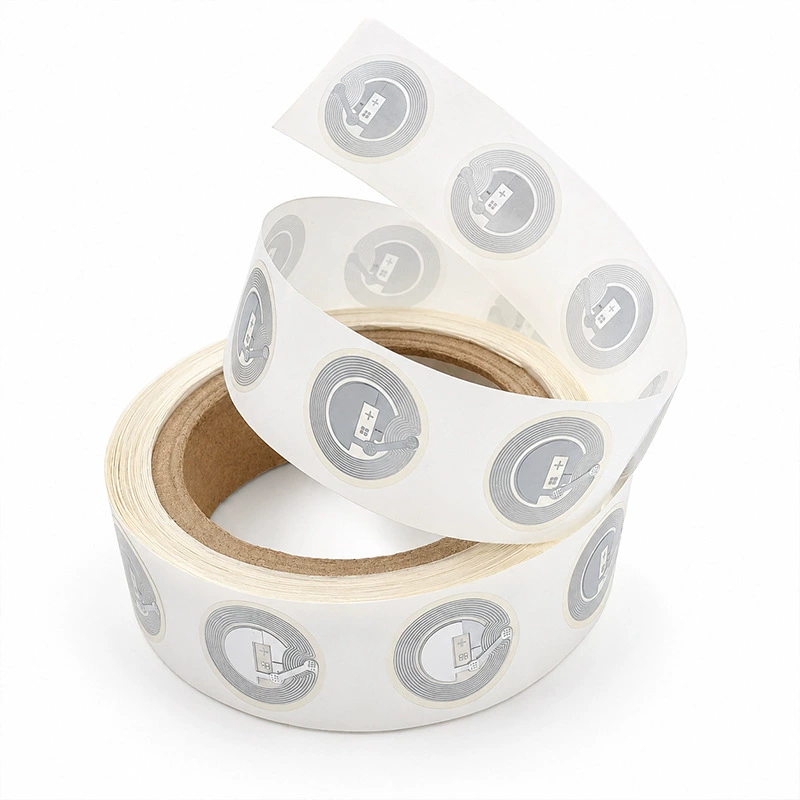
NTAG213, NTAG215 and NTAG216 belong to the same 13.56 MHz NFC Forum Type 2 (ISO/IEC 14443A) silicon family, sharing compatibility with modern iOS and Android smartphones. Choosing the right variant comes down to NDEF payload size—not read range—because higher capacity simply adds EEPROM bytes around the same RF front end.
24 catalog examples compared
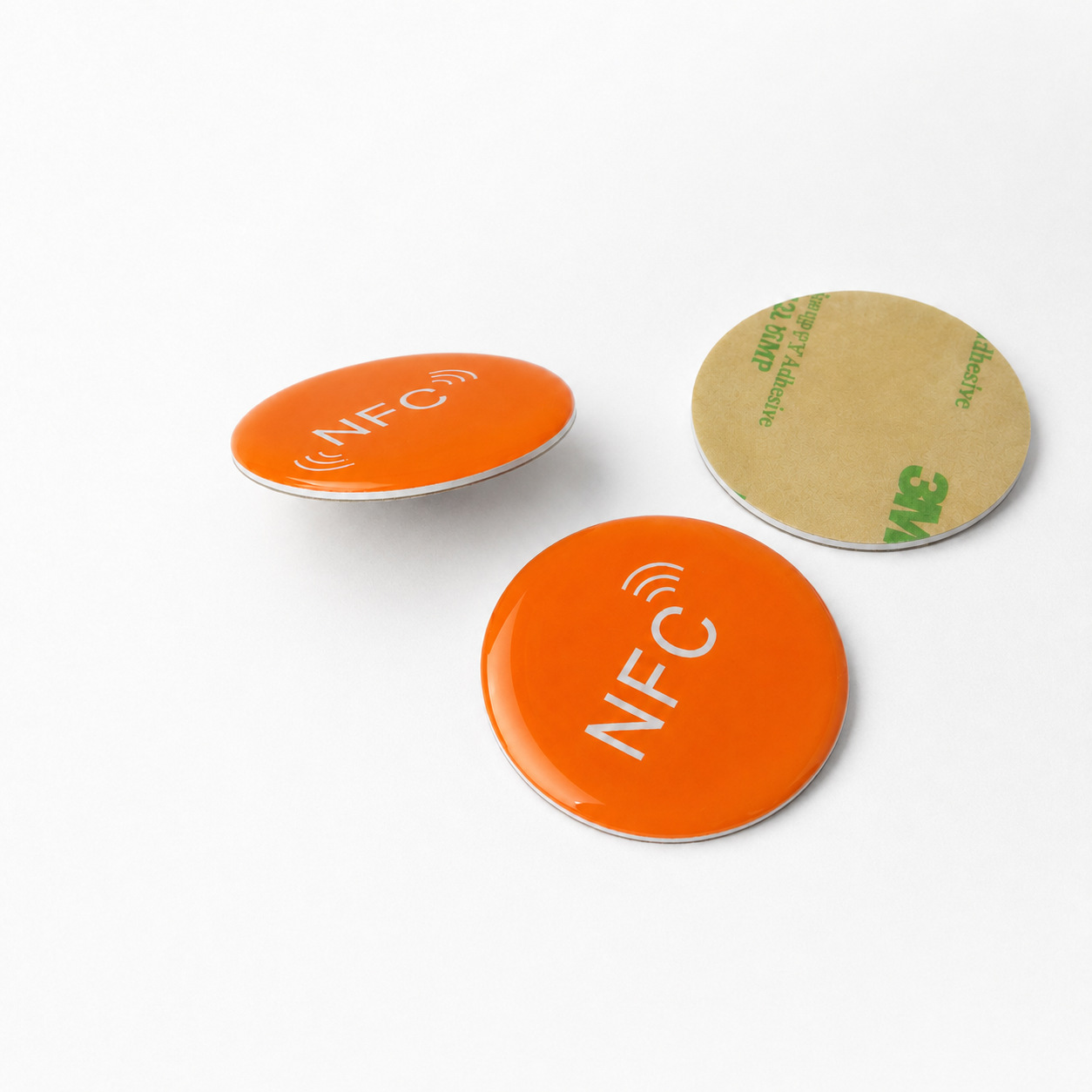
Passive RFID systems operate in three primary unlicensed frequency bands, each governed by different physics (magnetic coupling in LF/HF versus electromagnetic backscatter in UHF). Selecting the wrong band causes missed reads around liquids or metal—or prevents customer smartphones from interacting with tags.
24 catalog examples compared
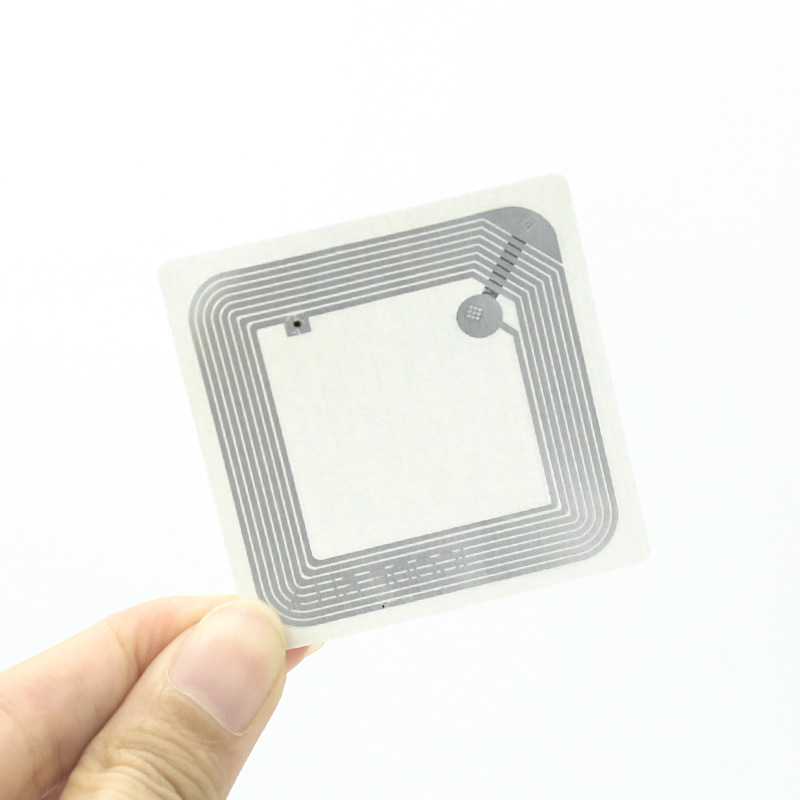
Both ISO/IEC 15693 and ISO/IEC 14443A operate at 13.56 MHz—and both interact with modern NFC smartphones—yet readers built for one protocol do not automatically share command sets or read-zone physics with the other. Understanding vicinity versus proximity coupling keeps library, laundry and access hardware matched cleanly.
24 catalog examples compared
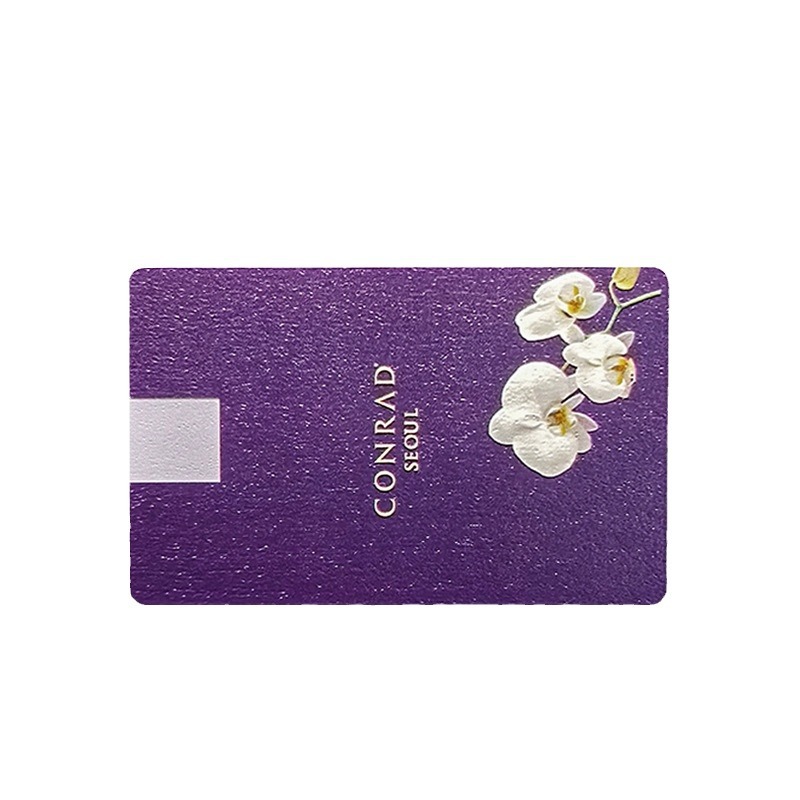
Hotels, resorts, transit agencies and event venues choose card substrates based on expected service life, guest brand positioning and environmental goals. Comparing CR80 PVC, FSC-style laminated wood/bamboo veneers and coated paper tickets ensures every credential survives its circulation window.
23 catalog examples compared
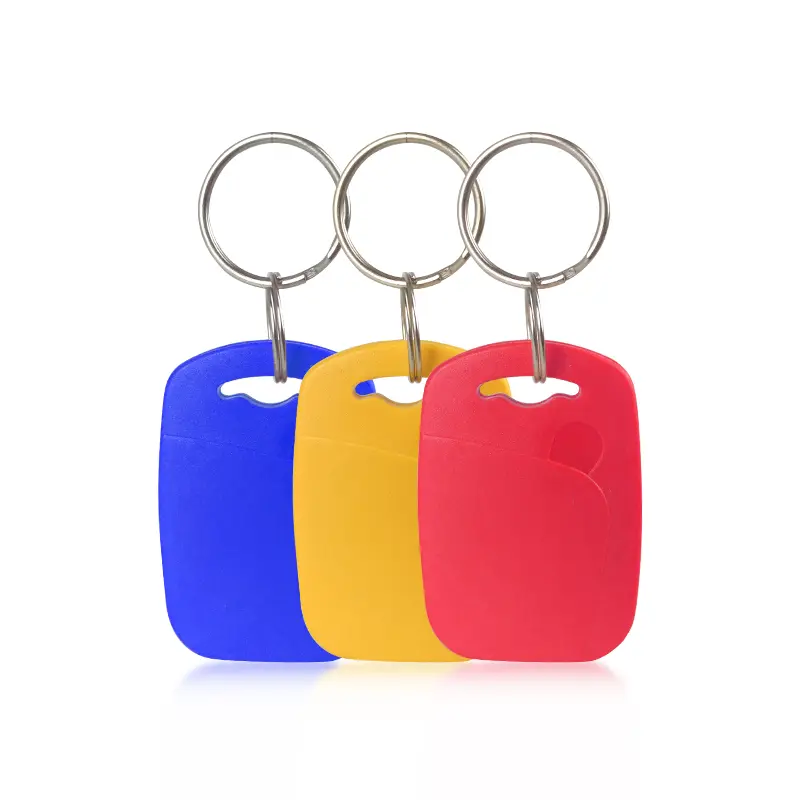
Key fobs ride alongside keys in pockets, bags and gym lockers every day. Selecting among injection-molded ABS shells, glossy epoxy resin lenses and engraved wood lets property managers, gyms and brands match physical toughness, laser numbering readability and design freedom.
19 catalog examples compared
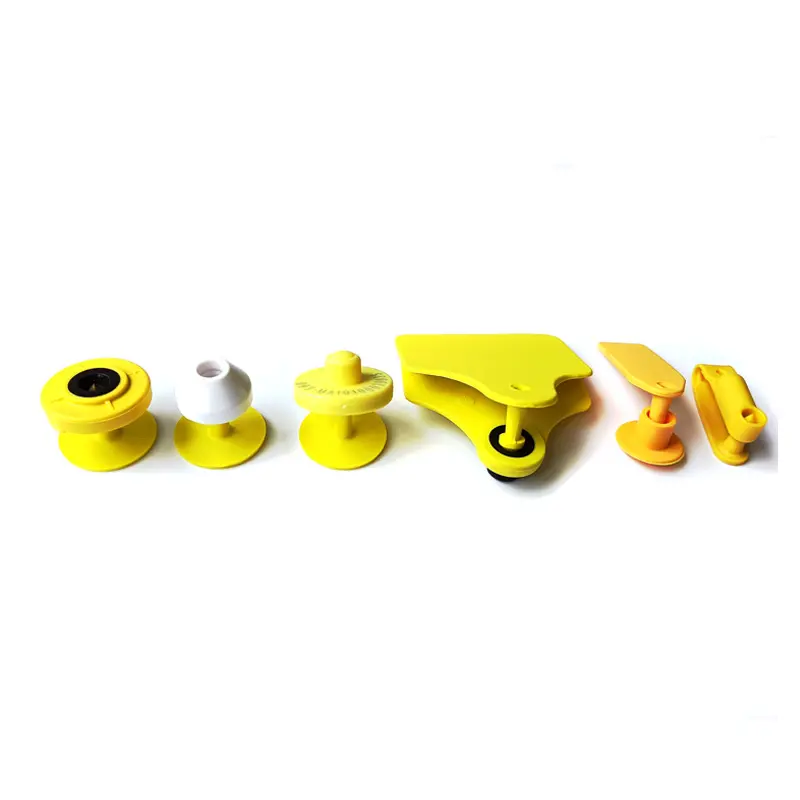
Modern ranches and feedlots choose between 134.2 kHz LF FDX-B ear tags (built around ISO 11784/11785 compliance and close-range wet reliability) and 860–960 MHz UHF Gen2 ear tags (built for multi-animal group reading in loading alleys and auction yards). Each frequency enforces a distinct reading workflow.
24 catalog examples compared
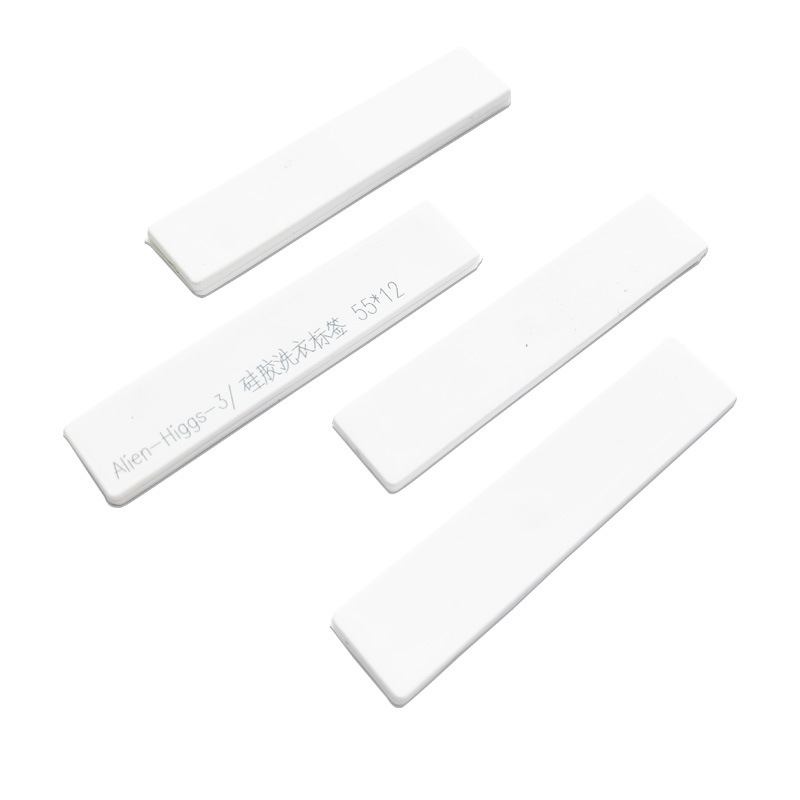
Commercial hospital laundries, hotel linen pools and uniform rental plants put tags through alkaline detergents, high-G extractor presses and flatwork ironers. Choosing between rigid PPS buttons, flexible silicone pouches and woven textile labels depends on garment weight, attachment method and whether inventory is counted in bulk UHF cages or HF sorters.
24 catalog examples compared
All three NFC formats let iOS and Android users launch links with a phone tap—usually running NTAG213, NTAG215, NTAG216 or NTAG424 DNA—yet packaging engineers and kiosk builders must pick the right physical build to prevent scuffing, peeling or immediate metallic detuning.
11 catalog examples compared
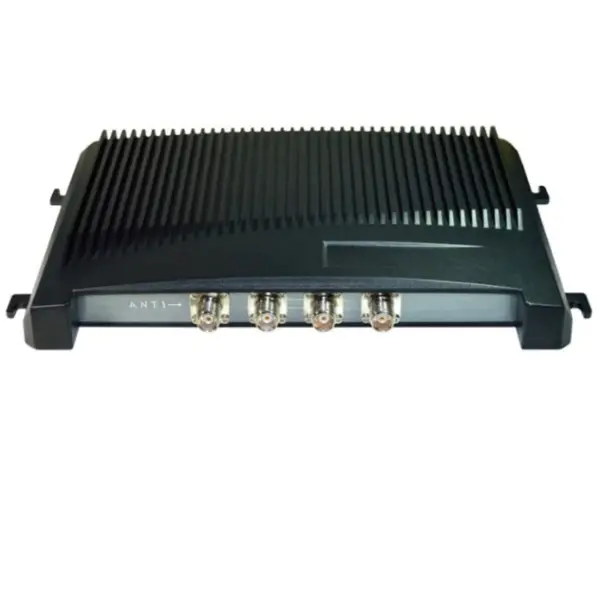
Deploying passive tags reliably requires matching the transponder band and regional standard with the right reader form factor: mobile Android UHF terminals for walk-through counts, stationary 4- or 8-port readers for dock doors and conveyor tunnels, and compact USB desktop encoders for office issuance.