125 kHz Proximity vs. 13.56 MHz Smart Cards & Key Fobs for Access Control
Door controllers, elevator readers and time clocks generally fall into two non-interchangeable frequency camps: 125 kHz low-frequency proximity and 13.56 MHz high-frequency smart credentials. Understanding read-only IDs vs. rewritable sectors vs. encrypted smart cards prevents unusable credential batches.
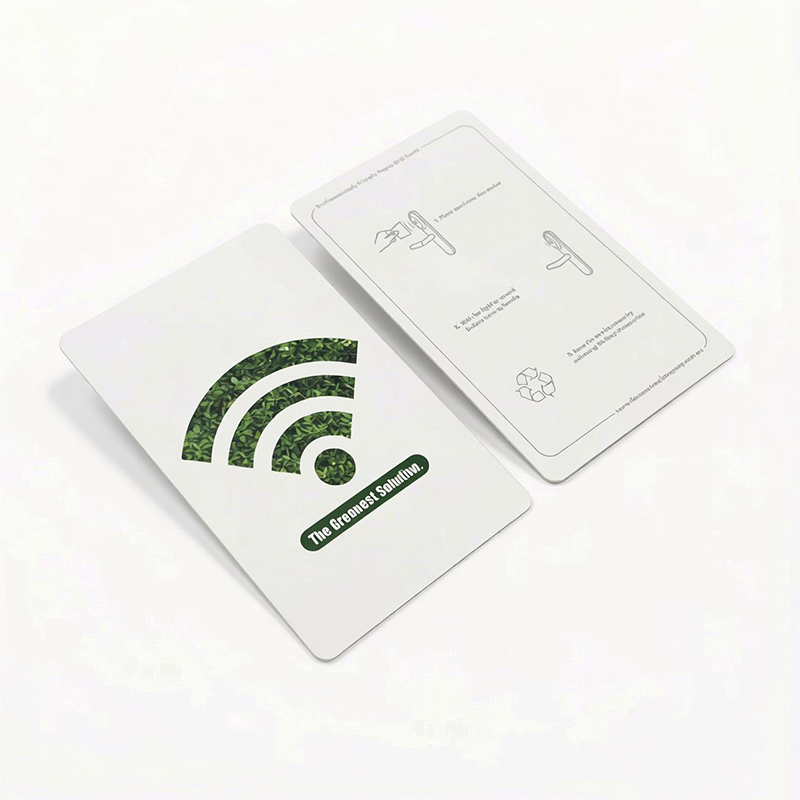
Side-by-side specification matrix
| Dimension | 125 kHz LF (TK4100 / EM4200 / T5577) | 13.56 MHz HF (F08 / Classic / DESFire) |
|---|---|---|
| Primary Architecture | 64-bit read-only factory ID (TK4100/EM4200) or 330-bit rewritable EEPROM (T5577) | ISO/IEC 14443A 1 KB sector memory or AES-128 multi-application file system |
| Smartphone NFC Compatibility | None — phones cannot read 125 kHz coils | Supported across modern smartphones (protocol dependent) |
| Multi-System / Security Tier | UID / modulation emulation only; no mutual AES cryptography | Supports sector keys (Classic/F08) up to AES-128 diversification (DESFire) |
| Serial Number Formats | Commonly laser/inkjet printed in 10-digit decimal, 8H10D or Wiegand codes | Printed UID (4B/7B hex or decimal) or factory pre-encoded application keys |
How to identify an existing system without documentation
Because PVC cards and ABS key fobs use identical outer shells for both frequencies, physical inspection alone is unreliable. An NFC-capable phone immediately flags 13.56 MHz ISO 14443A cards; silence typically points toward 125 kHz proximity (or specialized encrypted HF readers).
Read-only TK4100 vs. rewritable T5577
In 125 kHz installations, panels that enroll whatever card ID is waved need factory read-only TK4100 or EM4200 credentials, whereas hotel cabinet locks or programmer-based systems that write custom bitstreams onto blank tags require T5577.
Dual-frequency bridge cards during building upgrades
Organizations migrating floor-by-floor from legacy 125 kHz readers to 13.56 MHz DESFire or MIFARE panels can specify dual-chip composite cards and fobs housing both coils in one credential.
Representative models (24 shown)
- Hotel key & power cards · Store catalog
F08 Coated-paper Hotel Card
Chip: Fudan F08 / Material: Coated paper
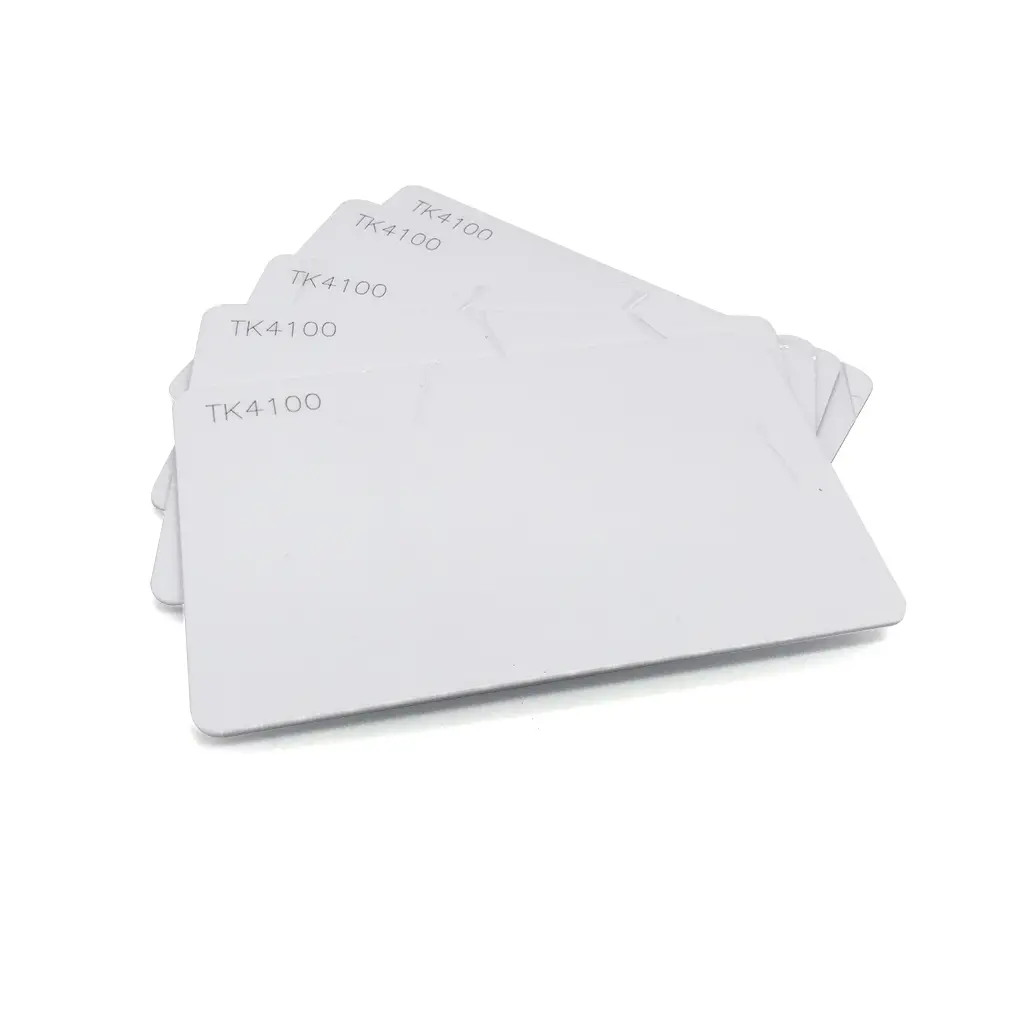 Low-frequency proximity cards · Manufacturer reference
125 kHz LF Access Card
Material: PVC / Chip options: Tk4100/T5577/EM4305
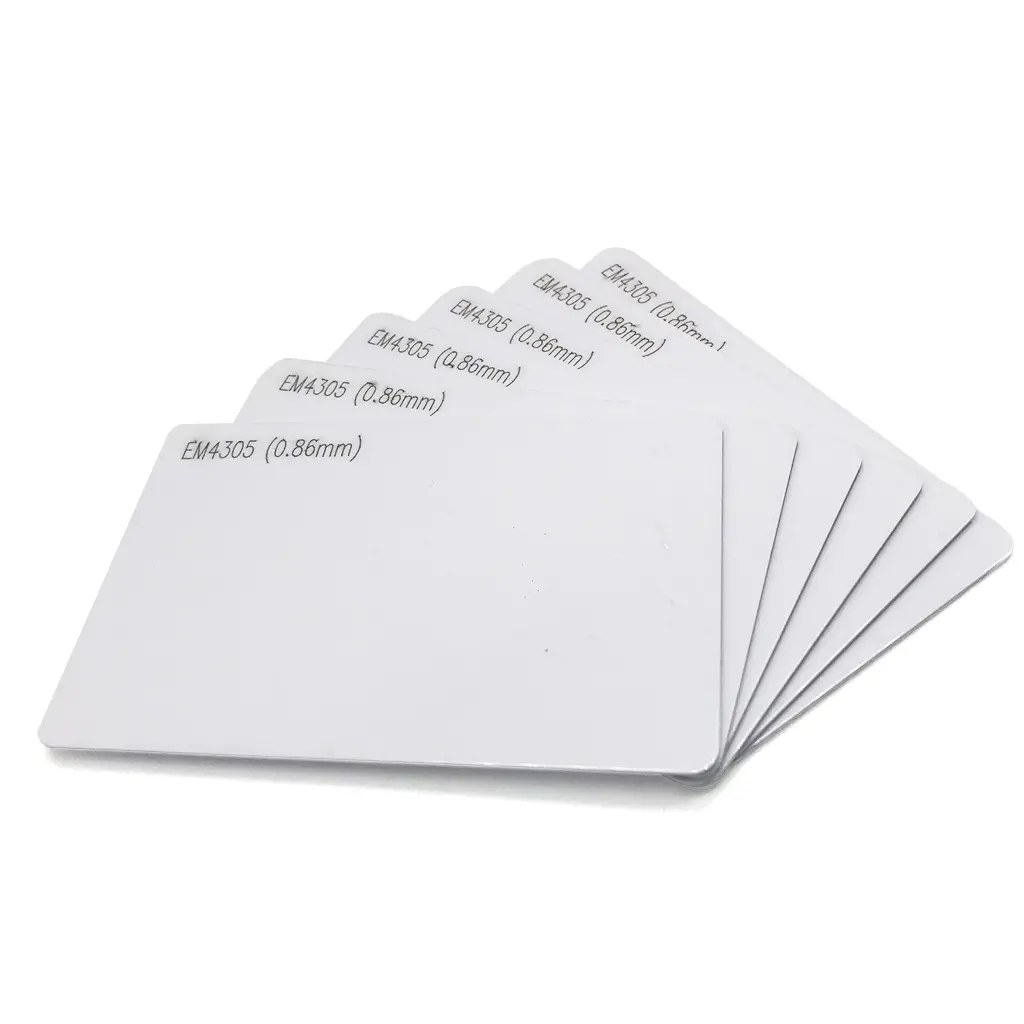 Low-frequency proximity cards · Manufacturer reference
125 kHz LF Proximity Card
Chip options: Tk4100 ,T5577,EM4305 / Size: 85.6*54mm
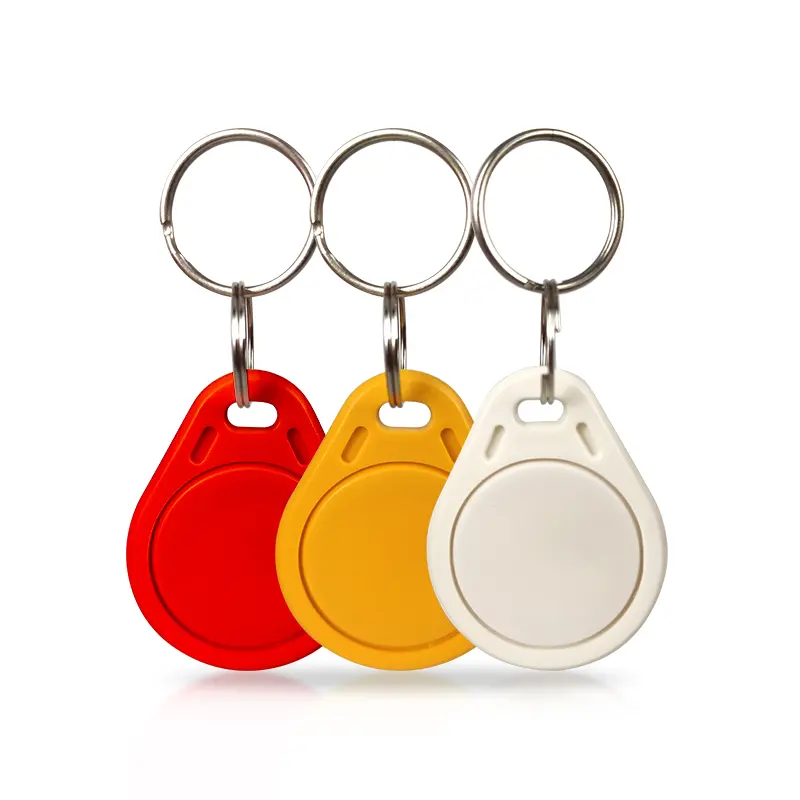 Access key fobs · Manufacturer reference
125 kHz TK4100 or EM4200 Key Fob
Frequency: 125 kHz / Material: ABS
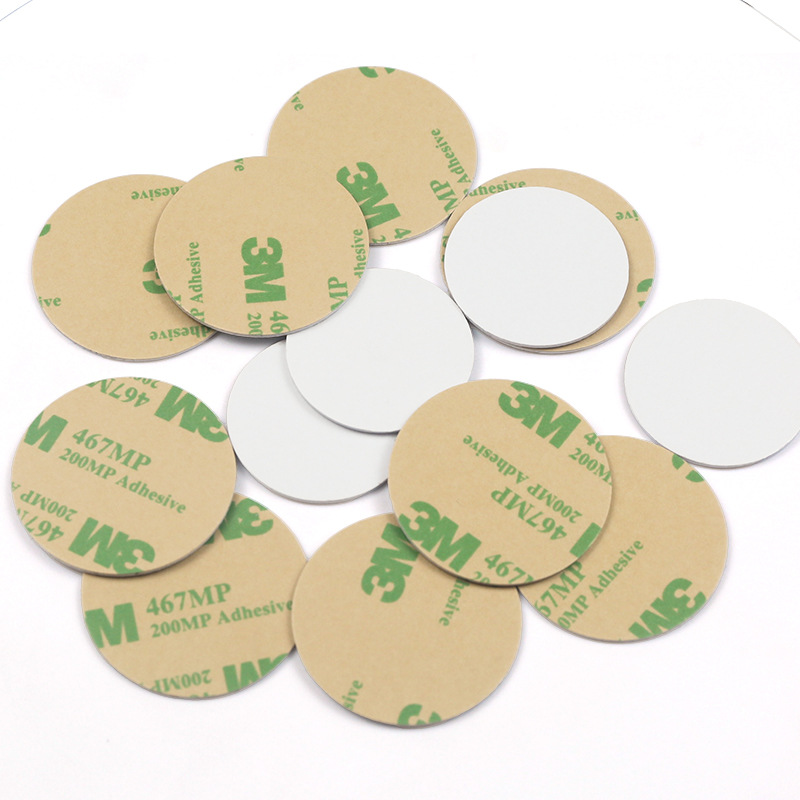 Round & custom-shape cards · Manufacturer reference
25 mm NFC Coin Card
Chip designation: NTAG213 / NTAG215 / NTAG216 options / Operating frequency: 13.56 MHz
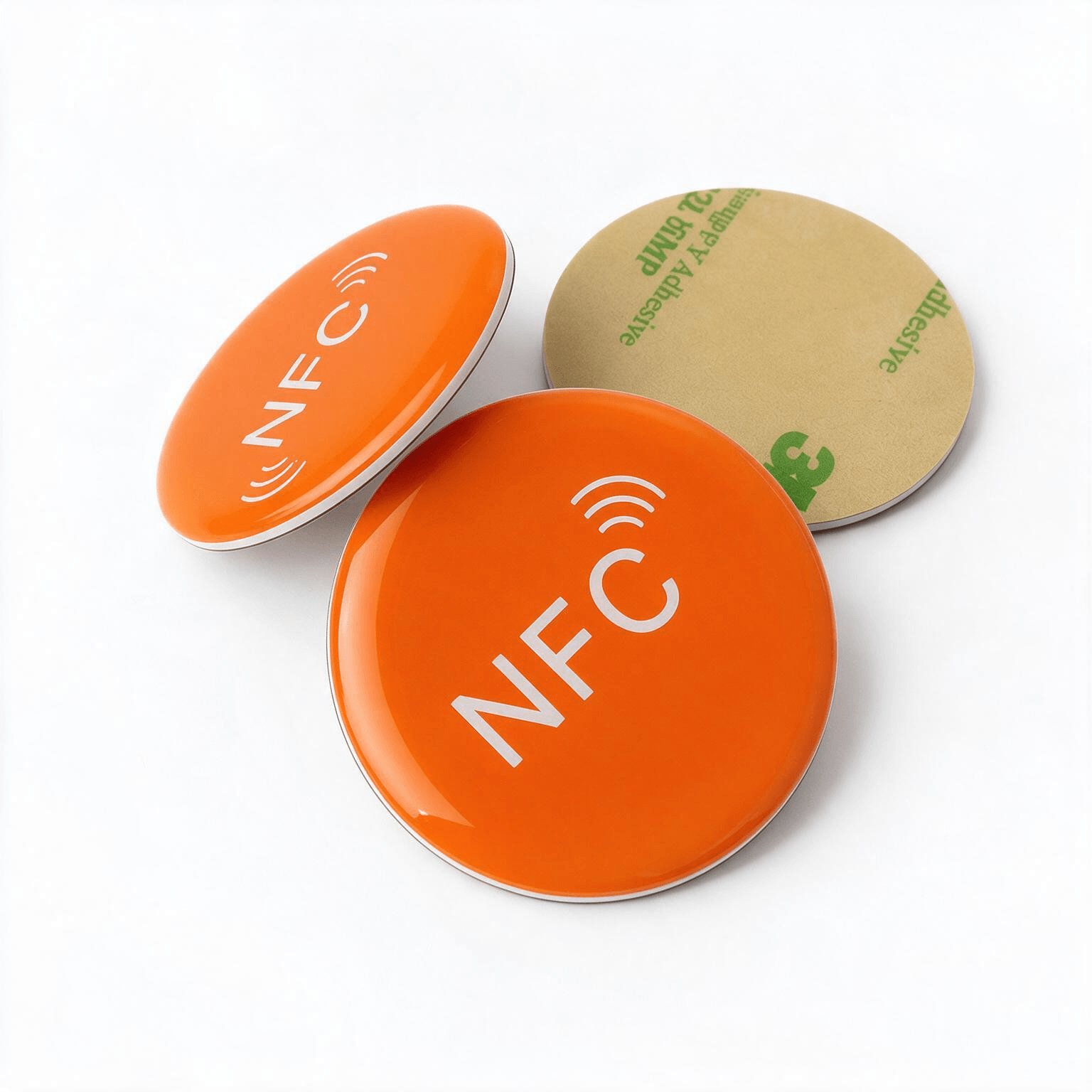 Epoxy key fobs · Manufacturer reference
25 mm On-Metal Epoxy Key Fob
Chip designation: NTAG213 / NTAG215 / NTAG216 options / Operating frequency: 13.56 MHz
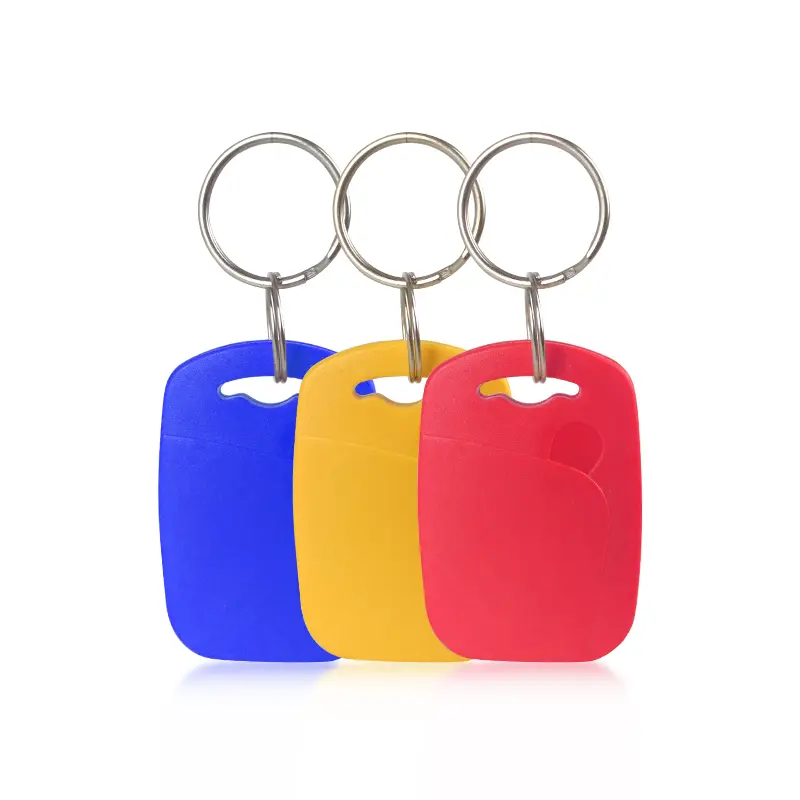 ABS key fobs · Manufacturer reference
ABS NFC Hotel Key Fob
Chip: TK4100(Customize) / Frequency: 125KHz
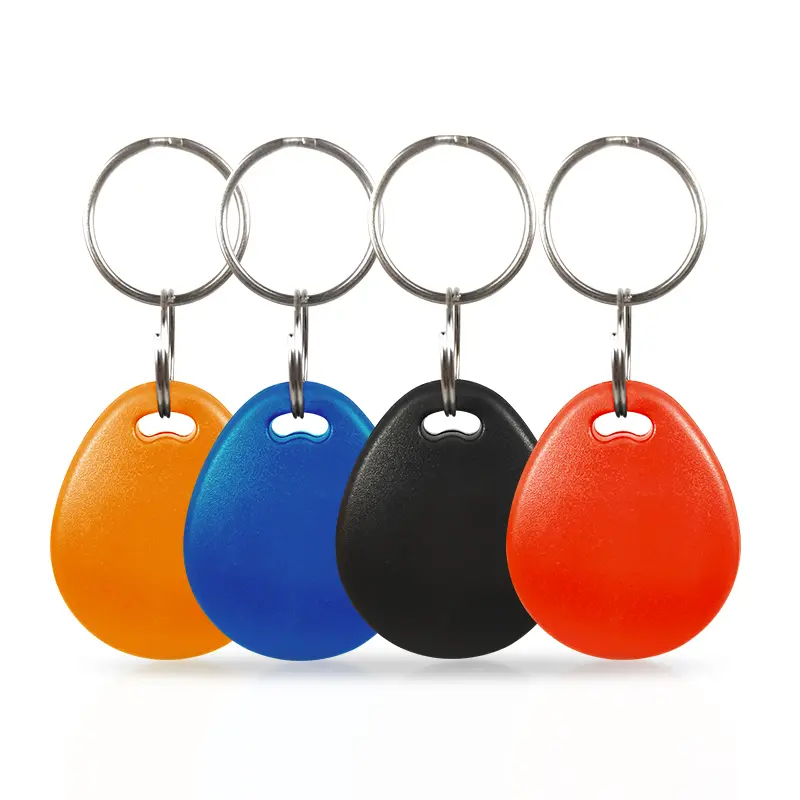 ABS key fobs · Manufacturer reference
ABS NFC Key Fob
Material: ABS / Chip options: EM4100 ,EM4102,EM4200,DESFire,Ultralight etc.
- ABS key fobs · Manufacturer reference
ABS NFC Key Tag
Material: ABS / Chip options: EM4100 ,EM4102,EM4200,DESFire,Ultralight etc.
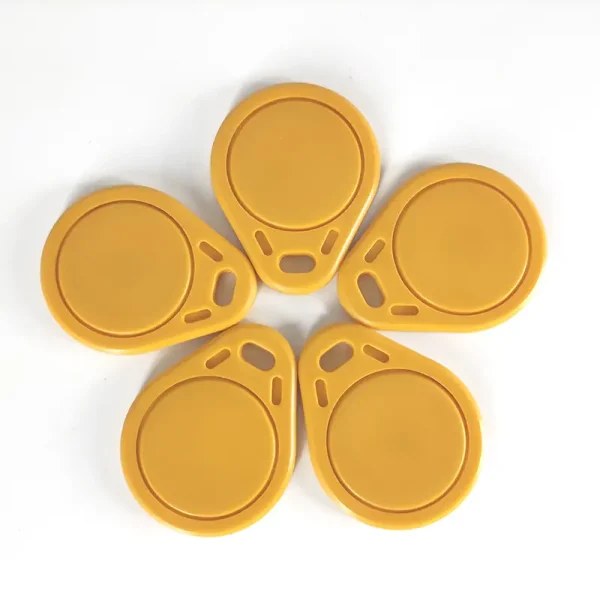 Access key fobs · Manufacturer reference
ABS RFID Key Fob
Housing material: ABS engineering plastic / epoxy / Chip options: M1(S50/S70) / ID(EM4100) / CPU
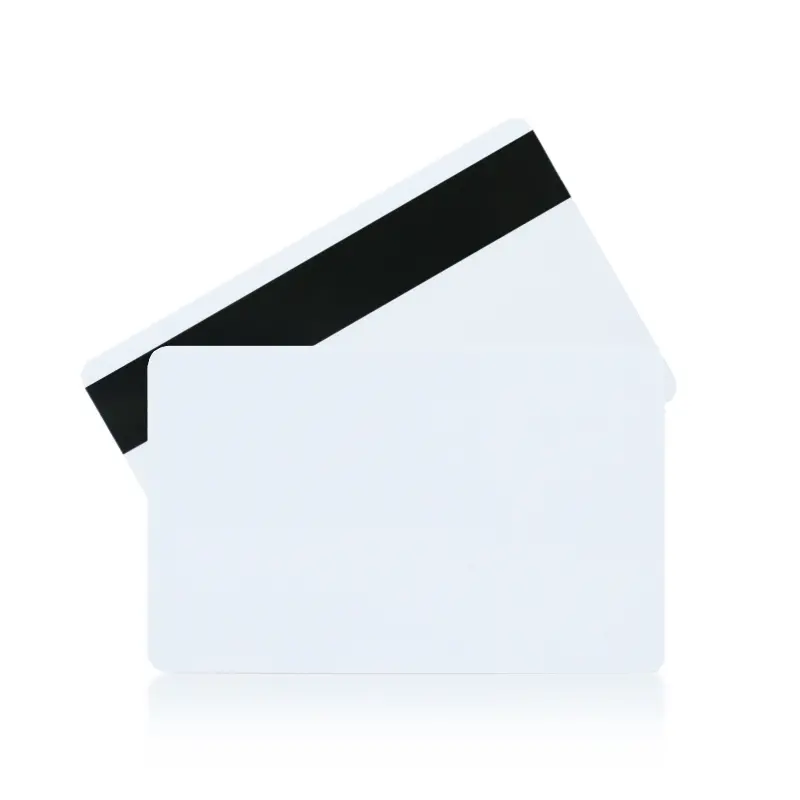 Low-frequency proximity cards · Manufacturer reference
ATA5577 Blank 125 kHz Smart Card
Chip: ATA5577 / Size: 85.6*54mm
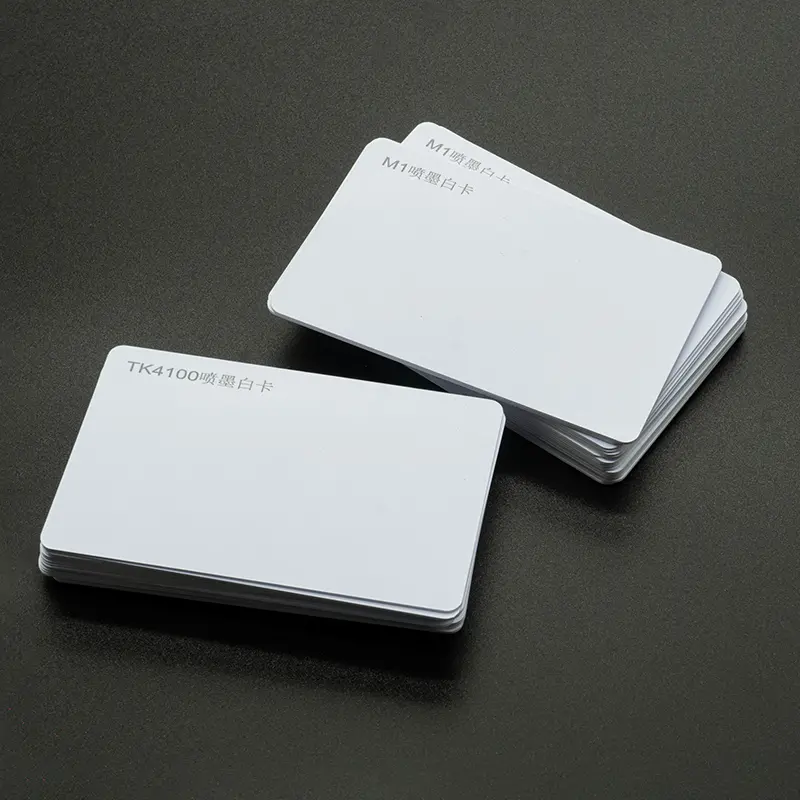 Low-frequency proximity cards · Manufacturer reference
Blank PVC LF Proximity Card
Material: RPVC/PVC / PET/ABS/PC/PLA/PETG / Size: 85.5*54mm as credit card (or customized size)
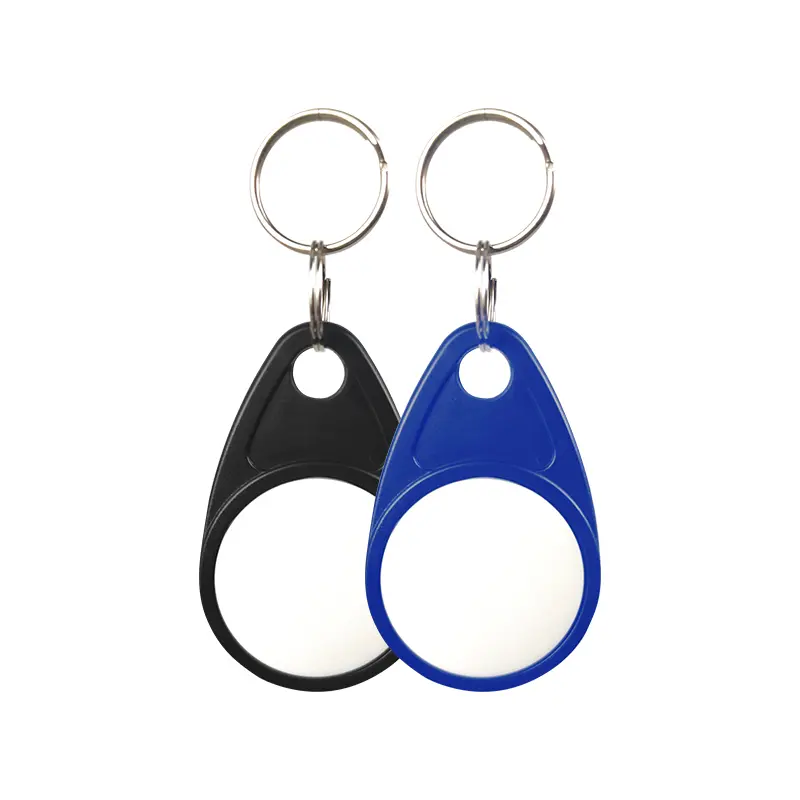 ABS key fobs · Manufacturer reference
Contactless ABS RFID Key Fob
Material: ABS / Chip options: TK4100/EM4200 or customize
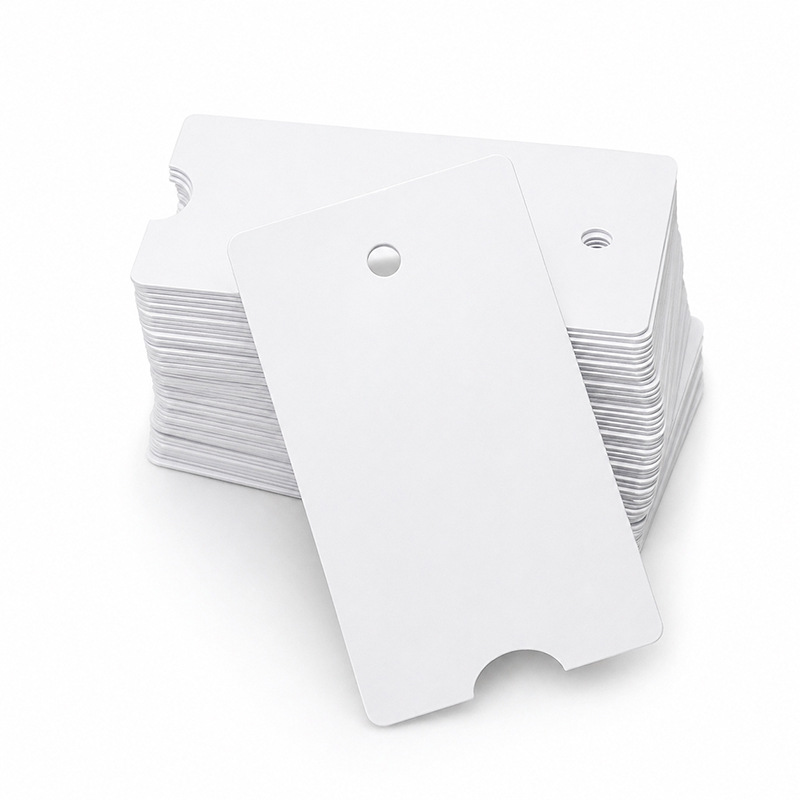 Round & custom-shape cards · Manufacturer reference
Custom-Shape NFC Blank Card
Model: NFC blank card / Frequency: 13.56 MHz HF
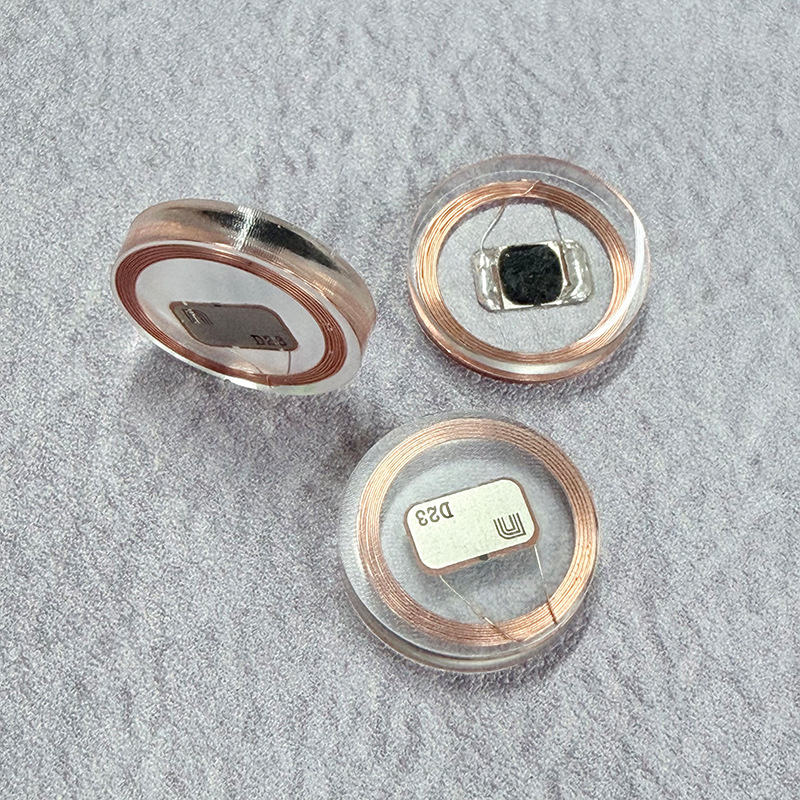 Round & custom-shape cards · Manufacturer reference
DESFire D23 Epoxy Coin Card
Model: D23 epoxy coin card / Chip: NXP MIFARE DESFire D23
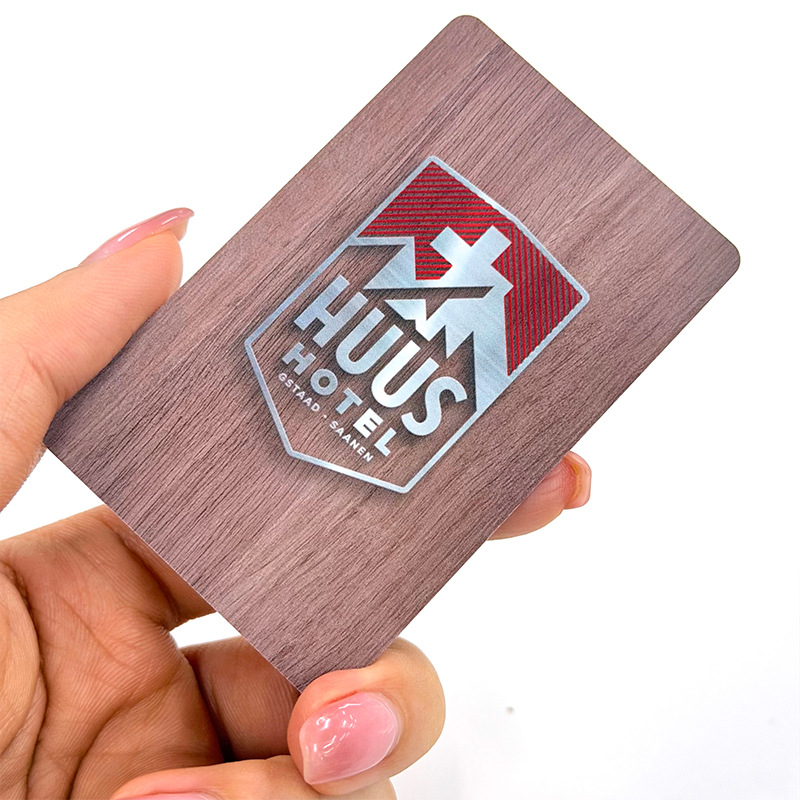 Hotel key & power cards · Manufacturer reference
DESFire D41 Hotel Power Card
Chip designation: NXP MIFARE DESFire D41 / Operating frequency: 13.56 MHz
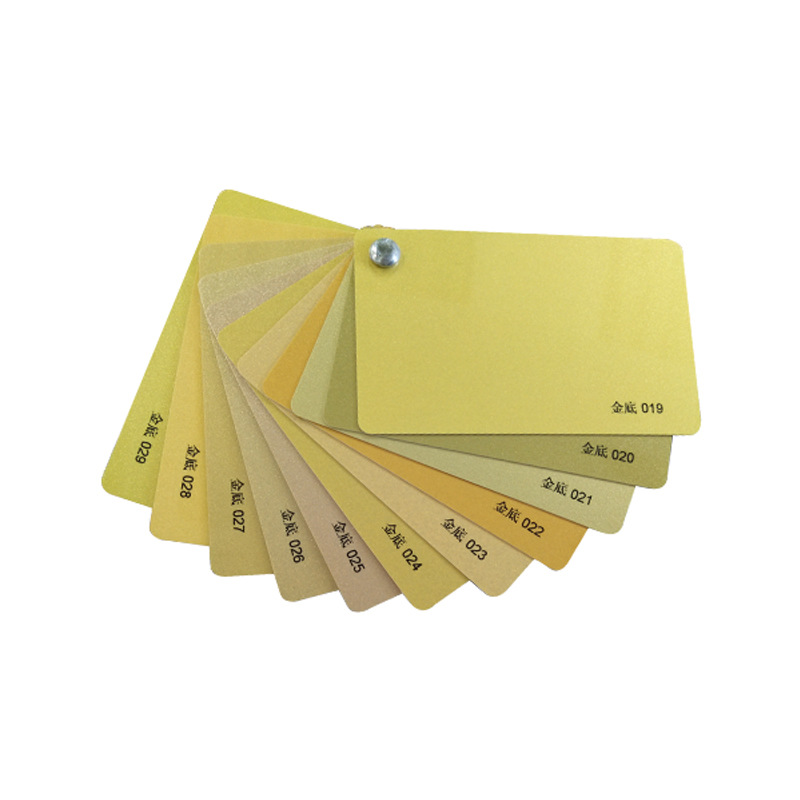 Contactless chip cards · Manufacturer reference
DESFire EV2 IC Card
Chip designation: NXP MIFARE DESFire EV2 / Operating frequency: 13.56 MHz
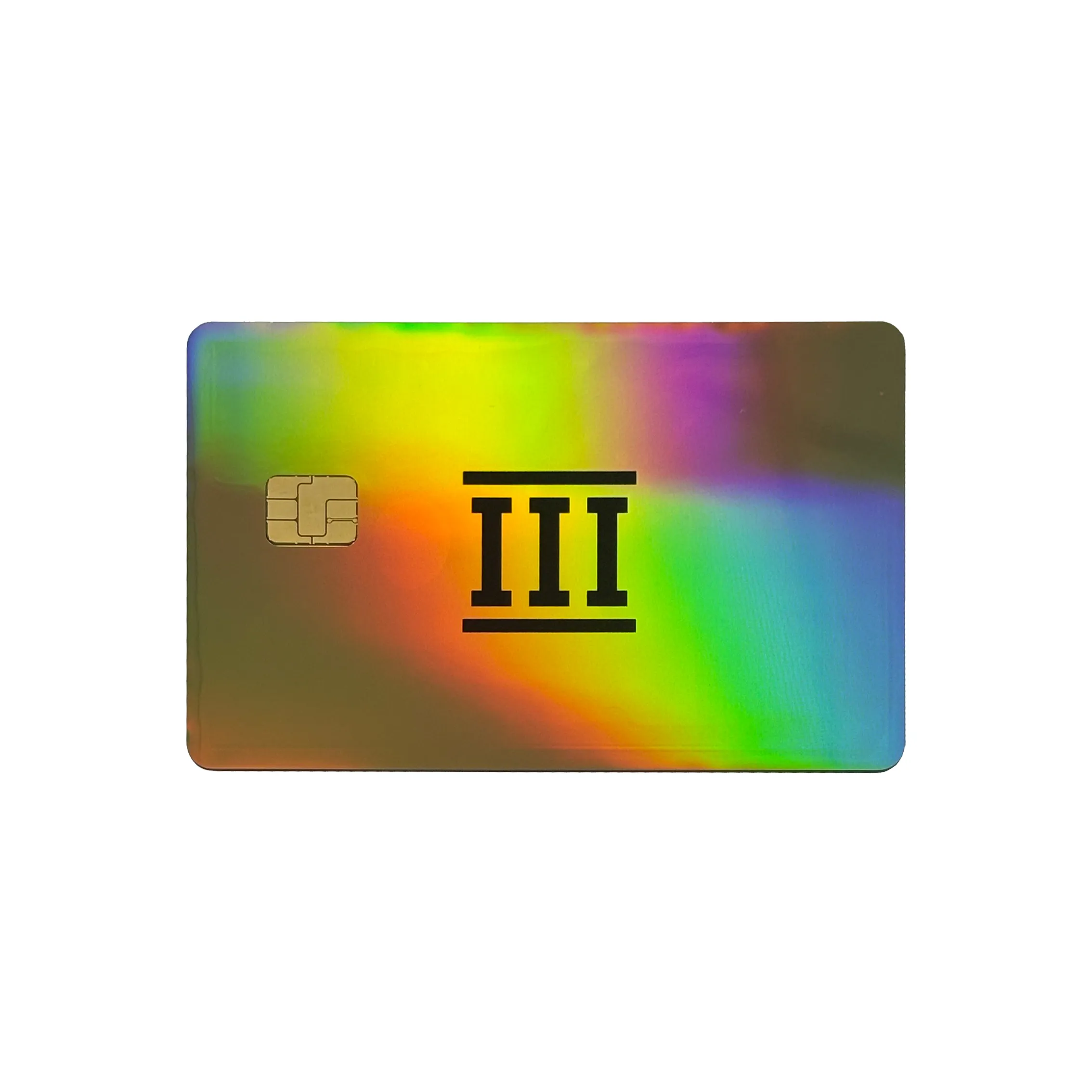 Metal cards · Manufacturer reference
DESFire EV3 Metal Card
Chip: MIFARE DESFire EV3 2K/4K / Operating frequency: 13.56 MHz
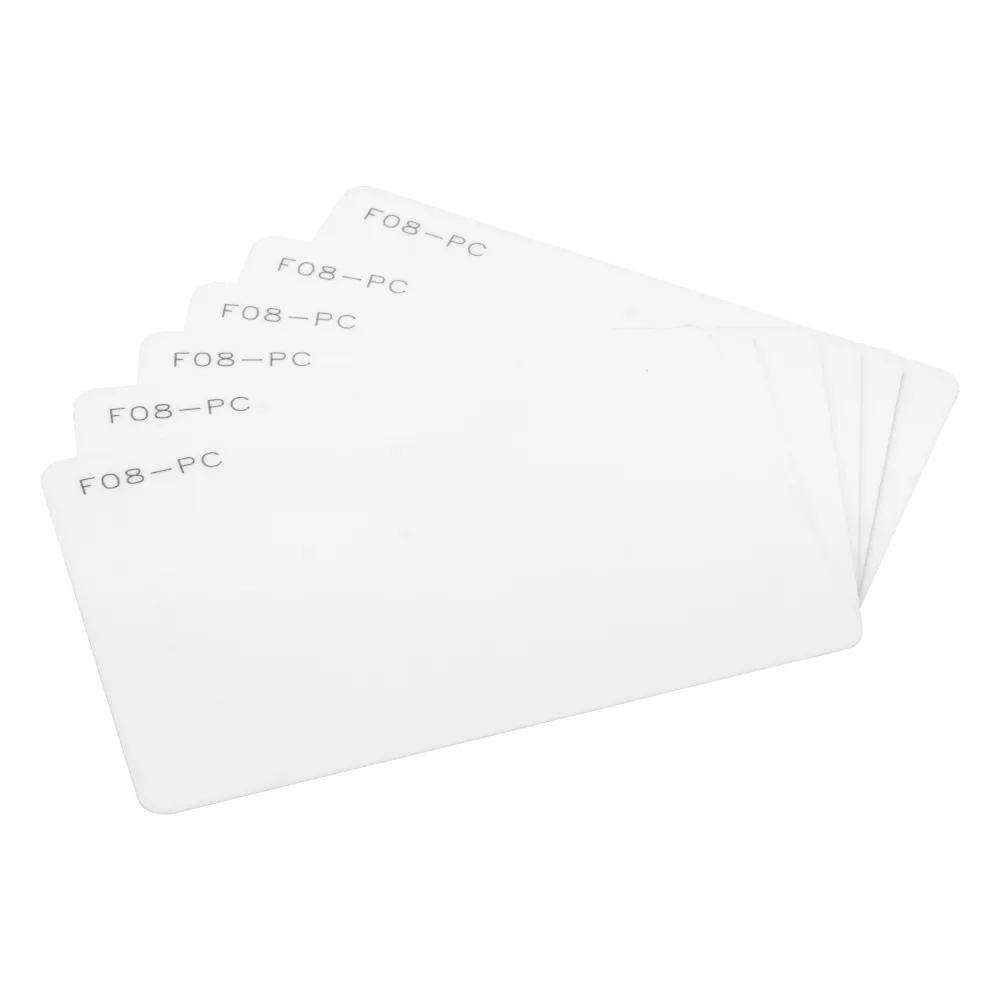 Printed & blank cards · Manufacturer reference
F08 Access Control Blank Card
Chip: F08 / S50 / NTAG213 options / Operating frequency: 13.56 MHz
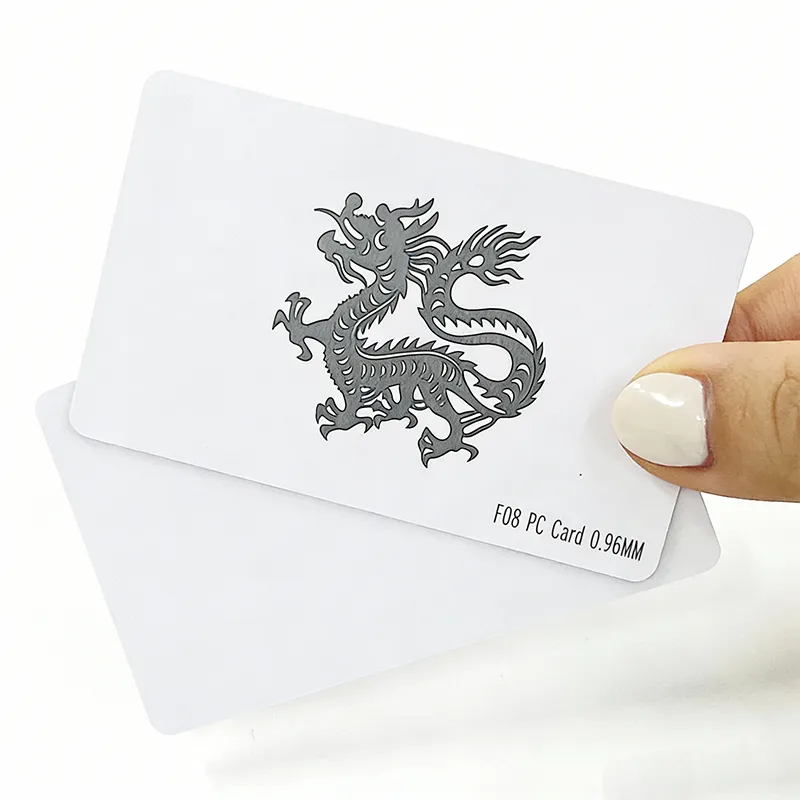 Campus & photo ID cards · Manufacturer reference
F08 Campus Card
Chip: Fudan F08 (compatible with M1 S50) / Operating frequency: 13.56 MHz
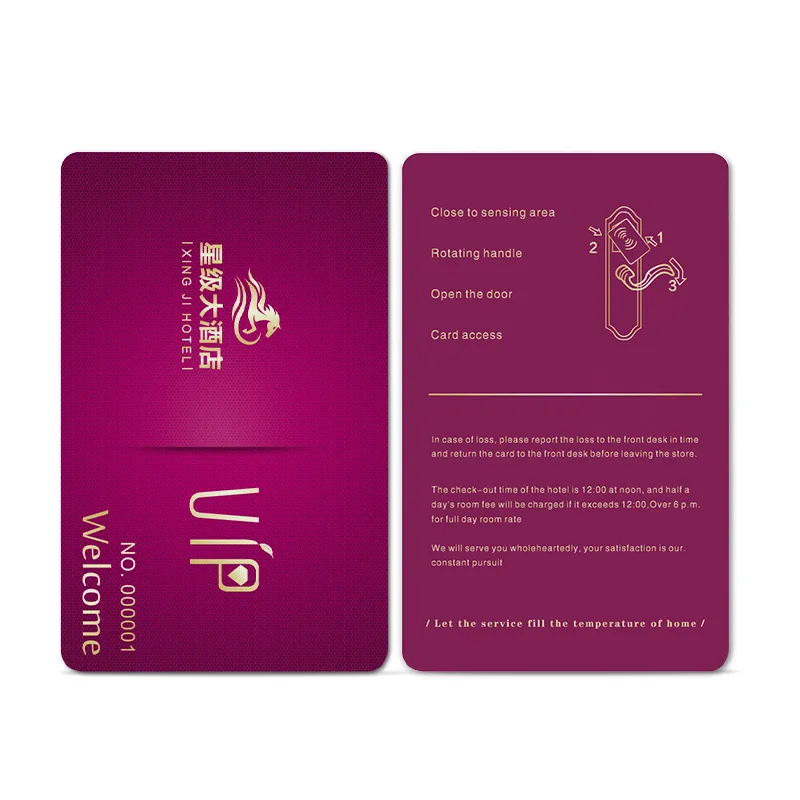 Hotel key & power cards · Manufacturer reference
Hotel Key Card
Model: ICODE SLI-X2 smart card / Chip: NXP ICODE SLI-X2
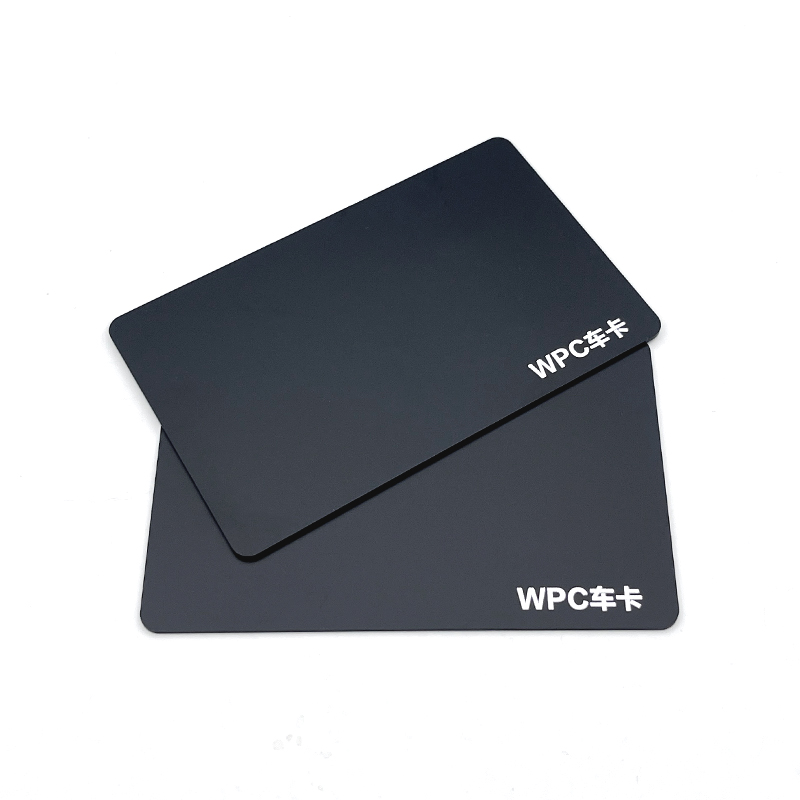 Vehicle key & charging cards · Manufacturer reference
M1 Vehicle Card
Chip: NXP MIFARE Classic 1K(S50) / Operating frequency: 13.56 MHz
- High-frequency access cards · Manufacturer reference
MIFARE Classic S50 Card with Magnetic Stripe
Chip: Mifare Classic IK (ISO/IEC 14443A) / Size: 85.6*54mm
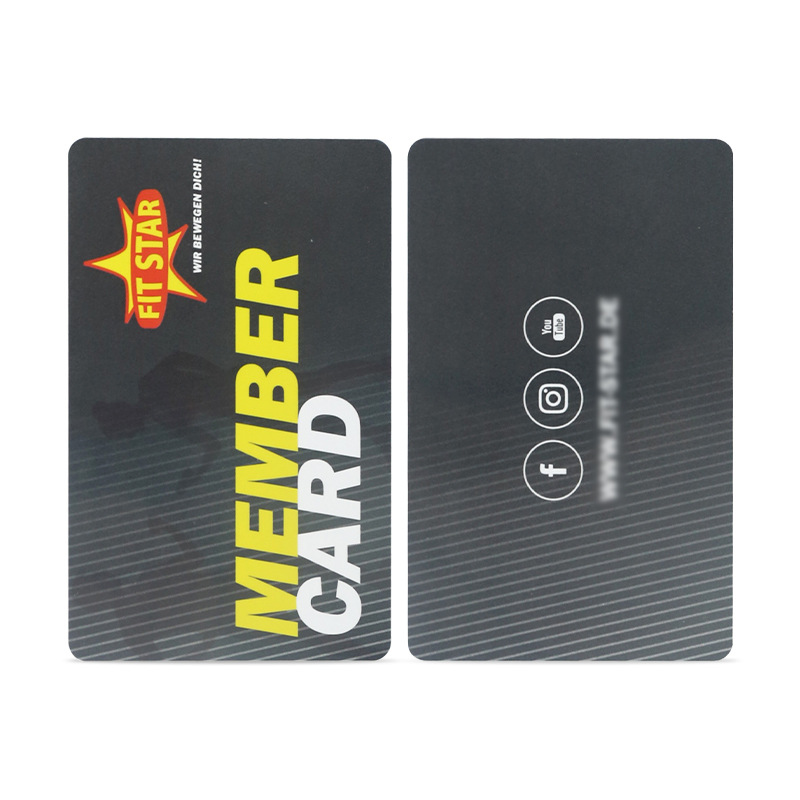 Printed & blank cards · Manufacturer reference
MIFARE Classic S50 Printed Card
Chip designation: NXP MIFARE Classic S50 / Operating frequency: 13.56 MHz
Direct Engineering Inquiry
Request 125 kHz vs. 13.56 MHz Access comparison samples
Submit this short form directly on the page—no separate form page required.
Frequently asked selection questions
Can a 125 kHz key fob be programmed to work on a 13.56 MHz reader?
No. The copper coil winding resonance and air-interface modulation differ completely between 125 kHz LF and 13.56 MHz HF; hardware requires either the matching frequency or a dual-frequency tag.
Should I specify 8H10D or Wiegand 26 printing on 125 kHz access cards?
Look at the digits printed on an existing working card from your site: 10 consecutive digits (e.g. 0004819201) indicate 8H10D decimal, whereas two comma/space-separated numbers often represent Wiegand facility + user codes.
Are ABS key fobs durable enough for outdoor HOA gates?
Ultrasonically welded ABS housings resist rain and daily pocket wear well; verify split-ring durability or request glossy epoxy fobs where printed logos matter.