UHF vs. HF / NFC vs. LF Passive RFID Frequency Bands Compared
Passive RFID systems operate in three primary unlicensed frequency bands, each governed by different physics (magnetic coupling in LF/HF versus electromagnetic backscatter in UHF). Selecting the wrong band causes missed reads around liquids or metal—or prevents customer smartphones from interacting with tags.
Side-by-side specification matrix
| Band & Frequencies | Primary Standards | Coupling & Field Behavior | Primary B2B Fit |
|---|---|---|---|
| LF (125 kHz / 134.2 kHz) | ISO 11784/11785 FDX-B; TK4100/T5577 | Near-field inductive; penetrates water & animal tissue well; serial single-tag reads | Livestock ear tags, glass implants, legacy door fobs & watchman patrol points |
| HF / NFC (13.56 MHz) | ISO/IEC 14443A, ISO/IEC 15693, NFC Forum Type 2/4/5 | Near-field inductive; clean zone control; natively read by iOS & Android smartphones (NFC) | Hotel key cards, access control, library stacks, smart posters & anti-counterfeit seals |
| UHF RAIN (860–960 MHz) | ISO/IEC 18000-6C / GS1 EPC Gen2v2 | Far-field RF backscatter; high-speed multi-tag anti-collision over meters; tuned per region (FCC/ETSI) | Apparel retail inventory, warehouse pallets, dock portals, race timing & metal yard assets |
Why smartphone compatibility dictates 13.56 MHz NFC
Consumer iPhones and Android smartphones integrate NFC hardware exclusively at 13.56 MHz. Neither 125 kHz proximity fobs nor 860–960 MHz UHF inventory labels can be scanned directly by a consumer mobile phone without an external Bluetooth/USB reader.
Multi-tag bulk inventory vs. controlled zone reads
UHF Gen2 transponders capture dozens or hundreds of items per second across handheld sweeps or dock portals. By contrast, LF and HF magnetic fields drop sharply outside the antenna loop, which is an advantage in libraries, access gates and payment terminals where stray background reads would cause errors.
How water and conductive metal treat each band
Water and wet organic tissue absorb UHF signals heavily, making LF 134.2 kHz superior for close animal ID and HF helpful near beverages, whereas bare steel detunes all unshielded labels unless spaced with FR4 PCB, ceramic or ferrite shielding.
Representative models (24 shown)
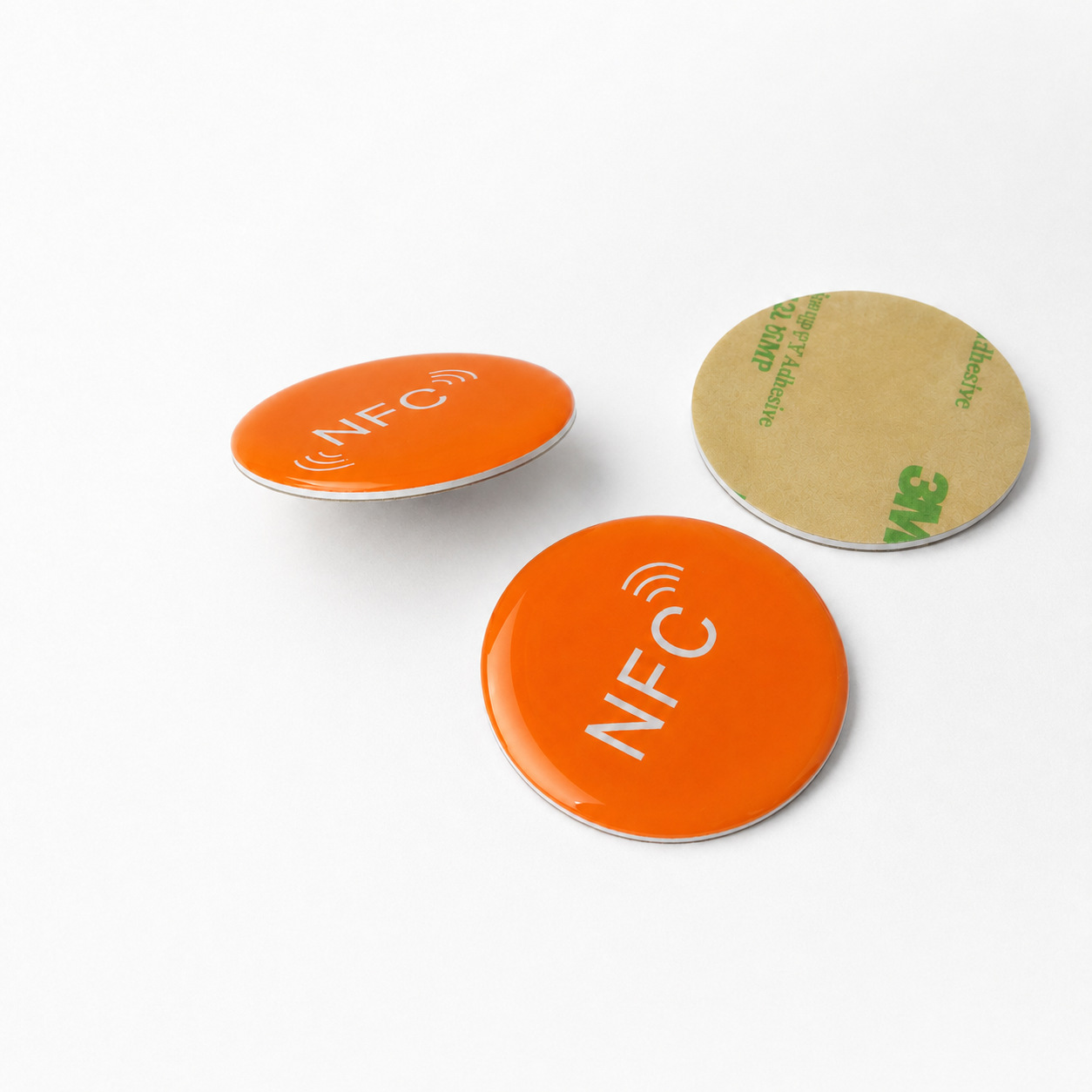
- On-metal NFC tags · Store catalog
25 mm On-metal Epoxy NFC Tag
Construction: Round epoxy on-metal tag / Diameter: 25 mm
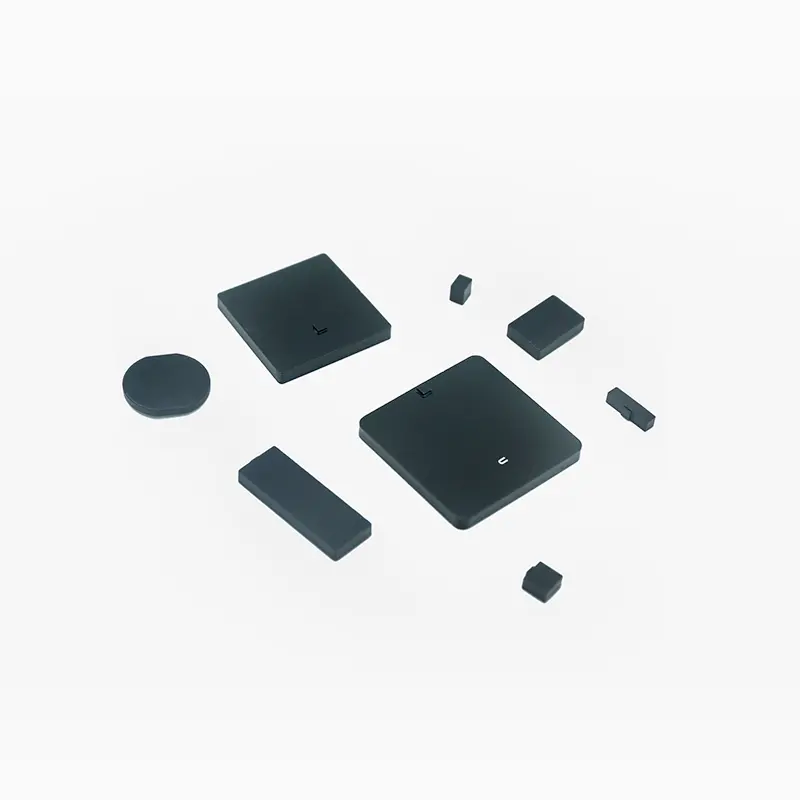 Ceramic on-metal tags · Store catalog
Ceramic UHF On-metal Tag
Material: Ceramic / Mounting surface: Metal
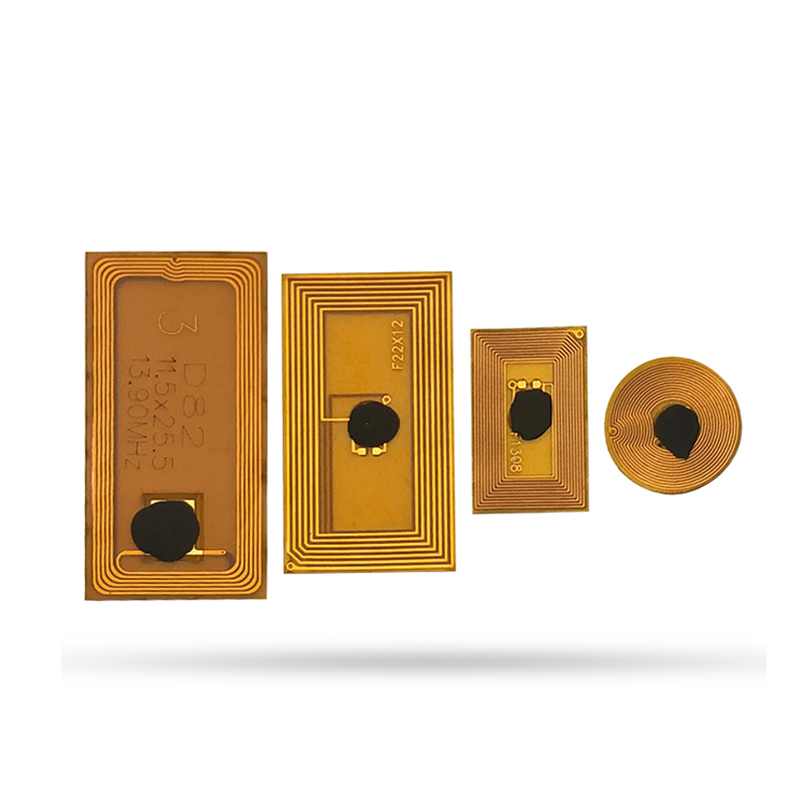 FPC tags · Store catalog
Embedded Passive NFC FPC Label
Construction: Embedded flexible printed circuit / Power: Passive
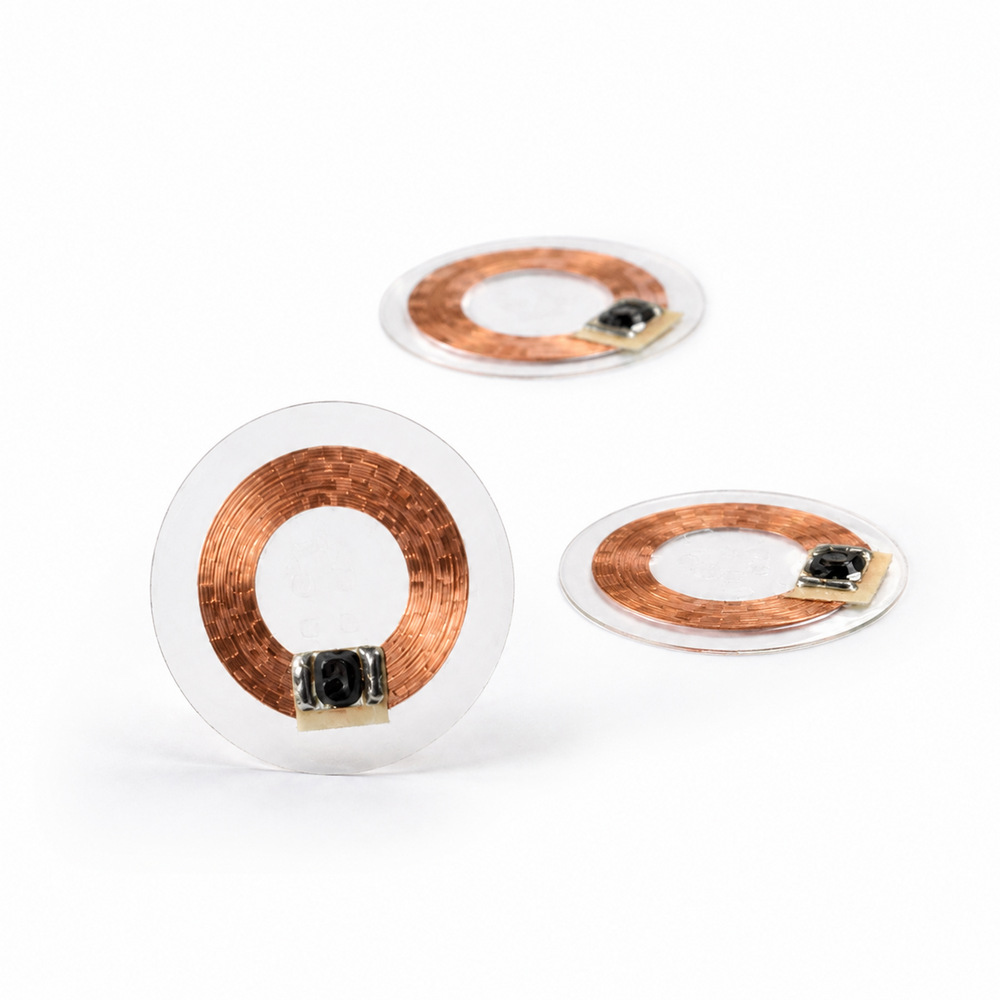 NFC toy & collectible tags · Store catalog
Embedded Passive NFC Toy Tag
Power: Passive / Placement: Inside interactive toys and figurines
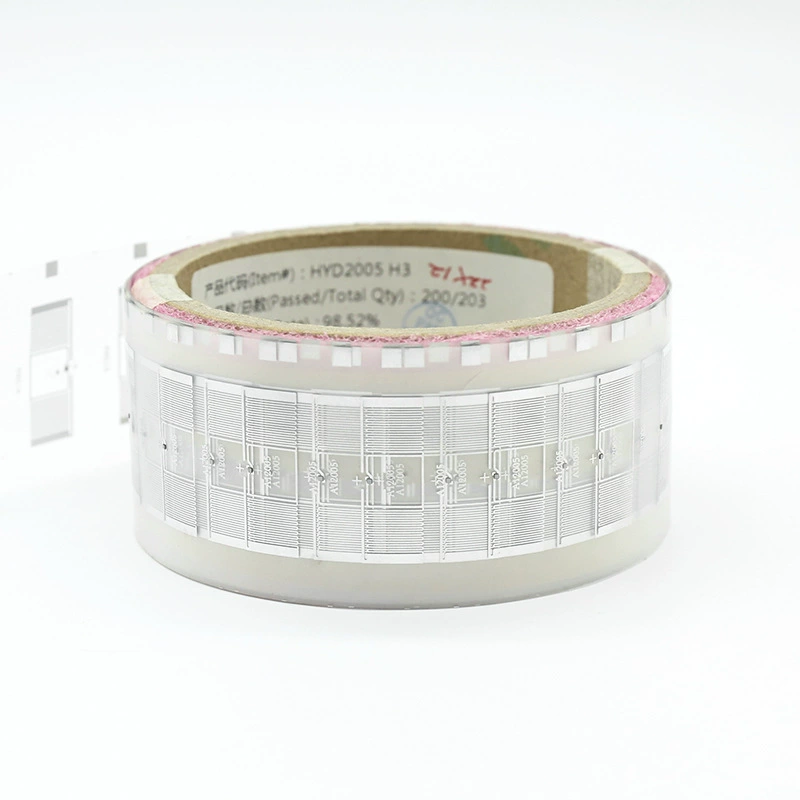 UHF dry inlays · Store catalog
Flexible Passive UHF RFID Dry Inlay
Construction: Dry inlay that can be rolled / Carrier frequency category: Listed under the UHF RFID category in the original attribute table.
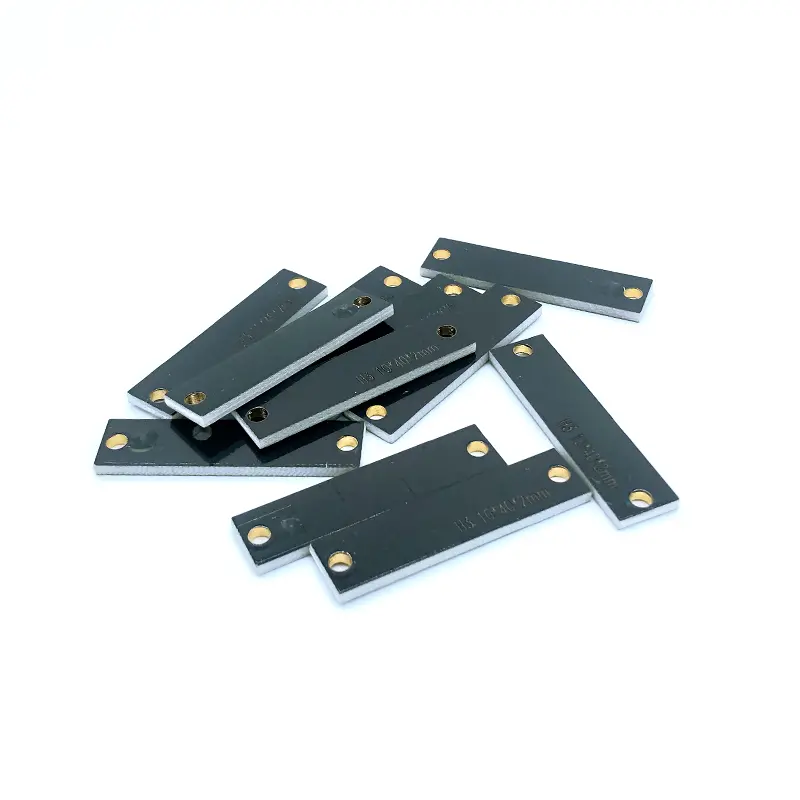 PCB on-metal tags · Store catalog
H3 PCB UHF On-metal Tag
Chip: H3 / Construction: PCB tag for mounting on metal
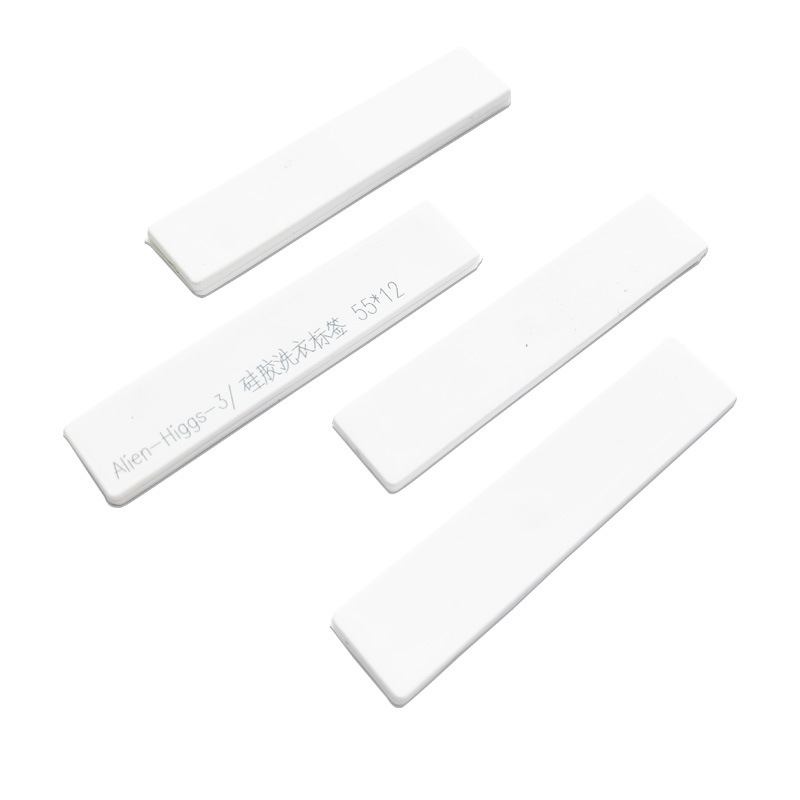 Laundry & linen tags · Store catalog
H3 UHF Hospital Laundry Tag
Chip: H3 / Application: Hospital laundry and asset management
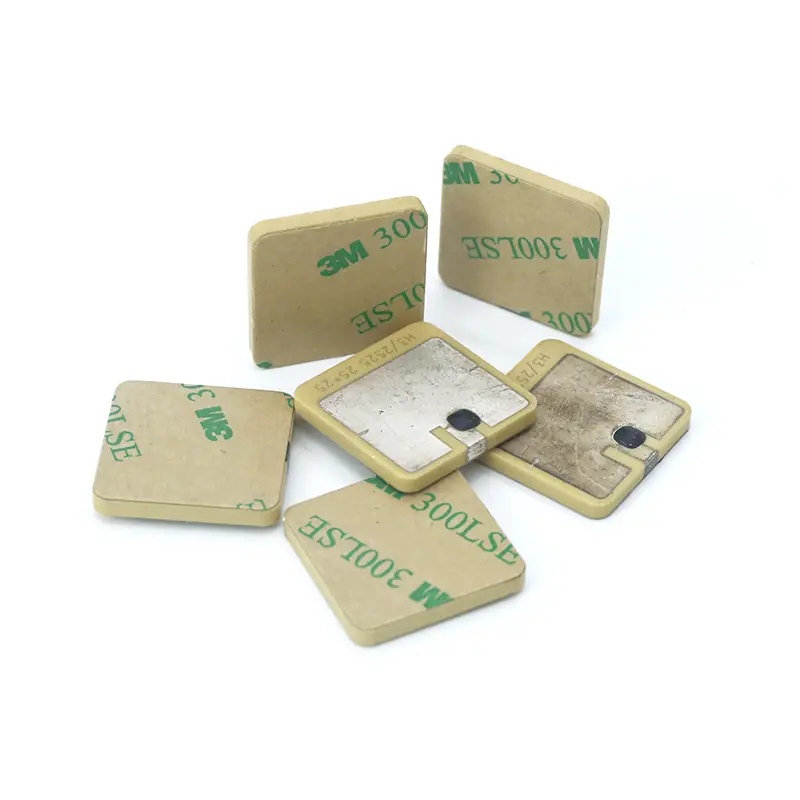 Ceramic on-metal tags · Store catalog
High-Temperature Ceramic UHF On-Metal Tag
Material: Ceramic on-metal construction / Technology: UHF RFID
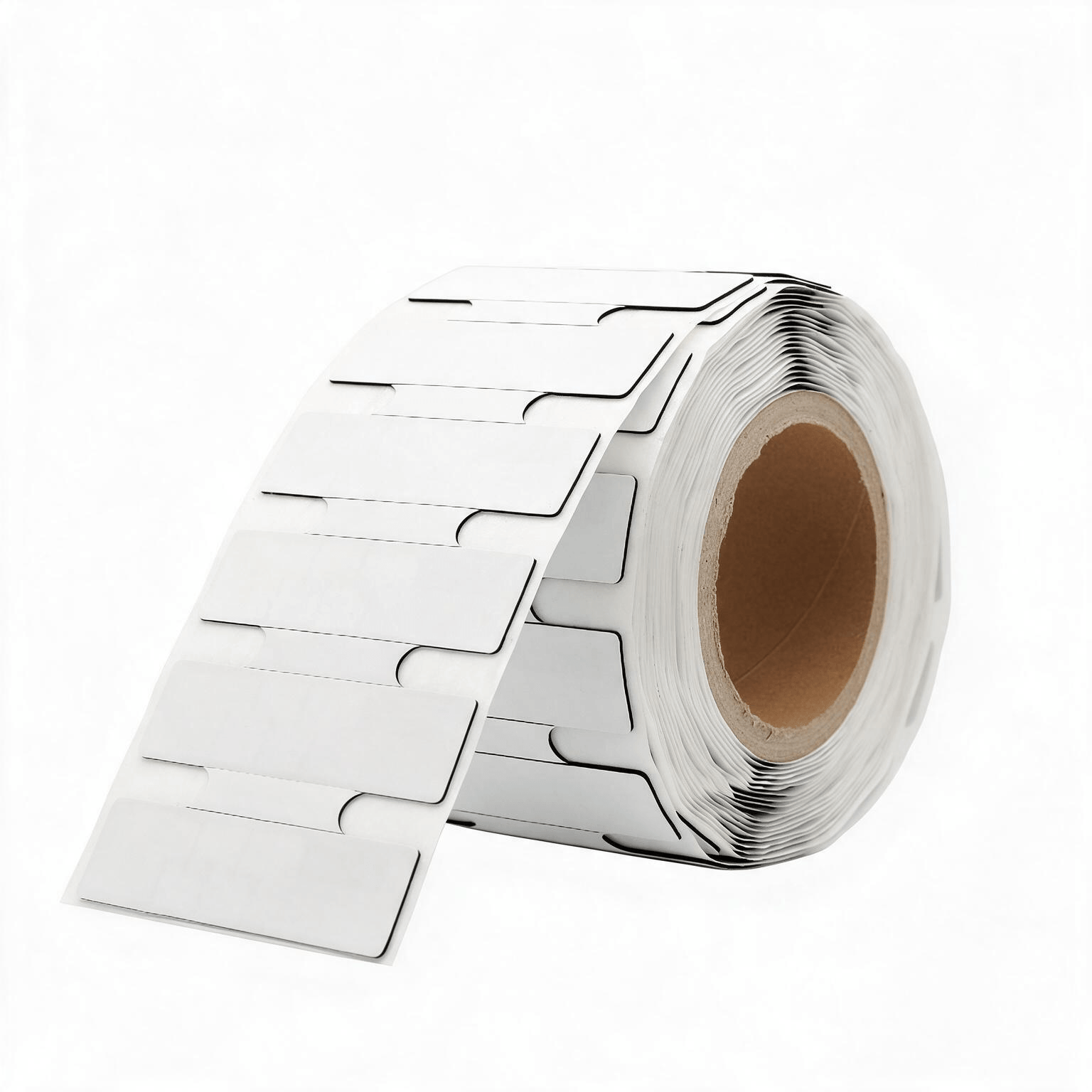 Flexible on-metal labels · Store catalog
MR6 Flexible On-metal Label
Chip: MR6 / Construction: Flexible, printable on-metal label
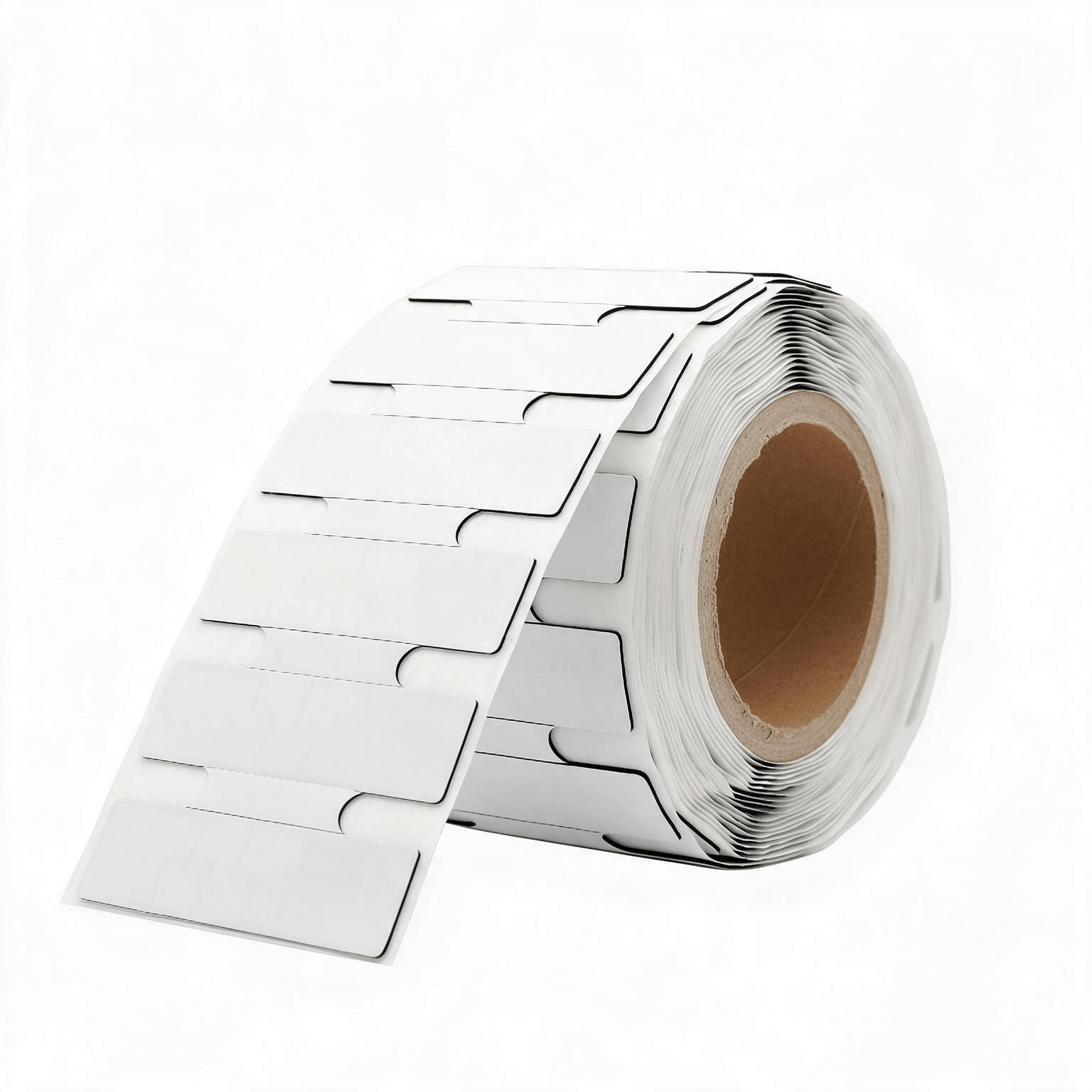 Flexible on-metal labels · Store catalog
Multi-size Printable UHF On-metal Label
Chip designations: Both the listing title and cover name MR6. The title also lists U9, while the cover lists U8. Confirm the second chip before ordering. / Construction: Flexible on-metal label
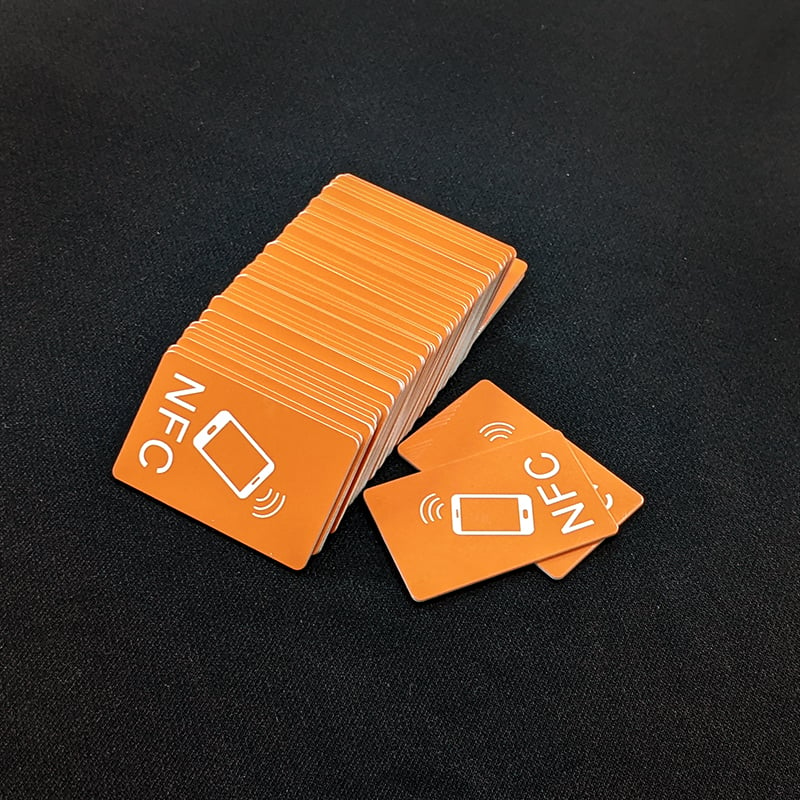 Vehicle key & charging cards · Store catalog
NFC Electric-vehicle Key Card
Existing non-standard sizes: The cover lists three existing compact card sizes: 50 × 30 mm, 45 × 22 mm and 50 × 22 mm. / Form: Nonstandard card
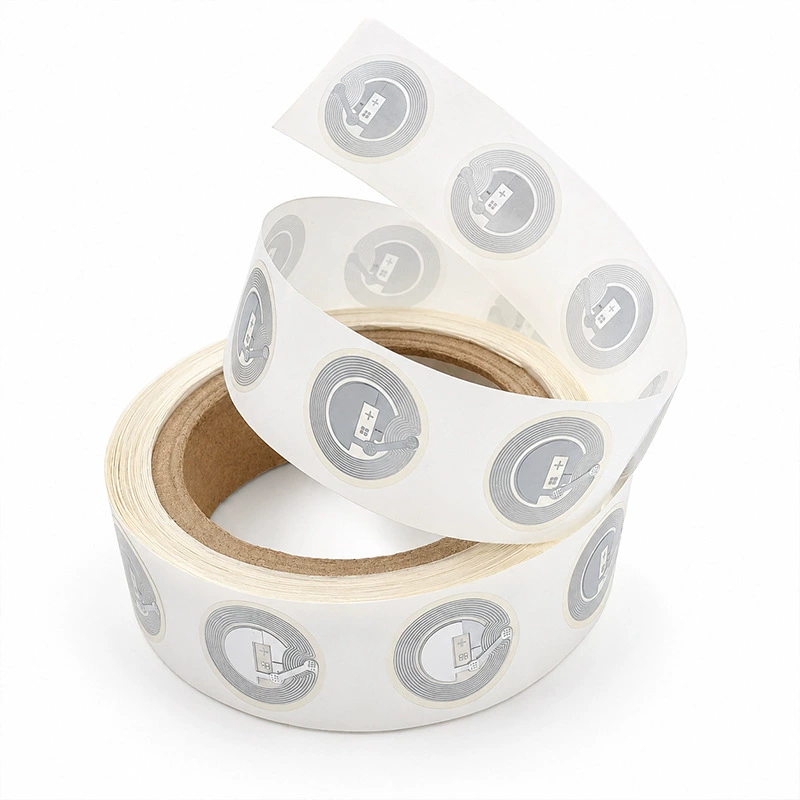 NFC stickers & tap labels · Store catalog
NFC213 Writable Wet Label
Pictured PVC chip-label note: One 25 mm PVC illustration pairs a 215 side caption with NTAG216-PVC label art; confirm the chip for each version. / Chip: NFC213
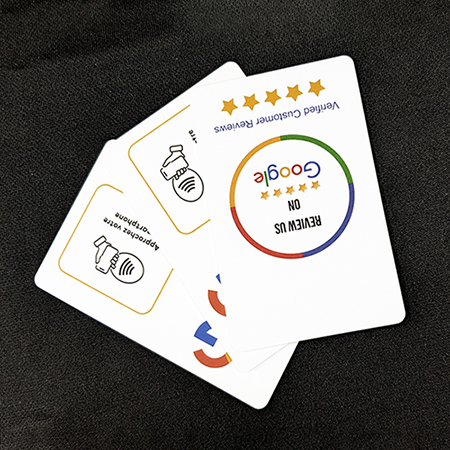 NFC business & review cards · Store catalog
NTAG213 / 215 Contact & Review Card
Listed chip designations: NTAG213 / 215 / Chip options: NTAG213 / NTAG215
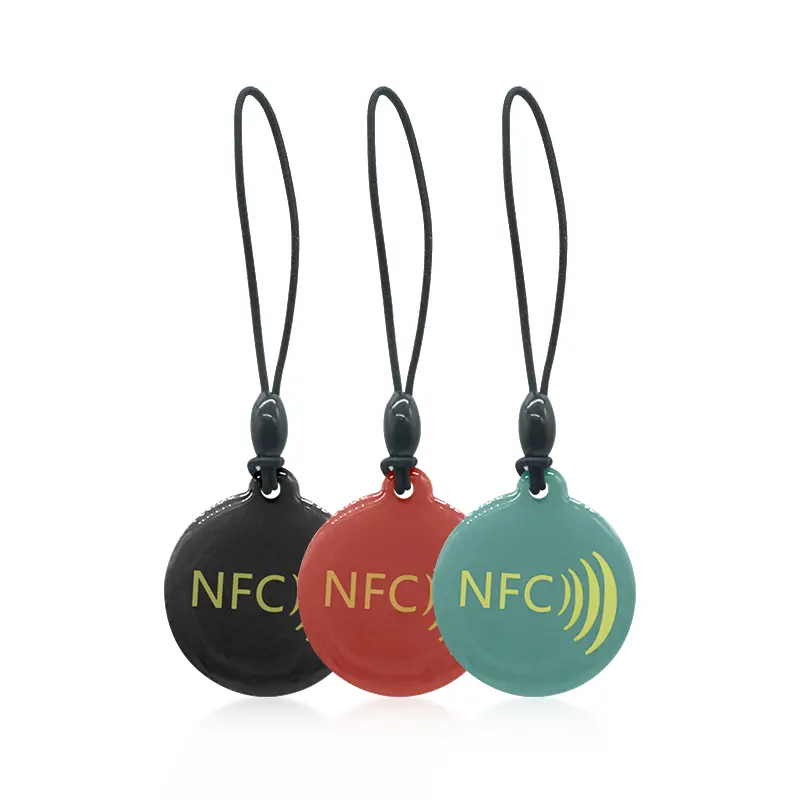 Epoxy key fobs · Store catalog
NTAG213 HF Epoxy NFC Access Key Fob
Chip: NTAG213 / Construction: Epoxy resin key fob
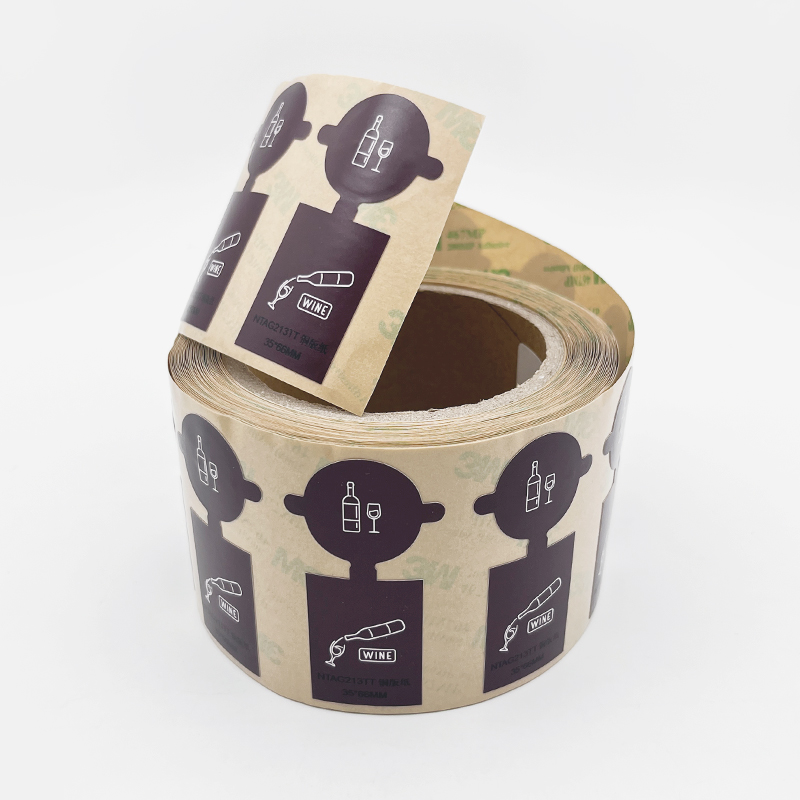 Tamper-evident & traceability labels · Store catalog
NTAG213TT Frangible Wine Label
Chip: NTAG213TT / Construction: Breakable label intended to deter transfer
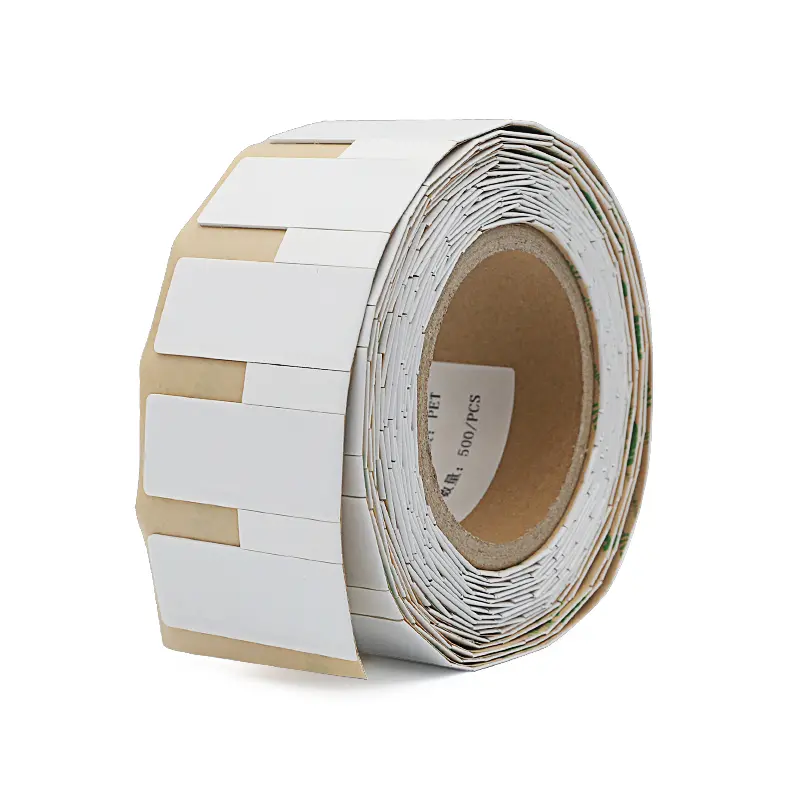 Flexible on-metal labels · Store catalog
Printable Flexible On-Metal Equipment Label
Construction: Printable flexible on-metal label / Frequency: Title names both HF and UHF; specify your reader band when ordering
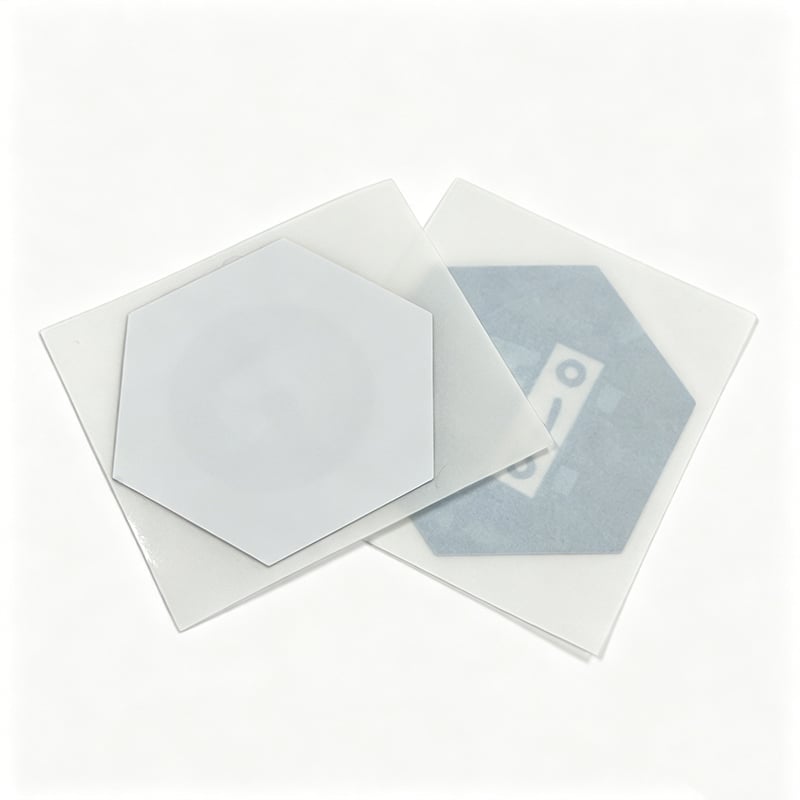 NFC stickers & tap labels · Store catalog
Read / Write NFC Shortcut Label
Chip families and surface protection: The cover lists 213, 215 and 216 chip options with water- and stain-resistant link labels. / Operation: Read and write
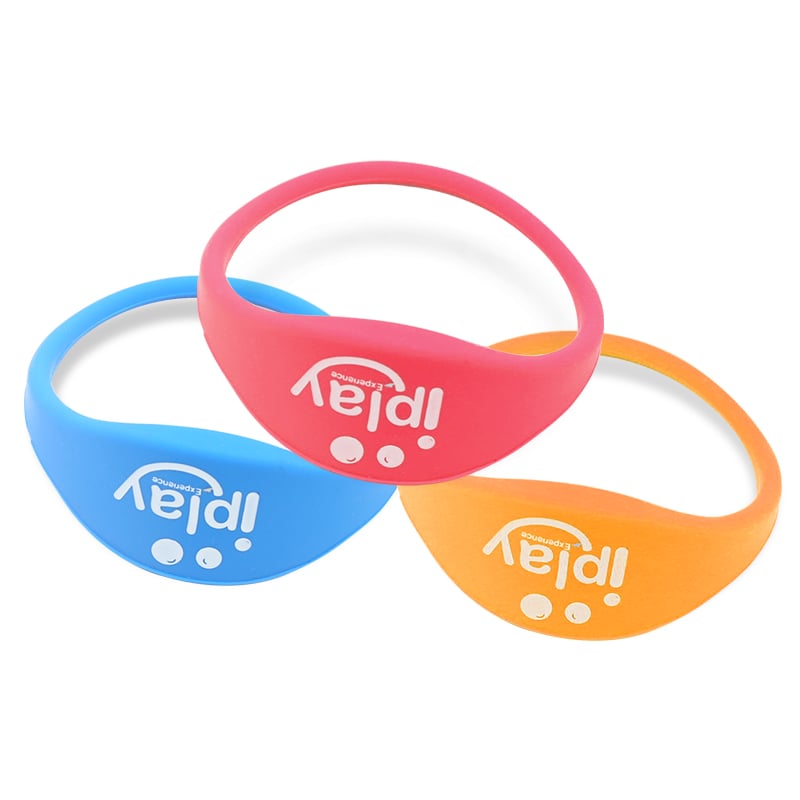 Silicone wristbands · Store catalog
Silicone NFC Sauna & Concert Wristband
Material: Silicone / Listed uses: Saunas and concerts
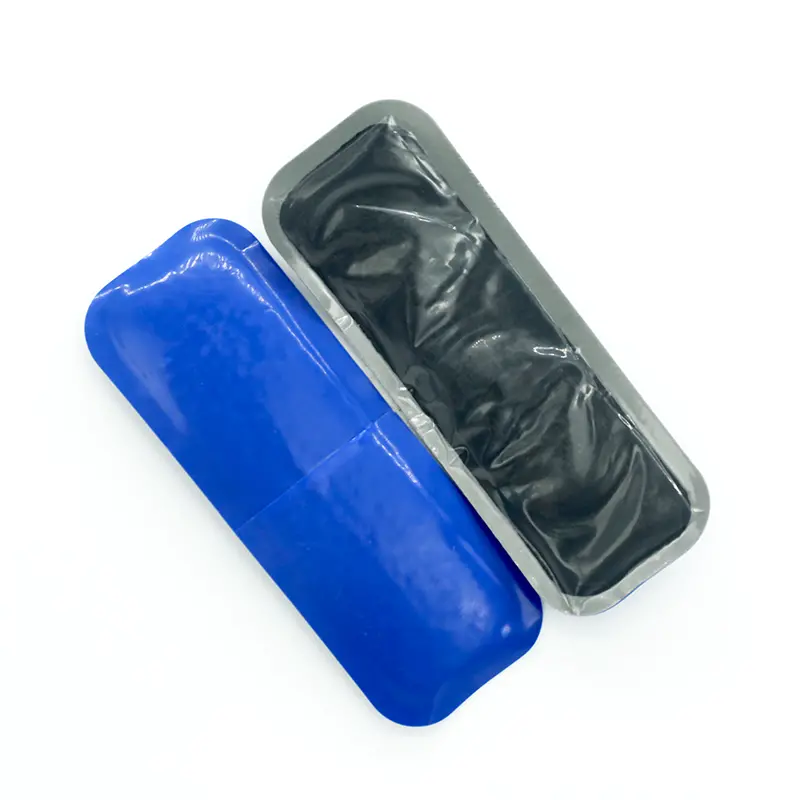 Tire tags · Store catalog
UHF High-Temperature Rubber Tire RFID Tag
Material: High-temperature rubber patch / Technology: Passive UHF RFID
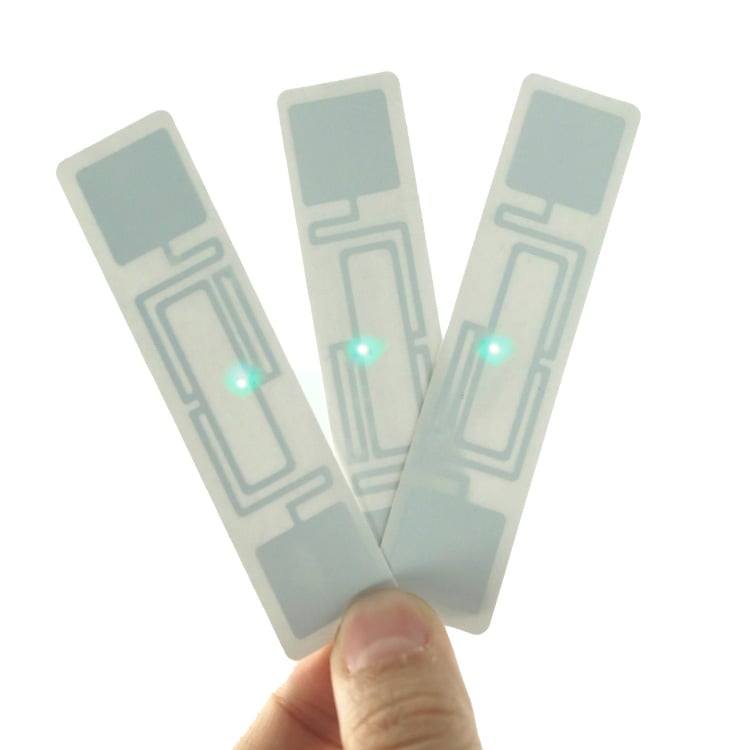 LED locator labels · Store catalog
UHF LED File-location Tag
Location aid: LED light / Application: Locating physical files
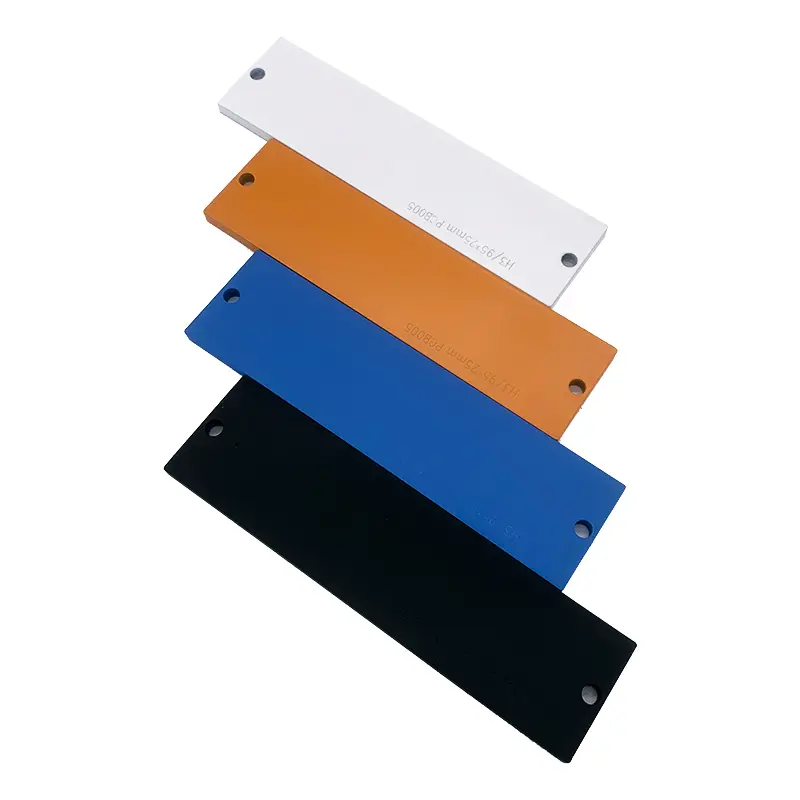 PCB on-metal tags · Store catalog
UHF PCB Power-Grid On-Metal Asset Tag
Construction: High-temperature PCB on-metal tag / Technology: UHF RFID
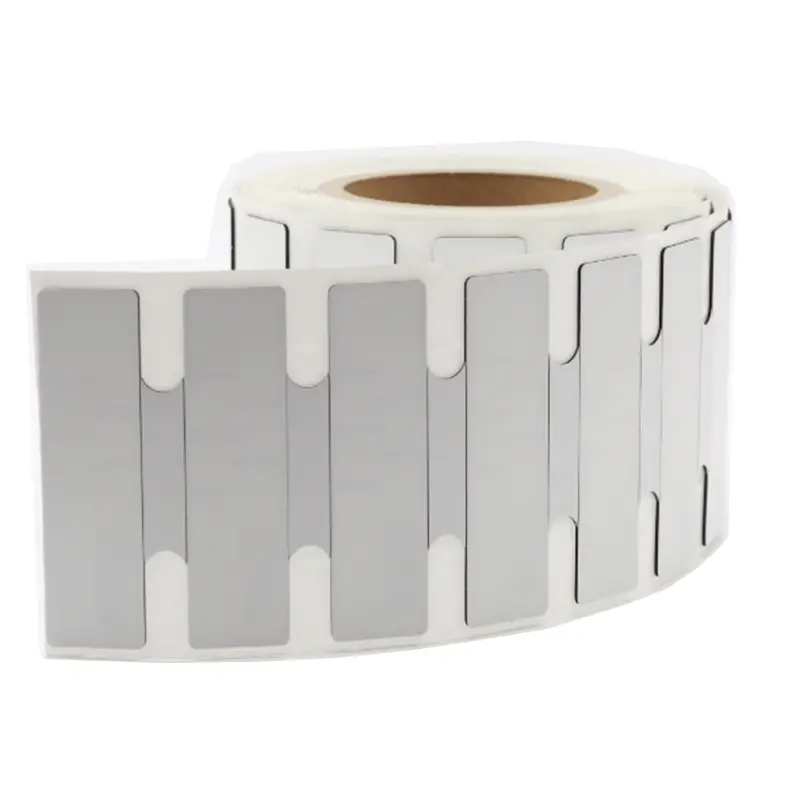 Flexible on-metal labels · Manufacturer reference
100 × 25 mm MR6 On-Metal Label
Chip: MR6 (Customized) ISO/IEC 18000-6C / Size: 100*25mm (Customized)
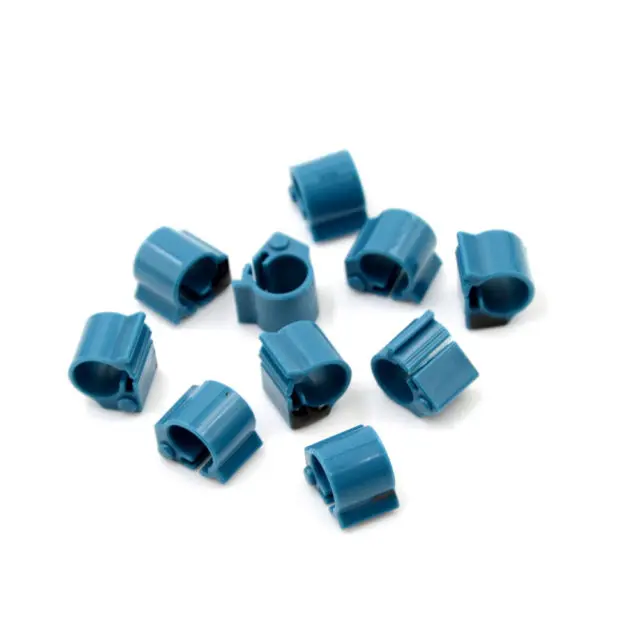 Poultry leg rings · Manufacturer reference
125 kHz Bird Leg Ring
Chip: EM4200 / Size: 12.35*13.6mm
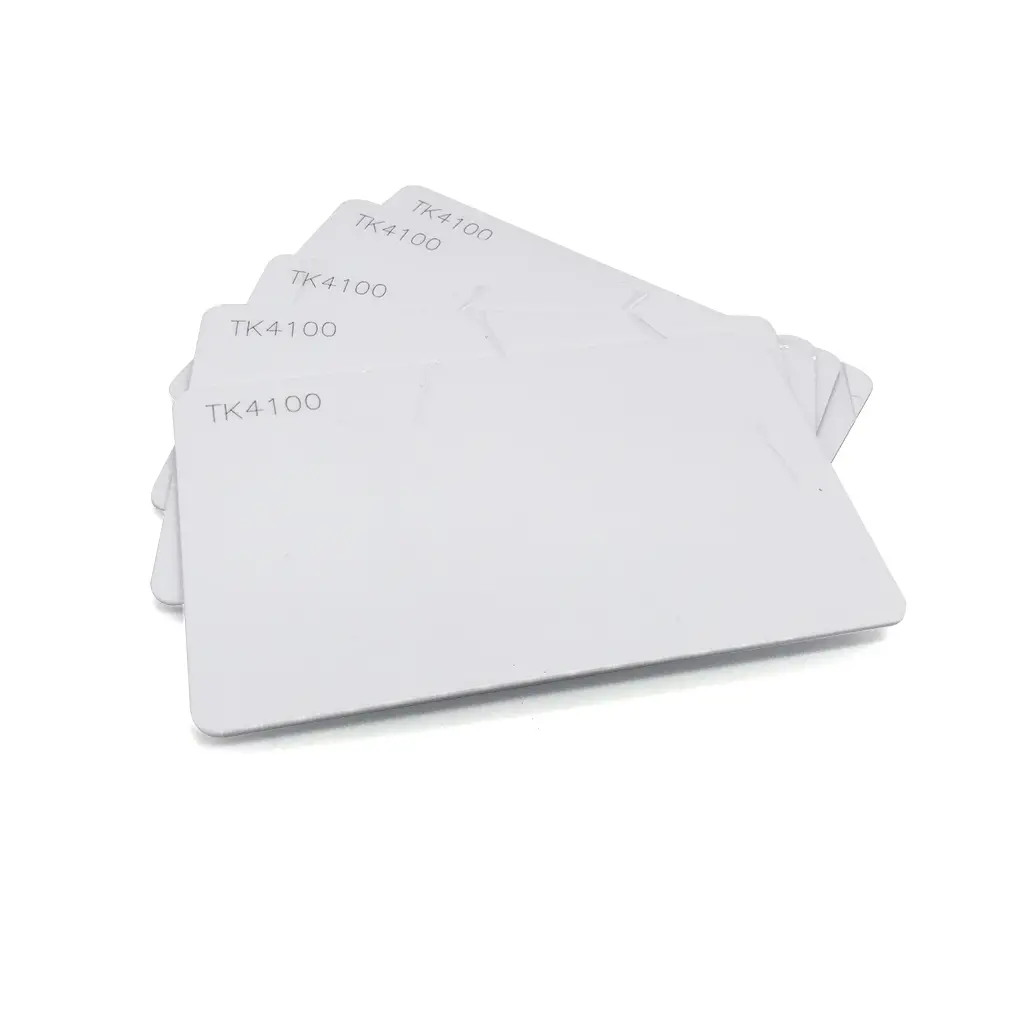 Low-frequency proximity cards · Manufacturer reference
125 kHz LF Access Card
Material: PVC / Chip options: Tk4100/T5577/EM4305
Direct Engineering Inquiry
Request UHF vs. HF/NFC vs. LF RFID comparison samples
Submit this short form directly on the page—no separate form page required.
Frequently asked selection questions
Can one single passive tag be read by both a UHF warehouse portal and a customer iPhone?
Only specialized dual-frequency combo tags integrating two separate inlays (UHF + NFC) allow both systems to interact with one label; standard single-chip tags operate strictly on their native band.
Are UHF frequencies identical worldwide?
No: regional regulations partition UHF into bands such as FCC (902–928 MHz) and ETSI (865–868 MHz). Paper wideband dipole inlays cover 860–960 MHz globally, while narrowband rigid on-metal PCB/ceramic tags are normally tuned per region.
Why do libraries still run 13.56 MHz instead of switching everything to UHF?
At 13.56 MHz (ISO 15693), self-checkout desks read a neat stack of books without capturing nearby shelves across the room.