Flexible on-metal
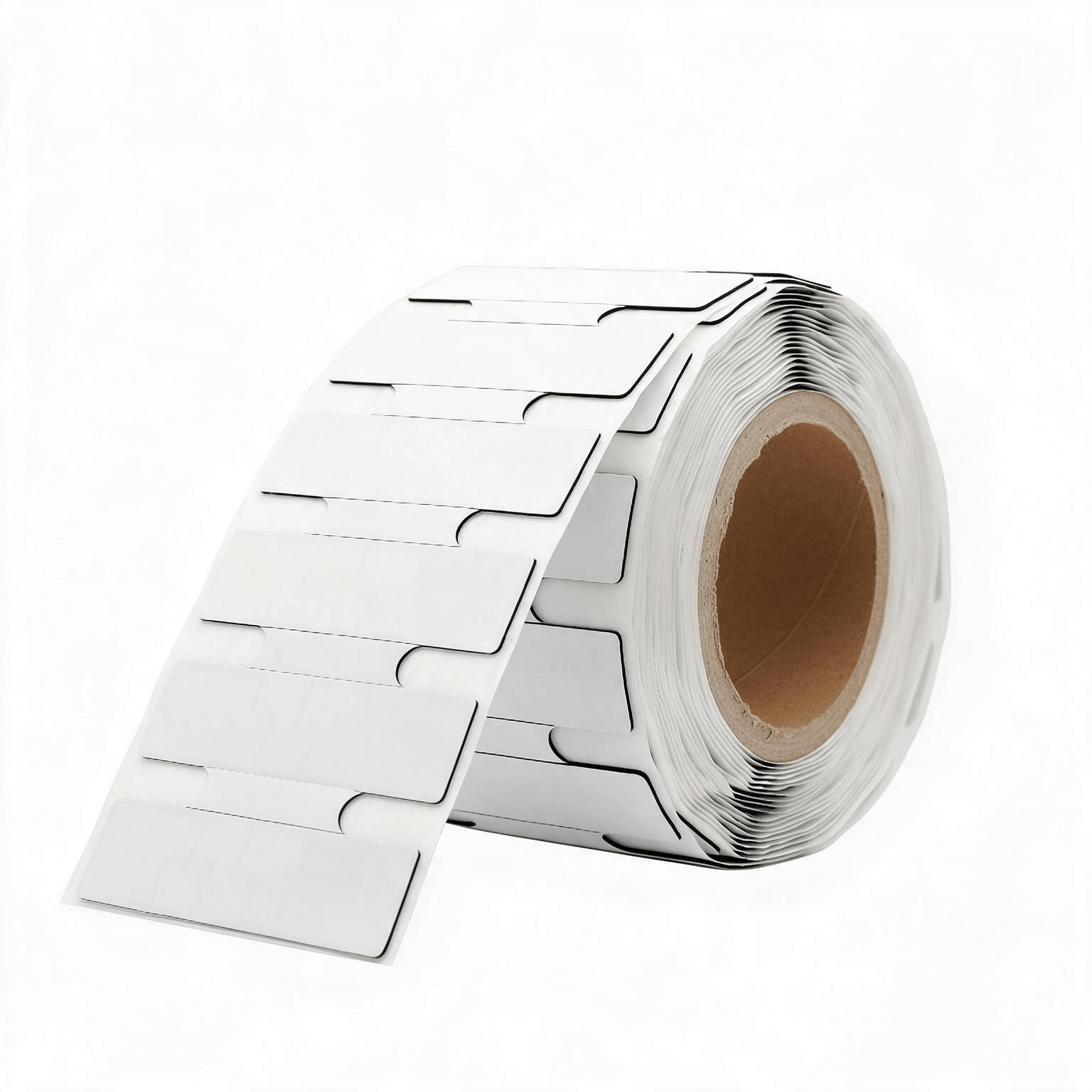
Multi-size Printable UHF On-metal Label
Thermal-transfer printable roll label with conformable metal-surface backing.
RFFab · 613 RFID & NFC Catalog Models
Source blank stock, custom-printed credentials, or pre-encoded transponders by chip and mounting surface—from high-temperature PCB on-metal tags and washable textile tags to wooden hotel cards and tamper-evident NFC seals.
8 Hardware Families
Select a product family to compare constructions, chip options, photographs, and model specifications.
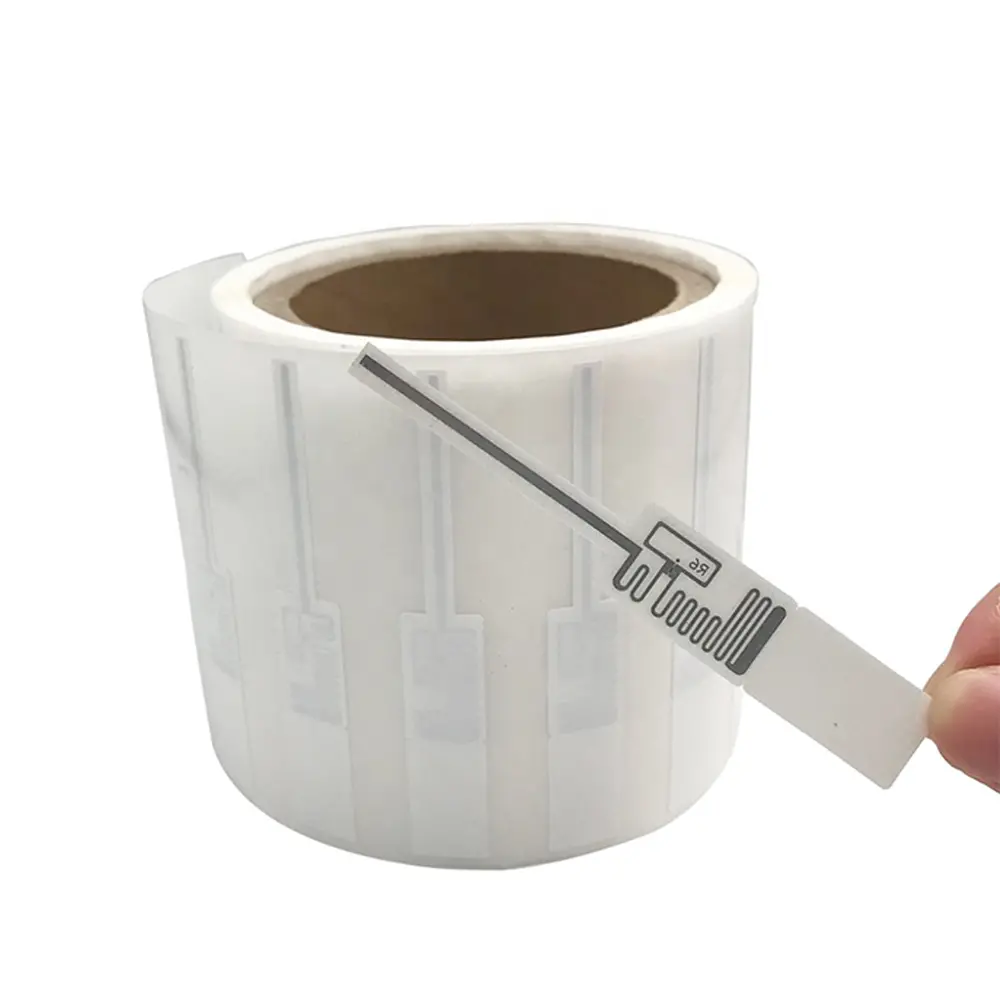 140 models
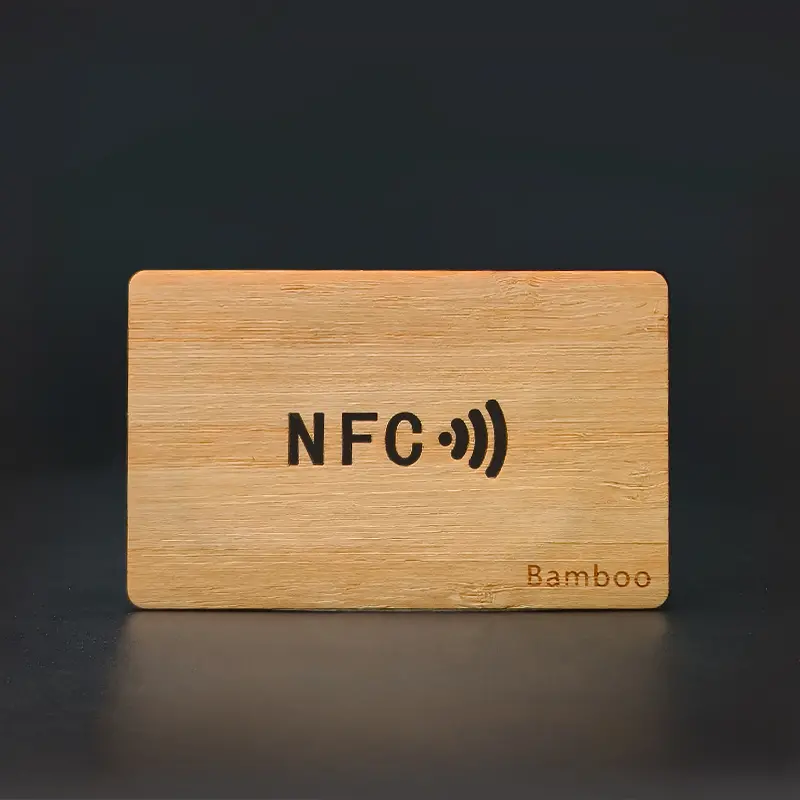
Library, apparel, windshield and tamper-evident labels
Browse product line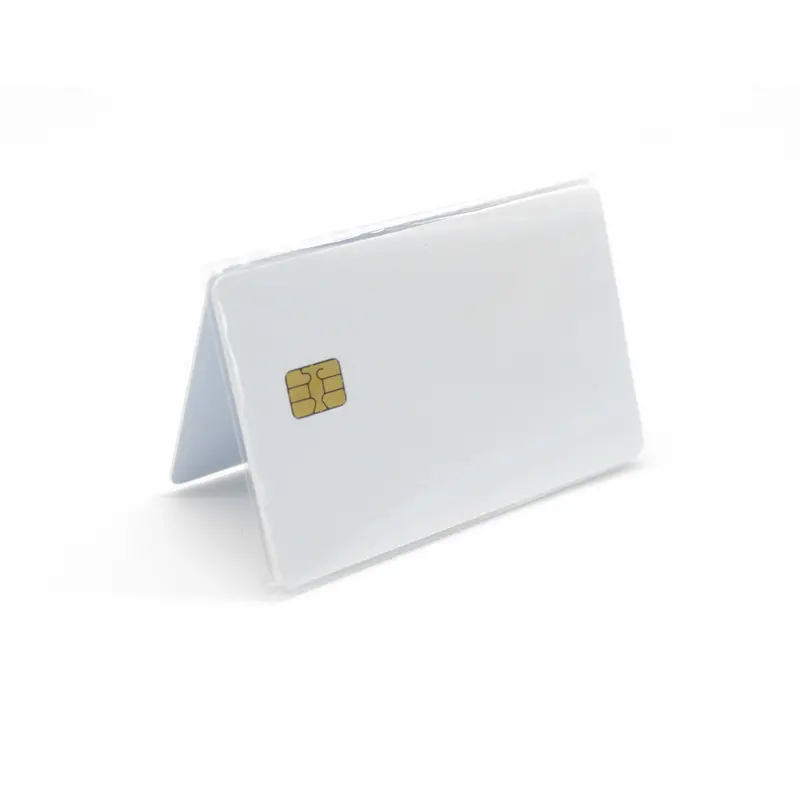 125 models
Hotel key cards, wooden credentials, contact cards and paper tickets
Browse product line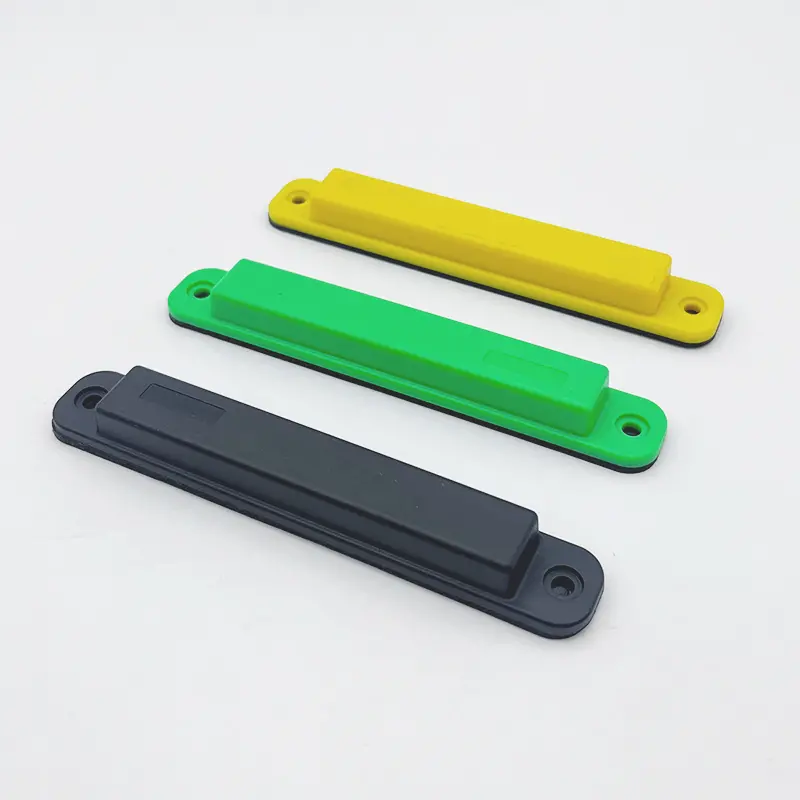 174 models
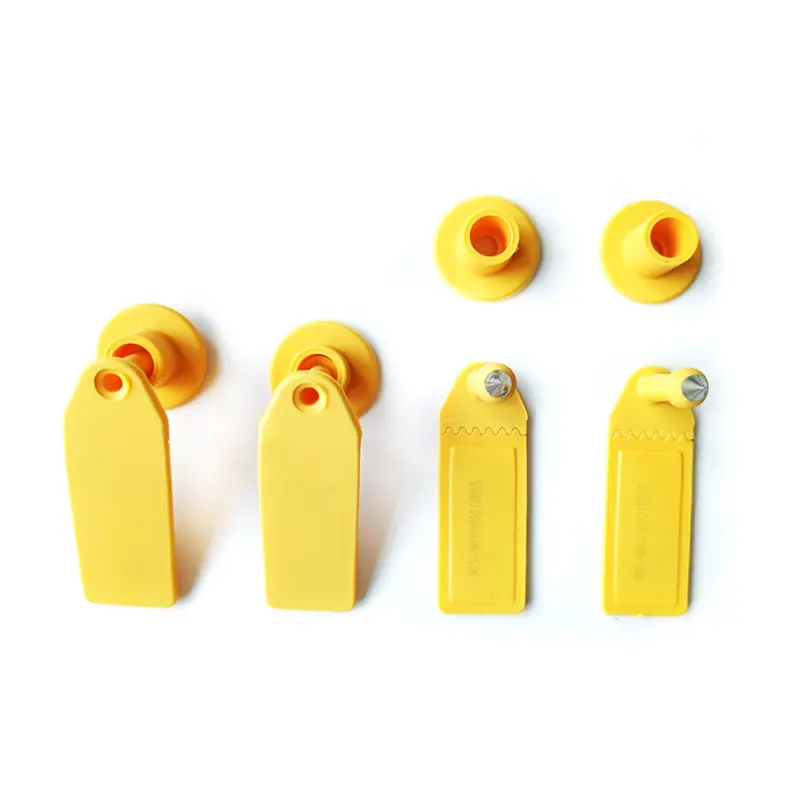
Laundry tags, livestock ear tags, cable seals and metal-mount tags
Browse product line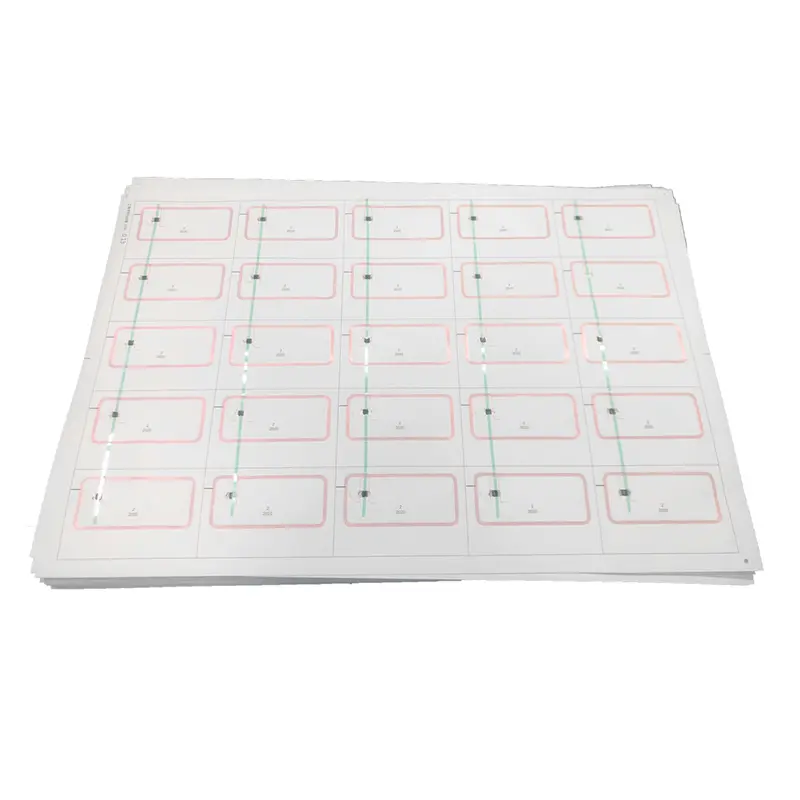 46 models
Card prelam sheets, HF antenna inlays and UHF dry or wet inlays
Browse product line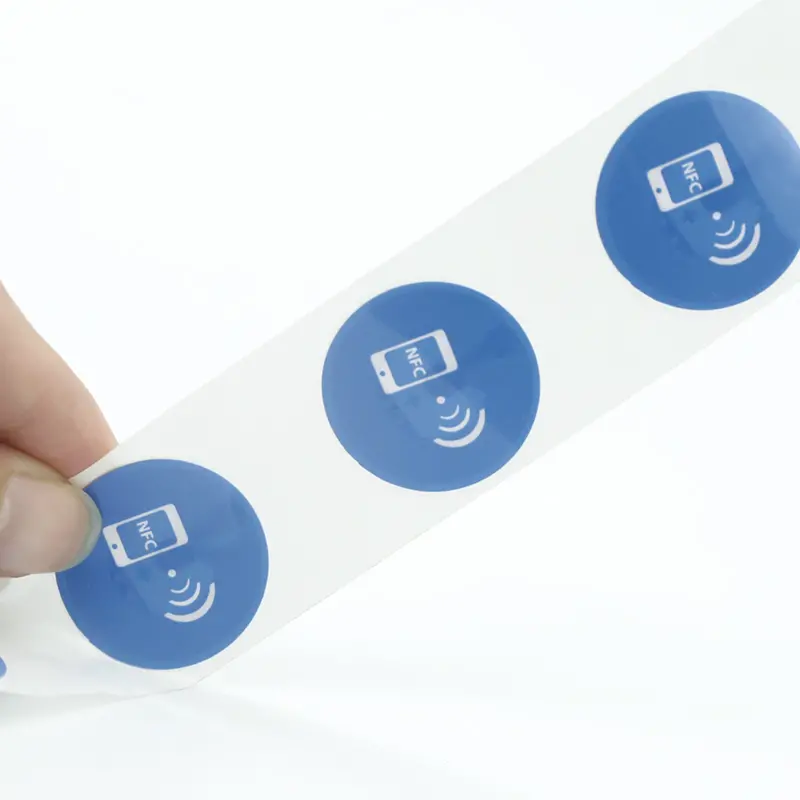 60 models
NFC stickers, embedded tags, cards and tap accessories
Browse product line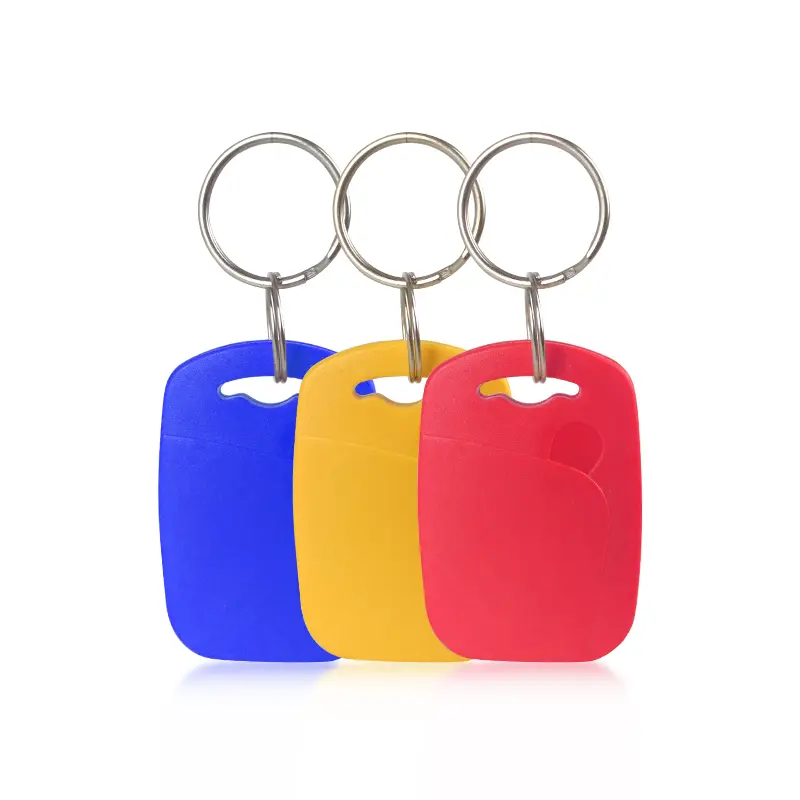 25 models
Moulded ABS access fobs, printed epoxy tags and wooden key fobs
Browse product line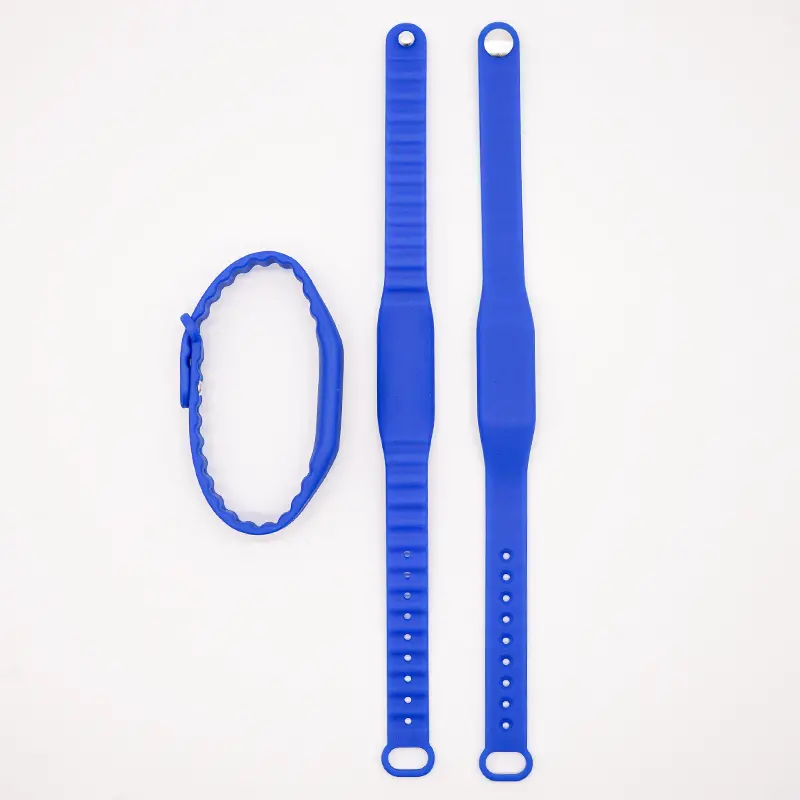 32 models
Silicone, woven and single-use wristbands
Browse product line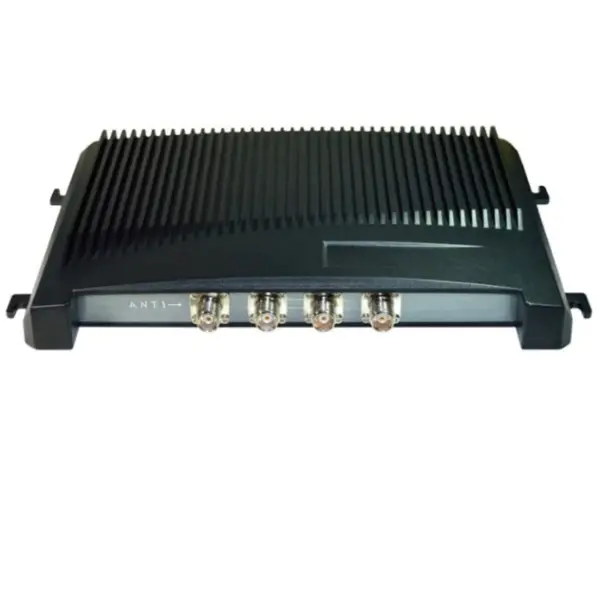 11 models
Handheld terminals, desktop NFC readers and fixed UHF readers
Browse product lineStorefront Showcase & Recent Launches
Core formats highlighted in the storefront showcase alongside recent functional additions across tamper-evident seals, textile laundry tags, LED locators and interactive NFC credentials.
Thermal-transfer printable roll label with conformable metal-surface backing.
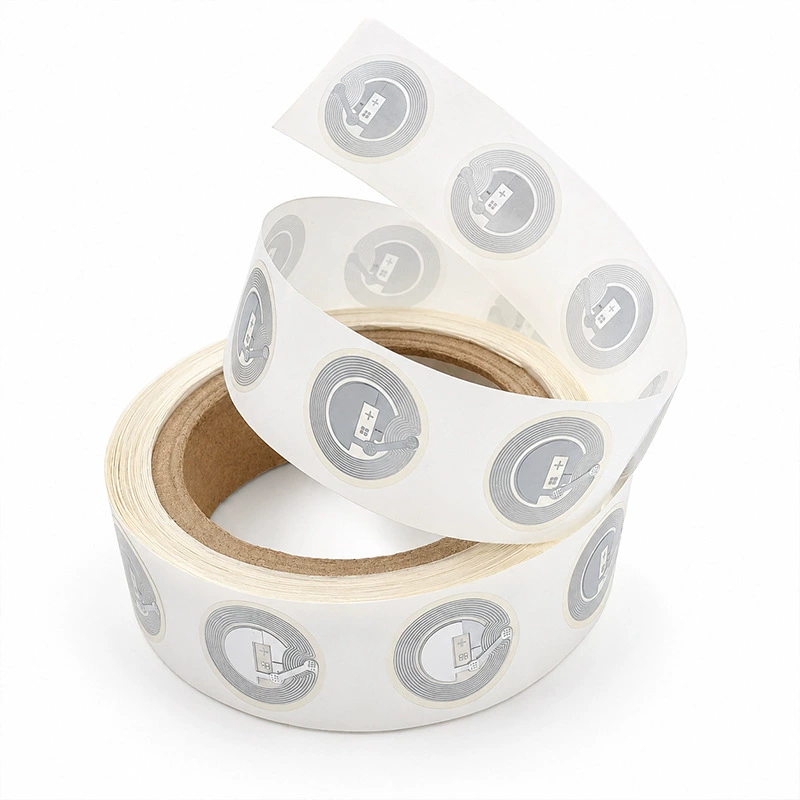
Clear adhesive wet label for URLs, tap shortcuts and multi-diameter runs.
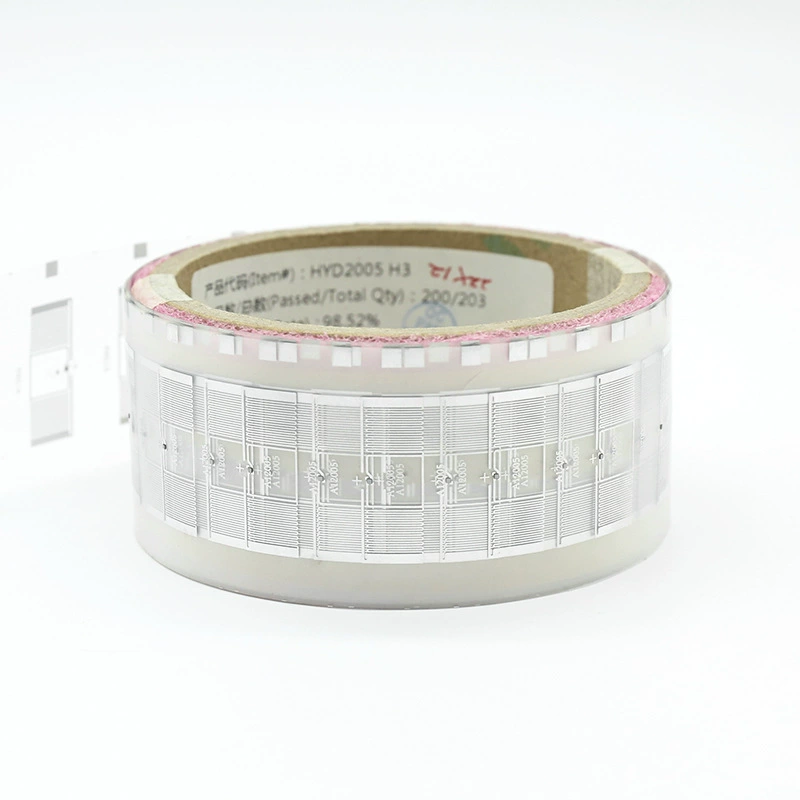
Etched-aluminum PET inlay for label converting and inventory systems.
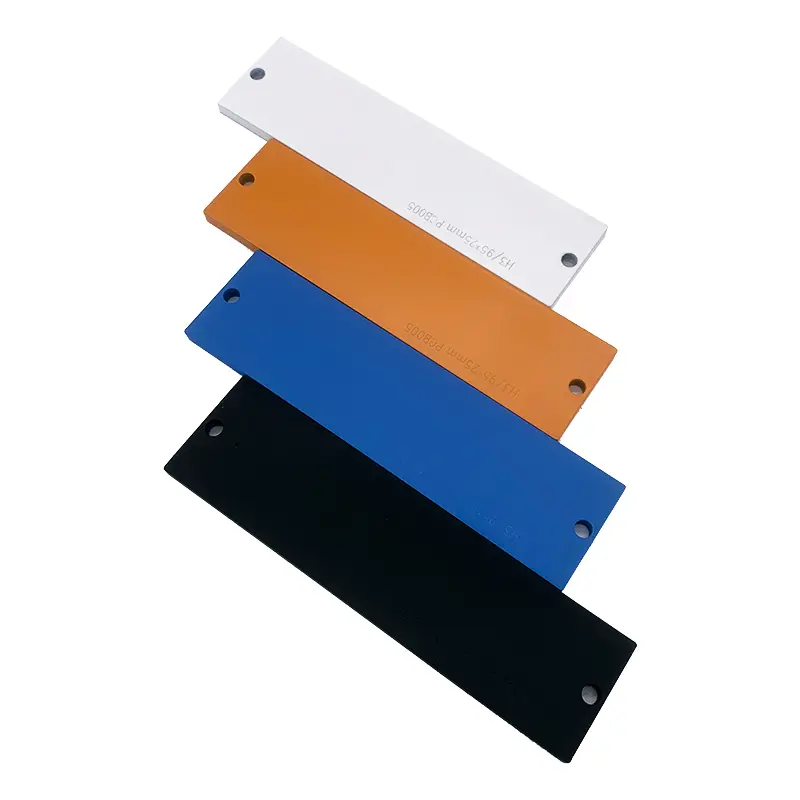
High-temperature rigid FR4 PCB tag for utility-grid and metal machinery assets.
Newer catalog releases grouped by the engineering problem they solve.
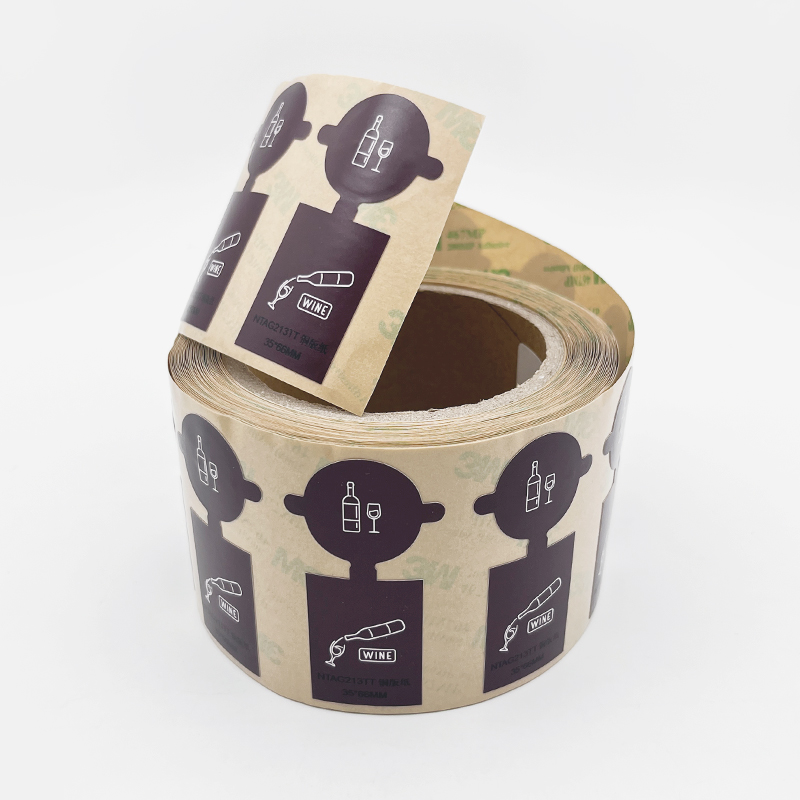
Frangible closure labels that change state or break cleanly upon opening for cosmetics and spirits.
Flexible textile UHF and HF laundry tags built for hotel towels, bedsheets and hospital linen sorting.
Passive UHF labels with an on-board LED that illuminates when addressed by a reader to pinpoint cables or files.
Tap-to-launch review cards, EV charger fobs, on-metal epoxy discs, pet collar tags and embedded collectible tags.
FDX-B and low-frequency EM4305 TPU ear tags for swine, sheep and cattle herd records.
Technical Selection Reference
Match your reader protocol, read-range requirement, and mounting substrate before selecting a transponder construction. Metal surfaces detune standard dipole inlays unless isolated with ferrite, FR4 PCB, ceramic, or foam spacers.
| Frequency Band | Air Interface / Standard | Catalog IC Examples | Typical Read Mode | Metal & Harsh-Surface Construction | Browse Models |
|---|---|---|---|---|---|
| LF 125 kHz / 134.2 kHz | ISO 11784 / 11785 (FDX-B), proximity access | TK4100, EM4200, EM4305, T5577 | Close proximity single-tag read; high tolerance near water & animal tissue | TPU ear tags, bioglass capsules, ABS key fobs, PVC access cards | EM4305 / FDX-B →TK4100 / T5577 → |
| HF & NFC 13.56 MHz (Proximity) | ISO/IEC 14443A, NFC Forum Type 2 & Type 4 | NTAG213 / 215 / 216, NTAG213TT, NTAG424 DNA, MIFARE Classic EV1, Ultralight, DESFire EV2/EV3, FM11RF08 | Intentional smartphone tap or lock/reader tap (typically 1–5 cm) | Ferrite-backed on-metal NFC stickers, epoxy doming, bamboo/wood & PVC cards, silicone wristbands | NTAG213 / 215 →MIFARE DESFire → |
| HF Vicinity 13.56 MHz (Library / Linen) | ISO/IEC 15693, NFC Forum Type 5 | ICODE SLIX, ICODE SLIX2 | Desk pad, self-check kiosk & sorting chute multi-item read | Archival paper/PET book spine & media labels, PPS laundry buttons, PVC cards | ICODE SLIX → |
| UHF (RAIN RFID) 860–960 MHz | ISO/IEC 18000-6C (18000-63), EPCglobal Gen2 | Impinj Monza R6 / M4QT, NXP UCODE 8 / UCODE 9, Alien Higgs-3 / Higgs-9 | High-speed bulk inventory, handheld & dock-door portal reading | FR4 PCB, high-temp ceramic, flexible printable ferrite, 5 mm EVA foam, woven/silicone laundry & vulcanized tire tags | R6 / M4QT →UCODE 8 / 9 → |
Application Shortlists & Guides
Start with your mounting environment or operational workflow—or compare competing chips and housings side by side.
How B2B Sampling & Quoting Works
Avoid mismatched chips or detuned antennas. Start with a physical sample test on your actual mounting surface and reader.
Pick any catalog model or tell us what you are tagging—metal equipment, plastic totes, glass bottles, hotel locks, linen, or livestock.
Browse by application sectorVerify read distance, adhesive or mechanical attachment, wash/heat exposure, and NDEF, UID, or EPC memory layout before committing.
Read RFID buying & testing guidesSupply vector artwork, barcode/laser numbering lists, and encoding rules for pre-production sign-off and roll, tray, or carton delivery.
Review custom RFID & convertingTechnical & Sourcing Answers
Match the transponder to your reader infrastructure and read-distance workflow: UHF RAIN RFID (860–960 MHz, ISO/IEC 18000-6C / EPC Gen2) suits multi-item bulk inventory, handheld scanning, and dock portals; HF / NFC (13.56 MHz, ISO/IEC 14443A or ISO/IEC 15693) suits intentional smartphone taps, hotel locks, transit cards, and library kiosks; LF (125 / 134.2 kHz) suits ISO 11784/11785 FDX-B animal identification and legacy proximity access.
Conductive metal surfaces reflect RF energy and detune standard paper or PET dipole inlays. On-metal transponders incorporate FR4 PCB substrates, ceramic cores, 5 mm EVA foam spacers, or flexible ferrite shielding layers so the antenna couples cleanly when mounted directly on steel, aluminum, tools, or racks.
RFFab supports three supply tiers across 613 catalog models: blank/standard stock inlays, cards, and tags; light customization including CMYK artwork printing, laser UID/serial engraving, barcode/QR printing, and EPC or NDEF memory pre-encoding; and custom antenna etching or housing tooling.
Open any catalog model and use its pre-linked sample or quotation action—the form automatically attaches the exact catalog reference and URL so you can specify your mounting surface, reader protocol, and target quantity without ambiguity.