PPS Buttons vs. Silicone vs. Woven Textile RFID Laundry Tags Compared
Commercial hospital laundries, hotel linen pools and uniform rental plants put tags through alkaline detergents, high-G extractor presses and flatwork ironers. Choosing between rigid PPS buttons, flexible silicone pouches and woven textile labels depends on garment weight, attachment method and whether inventory is counted in bulk UHF cages or HF sorters.
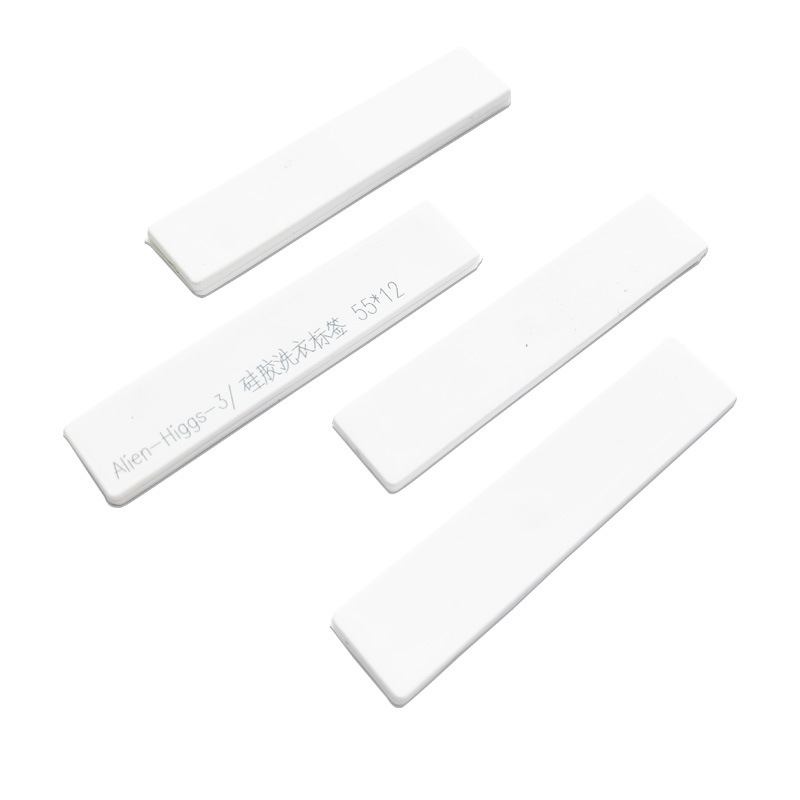
Side-by-side specification matrix
| Laundry Tag Type | Attachment Method | Ironing & Extractor Press Behavior | Typical Linen & Garment Fit |
|---|---|---|---|
| Rigid PPS Button | Sewn into hem, heat-sealed pocket or threaded onto buttonholes | High heat stability; rigid disc can mark thin cloth under heavy flatwork calenders unless recessed | Heavy workwear, industrial mats, mop heads & structured uniforms |
| Soft Silicone Flexible Tag | Sewn inside hems/seams or heat-transfer pocket | Cushions pressing rolls without cutting delicate fabrics; waterproof sealing | Hotel terry towels, bathrobes, coveralls & healthcare scrubs |
| Woven Polyester Textile Label | Heat-sealed (patch adhesive) onto flat fabric or stitched along seams | Ultra-thin flat profile feeds smoothly through automated folder/mangle rollers | Flat hotel bed sheets, tablecloths, hospital gowns & bulk rental linen |
Passing flatwork ironers without garment impressions
Hospital bed sheets and hotel linens travel between heated compression rollers (calenders). Thin woven textile RFID labels lie nearly flat so they feed cleanly without bruising fibers, whereas thicker PPS discs suit hems, mops and thick work jackets.
UHF cart counting vs. HF station identification
Most commercial laundry plants deploy UHF (860–960 MHz, such as H3 or U8/U9) inside fabric and silicone laundry tags so soiled bags and clean roll cages can be counted simultaneously through linen tunnels. Smaller garment systems occasionally select 13.56 MHz HF (ICODE SLIX/F08) inside PPS buttons.
Testing full tunnel-wash chemistry before rollout
Because extraction bar pressures, bleach/peroxide dosing and heat-press glue times differ across every commercial facility, evaluating physical samples through real wash-extract-iron cycles protects against premature seam separation.
Representative models (24 shown)
- Laundry & linen tags · Store catalog
H3 UHF Hospital Laundry Tag
Chip: H3 / Application: Hospital laundry and asset management
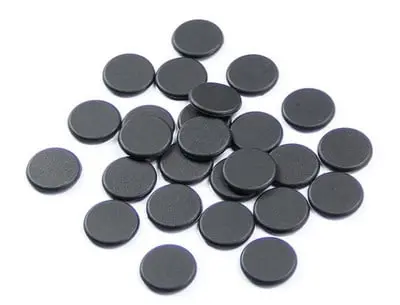 Laundry & linen tags · Manufacturer reference
125 kHz RFID Laundry Coin
Chip: EM4305 (Customized) / Size: 24mm diameter (Customized)
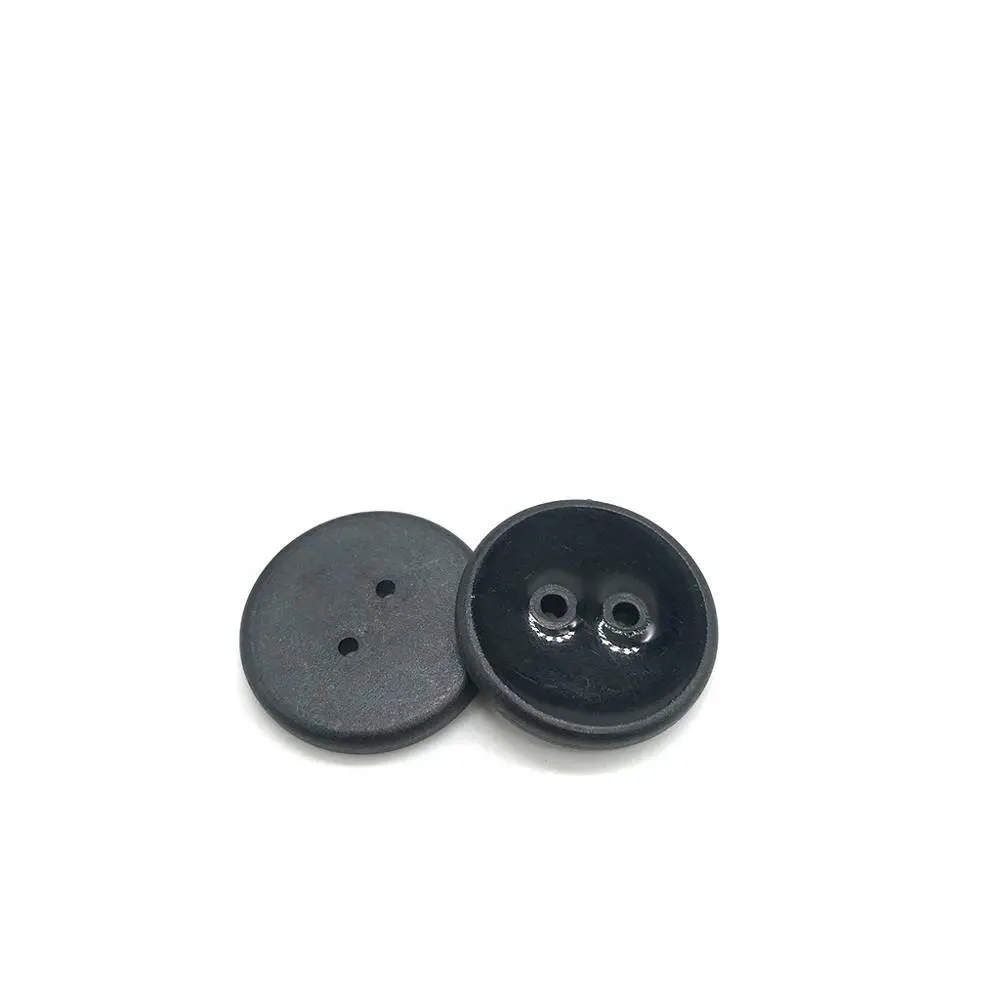 Laundry & linen tags · Manufacturer reference
860–960 MHz PPS Laundry Tag
Chip: Alien H3 / Frequency: 860-960mhz
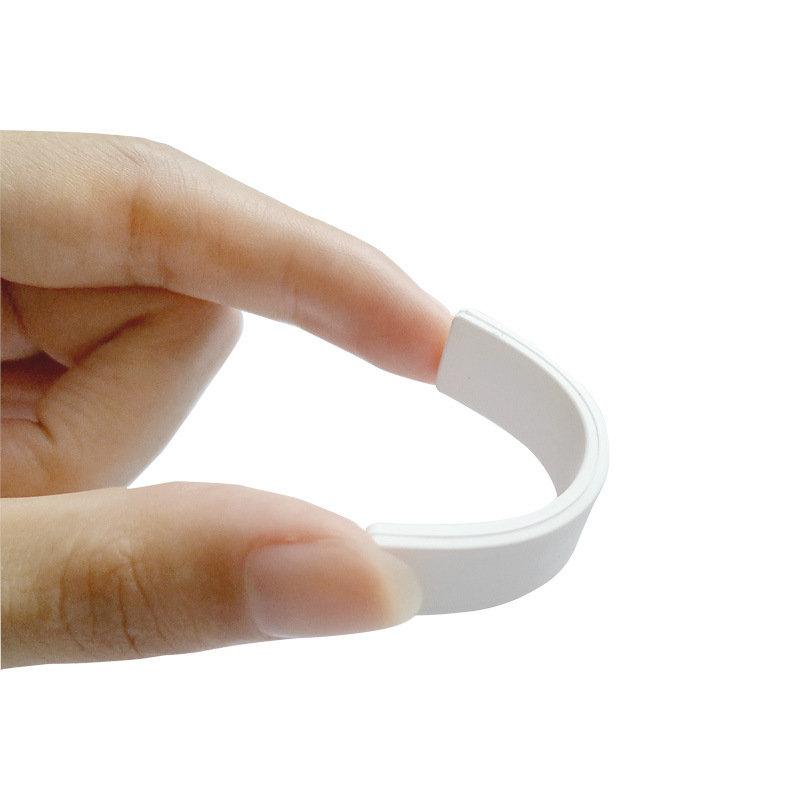 Laundry & linen tags · Manufacturer reference
H3 UHF Laundry Tag
Chip: H3 / Operating frequency: 860–960 MHz (UHF)
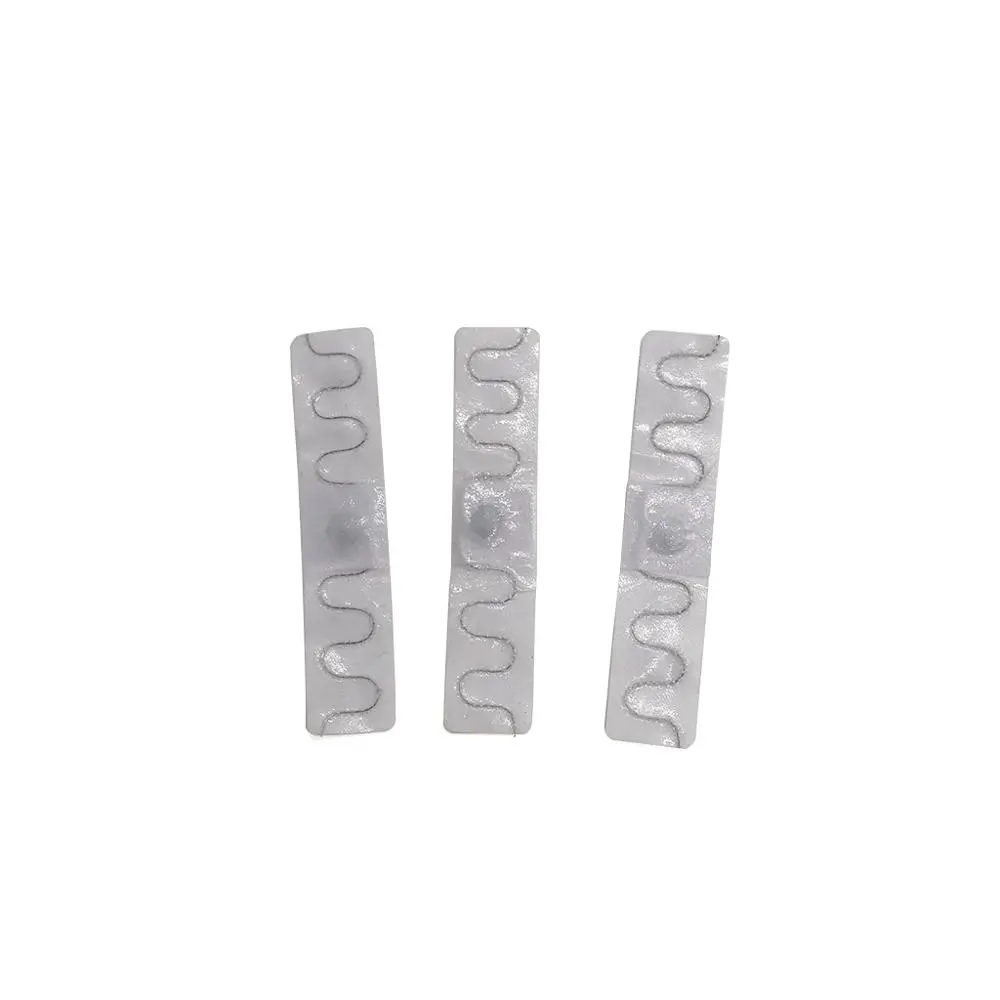 Laundry & linen tags · Manufacturer reference
Heat-Seal UHF Laundry Label
Chip: UCODE 7M (Customized) / Size: 70*15mm (Customized)
- Laundry & linen tags · Manufacturer reference
Heat-Seal UHF Textile Laundry Tag
Chip: UCODE 7M (Customized) / Size: 70*15mm (Customized)
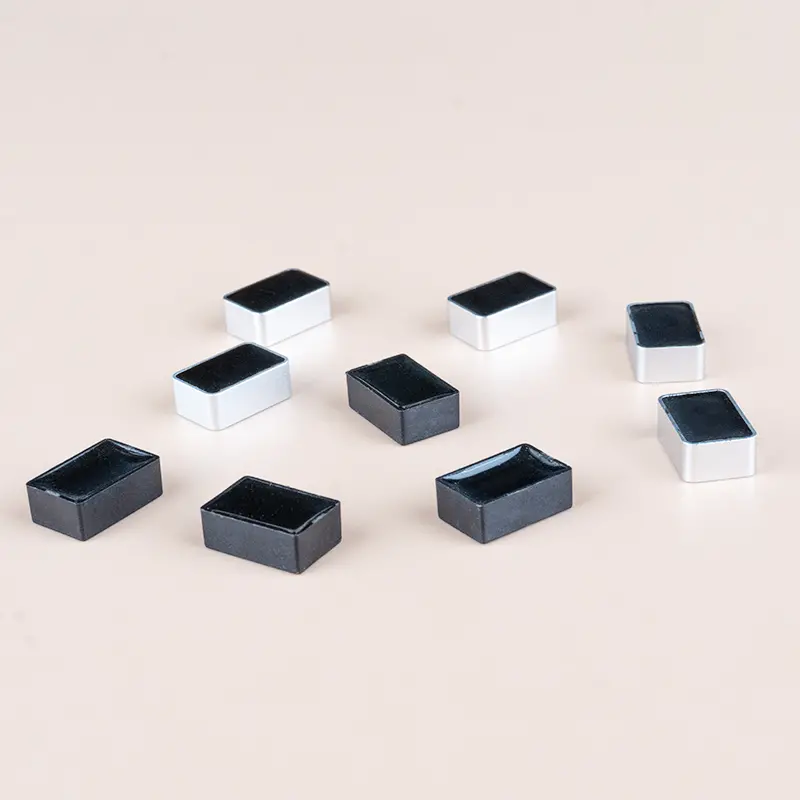 On-metal hard tags · Manufacturer reference
HF On-Metal Industrial Tag
Material: PPS / Chip: Icode slix/MB89R118C
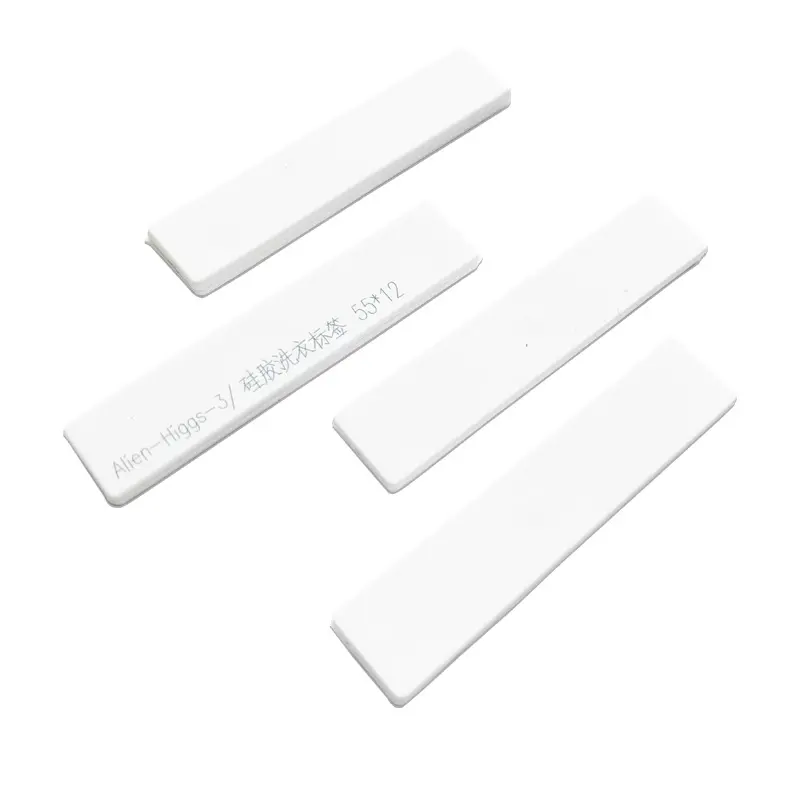 Laundry & linen tags · Manufacturer reference
Higgs 3 UHF Laundry Tag
Chip: H3 (Customized) / Size: 55*12mm (Customized)
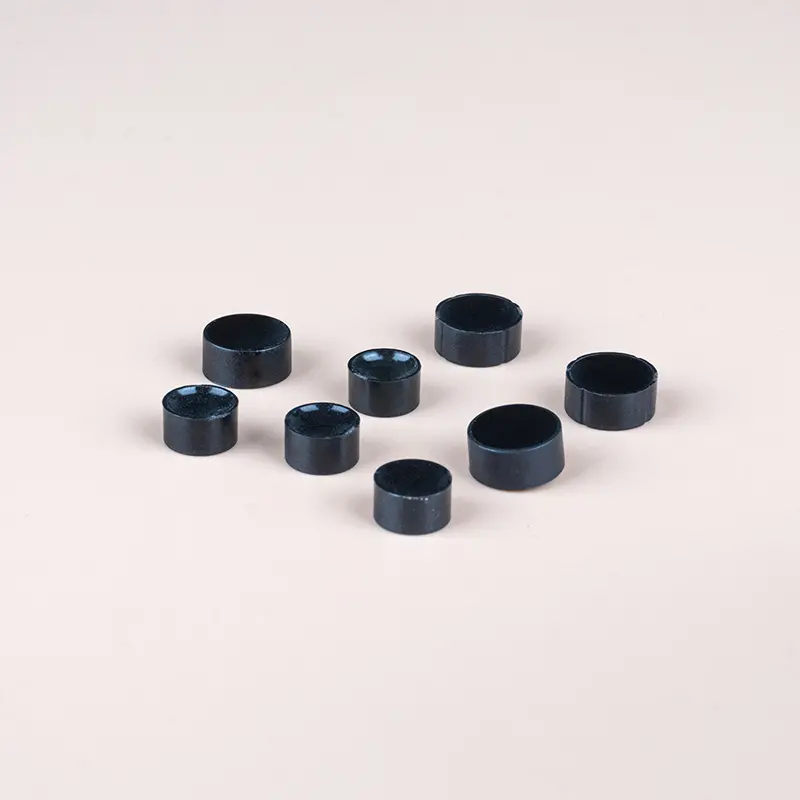 Industrial asset and carrier tags · Manufacturer reference
ICODE SLIX Carrier Tag for Molds and Fixtures
Material: PPS / Chip: Icode slix/MB89R118C
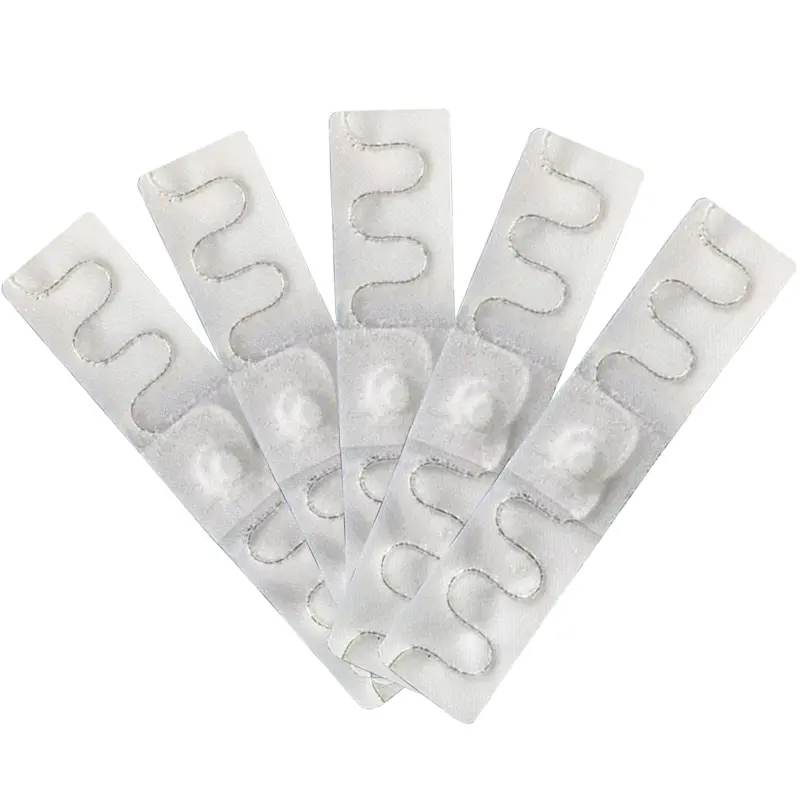 Laundry & linen tags · Manufacturer reference
Nylon UHF Laundry Tag
Chip: UCODE 7M / Material: Nylon
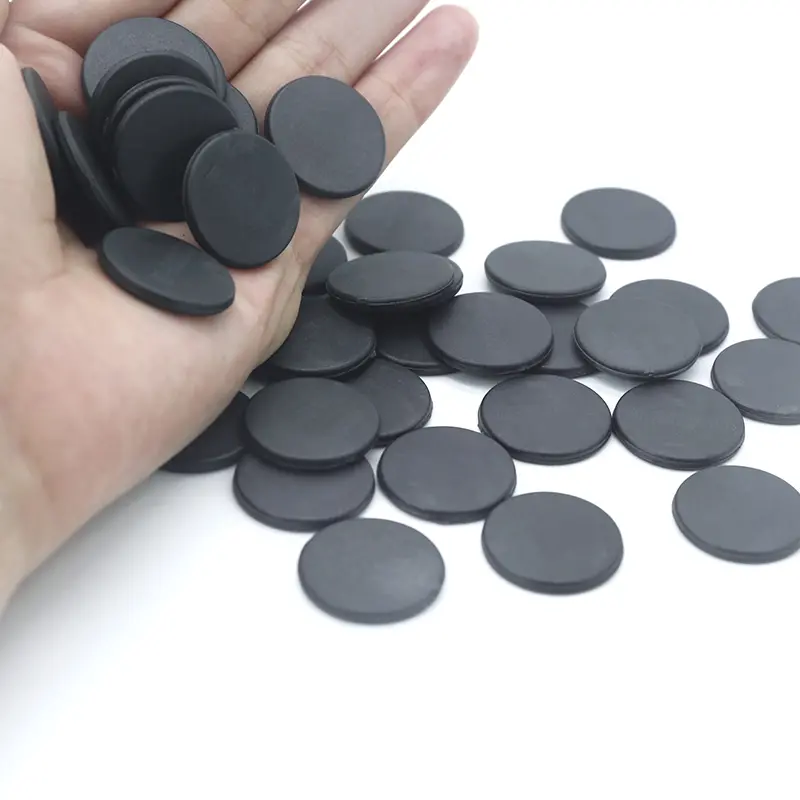 Laundry & linen tags · Manufacturer reference
PPS RFID Laundry Disc
Chip: S50 (Customized) / Material: PPS
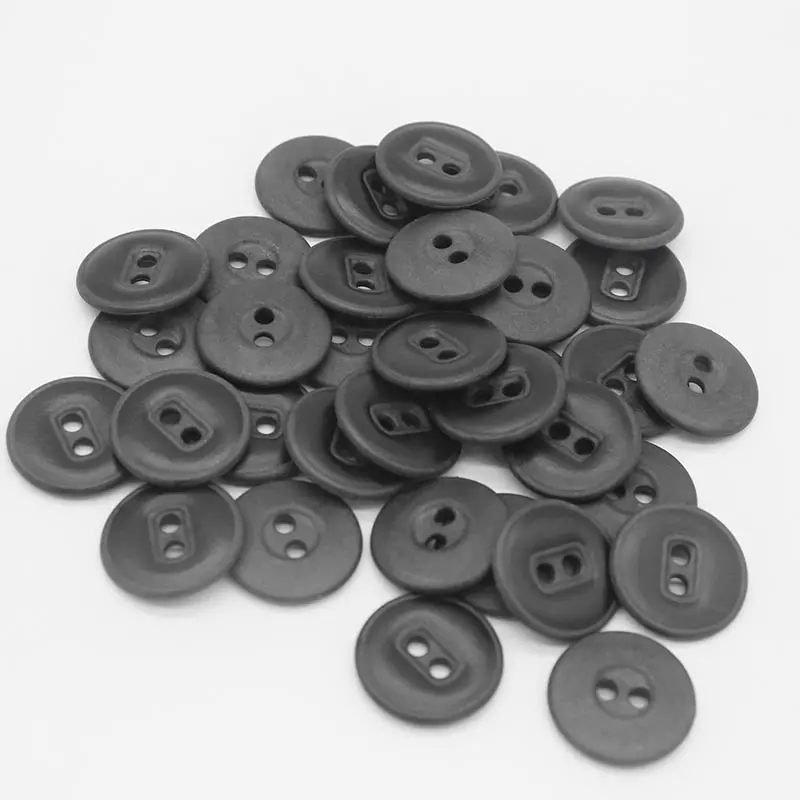 Laundry & linen tags · Manufacturer reference
PPS RFID Laundry Tag
Size: 18mm diameter (Customized) / Material: PPS+epoxy
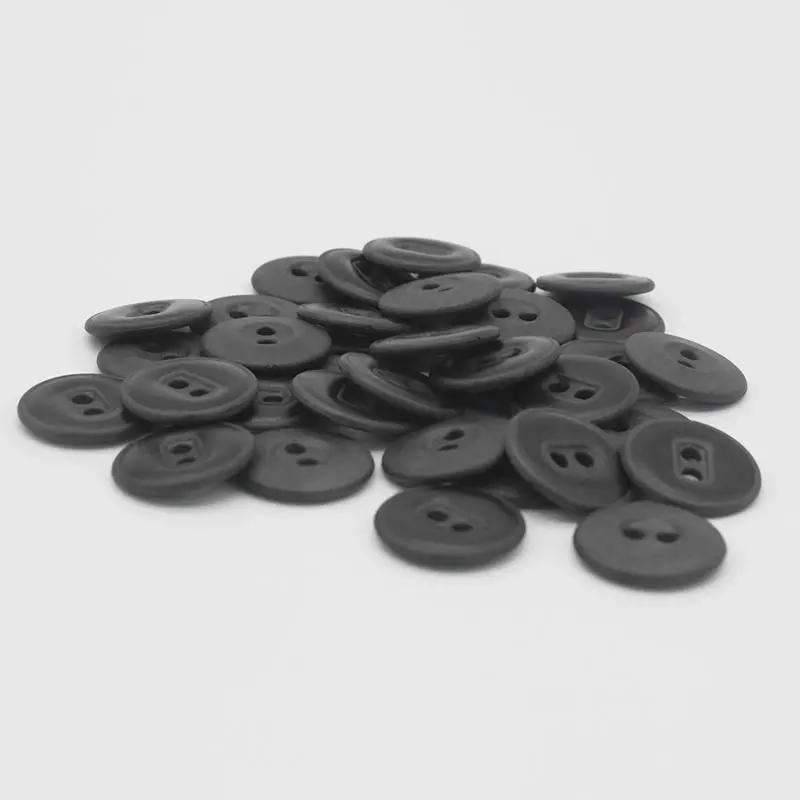 Laundry & linen tags · Manufacturer reference
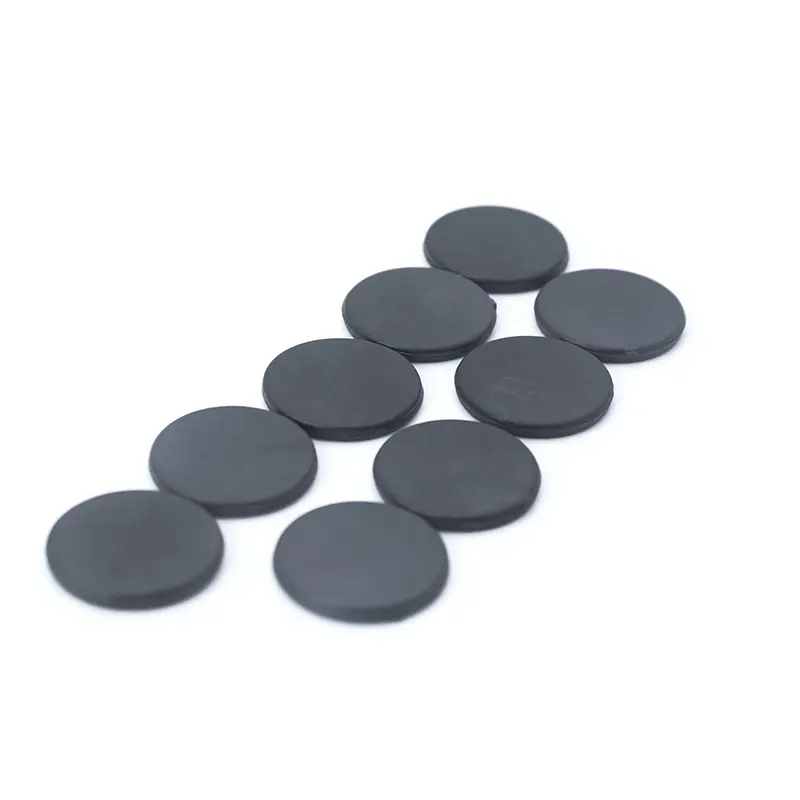
PPS UHF Laundry Button Tag
Physical specifications · Size: 18mm Diameter(customized) / RF specifications · Frequency: 860-960MHz
 Laundry & linen tags · Manufacturer reference
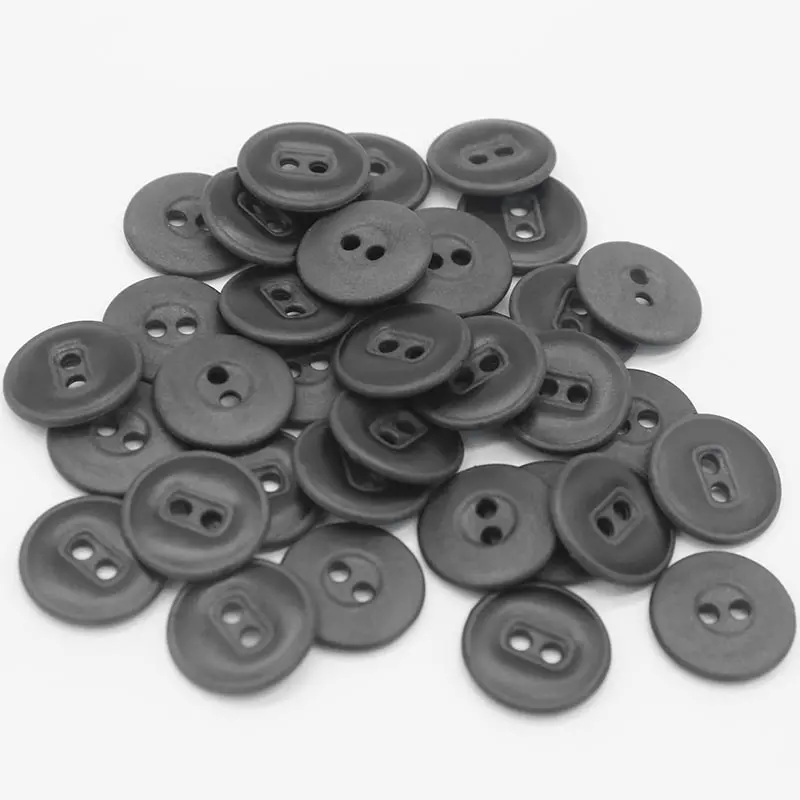
PPS UHF Laundry Label
Chip options: UCODE 7M,H3 (Customized) / Size: 20mm diameter (Customized)
 Laundry & linen tags · Manufacturer reference
PPS UHF Laundry Tag
Chip: H3 (Customized) / Size: 25.5mm diameter (Customized)
- Laundry & linen tags · Manufacturer reference
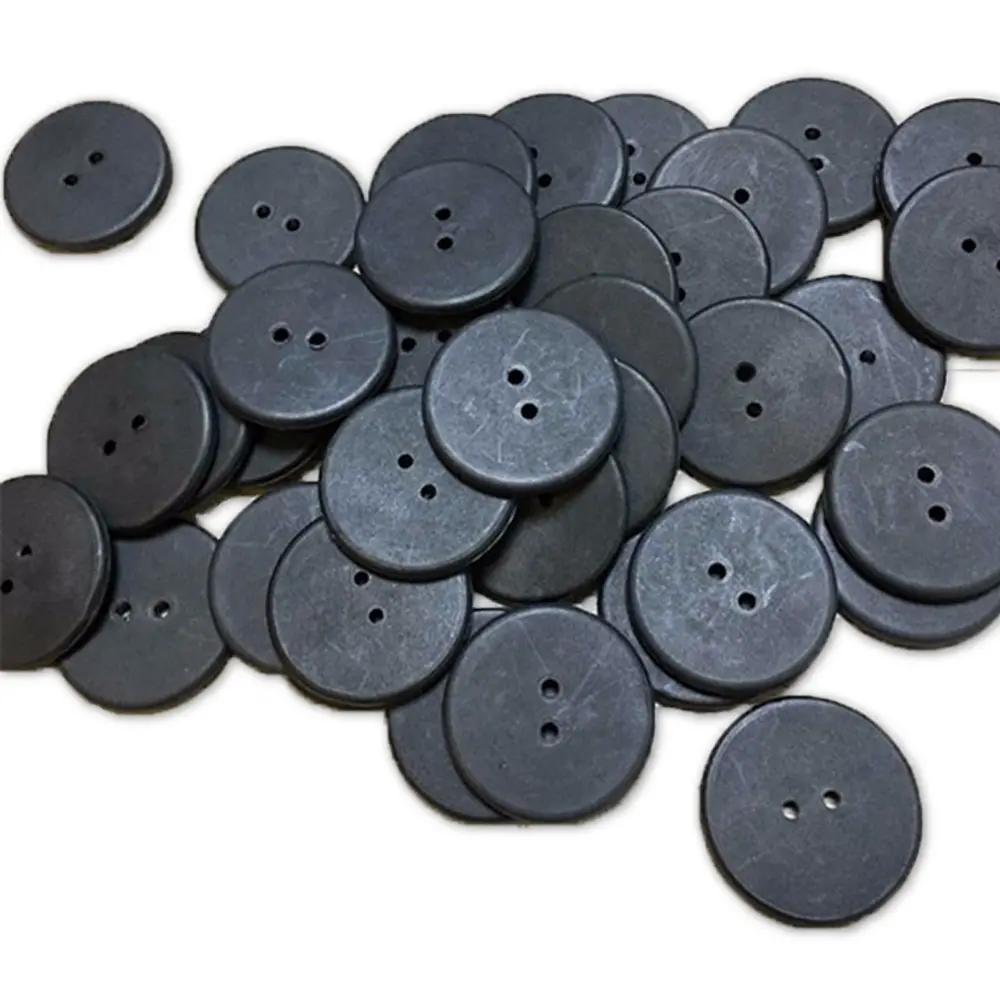
PPS UHF RFID Laundry Tag
Physical specifications · Size: 18mm Diameter(customized) / Physical specifications · Material: PPS
 Laundry & linen tags · Manufacturer reference
Reusable PPS UHF Laundry Tag
Chip: Alien H3 / Protocol: ISO/IEC 18000-6C
- Laundry & linen tags · Manufacturer reference
RFID Laundry Coin Tag
Chip: S50 (Customized) / Size: 18mm diameter (Customized)
- Laundry & linen tags · Manufacturer reference
RFID Laundry Disc
Chip: EM4305 (Customized) / Size: 24mm diameter (Customized)
 Laundry & linen tags · Manufacturer reference
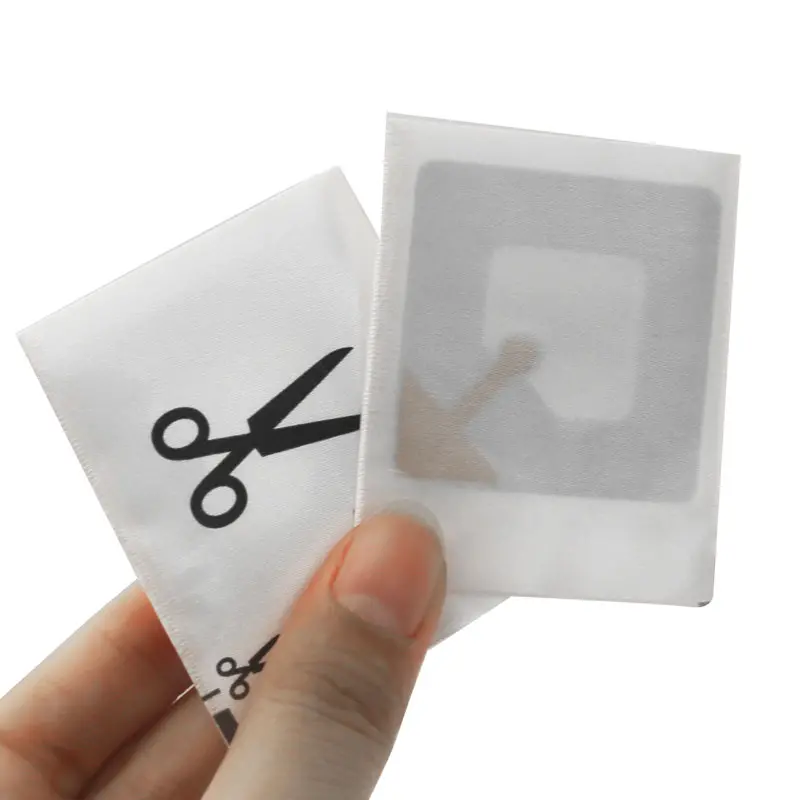
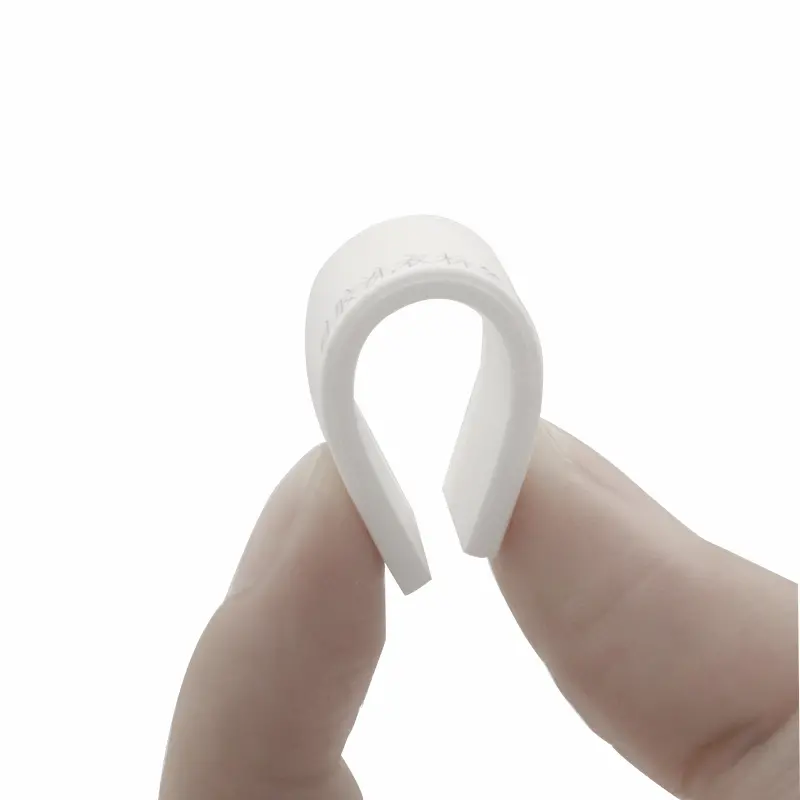
Sew-In Satin UHF Laundry Label
Material: Clothing / Frequency options: HF/UHF(depend on the chip type)
 Laundry & linen tags · Manufacturer reference
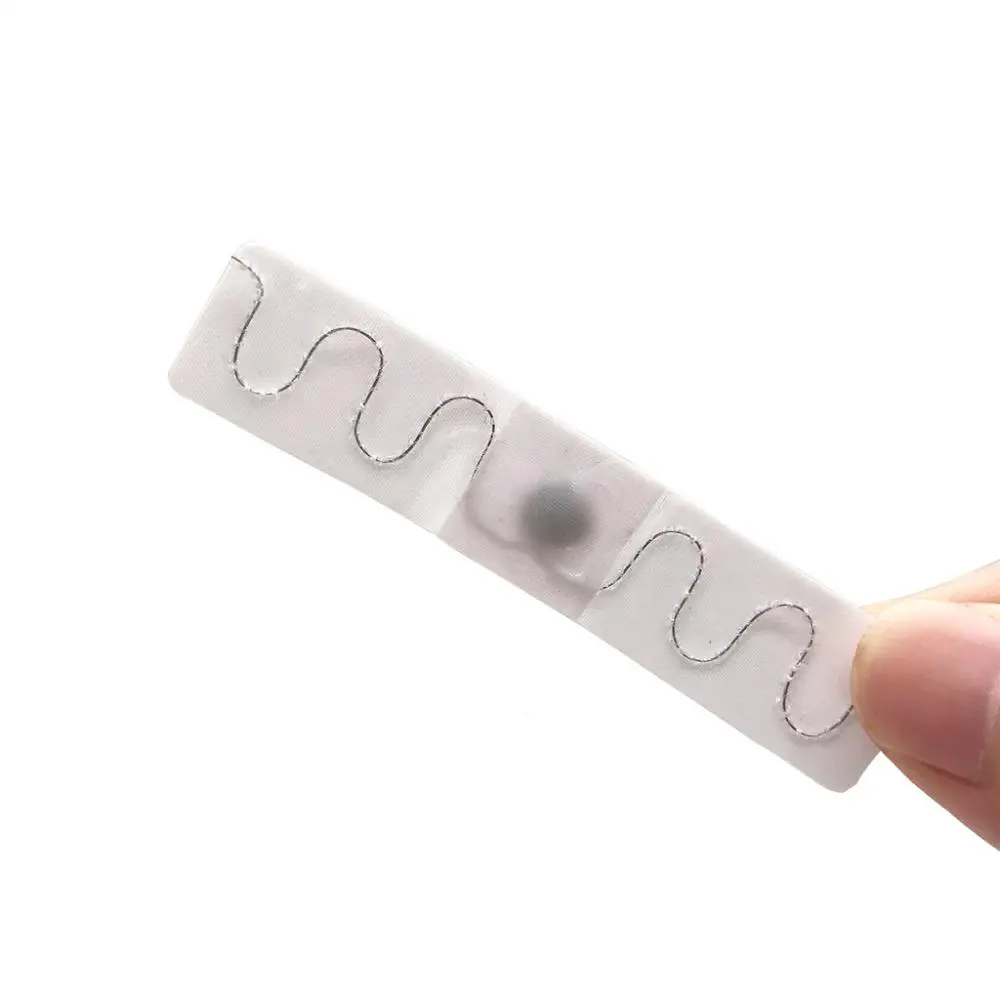
Silicone UHF Laundry Tag
Chip: Alien Higgs 3 / Size: 55*12mm
 Laundry & linen tags · Manufacturer reference
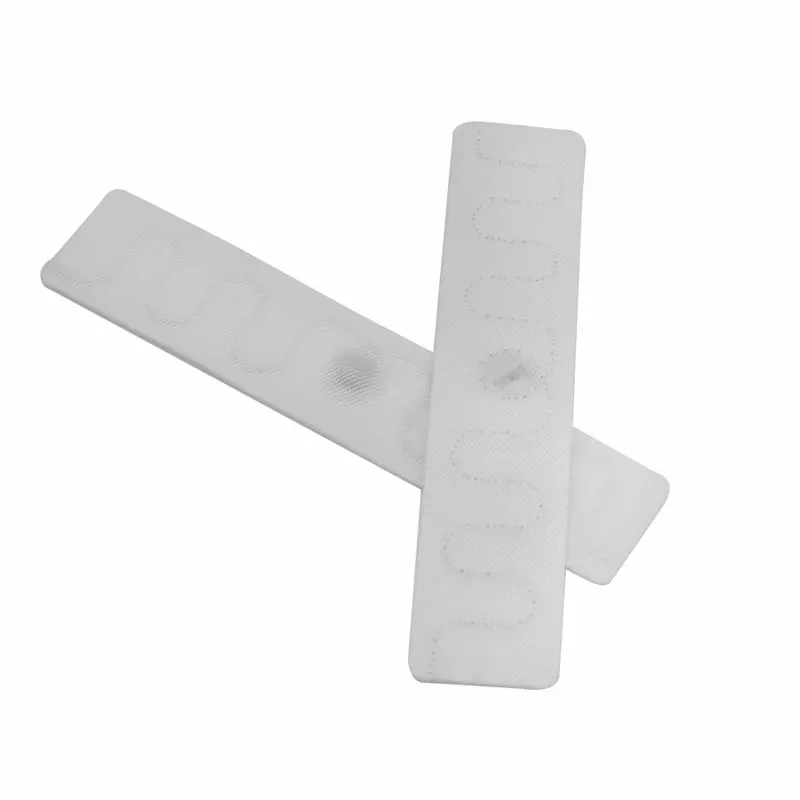
UHF Heat-Seal Laundry Tag
Chip: UCODE 7M / Size: 70*15mm
 Laundry & linen tags · Manufacturer reference
UHF Textile Laundry Tag
Chip: UCODE 7M (Customized) / Size: 70*15mm (Customi zed)
- Format ref.Laundry & linen tags · Store catalog
Flexible HF Linen Laundry Label
Frequency band: HF / Approximate label size: The cover lists an approximate size of 70 × 50 mm for the printed sample.
Direct Engineering Inquiry
Request PPS vs. Silicone vs. Textile Laundry Tags comparison samples
Submit this short form directly on the page—no separate form page required.
Frequently asked selection questions
Which laundry tag handles hotel flatwork calender rollers best?
Thin heat-sealable woven textile UHF labels or soft slim textile pouches resist bending fatigue cleanly without embossing delicate sheeting during pressing.
Can RFID laundry tags be attached by heat-seal press instead of sewing?
Yes—many woven textile laundry labels include factory thermoplastic backing designed for heat-press bonding directly onto cotton or poly-cotton hems, alongside sewn-in options.
Are PPS laundry tags available in 13.56 MHz HF as well as UHF?
Yes: PPS plastic buttons accommodate 125 kHz LF, 13.56 MHz HF (Classic 1K/F08/ICODE) and 860–960 MHz UHF chips.