LF 134.2 kHz FDX-B vs. UHF 860–960 MHz Livestock Ear Tags Compared
Modern ranches and feedlots choose between 134.2 kHz LF FDX-B ear tags (built around ISO 11784/11785 compliance and close-range wet reliability) and 860–960 MHz UHF Gen2 ear tags (built for multi-animal group reading in loading alleys and auction yards). Each frequency enforces a distinct reading workflow.
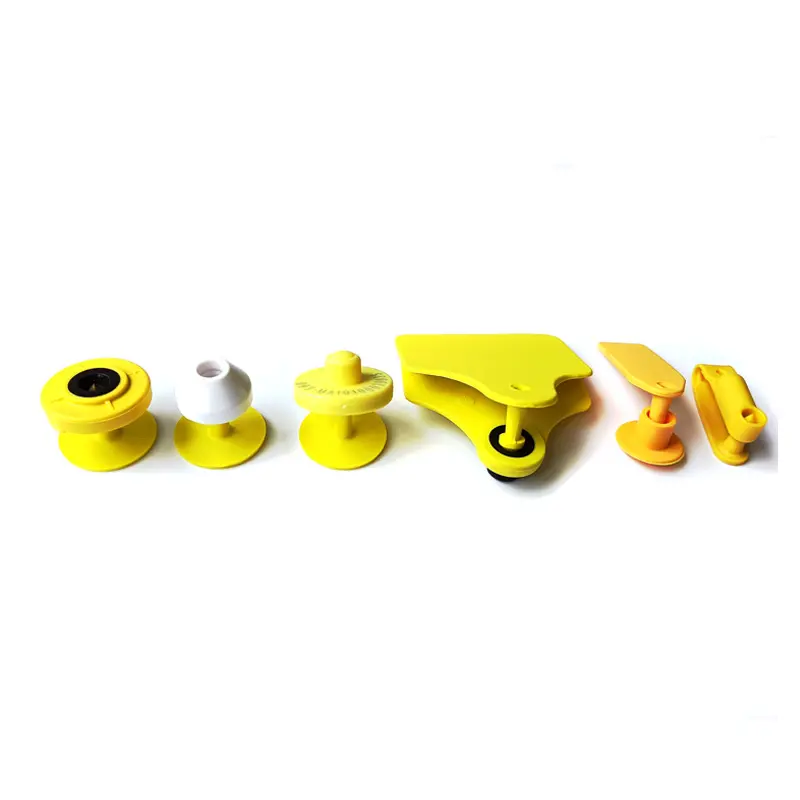
Side-by-side specification matrix
| Tag Class | Standard & Typical Chips | Read Mode & Moisture Tolerance | Primary Livestock Use Case |
|---|---|---|---|
| LF FDX-B (134.2 kHz) | ISO 11784 / 11785 (EM4305, EM4100/FDX-B) | Single-animal close wand/panel read; penetrates mud, water & tissue reliably | Mandatory national/herd registries, milking parlors & automatic feeders |
| UHF RAIN (860–960 MHz) | ISO 18000-6C / EPC Gen2 (UCODE 8/9, H3) | Simultaneous multi-animal chute/alley reads over several meters; sensitive to head crowding | Feedlot group weighing, livestock sorting gates & truckload inventory counts |
| Visual Laser TPU (Combo) | One-piece male/female two-part TPU assembly | High-contrast laser herd numbers + QR code matched to electronic ID | Dual backup verification in pastures without powered readers |
Individual parlor capture vs. multi-head alley anti-collision
In a milking parlor or veterinary crush, operators want to record the exact cow standing at one stall without reading neighbors two stalls away—making short-range 134.2 kHz LF ideal. Conversely, counting a moving pen or truckload of cattle calls for UHF anti-collision.
Water and tissue physics in animal tagging
Animal ears contain moisture and mud that attenuate UHF signals unless the TPU transponder body projects clear of wet hide using larger button or elongated paddle geometry. Magnetic 134.2 kHz fields pass through mud and tissue cleanly.
TPU durability & applicator compatibility
Two-piece TPU ear tags must flex in sub-zero winters and UV summer heat without brittle cracking. Always test physical male studs and female cups with your existing ear-tag applicator pliers alongside electronic reads.
Representative models (19 shown)
- Livestock ear tags · Manufacturer reference
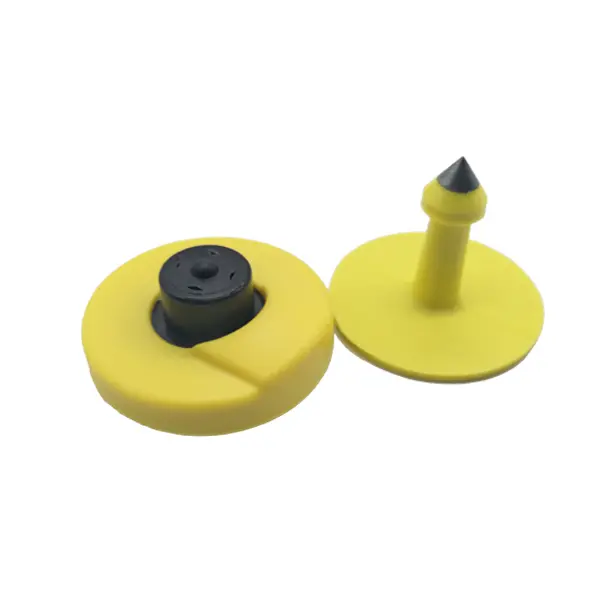
ABS UHF Livestock Ear Tag
Chip options: H3,EM4305,NXP-MIFAIRE / Material: TPU
 Livestock ear tags · Manufacturer reference
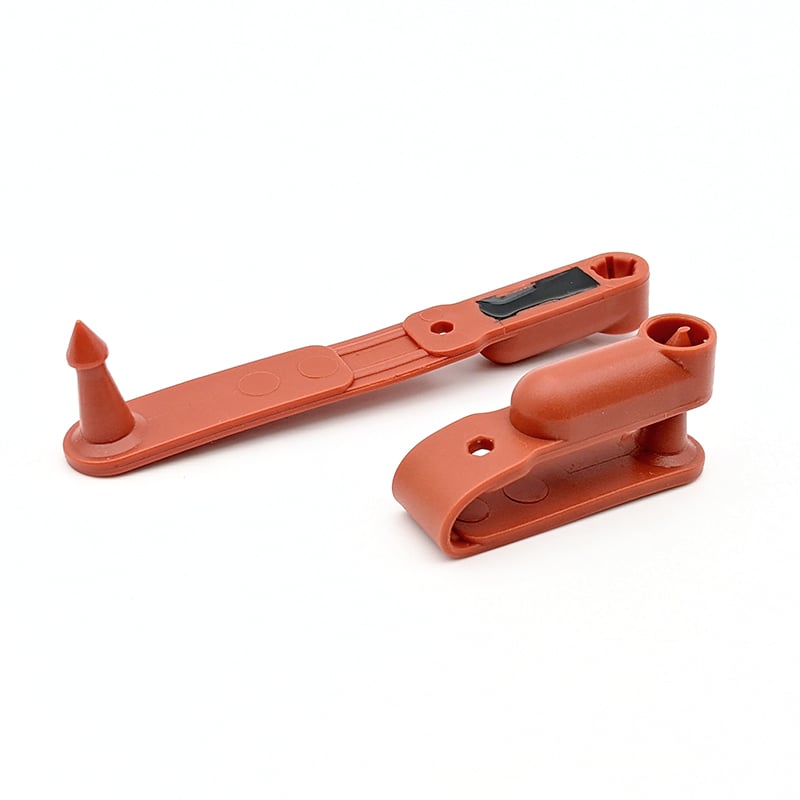
EM4305 125 kHz Animal Ear Tag
Chip: EM4305 / Size: 30mm diameter
 Livestock ear tags · Manufacturer reference
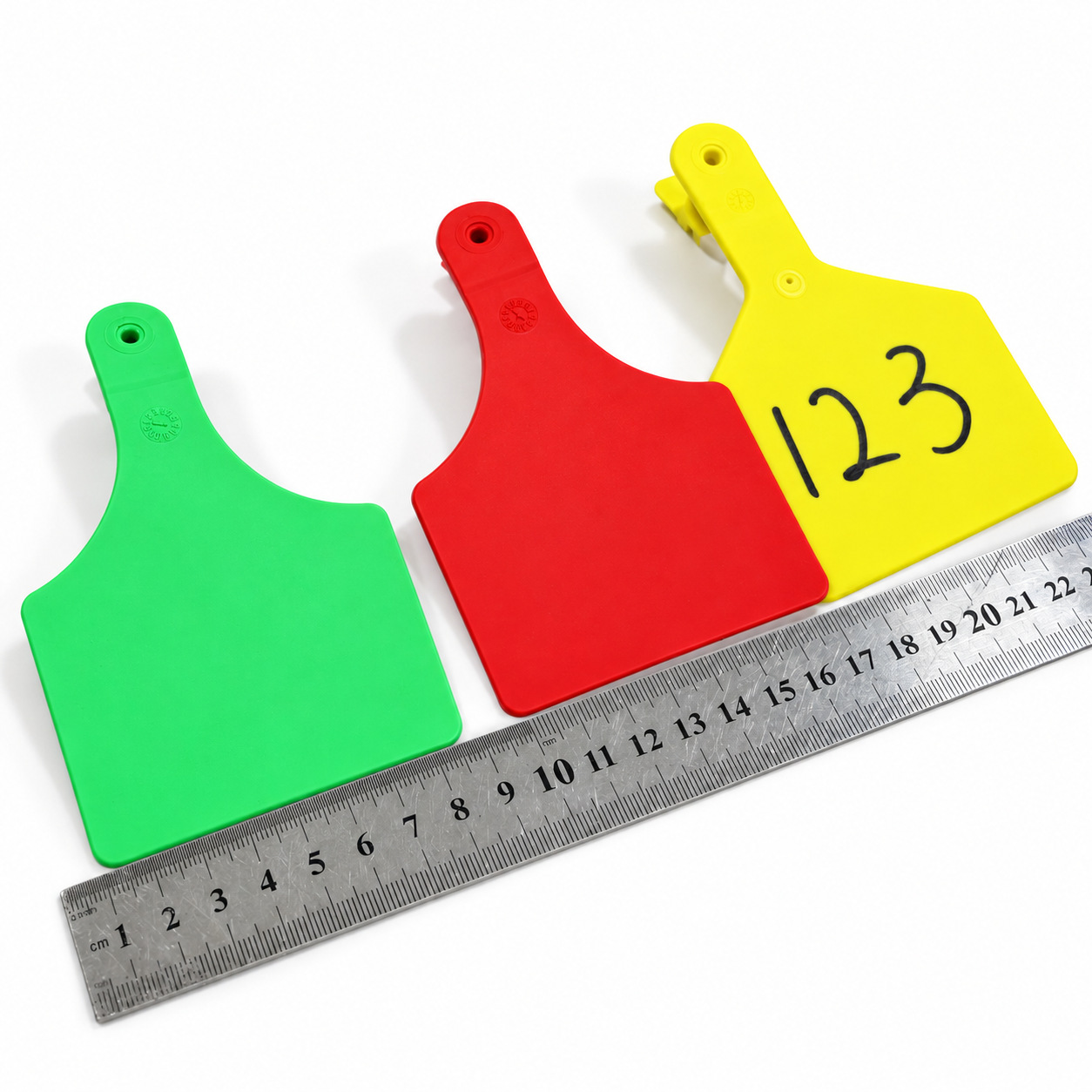
EM4305 TPU Livestock Ear Tag
Chip designations: EM4305 / Htag 256 / Dimensions in separate entries: 30 mm and 80 mm
 Livestock ear tags · Manufacturer reference
H3 UHF Animal Ear Tag
Material: TPU (thermoplastic polyurethane) / Chip: H3
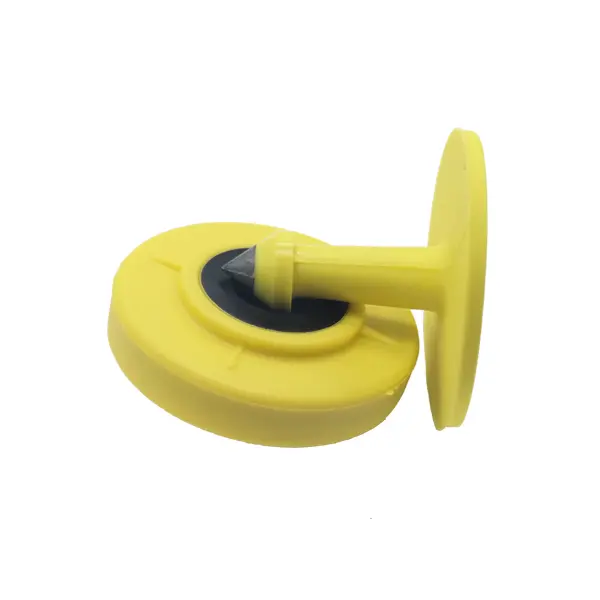 Livestock ear tags · Manufacturer reference
Higgs 3 Pig Ear Tag
Chip: Alien H3 / Form: Ear tag
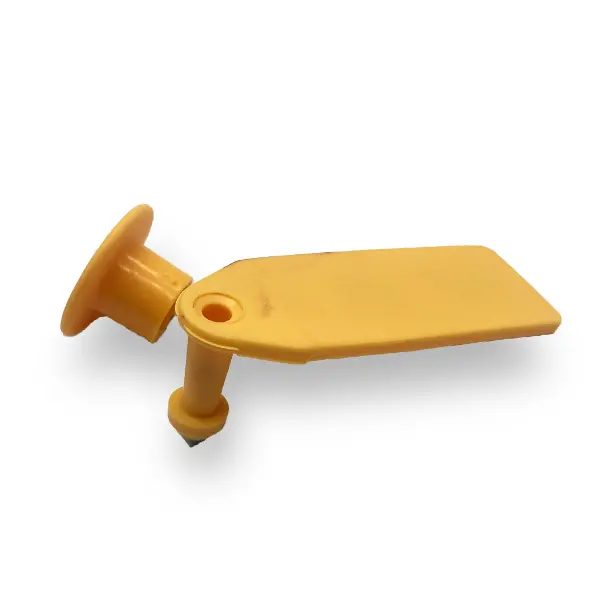 Livestock ear tags · Manufacturer reference
Higgs 3 UHF Sheep Ear Tag
Chip: H3 / Size: 45*17
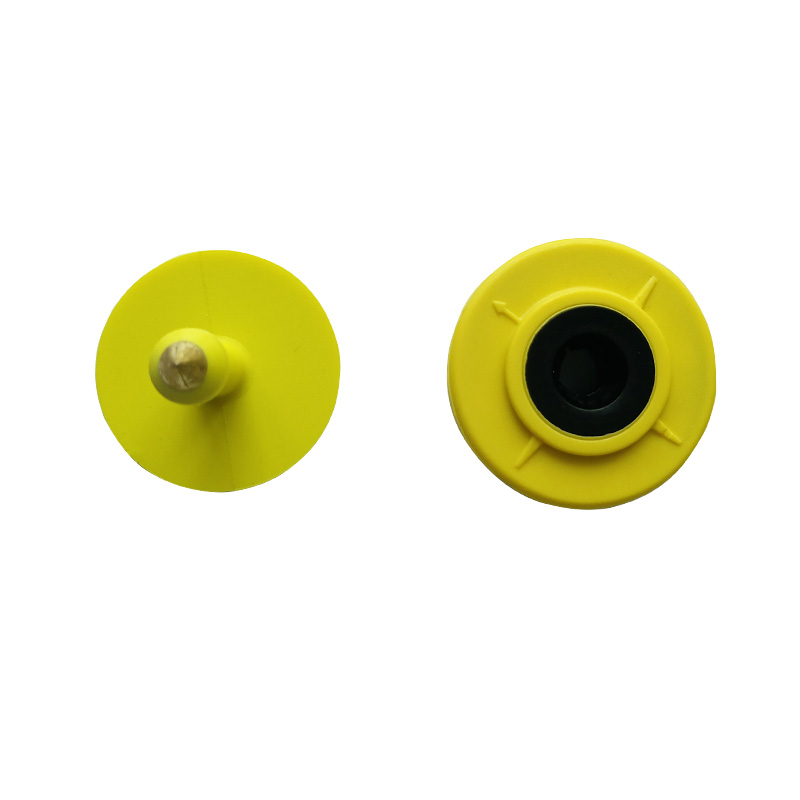 Livestock ear tags · Manufacturer reference
Livestock Ear Tag with LF or UHF Options
Chip options: EM4305 or Alien Higgs 9 / Frequency options: 125 kHz or 860–960 MHz
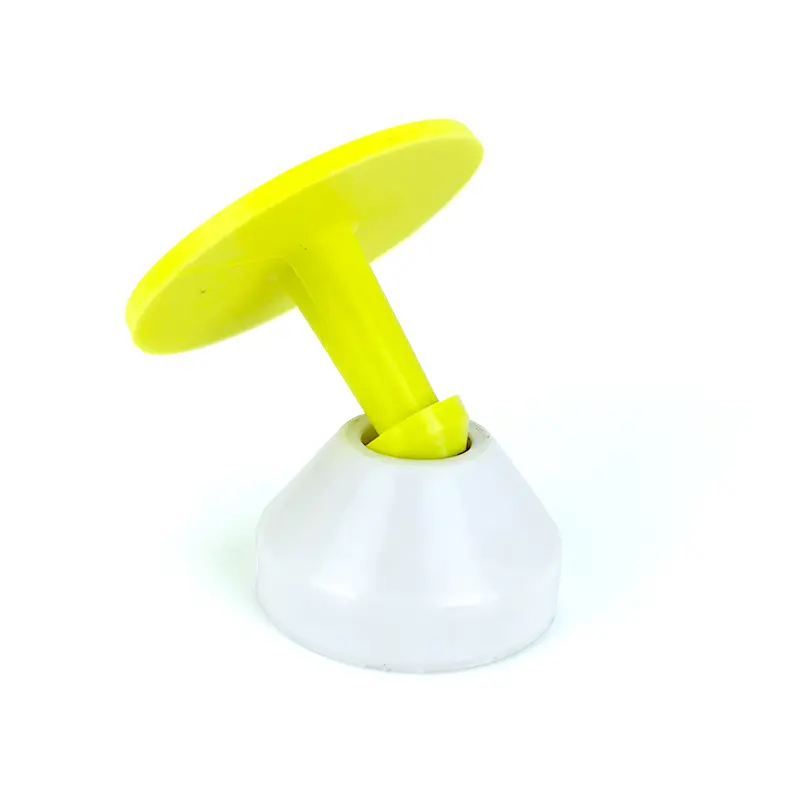 Livestock ear tags · Manufacturer reference
RFID Ear Tag for Pigs
Chip: H3 / Frequency: 860-960MHZ
 Livestock ear tags · Manufacturer reference
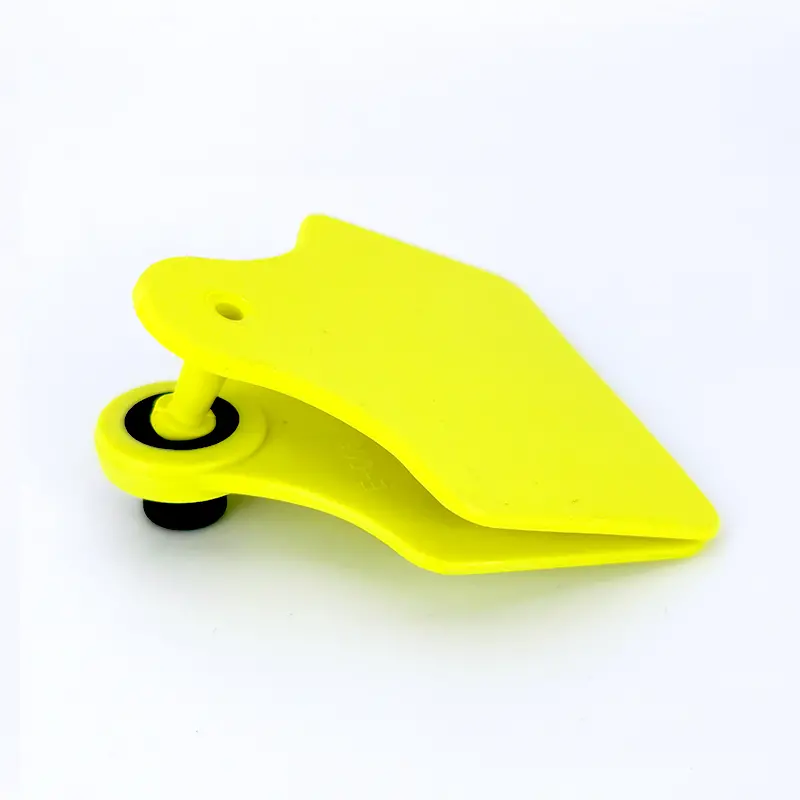
TPU Livestock Ear Tag
Chip: H4 / Protocol: ISO/IEC 18000-6C
 Livestock ear tags · Manufacturer reference
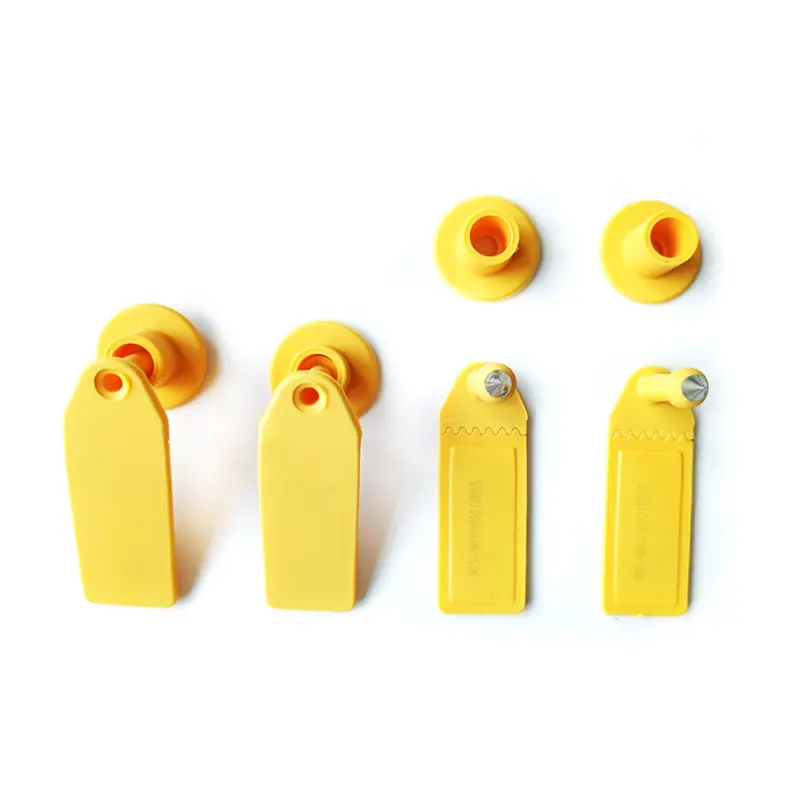
UHF Goat Ear Tag
Chip: H3 / Size: 45*17
- Format ref.Livestock ear tags · Store catalog
EM4305 LF Animal Ear Tag
Chip: EM4305 / Frequency band: LF
- Format ref.Livestock ear tags · Store catalog
FDX-B TPU Livestock Ear Tag
Protocol: FDX-B / Material: TPU
- Format ref.Livestock ear tags · Store catalog
H3 TPU UHF Animal Ear Tag
Chip: H3 / Material: TPU
- Format ref.Livestock ear tags · Store catalog
Laser-printable TPU UHF Cattle Ear Tag
Material: TPU / Marking: Laser printing
- Format ref.Livestock ear tags · Store catalog
U8 Passive Animal Ear Tag
Chip: U8 / Other listed uses: Poultry tracking and pet traceability
- Format ref.Livestock ear tags · Store catalog
U9 Printable TPU Livestock Ear Tag
Chip: U9 / Construction: Printable TPU ear tag
- Format ref.Livestock ear tags · Manufacturer reference
125 kHz ABS Pig Ear Tag
Chip options: TK4100/EM4200/EM4205/EM4305/T5577/HITAG1 / Protocol: ISO 11784/11785
- Format ref.Livestock ear tags · Manufacturer reference
Higgs 3 UHF Livestock Ear Tag
Chip: H3 / Size: 32*15 mm
- Format ref.Livestock ear tags · Manufacturer reference
LF EM4305 Livestock Ear Tag
Frequency: LF / Chip: EM4305
Direct Engineering Inquiry
Request LF FDX-B vs. UHF Ear Tags comparison samples
Submit this short form directly on the page—no separate form page required.
Frequently asked selection questions
Can one livestock wand reader read both 134.2 kHz FDX-B and UHF ear tags?
No: standard LF stick readers operate solely at 134.2 kHz (or 125 kHz) while UHF livestock guns operate at 860–960 MHz—verify your exact reader hardware first.
Does EM4305 work automatically as an ISO FDX-B cattle tag?
Not automatically—the antenna coil must be tuned specifically to 134.2 kHz and pre-encoded with an ISO 11784/11785 FDX-B structure rather than plain 125 kHz access firmware.
Can visual farm ID numbers match the internal RFID number?
Yes: factory laser marking prints herd prefixes, sequential visual numbers and QR codes paired directly with the programmed RFID identifier.