PCB vs. Ceramic vs. Flexible Printable On-Metal RFID Tags Compared
Mounting passive RFID tags directly on steel or aluminum requires isolating the antenna from the conductive ground plane. Three mainstream on-metal constructions—rigid FR4 PCB, high-permittivity ceramic and thin flexible ferrite/foam labels—solve that detuning problem with very different mechanical profiles, printer compatibility and durability.
Side-by-side specification matrix
| Construction | Substrate / Core | On-Site Printable? | Strengths & Typical Deployment |
|---|---|---|---|
| FR4 PCB On-Metal | Fiberglass laminate + copper ground plane | No (factory laser/inkjet only) | Balanced read range, screw/rivet slots, power-grid cabinets, steel racks and durable industrial bins |
| Ceramic On-Metal | High-permittivity sintered ceramic core | No (factory laser/label overlay) | Ultra-compact tool footprints and elevated-heat survival on metal tooling, dies and engine parts |
| Flexible On-Metal Label | Ferrite or thin EVA foam spacer + PET/paper face | Yes (calibrated RFID printers) | Conforms to curved assets; prints variable barcodes and asset text on-demand for IT & logistics |
How each construction decouples RF energy from metal
Standard paper or PET dipole inlays detune immediately on bare metal because the surface reflects RF fields out of phase. FR4 PCB tags incorporate a controlled fiberglass thickness with plated ground-plane return paths, ceramic tags shrink electrical wavelength inside a dense dielectric block, and flexible labels insert a soft magnetic ferrite or closed-cell foam layer.
Thermal, impact and curved-surface limits
Sintered ceramic and high-Tg FR4 PCB tags tolerate harsh outdoor sun, industrial heat cycles and heavy mechanical knocks, whereas flexible foam labels excel when wrapping slightly around curved pipes, laptops or drum lids where rigid tags would rock loose.
On-demand printing vs. factory laser personalization
If warehouse staff must encode EPC numbers and print barcodes locally on desktop thermal-transfer printers (such as Zebra or Sato), only flexible on-metal labels feed smoothly through printer media paths. Rigid PCB and ceramic tags are delivered blank or factory-encoded with laser UID/QR markings.
Representative models (24 shown)
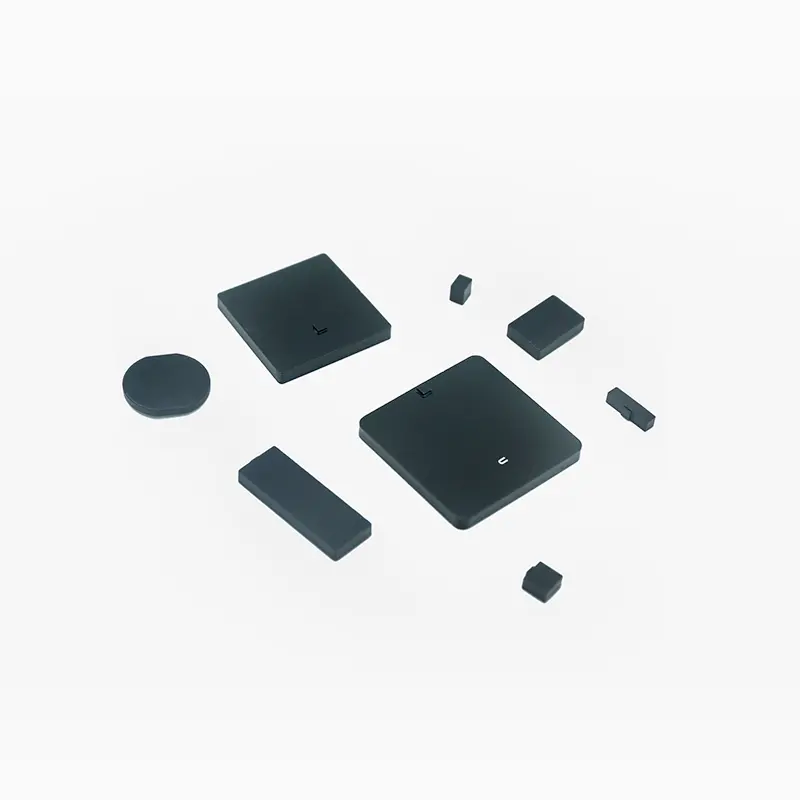
- Ceramic on-metal tags · Store catalog
Ceramic UHF On-metal Tag
Material: Ceramic / Mounting surface: Metal
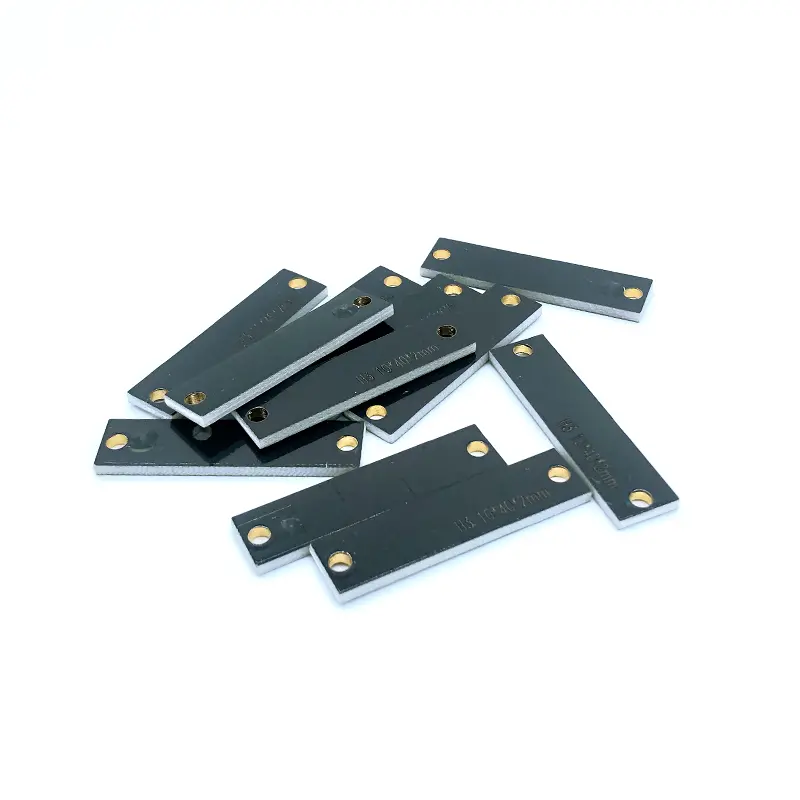 PCB on-metal tags · Store catalog
H3 PCB UHF On-metal Tag
Chip: H3 / Construction: PCB tag for mounting on metal
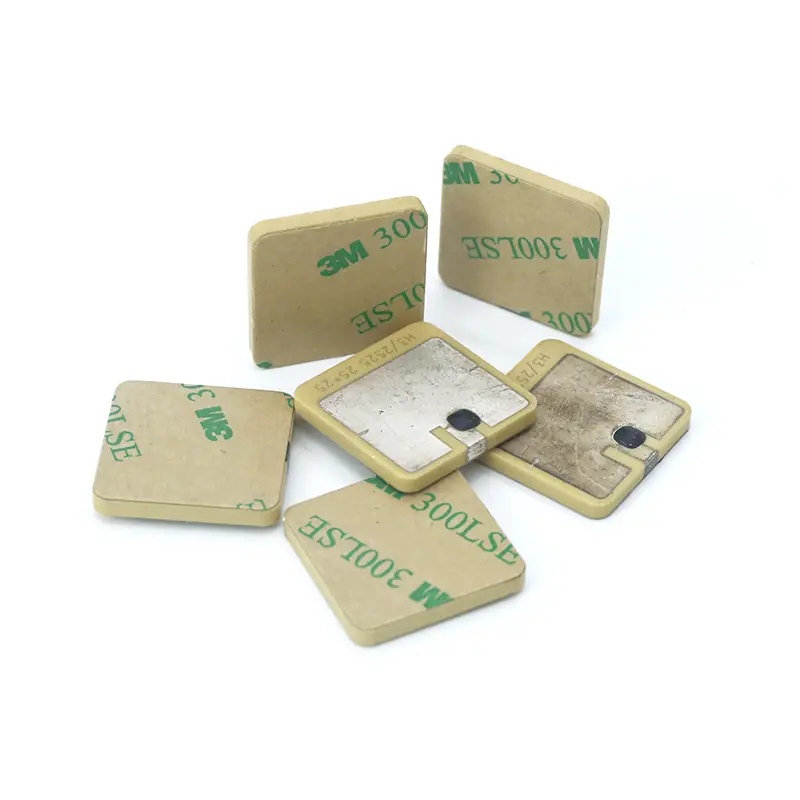 Ceramic on-metal tags · Store catalog
High-Temperature Ceramic UHF On-Metal Tag
Material: Ceramic on-metal construction / Technology: UHF RFID
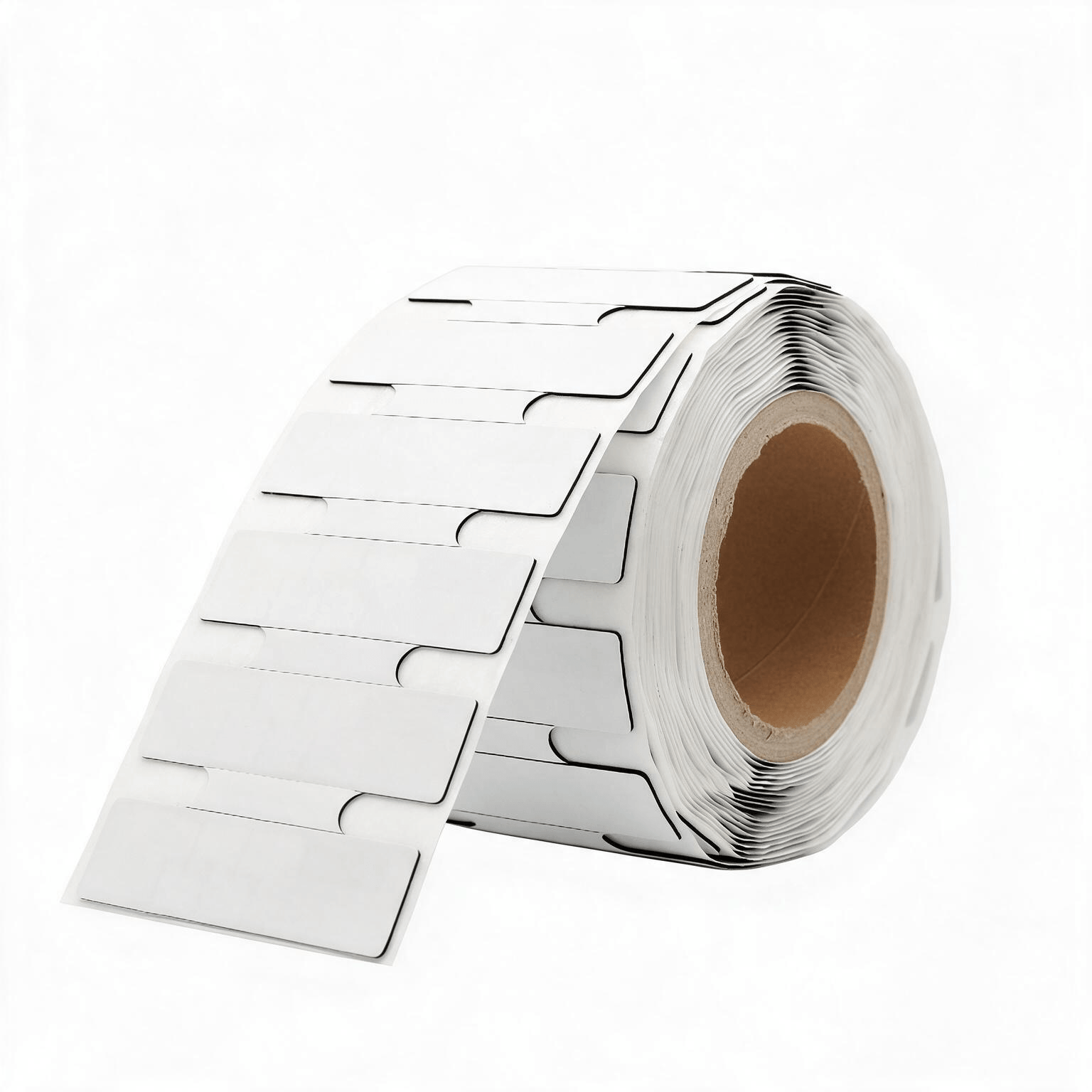 Flexible on-metal labels · Store catalog
MR6 Flexible On-metal Label
Chip: MR6 / Construction: Flexible, printable on-metal label
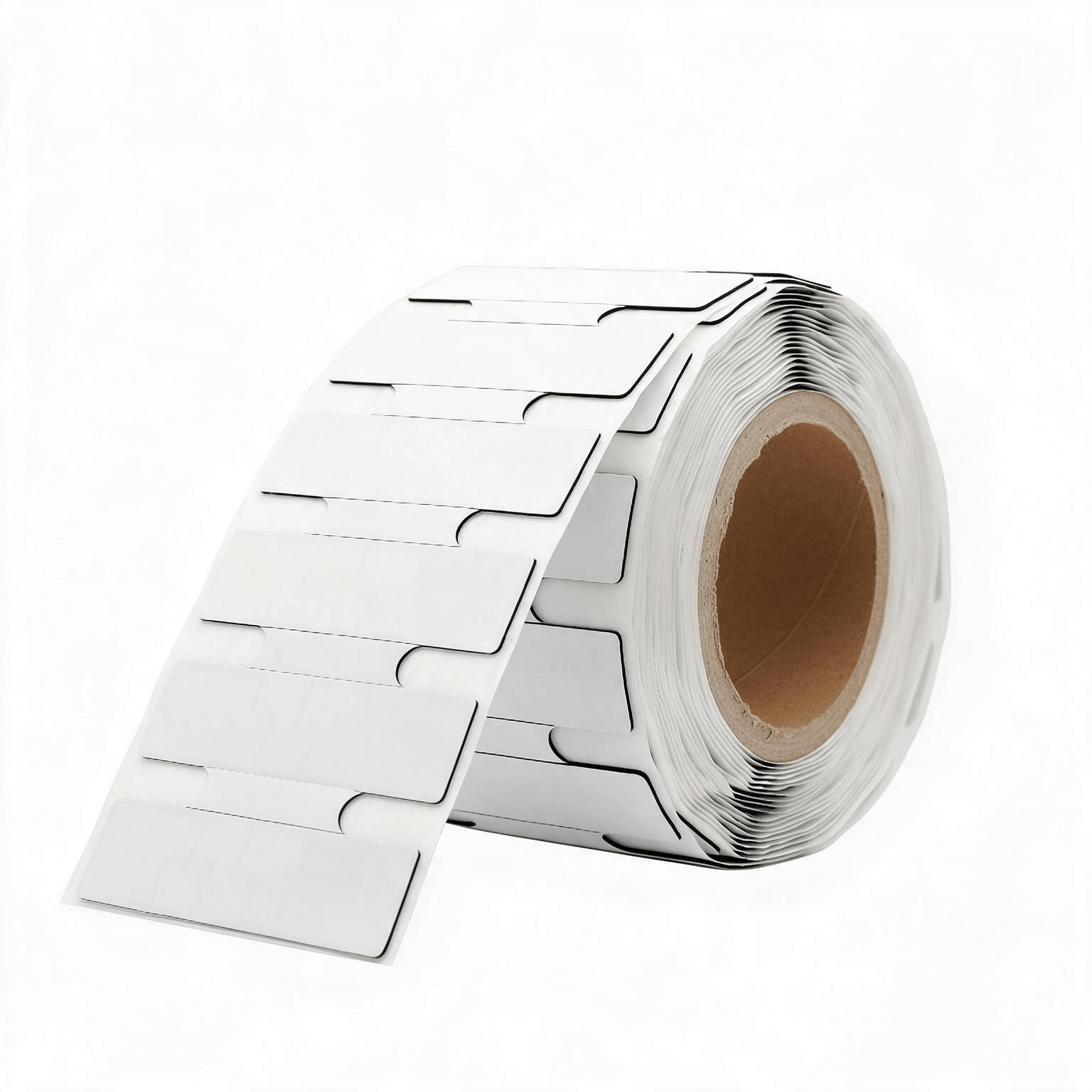 Flexible on-metal labels · Store catalog
Multi-size Printable UHF On-metal Label
Chip designations: Both the listing title and cover name MR6. The title also lists U9, while the cover lists U8. Confirm the second chip before ordering. / Construction: Flexible on-metal label
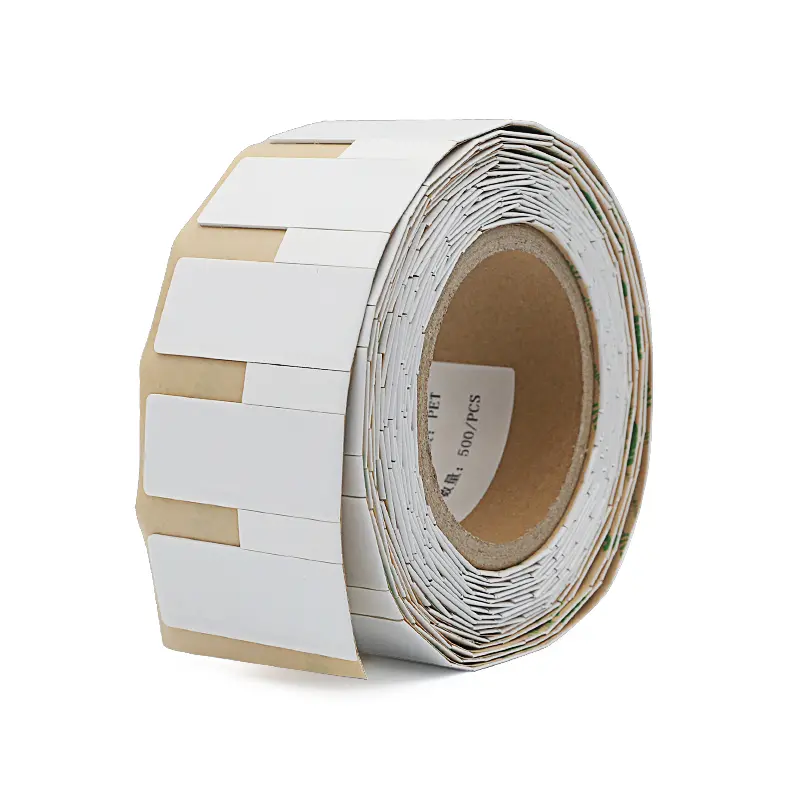 Flexible on-metal labels · Store catalog
Printable Flexible On-Metal Equipment Label
Construction: Printable flexible on-metal label / Frequency: Title names both HF and UHF; specify your reader band when ordering
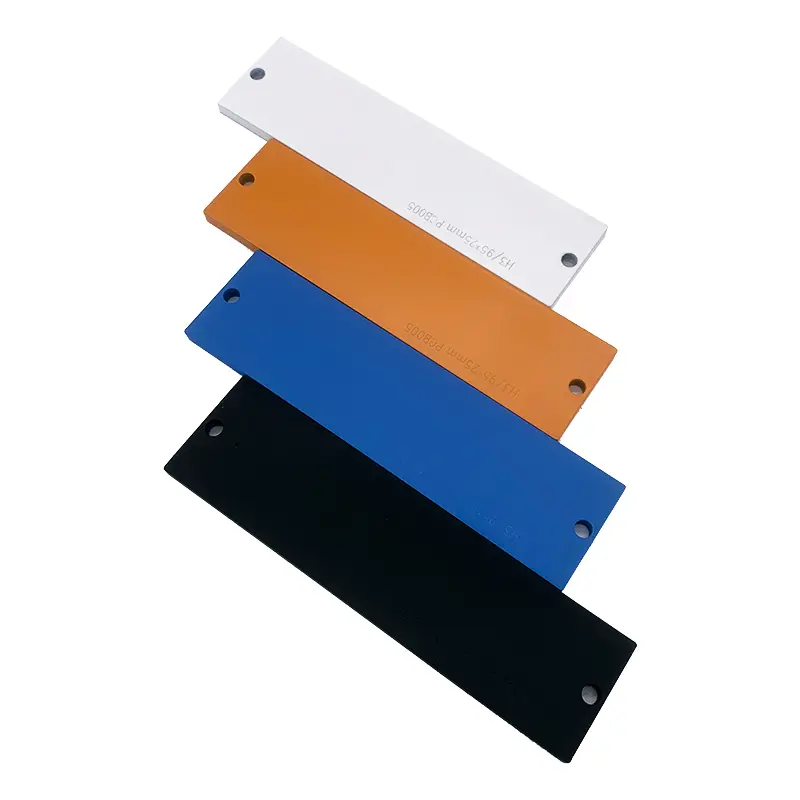 PCB on-metal tags · Store catalog
UHF PCB Power-Grid On-Metal Asset Tag
Construction: High-temperature PCB on-metal tag / Technology: UHF RFID
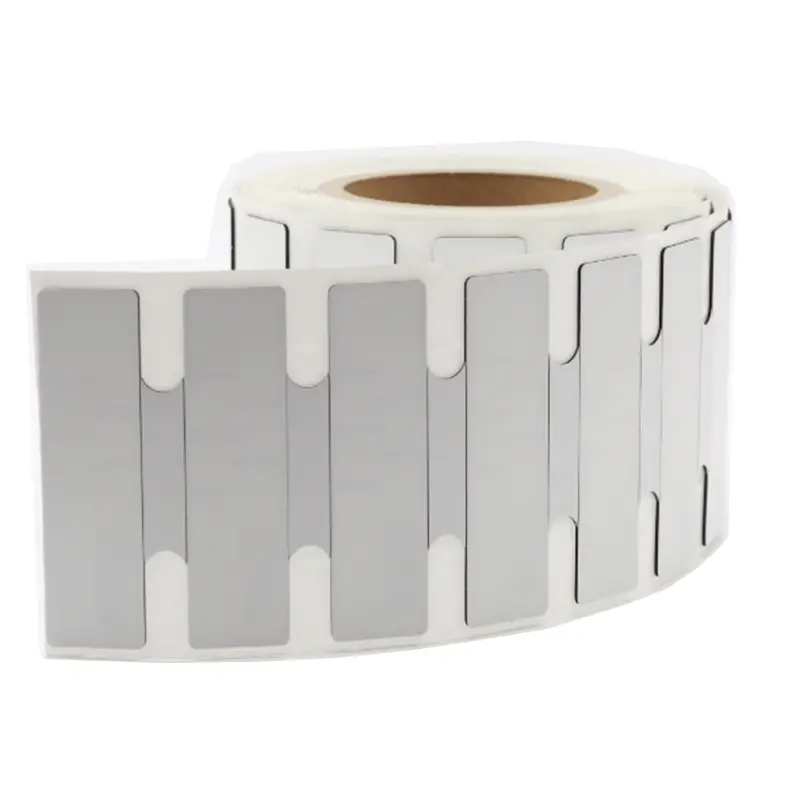 Flexible on-metal labels · Manufacturer reference
100 × 25 mm MR6 On-Metal Label
Chip: MR6 (Customized) ISO/IEC 18000-6C / Size: 100*25mm (Customized)
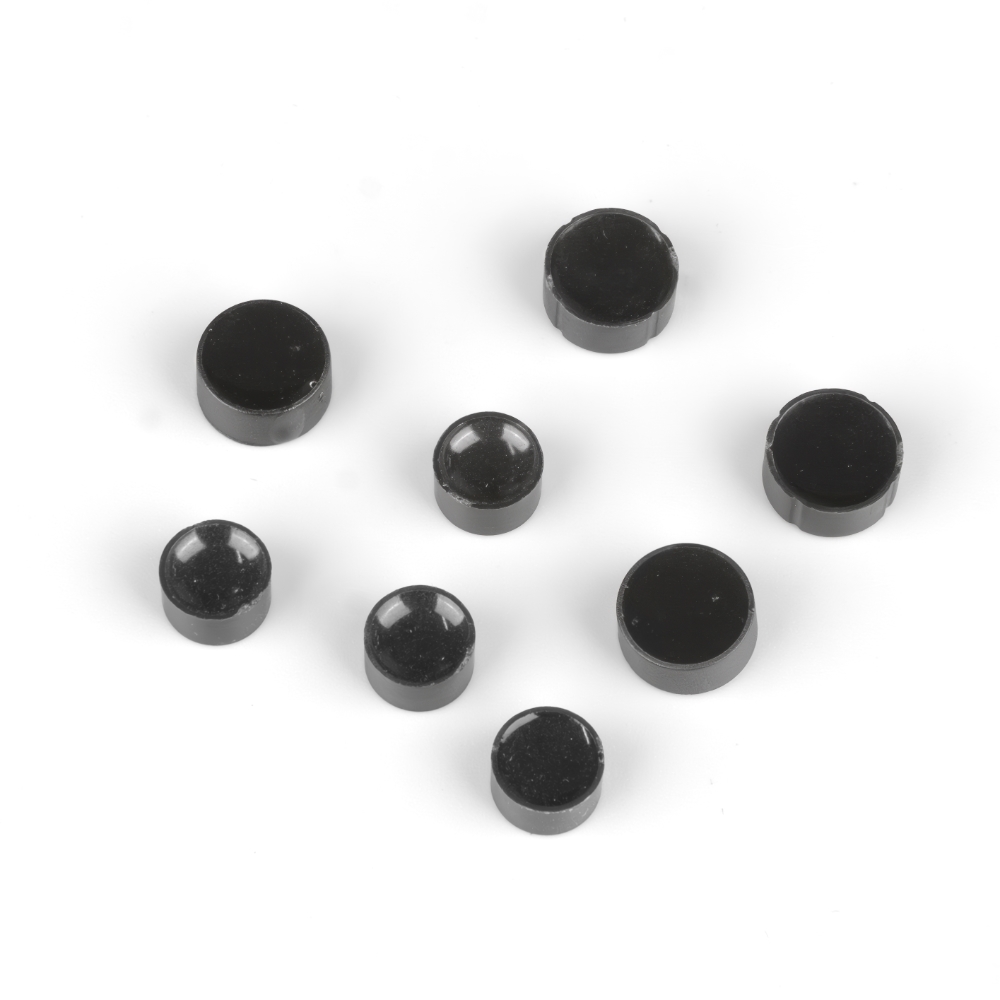 Miniature PCB tags · Manufacturer reference
5 mm PCB Miniature RFID Tag
Dimensions: diameter 5 × 3 mm / Housing material: PCB
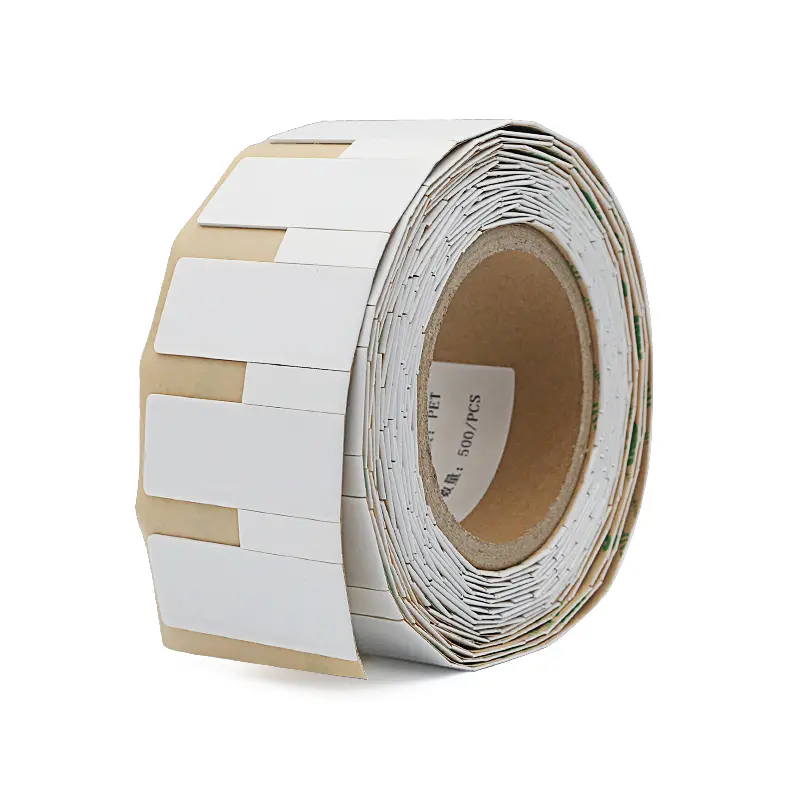 Flexible on-metal labels · Manufacturer reference
50 × 25 mm Flexible UHF On-Metal Label
Chip: MR6 / Size: 50*25mm
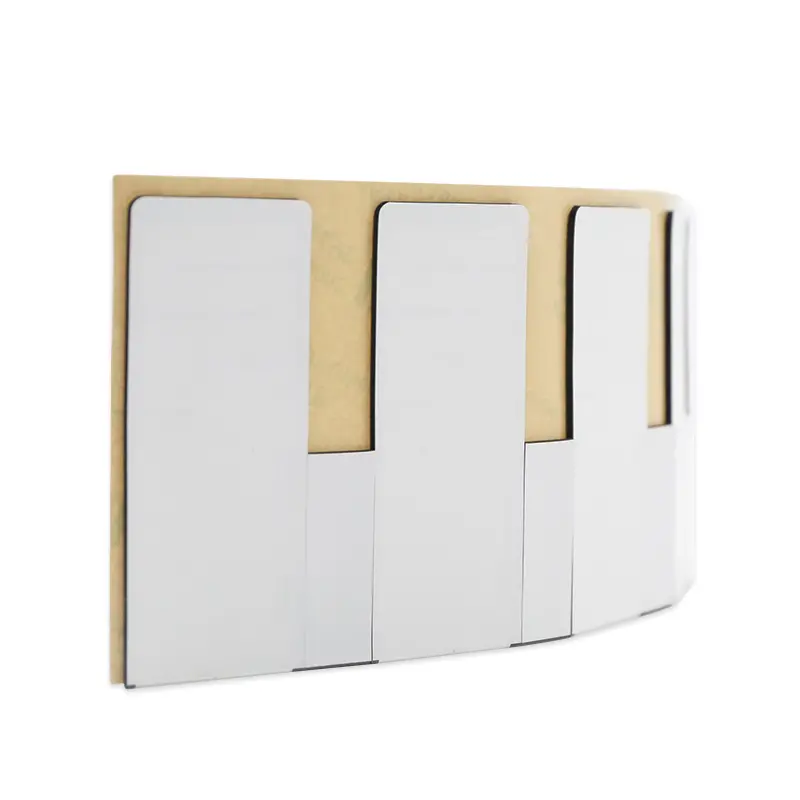 Flexible on-metal labels · Manufacturer reference
60 × 25 mm Flexible UHF On-Metal Label
Chip: MR6 / Size: 60*25mm
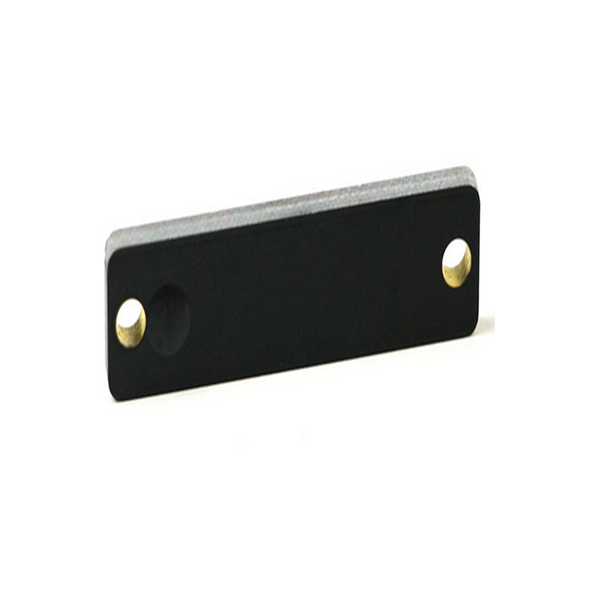 PCB on-metal tags · Manufacturer reference
80 × 20 mm PCB On-Metal RFID Tag
Dimensions: 80 × 20 × 3.4 mm / Operating frequency: 860–960 MHz (UHF)
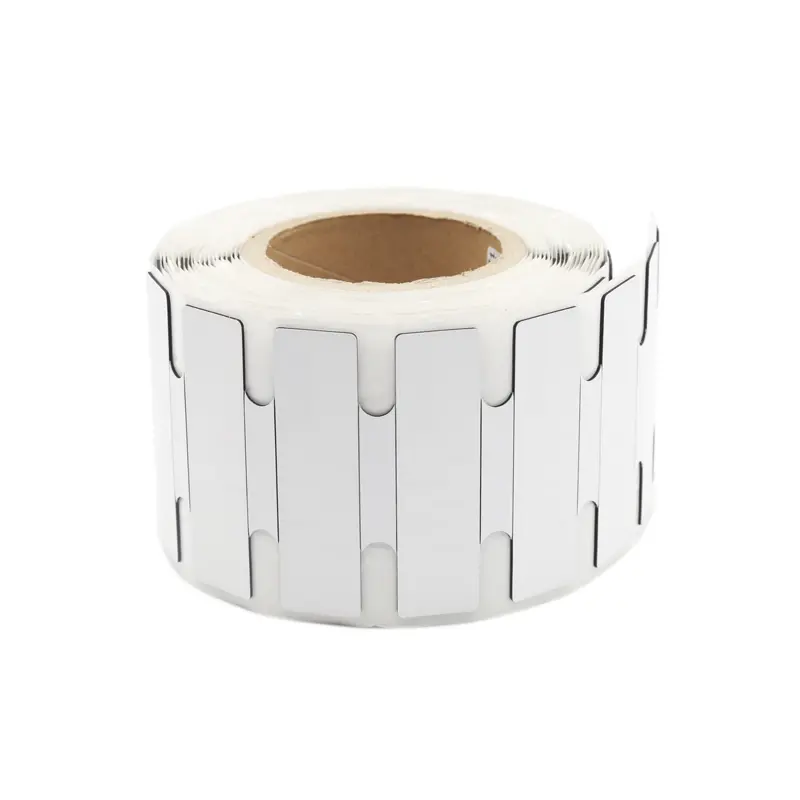 Flexible on-metal labels · Manufacturer reference
90 × 25 mm Printable UHF On-Metal Label
Material: PP Synthetic Paper + EVA Foam / Size: 90*25mm
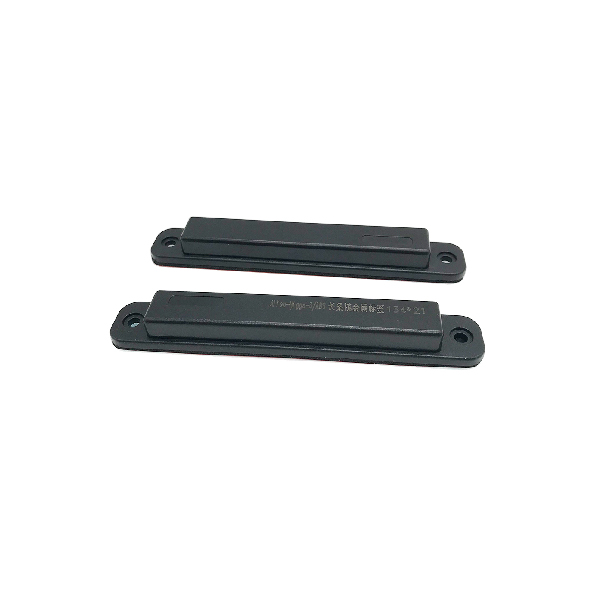 ABS on-metal tags · Manufacturer reference
ABS On-Metal RFID Tag
Dimensions: 134 × 21 × 11.5 mm / Housing material: ABS
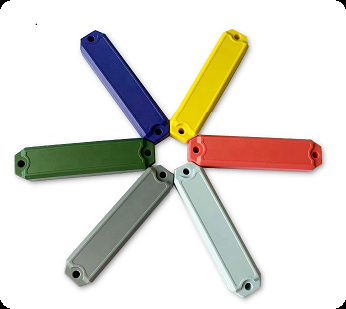 ABS on-metal tags · Manufacturer reference
ABS On-Metal RFID Tag
Size options: 70 × 21 mm / 107 × 24 mm / 118 × 29 mm / Housing material: ABS engineering plastic
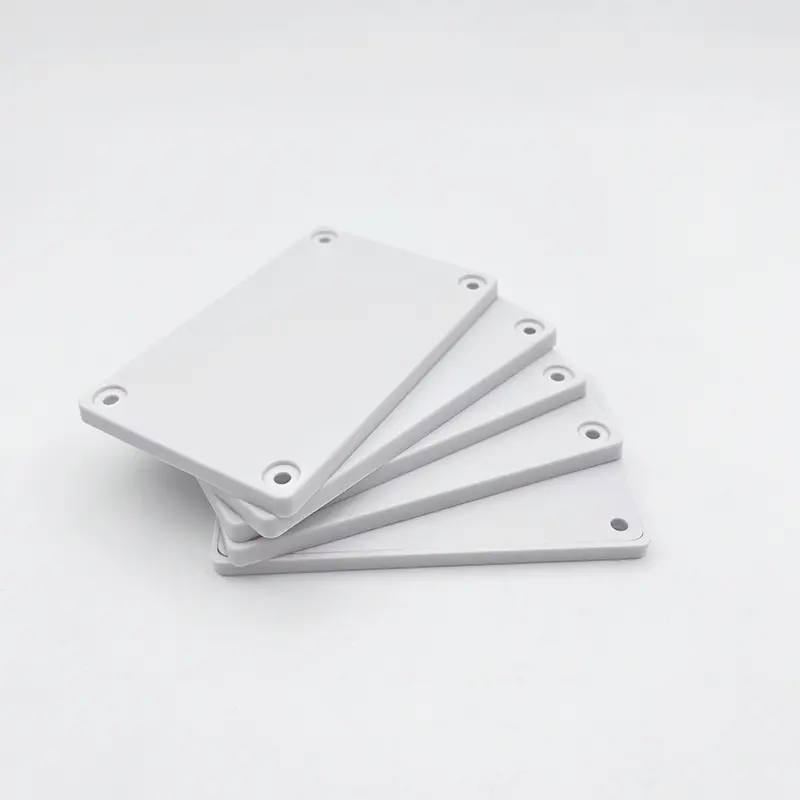 ABS on-metal tags · Manufacturer reference
ABS On-Metal UHF Tag
Chip: MR6 / Size: 86*54mm
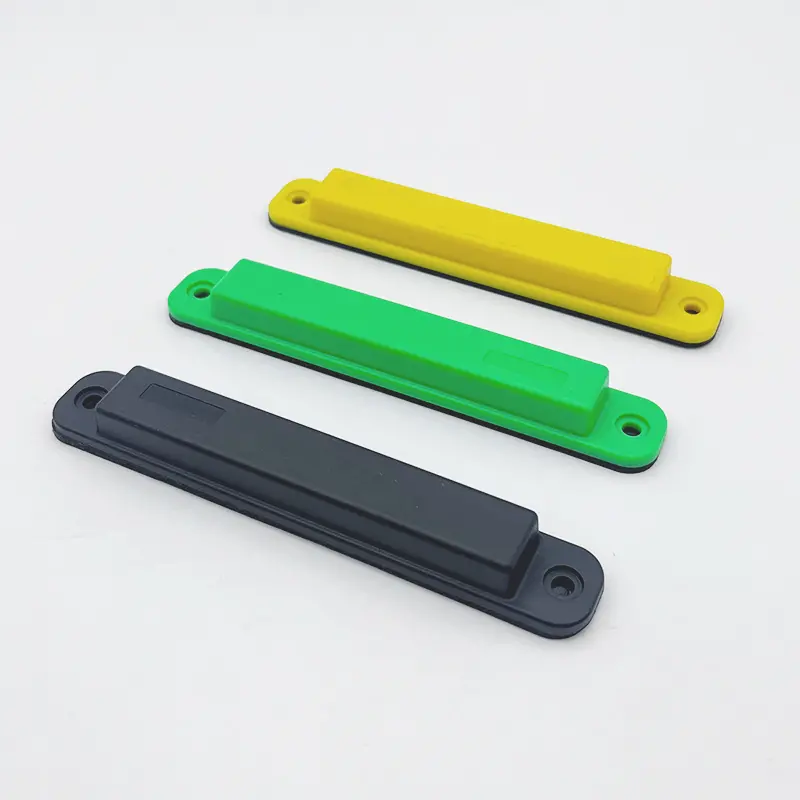 ABS on-metal tags · Manufacturer reference
ABS UHF On-Metal Industrial Tag
Chip: MR6 / Material: ABS
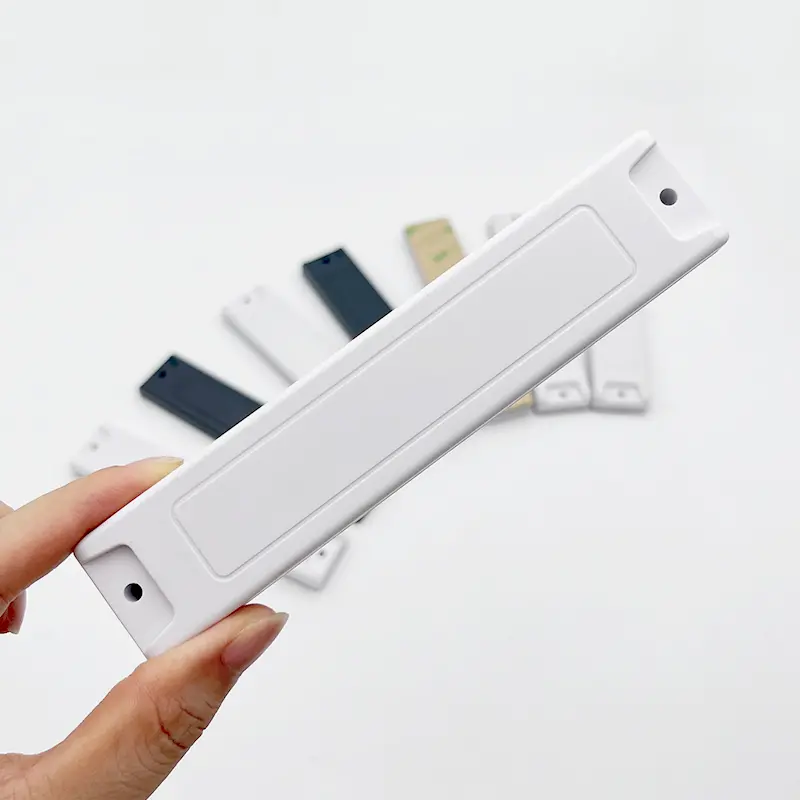 ABS on-metal tags · Manufacturer reference
ABS UHF On-Metal IT Asset Tag
Material: ABS / Chip: U9
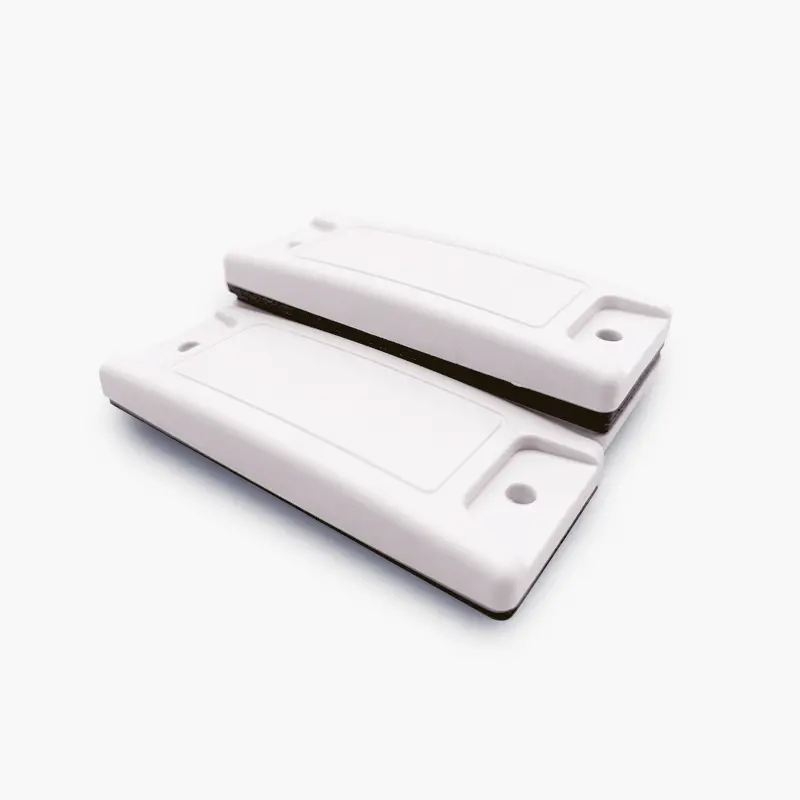 ABS on-metal tags · Manufacturer reference
Adhesive ABS On-Metal Asset Tag
Chip options: U8, U9, H9, NTAG 213,1CODE SLI-X / Material: ABS
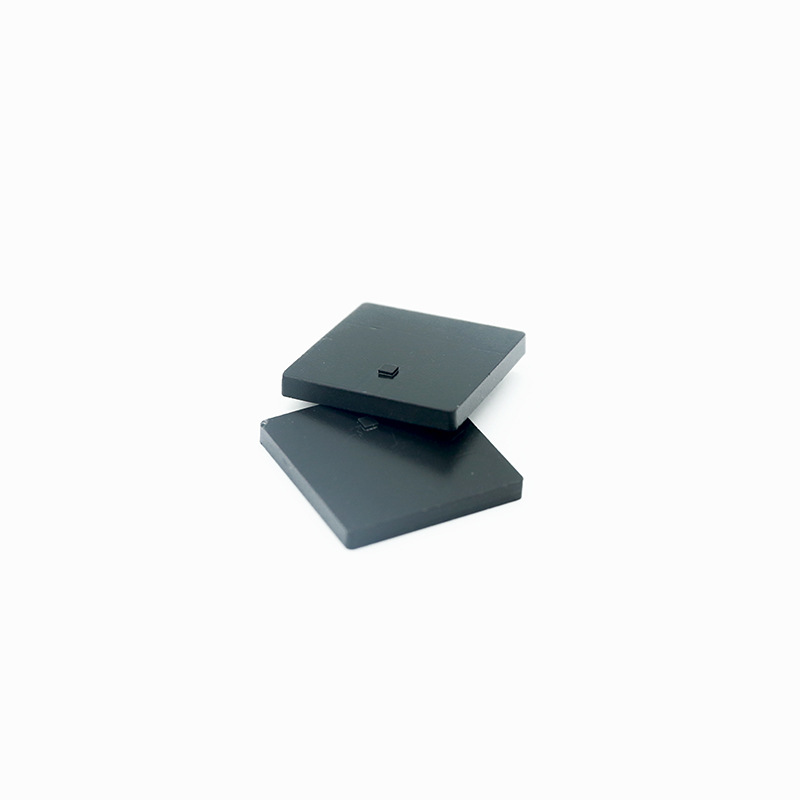 Ceramic on-metal tags · Manufacturer reference
Ceramic On-Metal RFID Tag
Dimensions: 23 × 9 × 3 mm / Housing material: ceramic
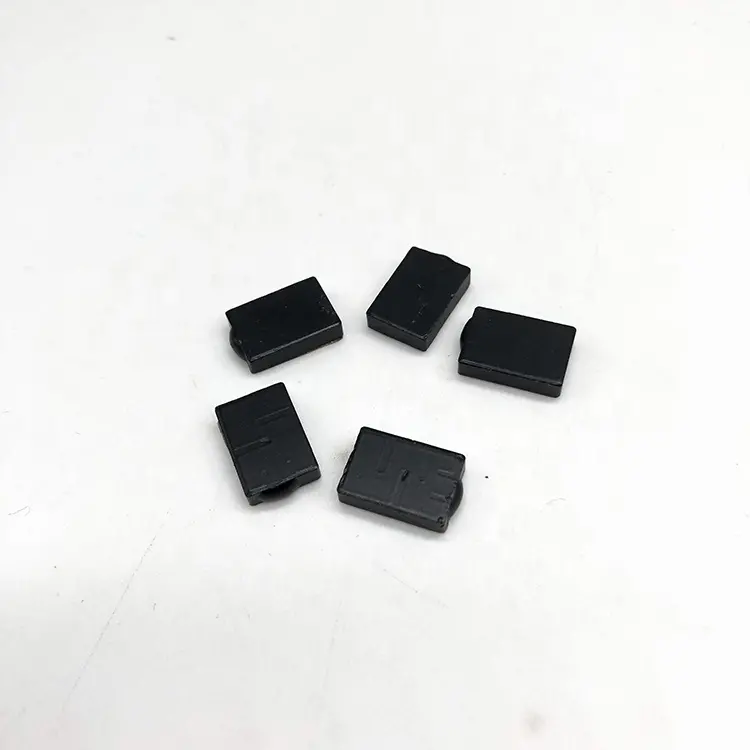 Ceramic on-metal tags · Manufacturer reference
Ceramic On-Metal RFID Tag
Chip: H3 (Customized) / Size: 13*9mm (Customized)
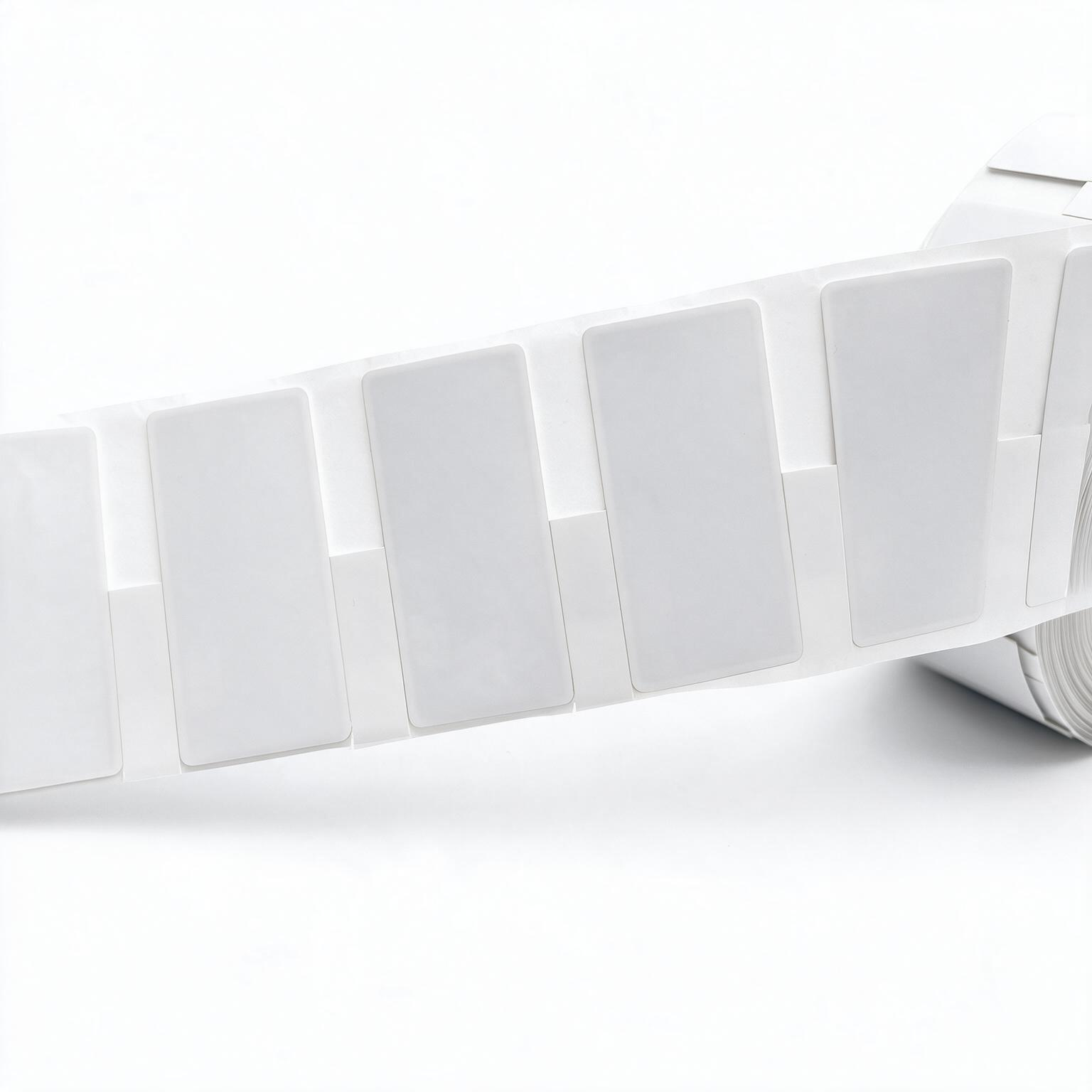 Flexible on-metal labels · Manufacturer reference
Flexible On-Metal RFID Label
Dimensions: 70 × 30 mm / Operating frequency: 860–960 MHz (UHF)
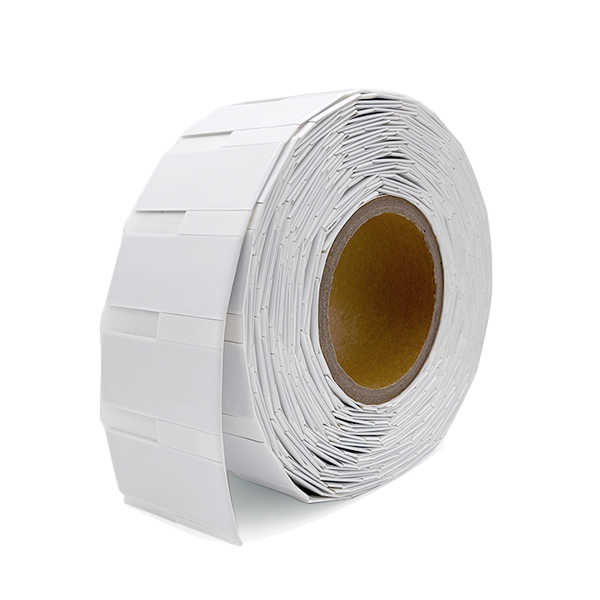 Flexible on-metal labels · Manufacturer reference
Flexible On-Metal RFID Label
Material: coated paper + foam / Size options: 100 × 25 / 90 × 25 / 70 × 30 / 60 × 25 / 50 × 25 / 40 × 20 mm
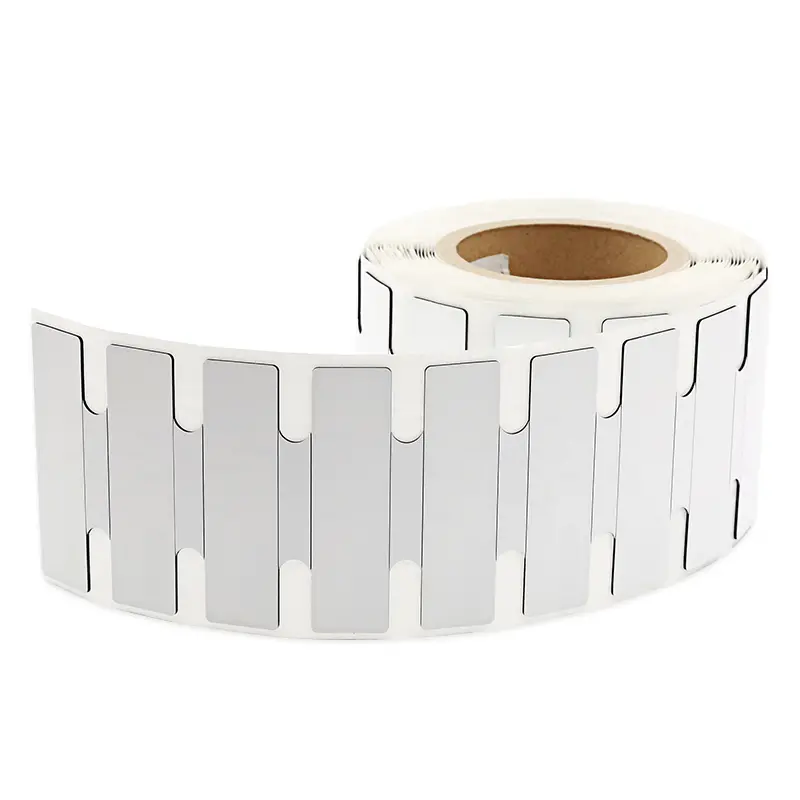 Flexible on-metal labels · Manufacturer reference
Flexible UHF On-Metal Asset Label
Chip: MR6 (Customized) ISO/IEC 18000-6C / Material: Coated Paper + EVA Foam
Direct Engineering Inquiry
Request PCB vs. Ceramic vs. Flexible On-Metal comparison samples
Submit this short form directly on the page—no separate form page required.
Frequently asked selection questions
Which on-metal tag works with standard RFID desktop label printers?
Only thin flexible ferrite or foam on-metal roll labels run through compatible RFID thermal-transfer printers; adjust printer thickness sensors and media calibration before printing batches.
Do compact ceramic on-metal tags read as far as large PCB tags?
Generally no—physical antenna aperture governs maximum capture range, so miniature ceramic tags trade peak distance for tiny metal-mounting footprints.
Do PCB and ceramic on-metal tags require regional FCC or ETSI frequency selection?
Yes. High-Q narrowband rigid PCB and ceramic antennas are often tuned specifically for ETSI (865–868 MHz) or FCC (902–928 MHz) to hold efficiency; confirm your deployment region in your sample request.