MIFARE Classic vs. Ultralight vs. DESFire: How 13.56 MHz Families Differ
Although all three families share the 13.56 MHz ISO/IEC 14443A air interface, MIFARE Ultralight, MIFARE Classic and MIFARE DESFire occupy distinct tiers of memory organization, cryptographic strength and lock/reader compatibility. Selecting the wrong tier causes immediate encoder rejection on hotel doors and campus gates.
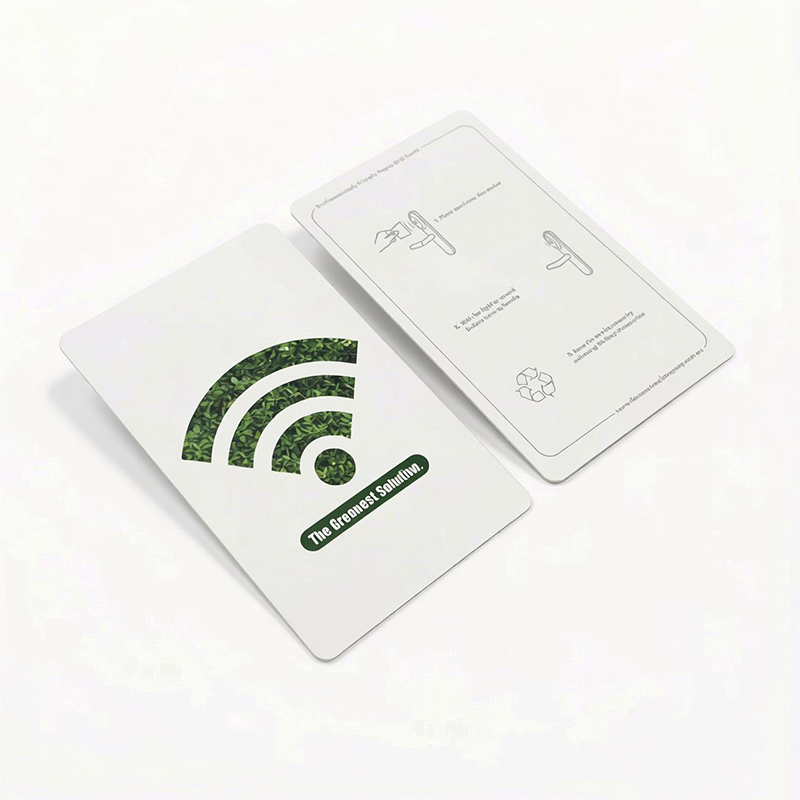
Side-by-side specification matrix
| Family / Option | Memory Structure | Security Tier | Common Commercial Fit |
|---|---|---|---|
| MIFARE Ultralight EV1 / C | 48 B or 128 B (EV1); 144 B (Ultralight C) | Password/originality (EV1) or 3DES auth (C) | Hotel key cards, single-trip event & transit paper tickets, disposable passes |
| MIFARE Classic EV1 1K & FM11RF08 (F08) | 1 KB organized into 16 sectors | Crypto1 sector keys; 4B NUID or 7B UID | Legacy door/locker locks, hotel energy cards, ABS fobs & HF asset labels |
| MIFARE DESFire EV2 / EV3 | 2K / 4K / 8K hierarchical file system | Hardware AES-128 / 3DES multi-application | Enterprise physical access, university campus IDs & secure transit credentials |
Memory layout: flat pages vs. 16 sectors vs. file directory
Ultralight stores lightweight flat pages suited to room numbers or ticket IDs. Classic 1K (and compatible FM11RF08 / F08) partitions 1 KB across 16 key-protected sectors. DESFire runs a full ISO/IEC 14443-4 smart-card operating system hosting up to multiple independent encrypted applications on one card.
Hotel lock encoders: Ultralight EV1 vs. Ultralight C
Hospitality locks from major commercial vendors frequently mandate either Ultralight C (with 3DES authentication) or specific Ultralight EV1 memory tiers—never swap them casually without verifying the front-desk encoder.
Original NXP silicon vs. compatible FM11RF08 (F08)
Where readers check NXP originality signatures or mandate enterprise security specs, specify genuine NXP MIFARE Classic EV1 or DESFire EV2/EV3 explicitly and confirm 4-byte vs. 7-byte UID handling.
Representative models (24 shown)
- Hotel key & power cards · Store catalog
F08 Coated-paper Hotel Card
Chip: Fudan F08 / Material: Coated paper
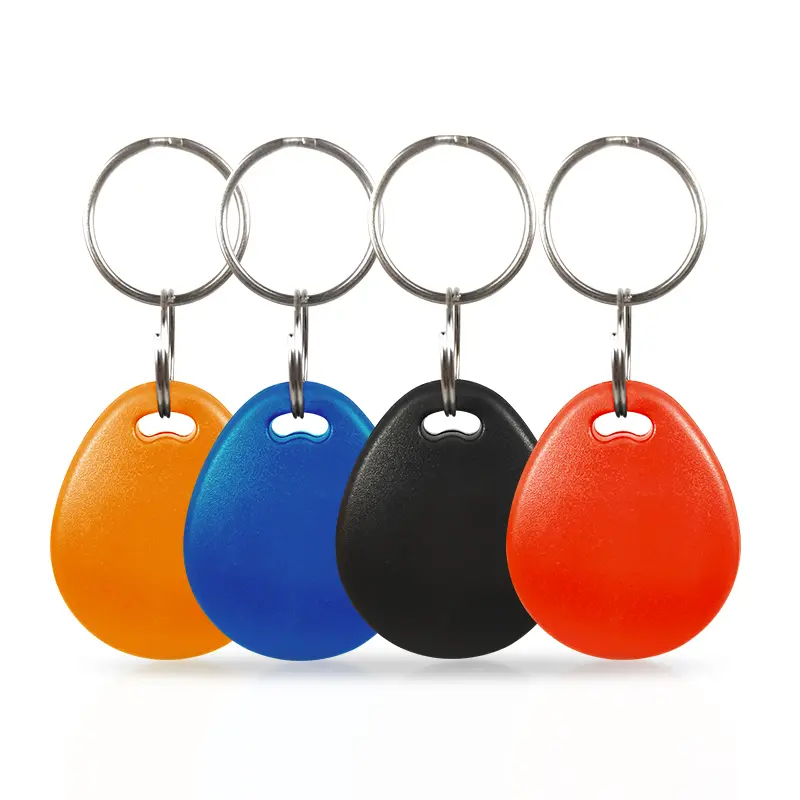 ABS key fobs · Manufacturer reference
ABS NFC Key Fob
Material: ABS / Chip options: EM4100 ,EM4102,EM4200,DESFire,Ultralight etc.
- ABS key fobs · Manufacturer reference
ABS NFC Key Tag
Material: ABS / Chip options: EM4100 ,EM4102,EM4200,DESFire,Ultralight etc.
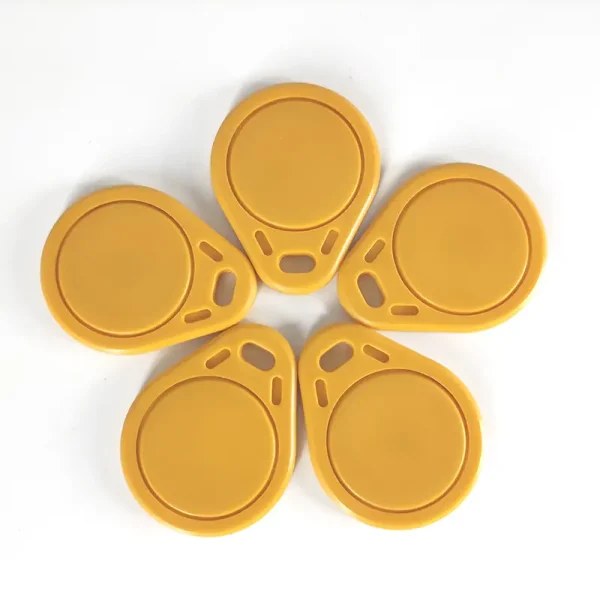 Access key fobs · Manufacturer reference
ABS RFID Key Fob
Housing material: ABS engineering plastic / epoxy / Chip options: M1(S50/S70) / ID(EM4100) / CPU
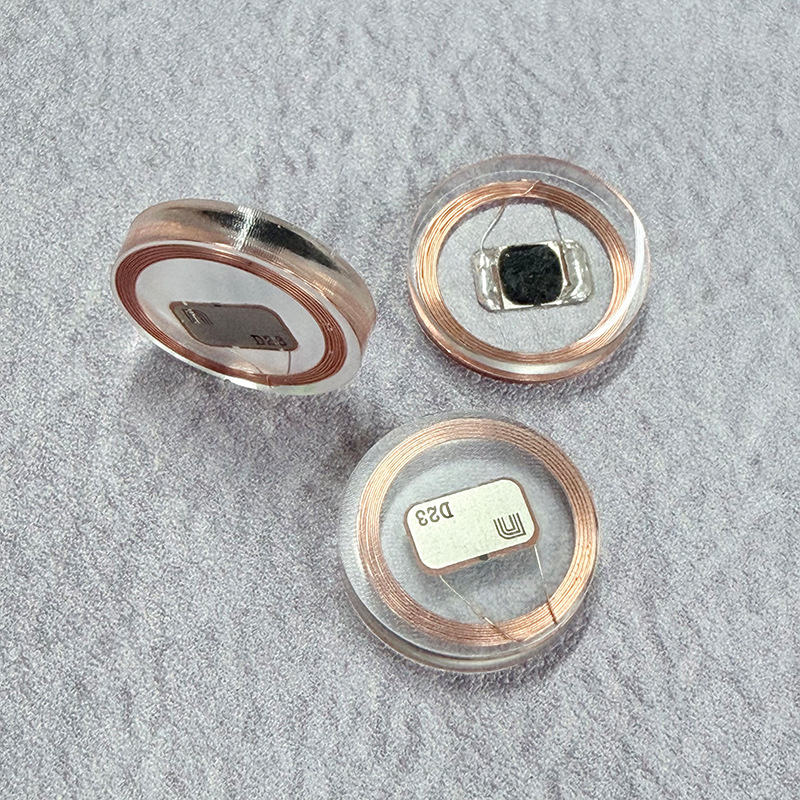 Round & custom-shape cards · Manufacturer reference
DESFire D23 Epoxy Coin Card
Model: D23 epoxy coin card / Chip: NXP MIFARE DESFire D23
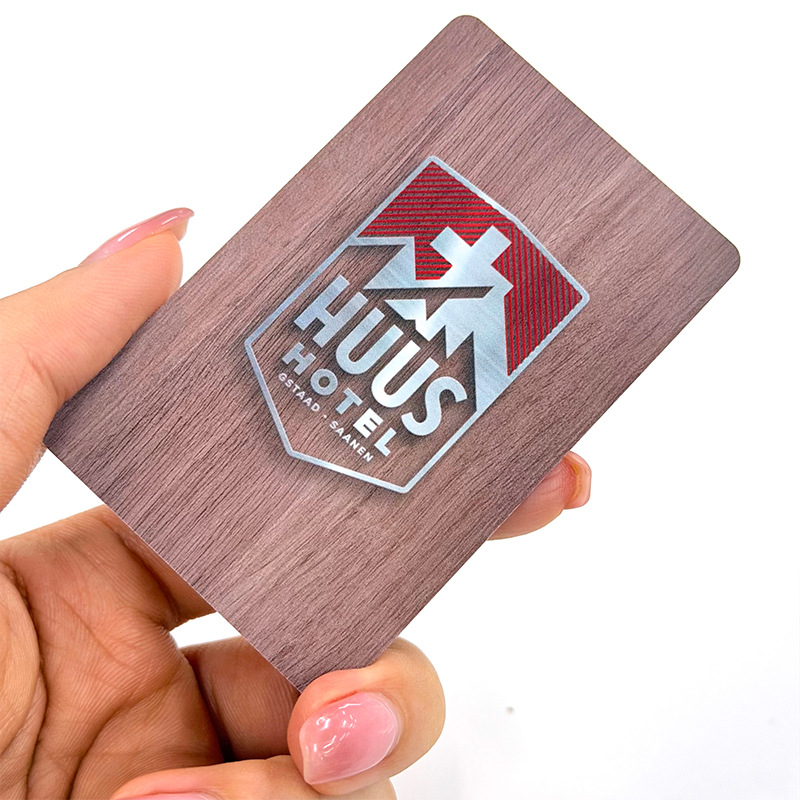 Hotel key & power cards · Manufacturer reference
DESFire D41 Hotel Power Card
Chip designation: NXP MIFARE DESFire D41 / Operating frequency: 13.56 MHz
 Contactless chip cards · Manufacturer reference
DESFire EV2 IC Card
Chip designation: NXP MIFARE DESFire EV2 / Operating frequency: 13.56 MHz
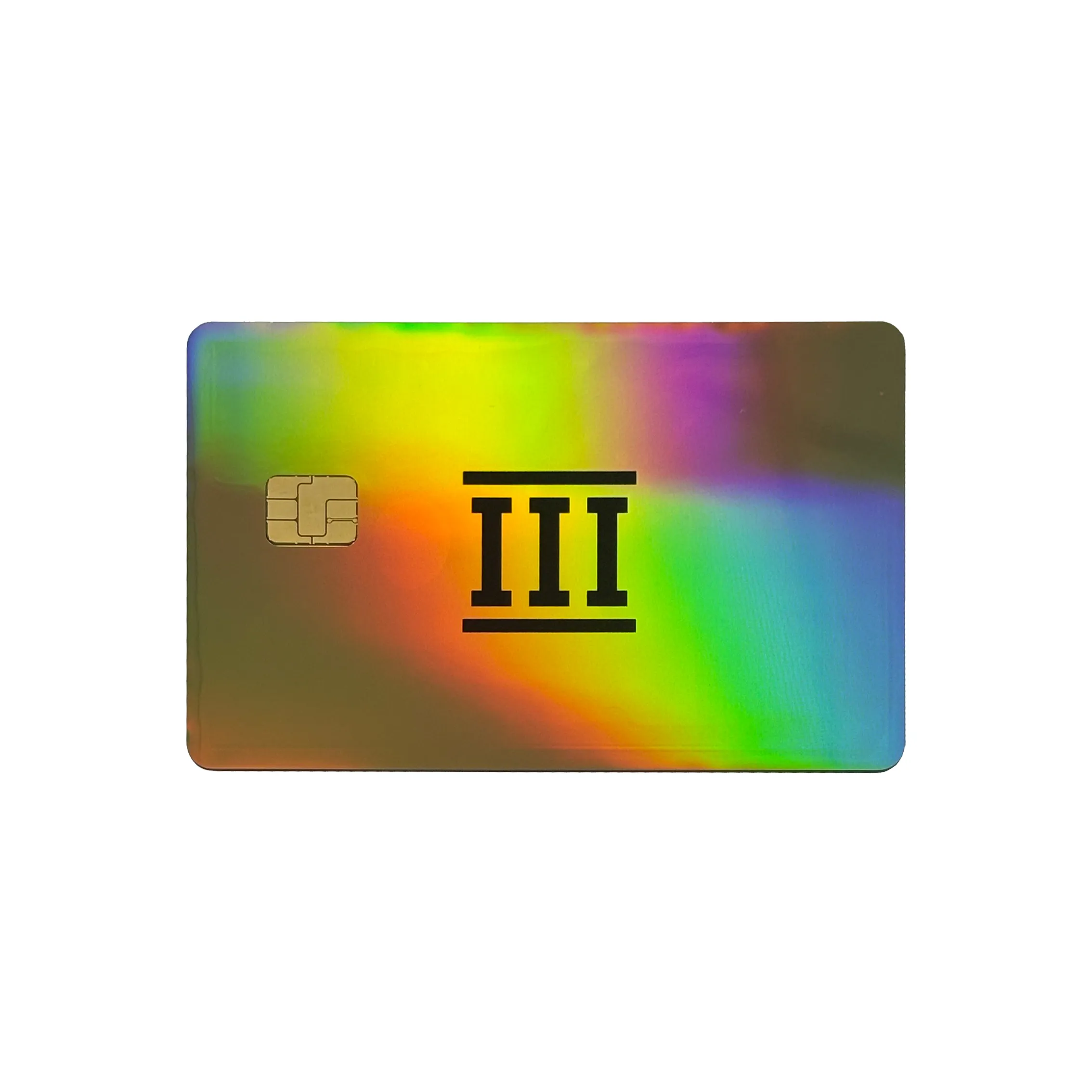 Metal cards · Manufacturer reference
DESFire EV3 Metal Card
Chip: MIFARE DESFire EV3 2K/4K / Operating frequency: 13.56 MHz
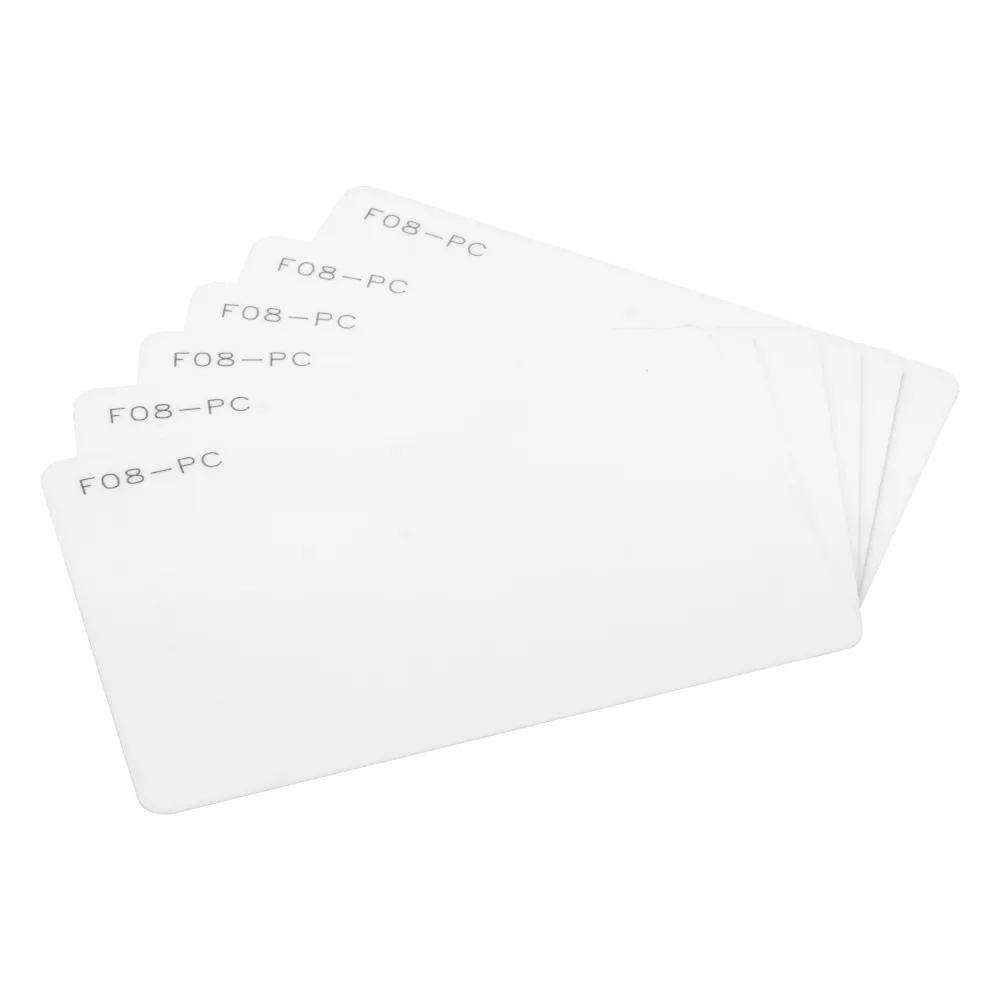 Printed & blank cards · Manufacturer reference
F08 Access Control Blank Card
Chip: F08 / S50 / NTAG213 options / Operating frequency: 13.56 MHz
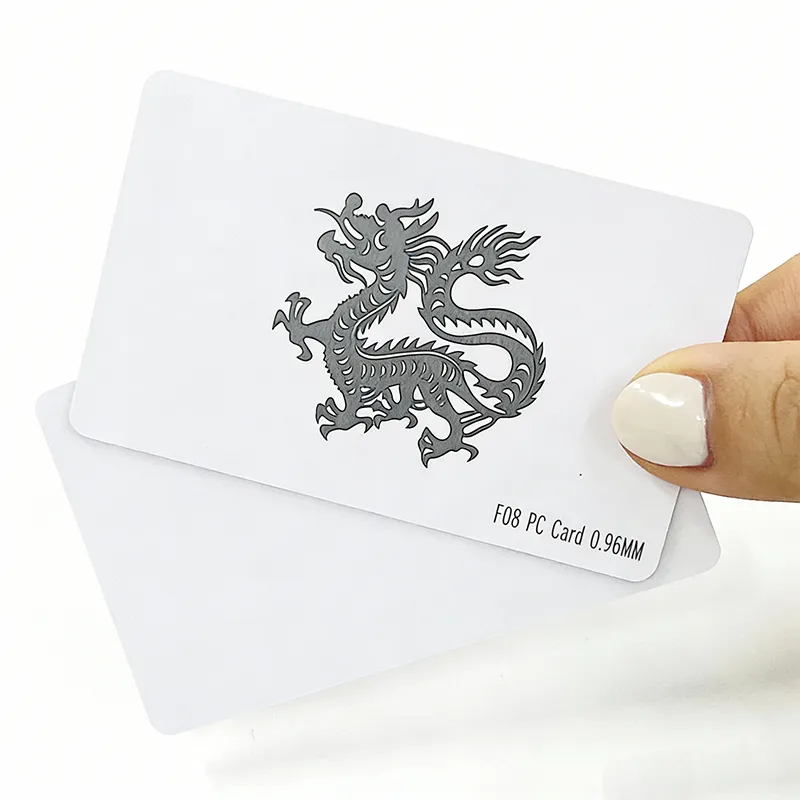 Campus & photo ID cards · Manufacturer reference
F08 Campus Card
Chip: Fudan F08 (compatible with M1 S50) / Operating frequency: 13.56 MHz
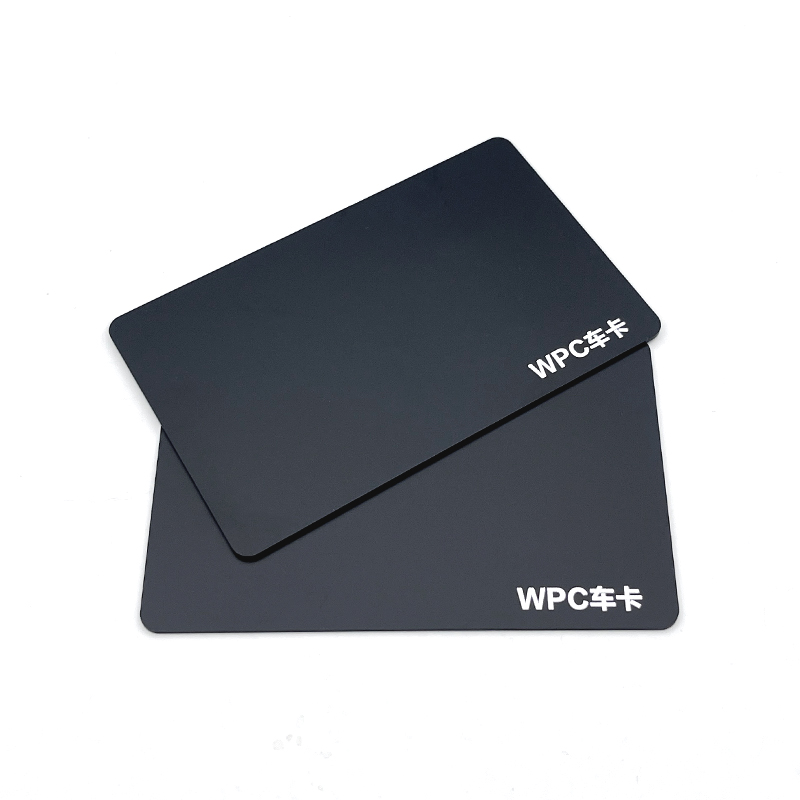 Vehicle key & charging cards · Manufacturer reference
M1 Vehicle Card
Chip: NXP MIFARE Classic 1K(S50) / Operating frequency: 13.56 MHz
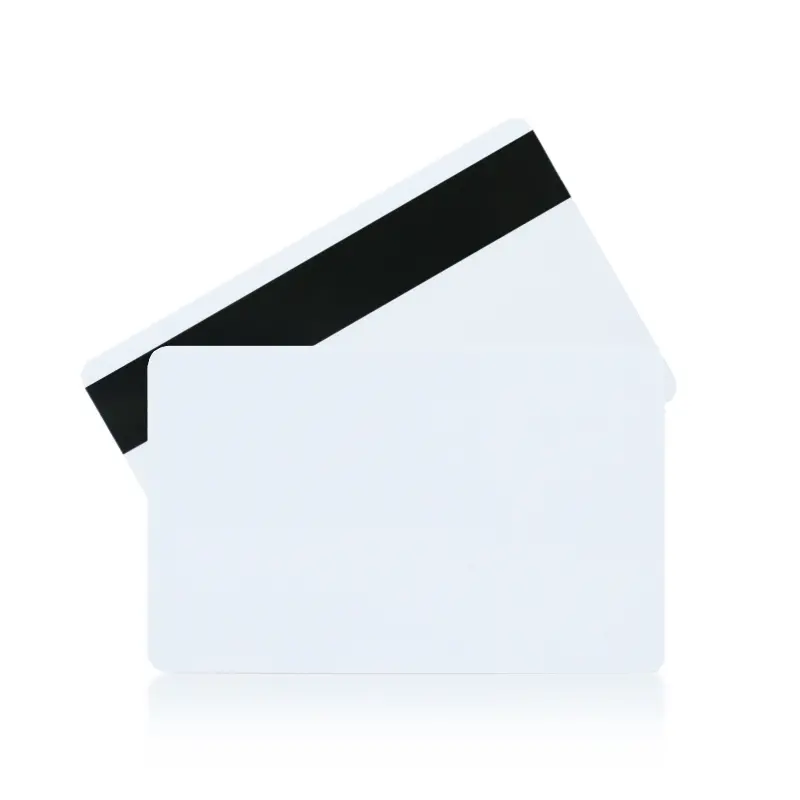 High-frequency access cards · Manufacturer reference
MIFARE Classic S50 Card with Magnetic Stripe
Chip: Mifare Classic IK (ISO/IEC 14443A) / Size: 85.6*54mm
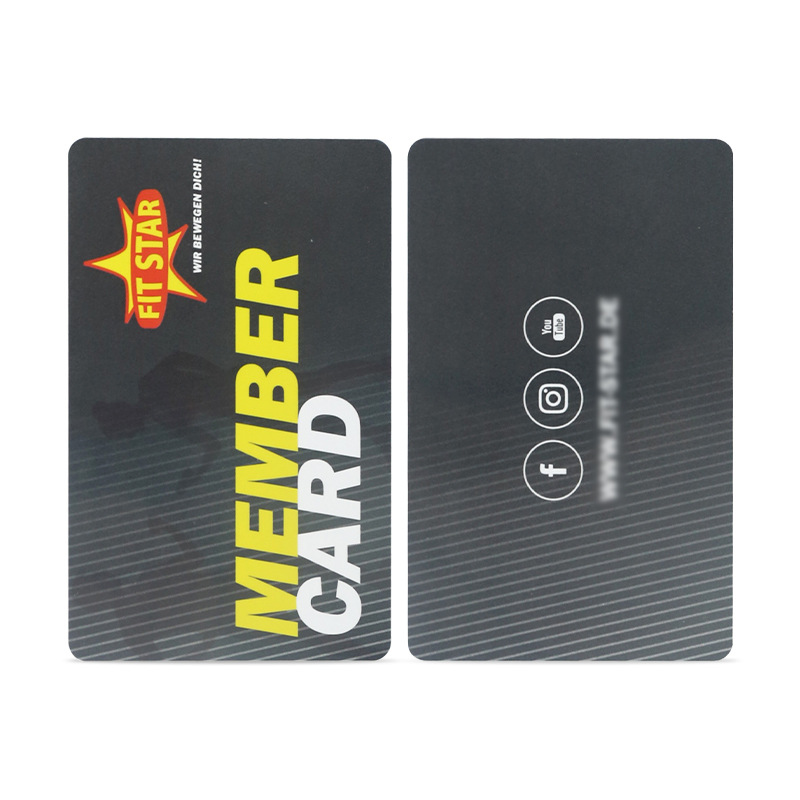 Printed & blank cards · Manufacturer reference
MIFARE Classic S50 Printed Card
Chip designation: NXP MIFARE Classic S50 / Operating frequency: 13.56 MHz
- High-frequency access cards · Manufacturer reference
MIFARE Ultralight C 13.56 MHz Card
Size: 85.6*54mm / Protocol: ISO/IEC 14443A
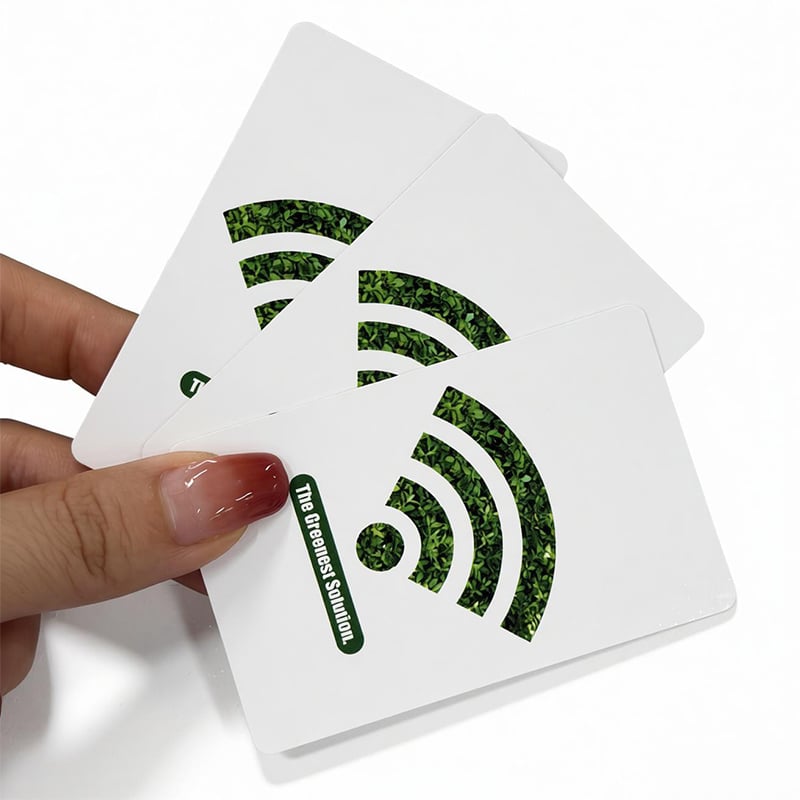 Paper tickets & event cards · Manufacturer reference
MIFARE Ultralight EV1 Paper Ticket Card
Chip: MIFARE Ultralight EV1 / Material in the heading: Paper
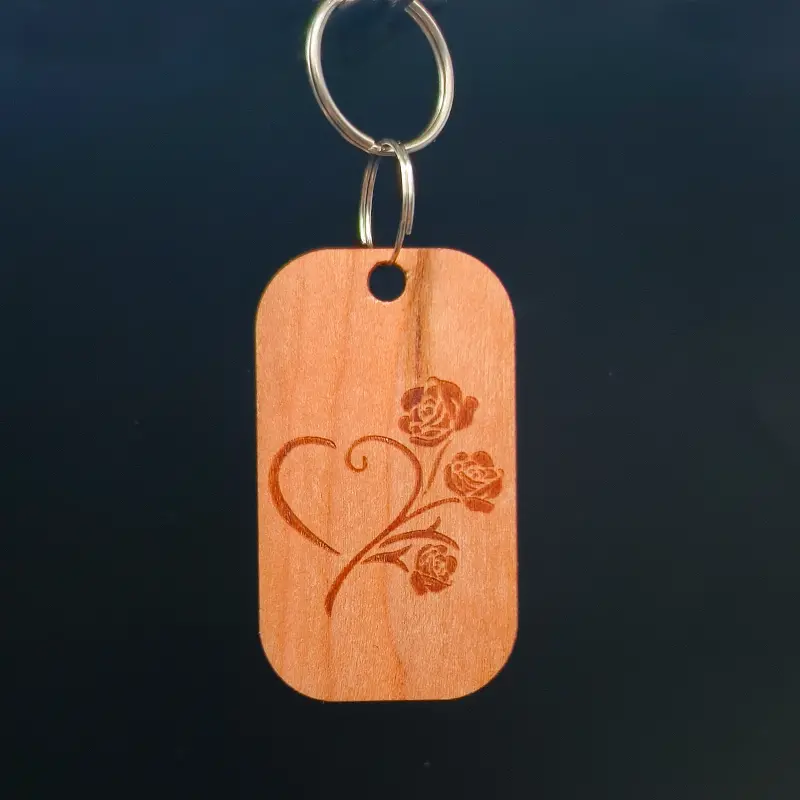 Wooden key fobs · Manufacturer reference
Shaped Wooden Hotel Key Fob
Chip options: MIFARE Classic S50 / F08 / Material: Beech, Black Walnut, Bamboo, Sapele, Maple or Cherry Wood
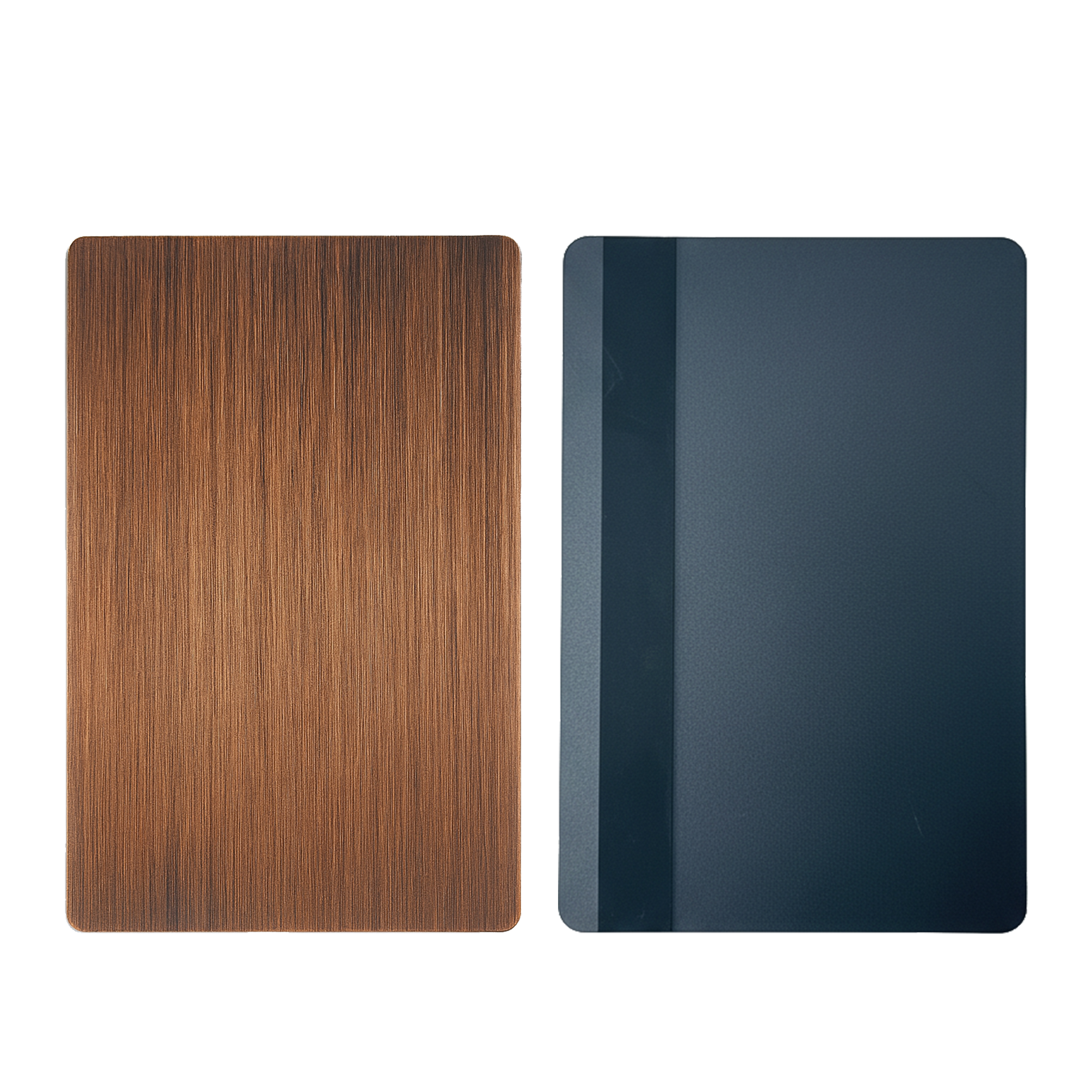 Metal-face and metal-core cards · Manufacturer reference
Single-Sided DESFire Metal-Face Card
Listed chip: DESFire / Face material: Stainless Steel
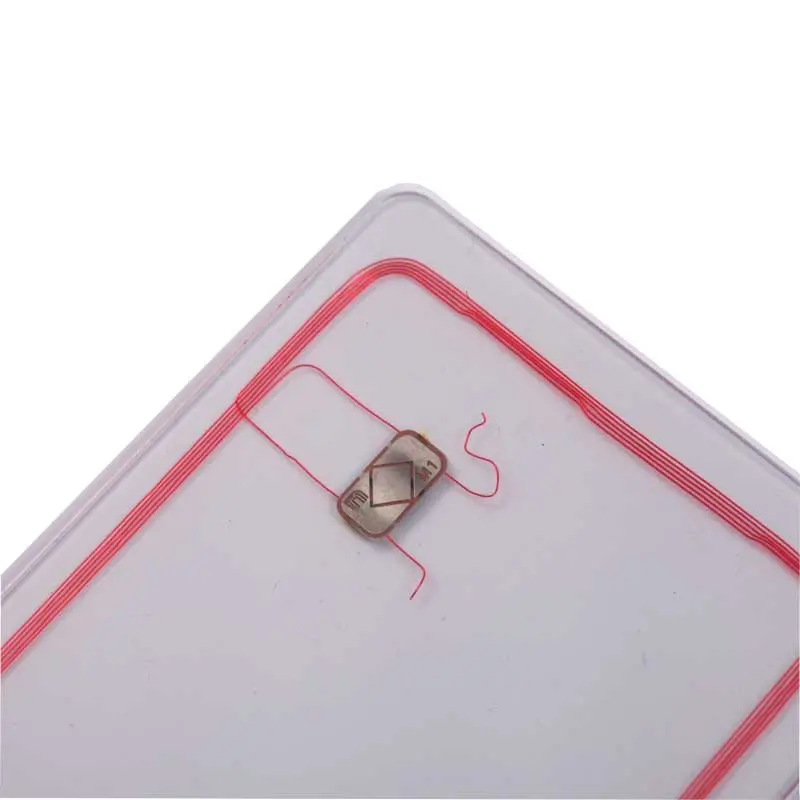 Printed plastic and magnetic stripe cards · Manufacturer reference
Transparent PLA Printed Card
Material: PLA/PVC/PET/PETG/Paper(Glossy / Matte/Frosted) / Size: Standard(85.5mm x 54mm) or customized
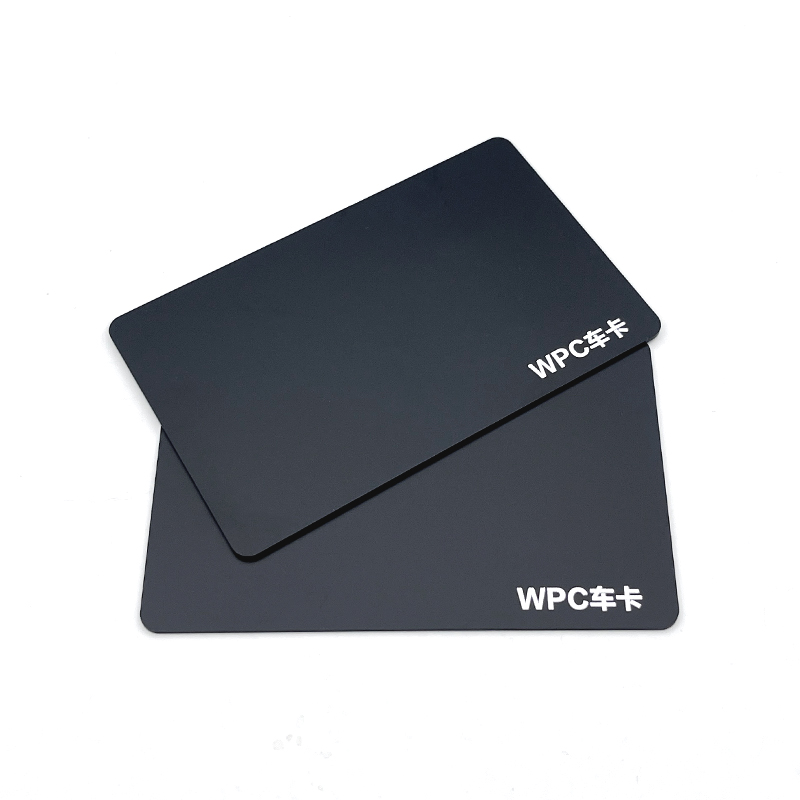 Vehicle key & charging cards · Manufacturer reference
WPC Vehicle Card
Material options: PVC, PET, PETG or paper / Standard dimensions: 86 × 54 mm, customizable
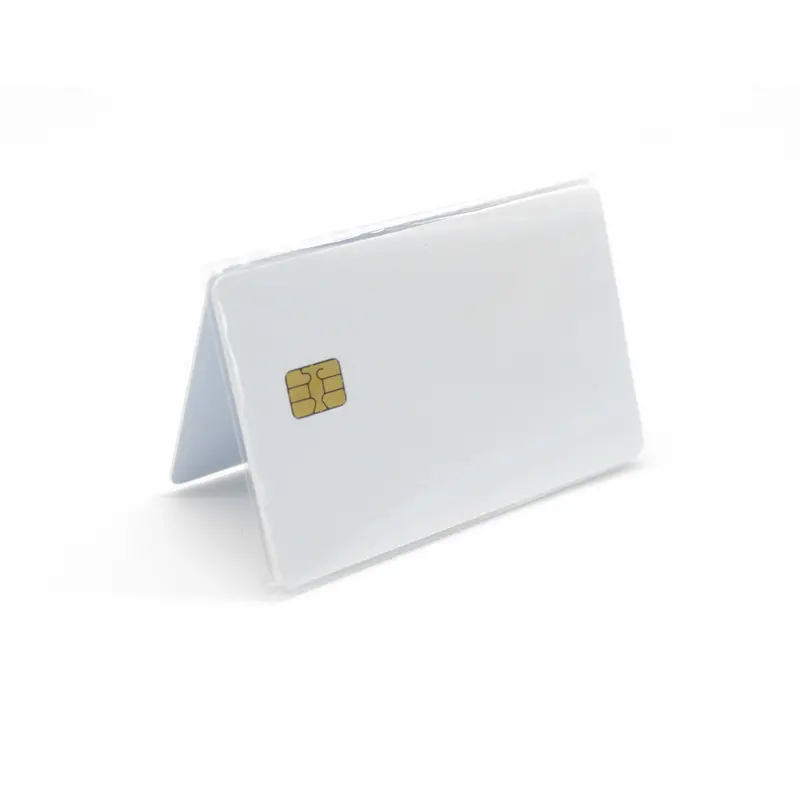 Format ref.Access & transit cards · Store catalog
DESFire XL 32K MF3DA2 White Transit & Access Card
Chip designation: DESFire XL 32K / MF3DA2; confirm exact chip specification / Format: Blank white contactless IC card
- Format ref.Hotel key & power cards · Store catalog
F08 Custom Hotel Power Card
Chip: F08 / Standard card size: The cover lists a standard card size of 85.6 × 54 mm.
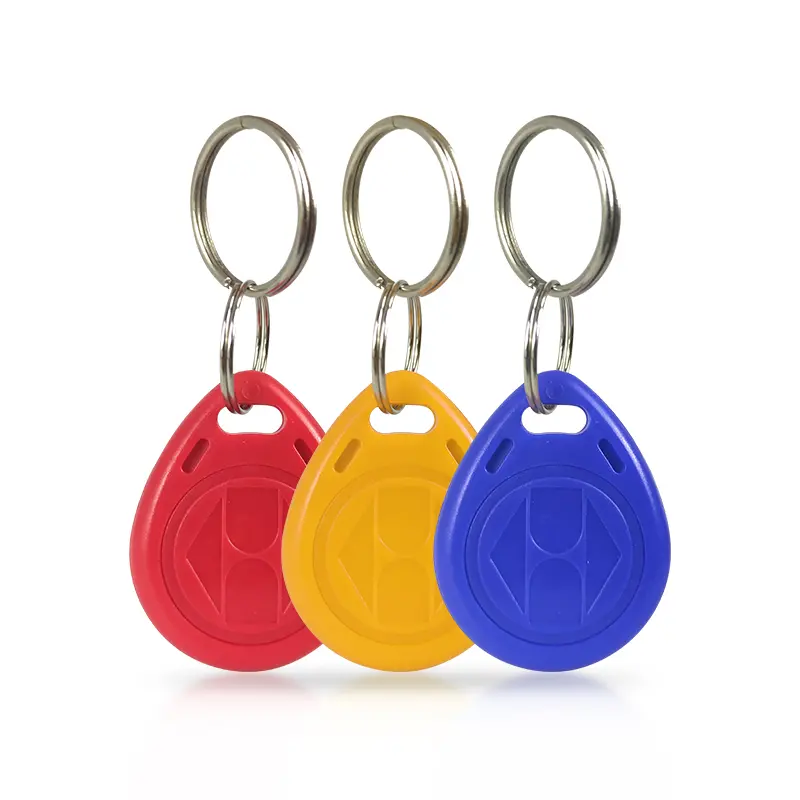 Format ref.Access key fobs · Store catalog
F08 Rewritable Teardrop Keyfob
Chip: F08 / Cover fob chip families: The cover groups IC, ID and CUID fob options with read/write, water-resistant housing.
- Format ref.Printed & blank cards · Store catalog
F08 White PVC Property & Hotel Access Card
Chip: F08 / Material: White PVC
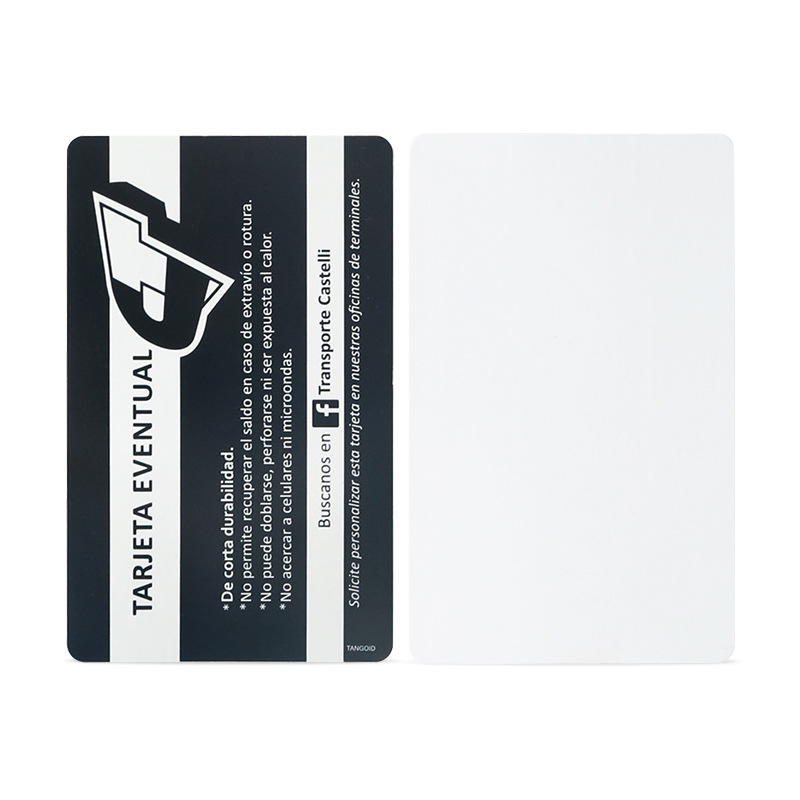 Format ref.Printed & blank cards · Store catalog
MIFARE Classic EV1 1K 7-byte UID Card
Chip designation: MIFARE Classic EV1 1K / S50 / Chip: MIFARE Classic EV1 1K
Direct Engineering Inquiry
Request Classic vs. Ultralight vs. DESFire comparison samples
Submit this short form directly on the page—no separate form page required.
Frequently asked selection questions
Can MIFARE DESFire cards replace MIFARE Classic cards on older door readers?
Only if your door readers already run ISO/IEC 14443-4 DESFire firmware; legacy Classic-only readers cannot speak DESFire application commands without firmware/hardware replacement.
Why does 4-byte vs. 7-byte UID length cause issues in Classic EV1 orders?
Older access panels often truncate or store 32-bit (4-byte) UIDs while modern databases use full 56-bit (7-byte) UIDs. Check what an existing working card reads before ordering.
Are all three MIFARE families readable by smartphones?
Modern Android devices read Ultralight and DESFire UIDs/NDEF natively and many read Classic 1K depending on NFC controller hardware, whereas iOS CoreNFC focuses on standard NFC Forum Type 2/4/5 tags rather than proprietary Classic sectors.