ISO/IEC 15693 (ICODE SLIX) vs. ISO/IEC 14443A (NTAG / MIFARE) Compared
Both ISO/IEC 15693 and ISO/IEC 14443A operate at 13.56 MHz—and both interact with modern NFC smartphones—yet readers built for one protocol do not automatically share command sets or read-zone physics with the other. Understanding vicinity versus proximity coupling keeps library, laundry and access hardware matched cleanly.
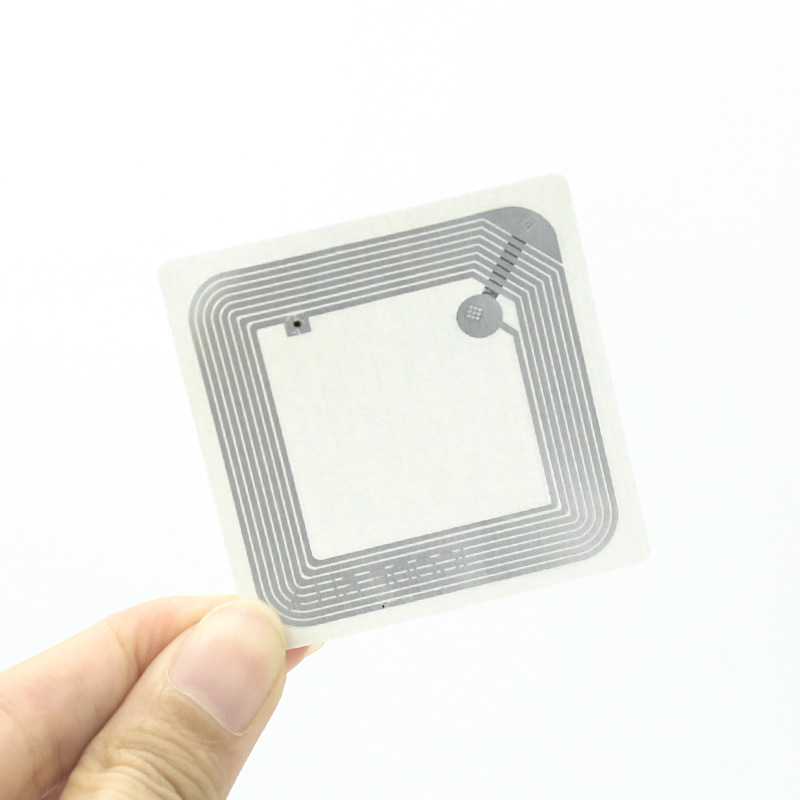
Side-by-side specification matrix
| Protocol Standard | Representative Chips | Coupling Class & Typical Behavior | Core B2B Deployments |
|---|---|---|---|
| ISO/IEC 15693 (NFC Forum Type 5) | NXP ICODE SLIX / SLIX2 | Vicinity — longer coil reach & multi-item stack anti-collision | Public/university library books, EAS gates, optical discs & HF textile tunnels |
| ISO/IEC 14443A (NFC Type 2) | NTAG213 / 215 / 216, Ultralight EV1/C | Proximity — deliberate tap distance; ubiquitous mobile NDEF & hotel lock support | Smartphone marketing taps, hotel key cards, paper event tickets & review cards |
| ISO/IEC 14443A / -4 (NFC Type 4) | MIFARE DESFire EV2/EV3, NTAG424 DNA | Proximity — hardware AES/3DES cryptography & multi-file access control | Enterprise doors, transit passes, cashless campus IDs & SUN bottle seals |
Vicinity gates and stack reading vs. intentional tap zones
ISO/IEC 15693 was engineered for slightly larger vicinity interrogator coils (such as library circulation counters and wide exit pedestals), handling stacked labels reliably. ISO/IEC 14443A targets close-proximity intentional taps so adjacent badges in a wallet or crowded turnstile do not collide.
EAS alarm bits & ISO 28560 book workflows
ICODE SLIX/SLIX2 tags expose native Application Family Identifier (AFI) and Electronic Article Surveillance (EAS) flags tailored for library circulation software, letting staff check out a book and quiet its security pedestal without detaching the sticker.
Smartphone NFC Type 5 vs. Type 2/4 parity
Both iOS and Android devices natively read NDEF messages stored on ISO 15693 (NFC Forum Type 5) as well as Type 2/4 chips, though ISO 14443A NTAG213 dominates consumer-facing stickers due to lower cost per inlay.
Representative models (24 shown)
- Library labels · Store catalog
ICODE SLI-X Printable Library Label
Chip designation: I CODE SLI-X / Chip: ICODE SLI-X
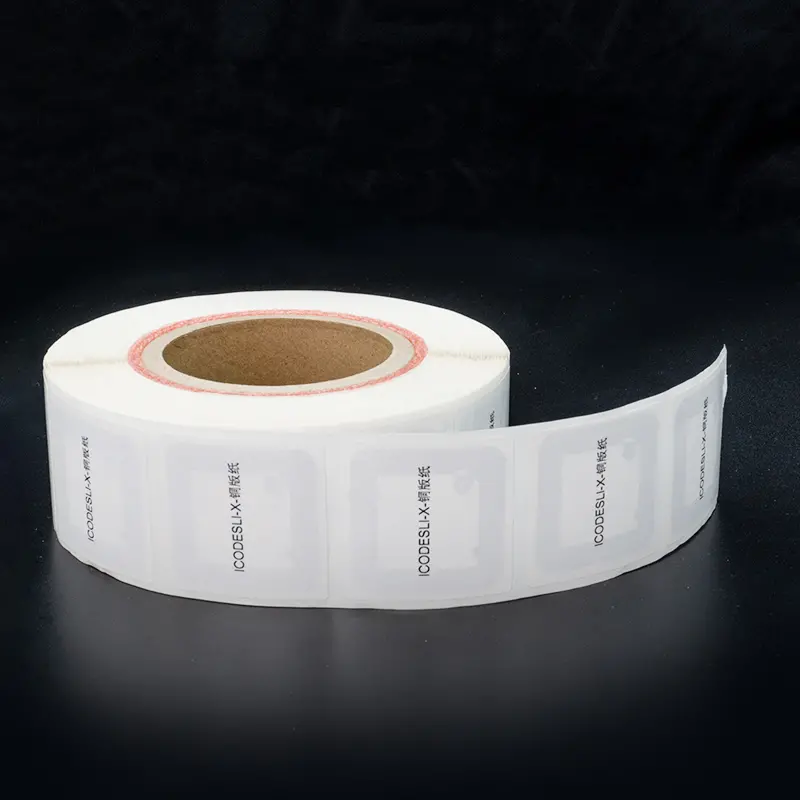 Library labels · Manufacturer reference
13.56 MHz ICODE SLIX Library Tag
Electrical specifications · Chip: I CODE SLIX / Electrical specifications · Frequency: 13.56MHz
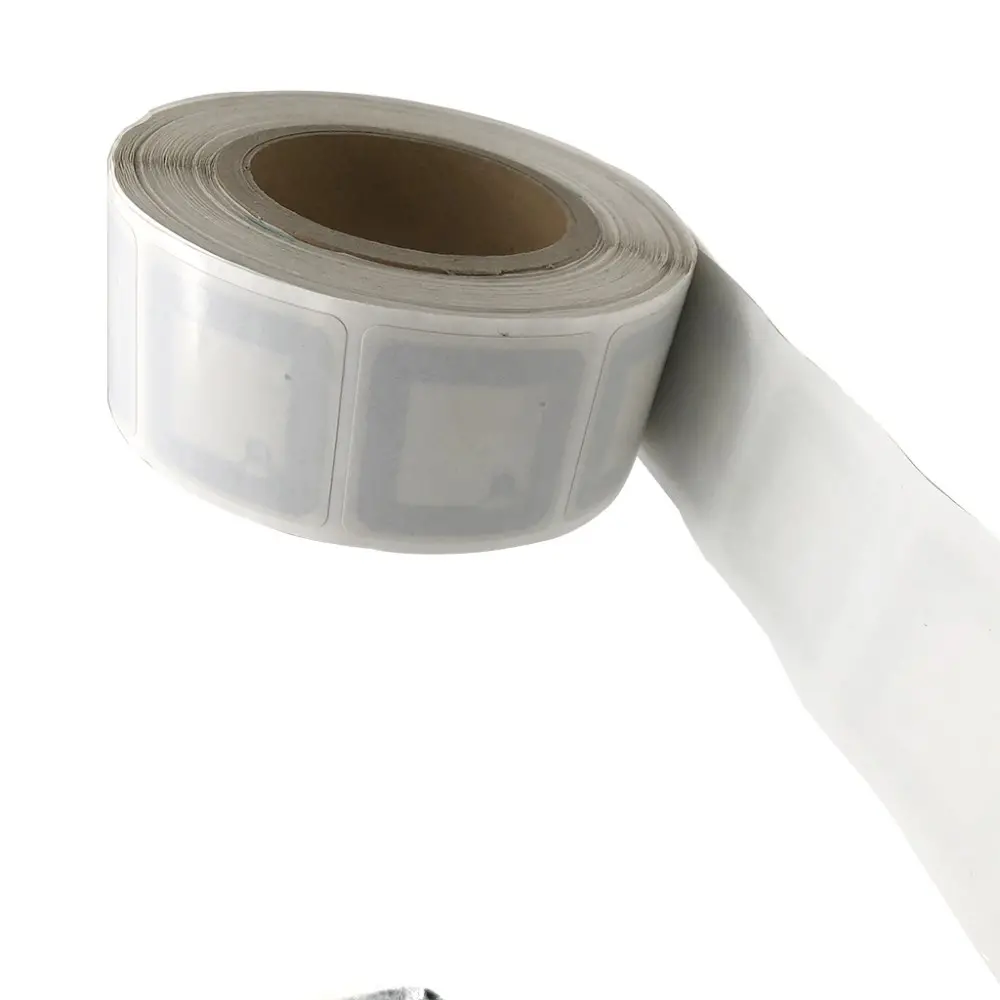 Library labels · Manufacturer reference
13.56 MHz Library Book Tag
Electrical specifications · Chip: ICODE SLIX / Electrical specifications · Frequency: 13.56MHz
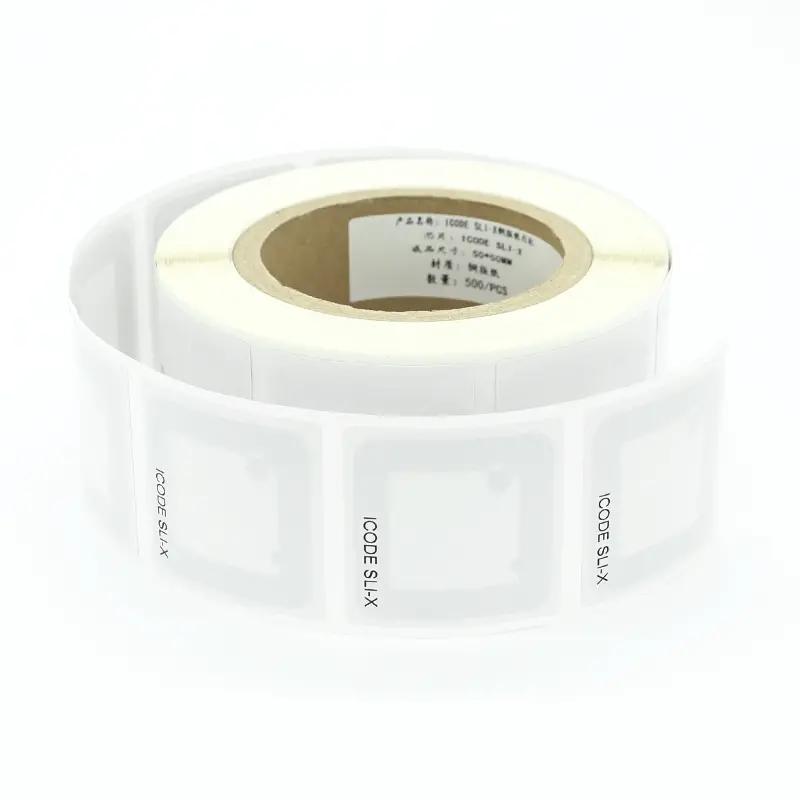 Library labels · Manufacturer reference
13.56 MHz Library Label
Physical specifications · Antenna size: 22*35 mm (customized) / Physical specifications · Material: Coated Paper/PET/Synthetic Paper /PVC…
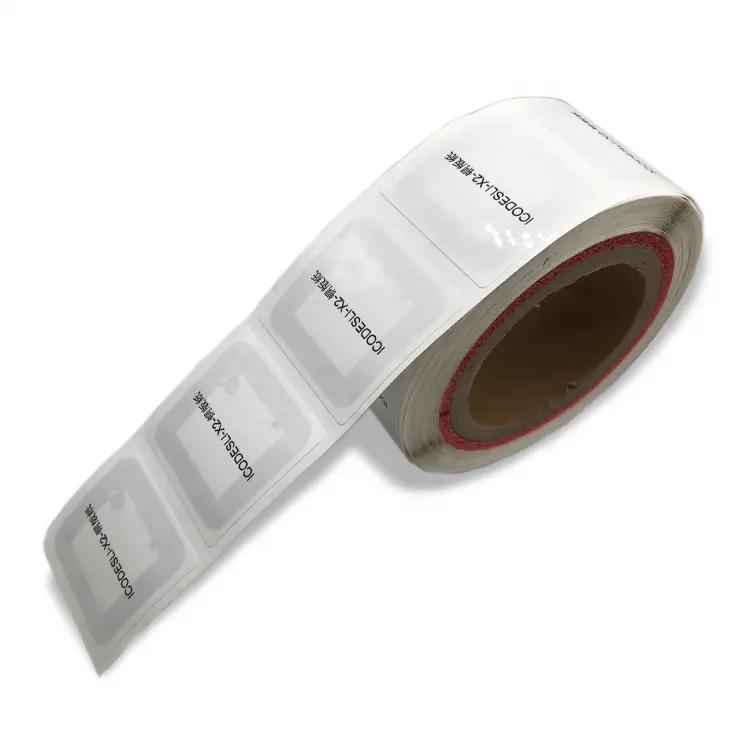 Library labels · Manufacturer reference
Adhesive HF Library Book Label
Material: coated paper/thermal paper/synthetic paper/PVC/PET… (Customized) / Size: 50*50 mm (Customized)
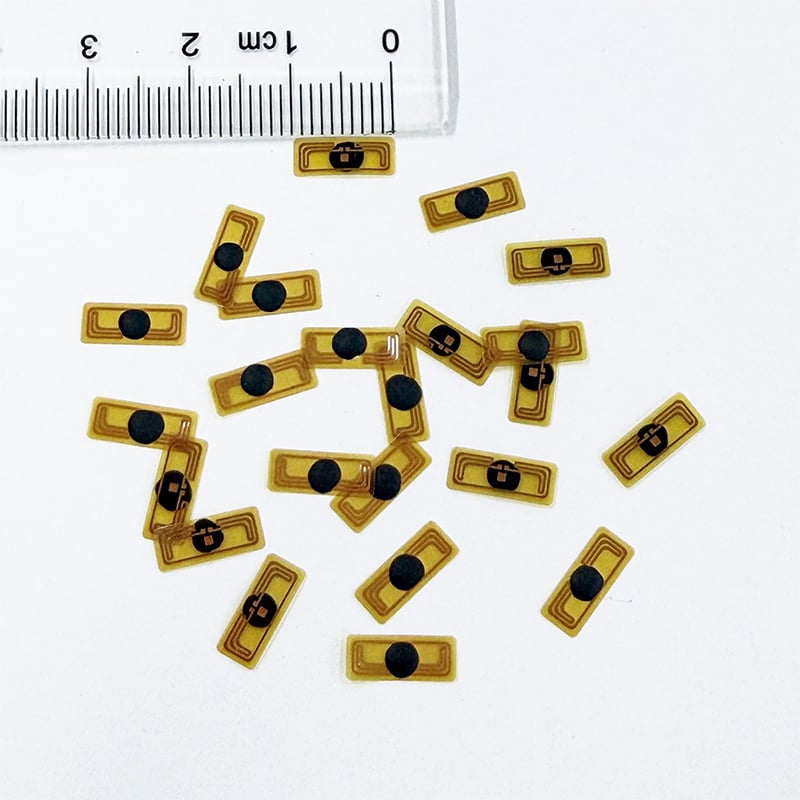 FPC tags · Manufacturer reference
Compact HF FPC RFID Tag
Listed chip options: NTAG213, NTAG215 or ICODE SLIX / Protocol options: ISO/IEC 15693 or ISO 14443A
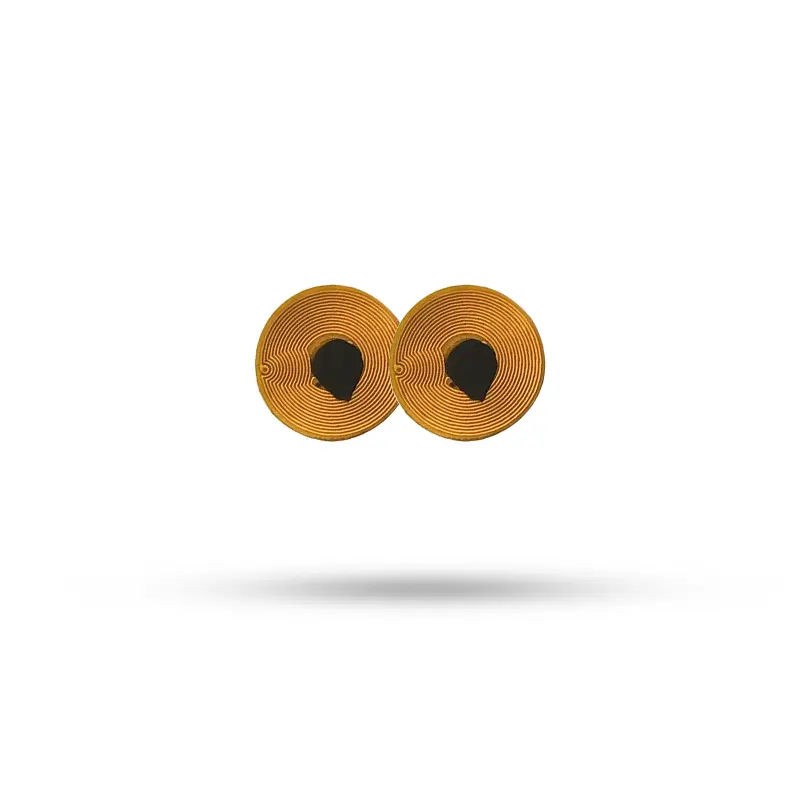 Flexible circuit tags · Manufacturer reference
D82 Flexible Printed Circuit NFC Tag
Chip: I CODE SLIX(Customized) / Size: 31*27mm (Customized)
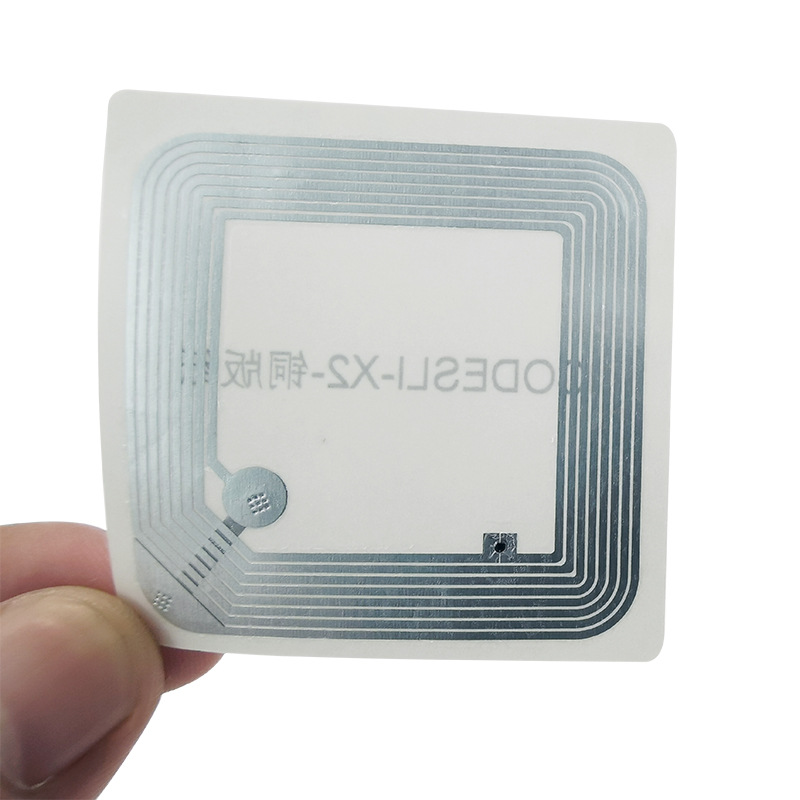 Library labels · Manufacturer reference
HF Library Label
Operating frequency: 13.56 MHz / Dimensions: 55 × 55 mm (customizable)
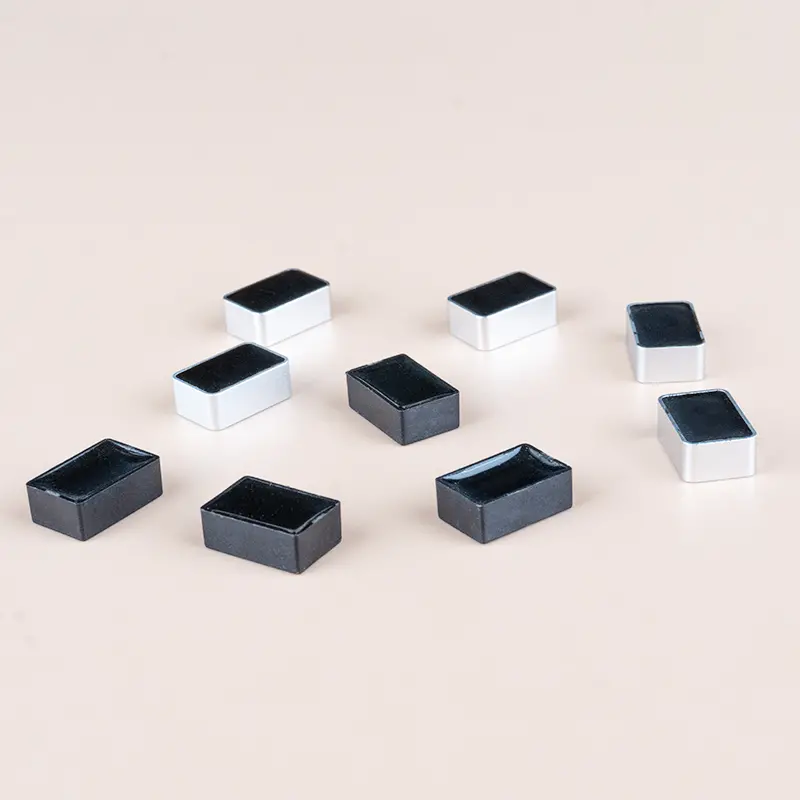 On-metal hard tags · Manufacturer reference
HF On-Metal Industrial Tag
Material: PPS / Chip: Icode slix/MB89R118C
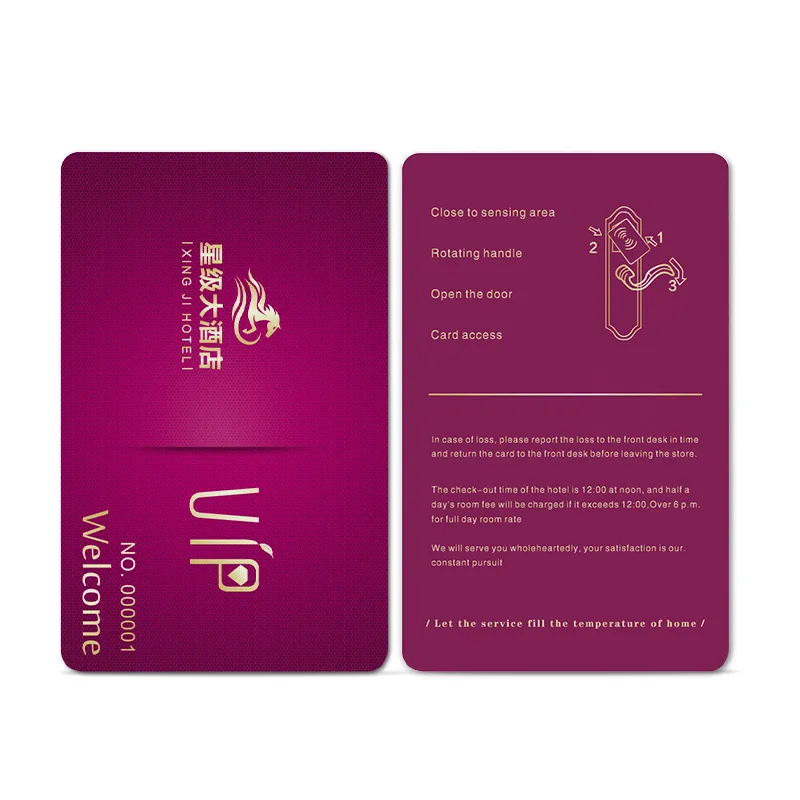 Hotel key & power cards · Manufacturer reference
Hotel Key Card
Model: ICODE SLI-X2 smart card / Chip: NXP ICODE SLI-X2
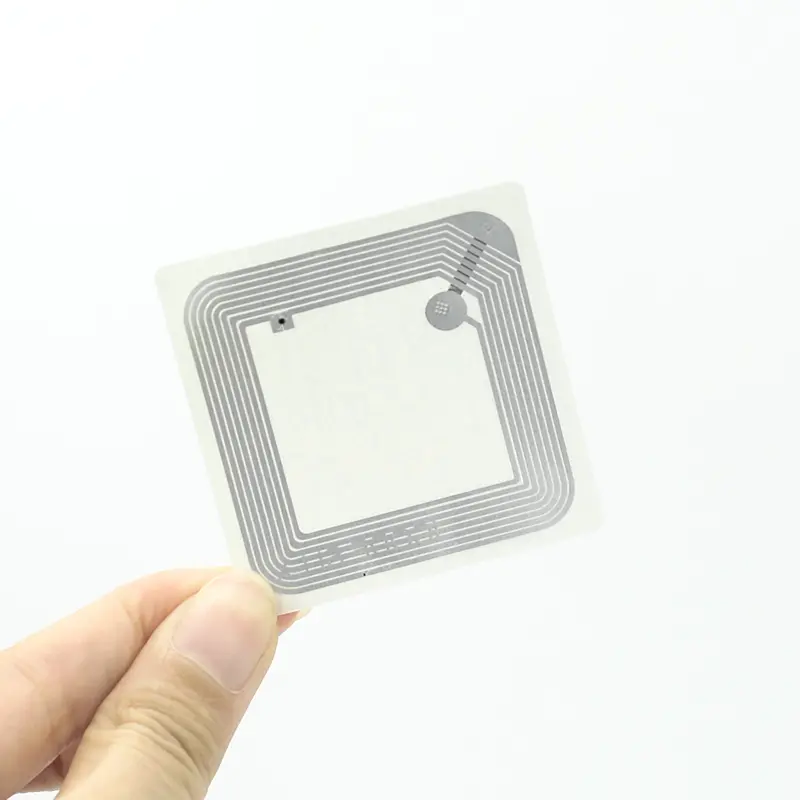 Library labels · Manufacturer reference
ICODE SLI Library Label
Physical specifications · Antenna size: 22*35 mm (customized) / Physical specifications · Material: Coated Paper/PET/Synthetic Paper /PVC…
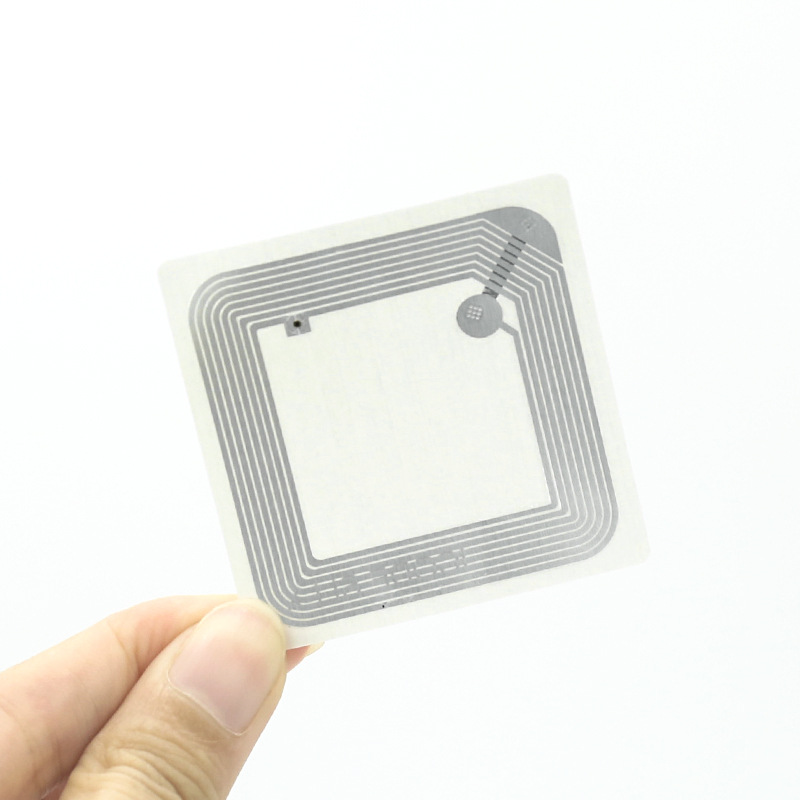 Library labels · Manufacturer reference
ICODE SLI-X Library Label
Chip designation: NXP ICODE SLI-X / Operating frequency: 13.56 MHz
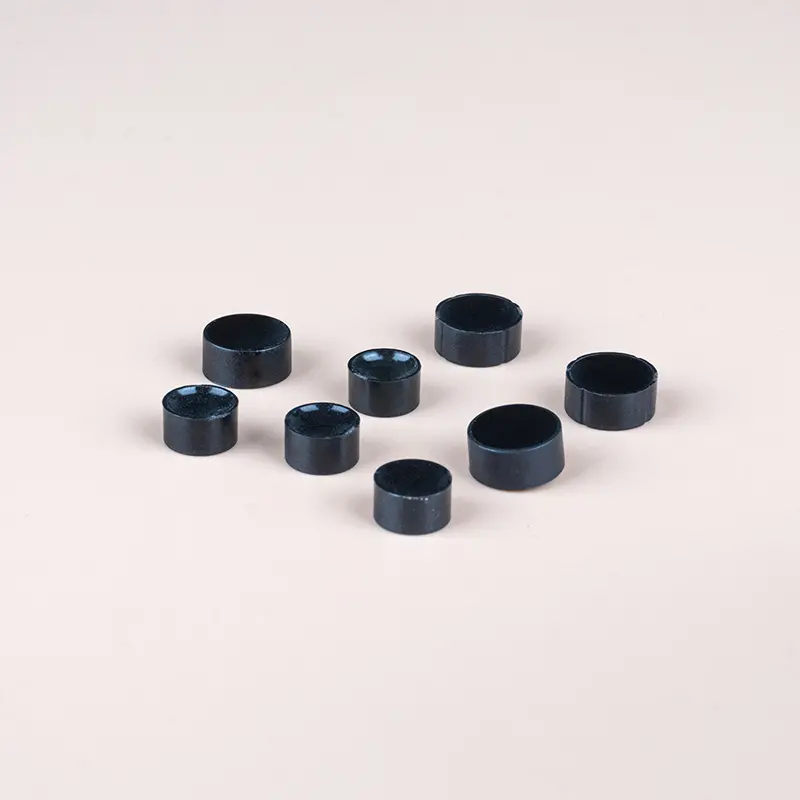 Industrial asset and carrier tags · Manufacturer reference
ICODE SLIX Carrier Tag for Molds and Fixtures
Material: PPS / Chip: Icode slix/MB89R118C
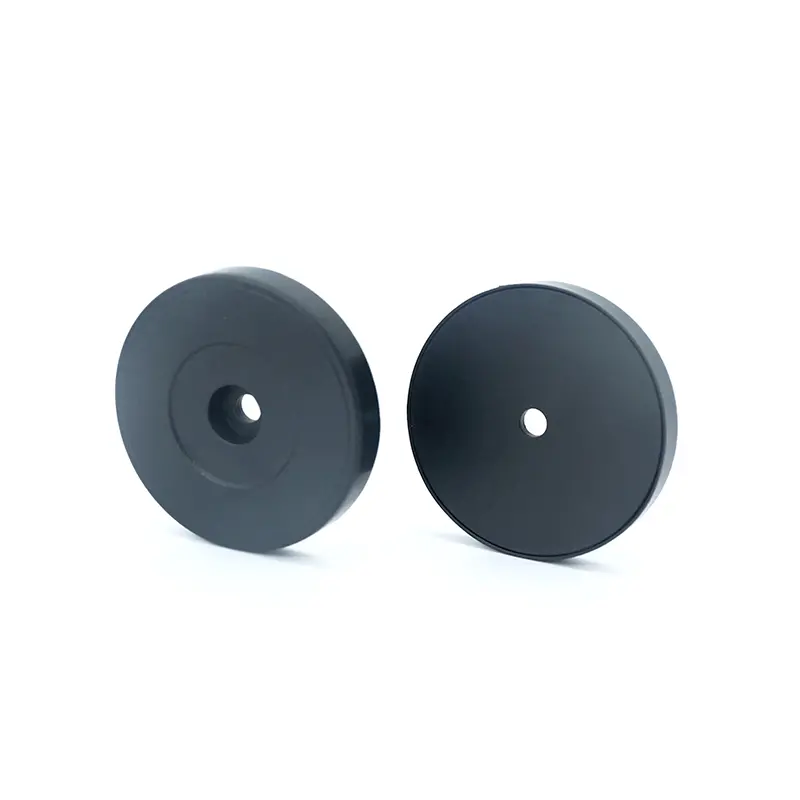 Patrol checkpoints · Manufacturer reference
ICODE SLIX HF Patrol Coin Tag
Chip: ICODE SLI X (Customized) / Size: 52mm diameter (Customized)
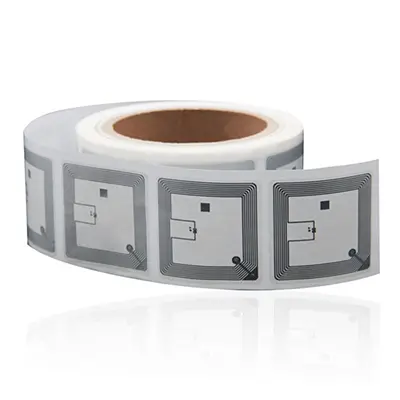 Library labels · Manufacturer reference
ICODE SLIX RFID Book Sticker
Electrical specifications · Chip: ICODE SLIX / Electrical specifications · Frequency: 13.56MHz
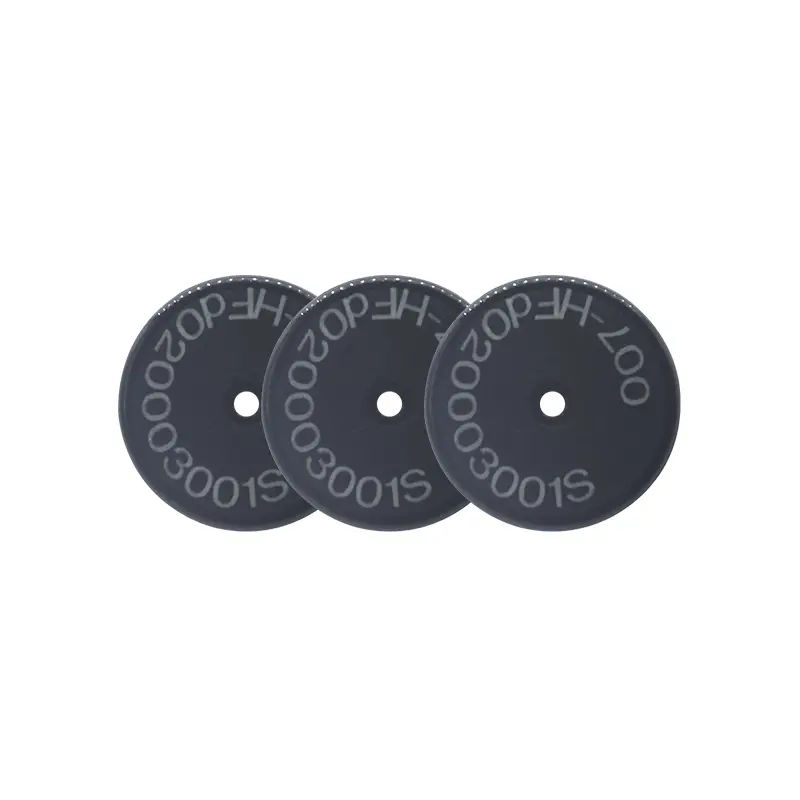 Patrol checkpoints · Manufacturer reference
ICODE SLIX Round Guard Tour Token
Chip: ICODE SLI X (Customized) Customized) / Size: 30mm(Customized)
- Library labels · Manufacturer reference
ICODE SLIX White Library Sticker
Electrical specifications · Chip: I CODE SLIX / Electrical specifications · Frequency: 13.56MHz
- Library labels · Manufacturer reference
ICODE SLIX2 RFID Book Sticker
Electrical specifications · Chip: I CODE SLIX2 / Electrical specifications · Frequency: 13.56MHz
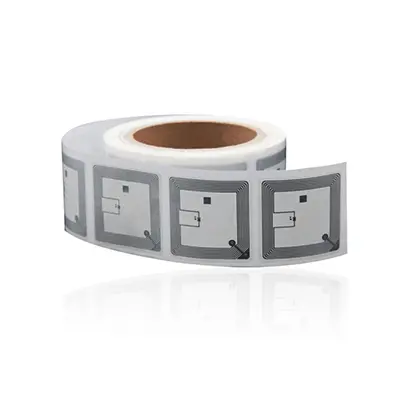 Library labels · Manufacturer reference
ISO/IEC 15693 13.56 MHz Book Sticker
Electrical specifications · Chip: I CODE SLIX / Electrical specifications · Frequency: 13.56MHz
- Library labels · Manufacturer reference
ISO/IEC 15693 HF Library Sticker
Electrical specifications · Chip: I CODE SLIX / Electrical specifications · Frequency: 13.56MHz
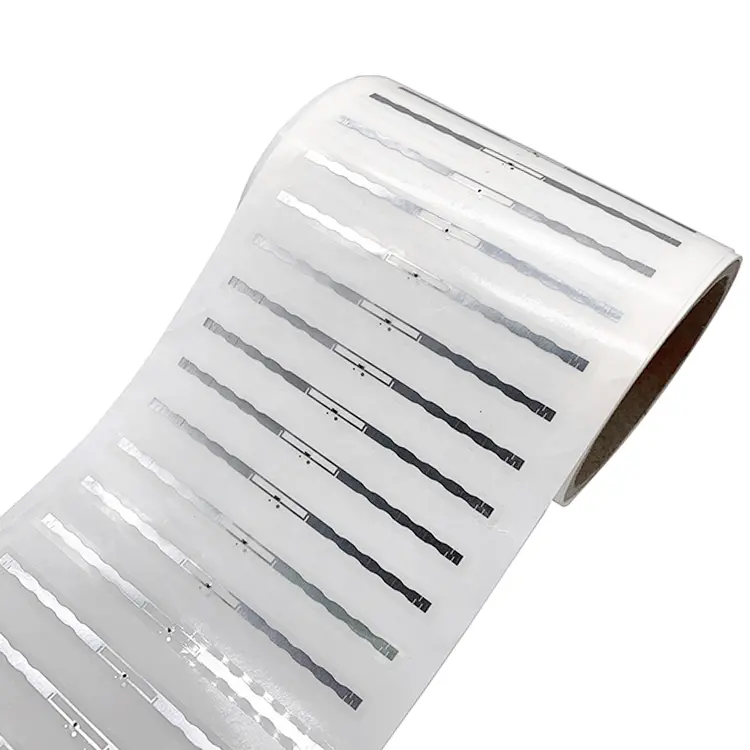 Asset and inventory labels · Manufacturer reference
Paper RFID Asset Label
Electrical specifications · Chip: I CODE SLIX / Electrical specifications · Frequency: 13.56MHz
- Library labels · Manufacturer reference
RFID Book and Document Tag
Material: coated paper/thermal paper/synthetic paper/PVC/PET… (Customized) / Size: 50*50 mm (Customized)
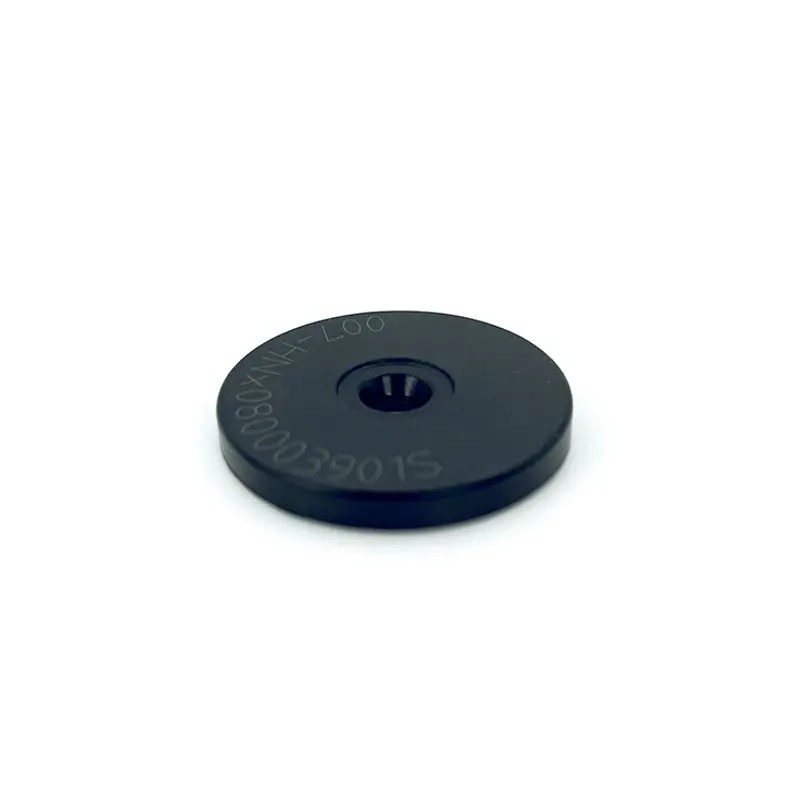 Patrol checkpoints · Manufacturer reference
RFID Guard Tour Checkpoint Tag
Chip: ICODE SLI (Customized) / Size: 30mm diameter (Customized)
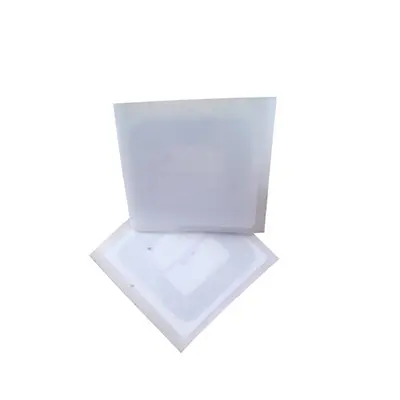 Library labels · Manufacturer reference
RFID Library Book Sticker
Electrical specifications · Chip: ICODE SLIX / Electrical specifications · Frequency: 13.56MHz
Direct Engineering Inquiry
Request ISO 15693 vs. ISO 14443A (HF) comparison samples
Submit this short form directly on the page—no separate form page required.
Frequently asked selection questions
Can an ISO/IEC 14443A hotel door lock read an ICODE SLIX card?
Typically no—hotel and door-access locks usually expect specific ISO 14443A families (MIFARE Classic/F08, Ultralight C or DESFire), whereas ISO 15693 readers serve libraries, logistics and laundry.
Do iPhones and Android phones read ISO/IEC 15693 ICODE SLIX stickers?
Yes, modern iOS and Android phones support NFC Forum Type 5 (ISO/IEC 15693) tags for NDEF reading and writing.
What is the memory difference between ICODE SLIX and ICODE SLIX2?
ICODE SLIX provides 112 bytes (896 bits) of user memory while ICODE SLIX2 expands capacity to 320 bytes (2528 bits) alongside enhanced security features.