Monza R6, R6-P & M4QT Series UHF RFID Labels, Inlays & On-Metal Tags
High-sensitivity 860–960 MHz RAIN RFID labels, dry/wet inlays, windshield stickers, and printable flexible or rigid on-metal tags designed for fast multi-tag inventory, warehouse portals, and asset tracking.
Need pre-encoding or lock compatibility advice? Email sales@rffab.com
How to specify R6 / R6-P / M4QT (UHF) hardware
- R6-class (96-bit EPC, zero user memory) prioritizes high read sensitivity and fast serialized retail/warehouse inventory throughput.
- M4QT-class adds 512-bit user memory and public/private profile support when decentralized asset data or windshield/utility records must travel on the tag.
- Available as dry inlays, adhesive coated-paper/PET roll labels, thermal-transfer printable flexible on-metal labels, and rigid PCB/ABS tags.
Catalog entries using shorthand such as MR6 or M4QT indicate listed chip configurations or multi-chip options. State exact IC part numbers and memory bank requirements in your RFQ so sample inlays are verified.
Variant & specification comparison
| Chip Class | EPC Memory | User Memory | Best Fit Workflow |
|---|---|---|---|
| R6 / MR6 | 96 bits | 0 bits | High-speed serialized retail apparel, carton & pallet labels, flexible on-metal asset rolls |
| R6-P | Up to 128 bits | Up to 64 bits | Serialized retail & supply chain requiring kill/access password or extra bits |
| M4QT | 128 bits | 512 bits | Vehicle windshield tags, utility/industrial assets storing offline user-bank fields |
87 catalog models for R6 / R6-P / M4QT (UHF)
Showing all 87 matching models
- UHF dry inlays · Store catalog
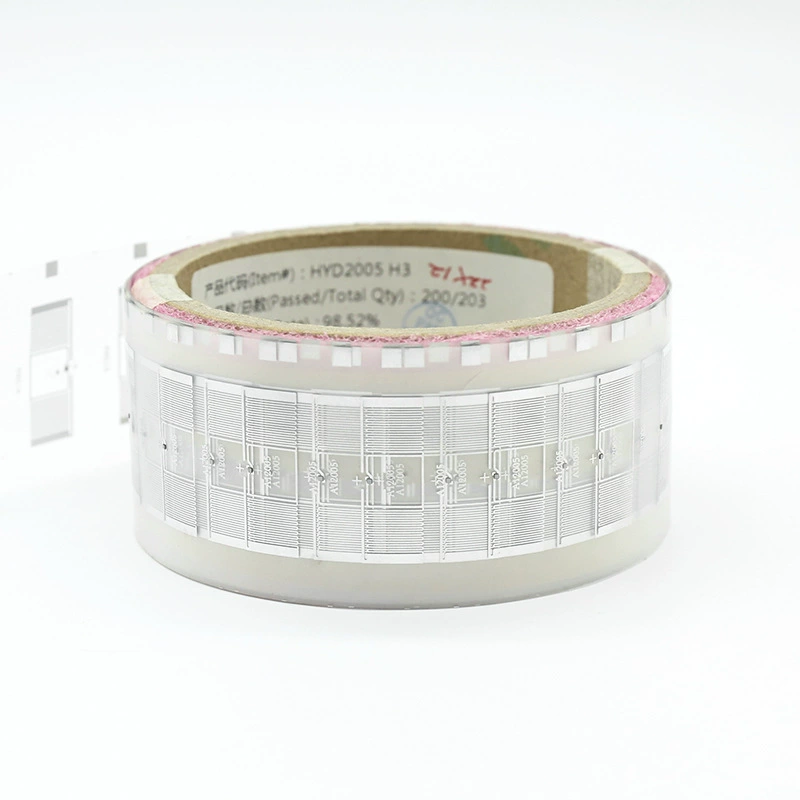
Flexible Passive UHF RFID Dry Inlay
Construction: Dry inlay that can be rolled / Carrier frequency category: Listed under the UHF RFID category in the original attribute table.
 Flexible on-metal labels · Store catalog
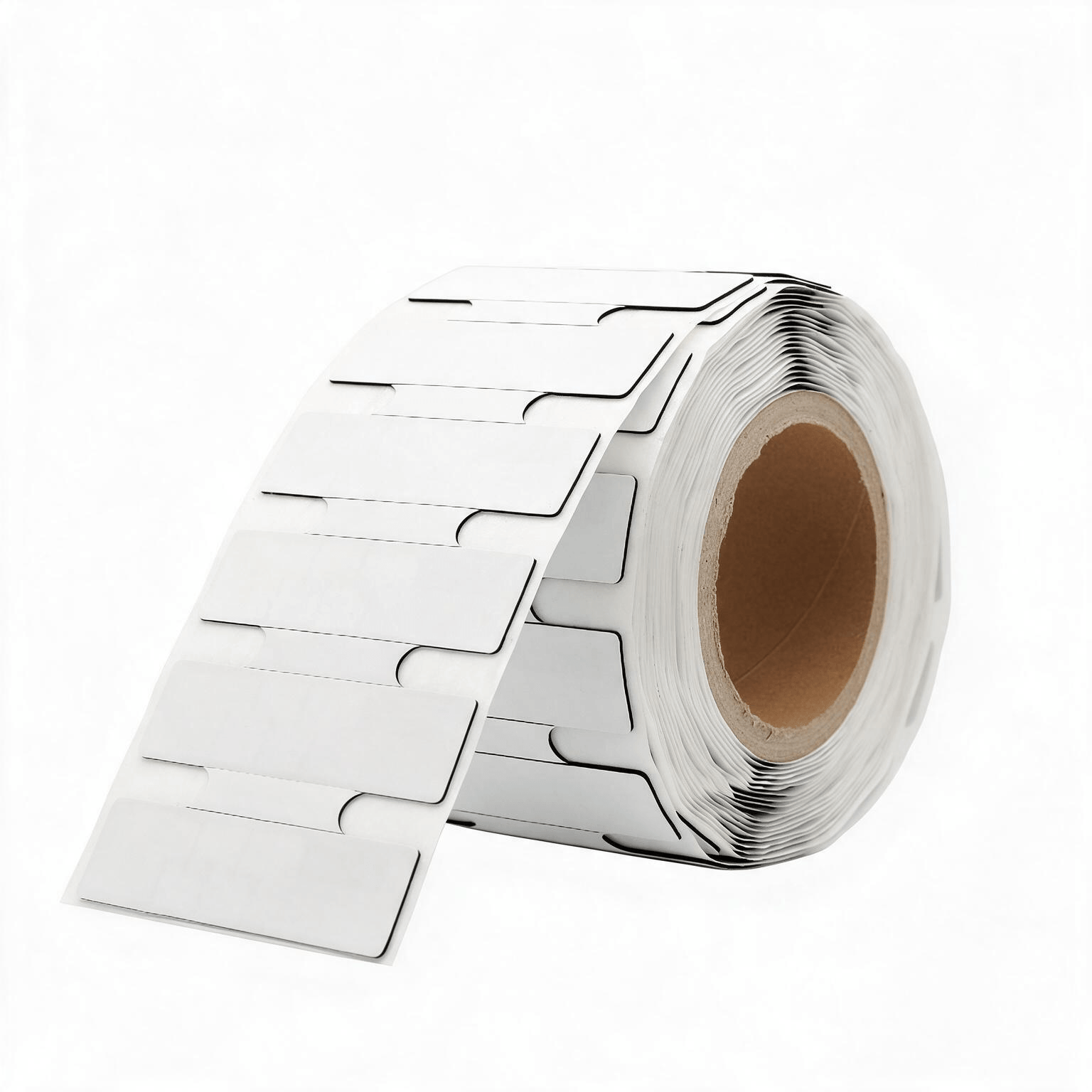
MR6 Flexible On-metal Label
Chip: MR6 / Construction: Flexible, printable on-metal label
 Flexible on-metal labels · Manufacturer reference
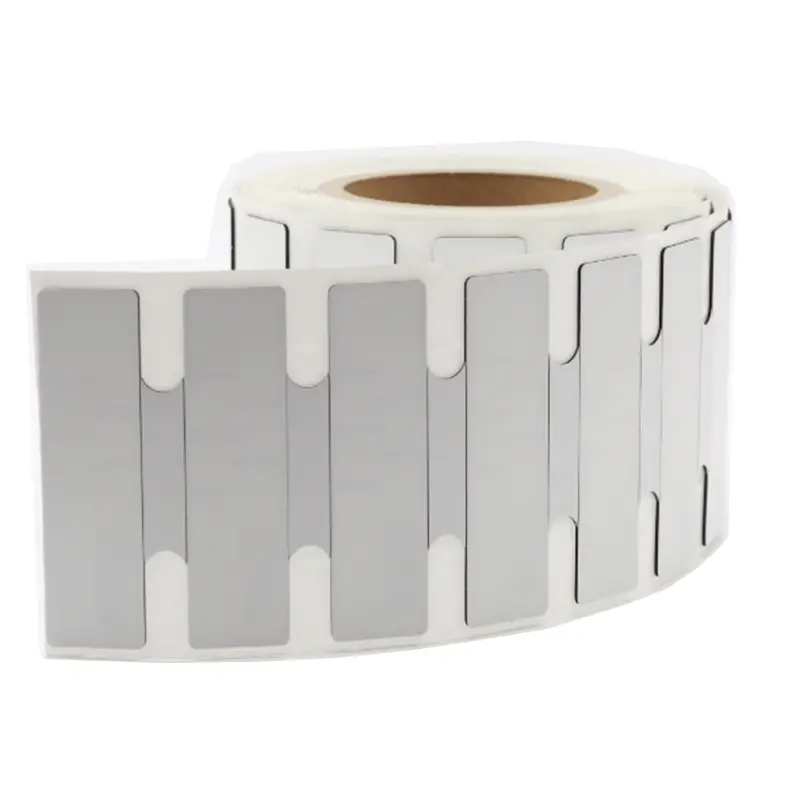
100 × 25 mm MR6 On-Metal Label
Chip: MR6 (Customized) ISO/IEC 18000-6C / Size: 100*25mm (Customized)
 Bottle labels · Manufacturer reference
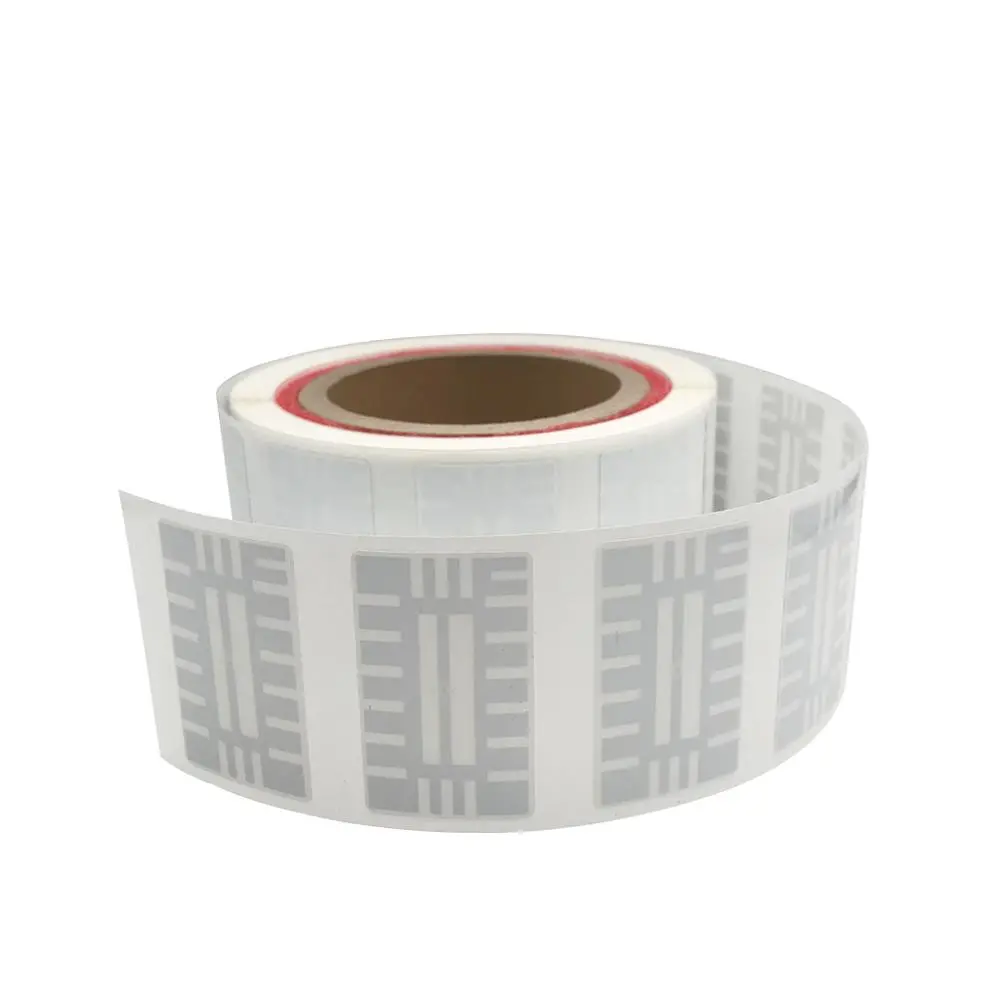
48 × 28 mm UHF Bottle Label
Chip: MR6 (Customized) / Size: 48*28mm (Customized)
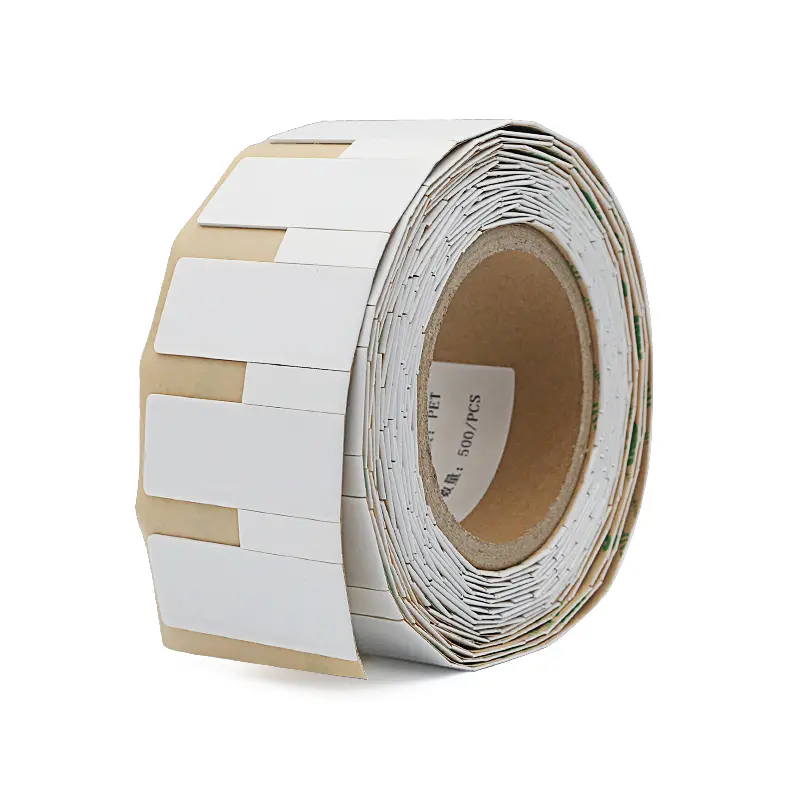 Flexible on-metal labels · Manufacturer reference
50 × 25 mm Flexible UHF On-Metal Label
Chip: MR6 / Size: 50*25mm
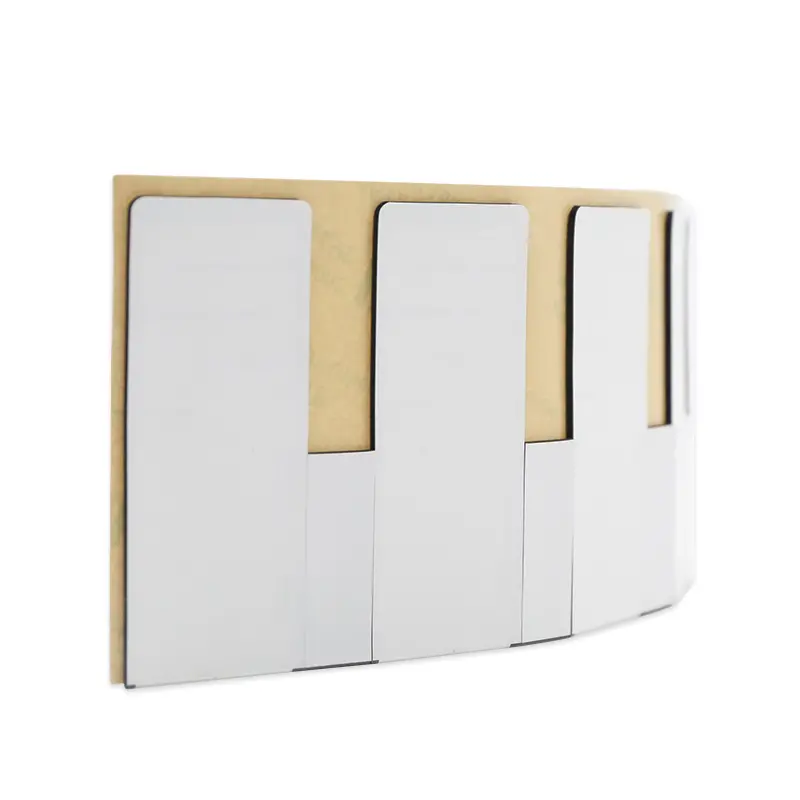 Flexible on-metal labels · Manufacturer reference
60 × 25 mm Flexible UHF On-Metal Label
Chip: MR6 / Size: 60*25mm
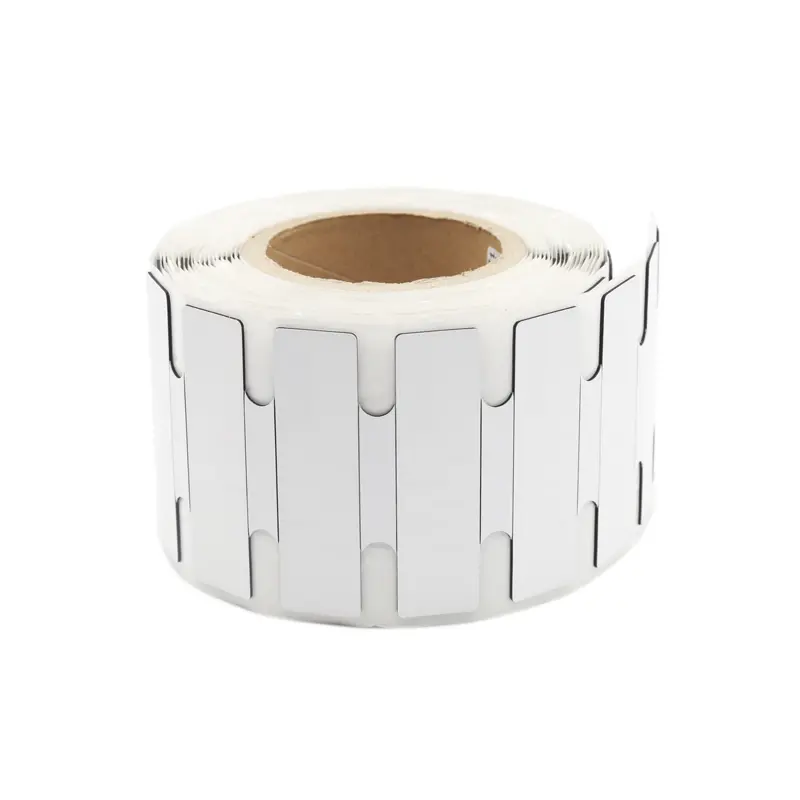 Flexible on-metal labels · Manufacturer reference
90 × 25 mm Printable UHF On-Metal Label
Material: PP Synthetic Paper + EVA Foam / Size: 90*25mm
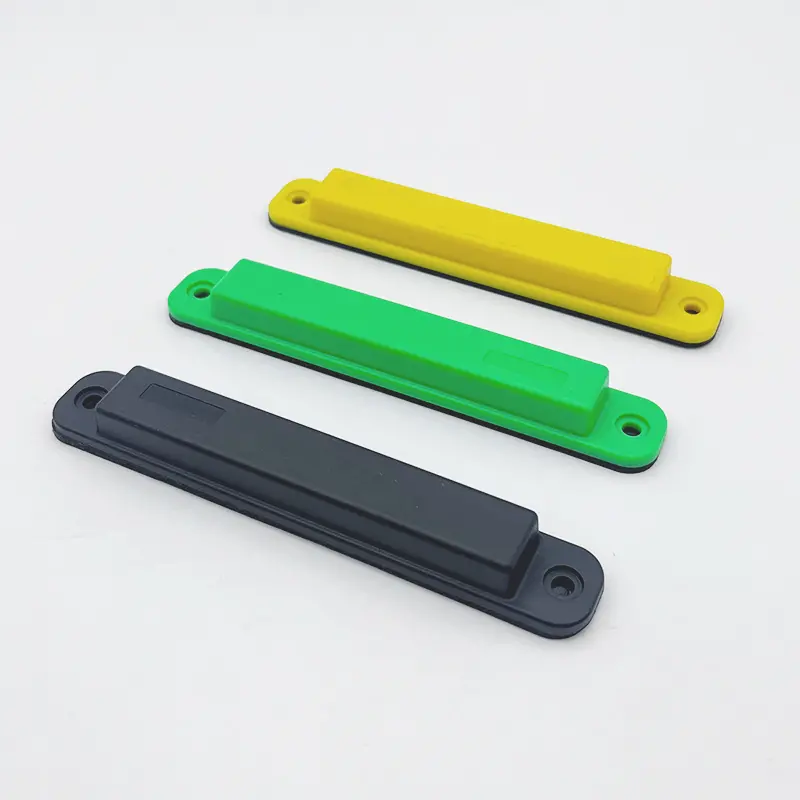
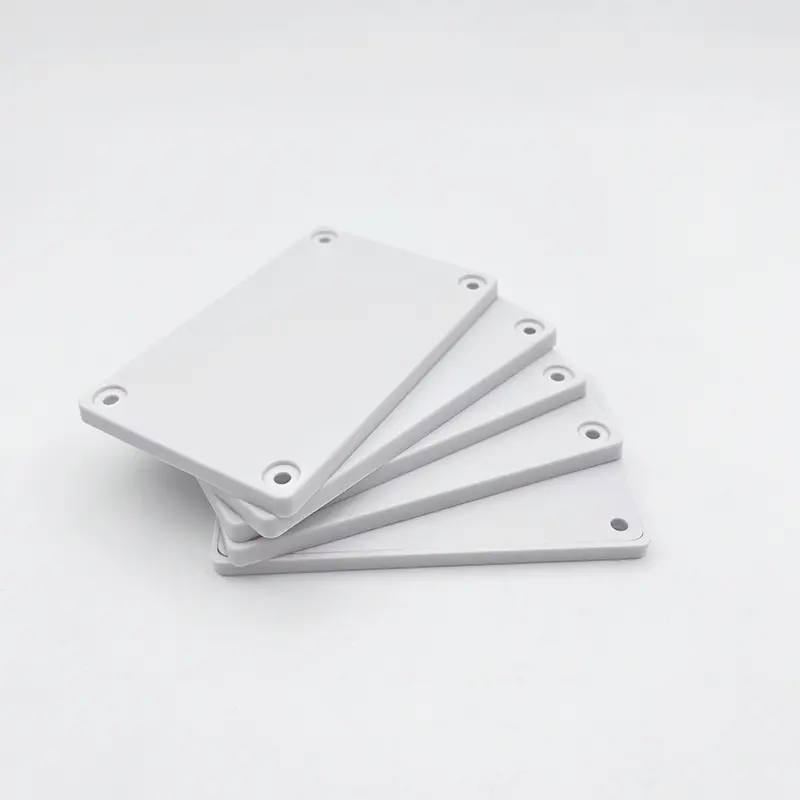 ABS on-metal tags · Manufacturer reference
ABS On-Metal UHF Tag
Chip: MR6 / Size: 86*54mm
 ABS on-metal tags · Manufacturer reference
ABS UHF On-Metal Industrial Tag
Chip: MR6 / Material: ABS
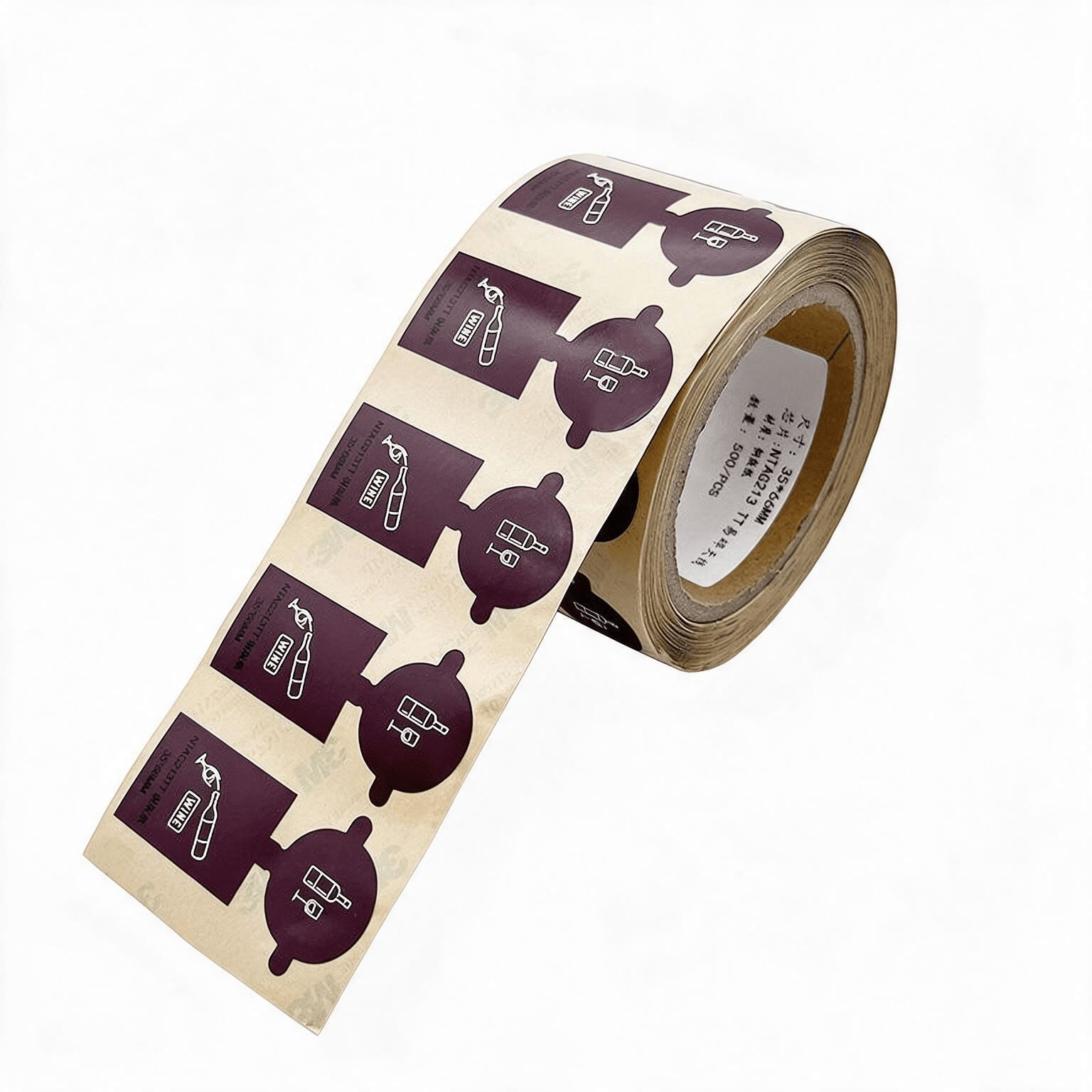 Tamper-evident & traceability labels · Manufacturer reference
Destructible RFID Label
Frequency options: 13.56 MHz (HF) or 860–960 MHz (UHF) / Chip options: NTAG213 / M1(S50) / Monza R6-P
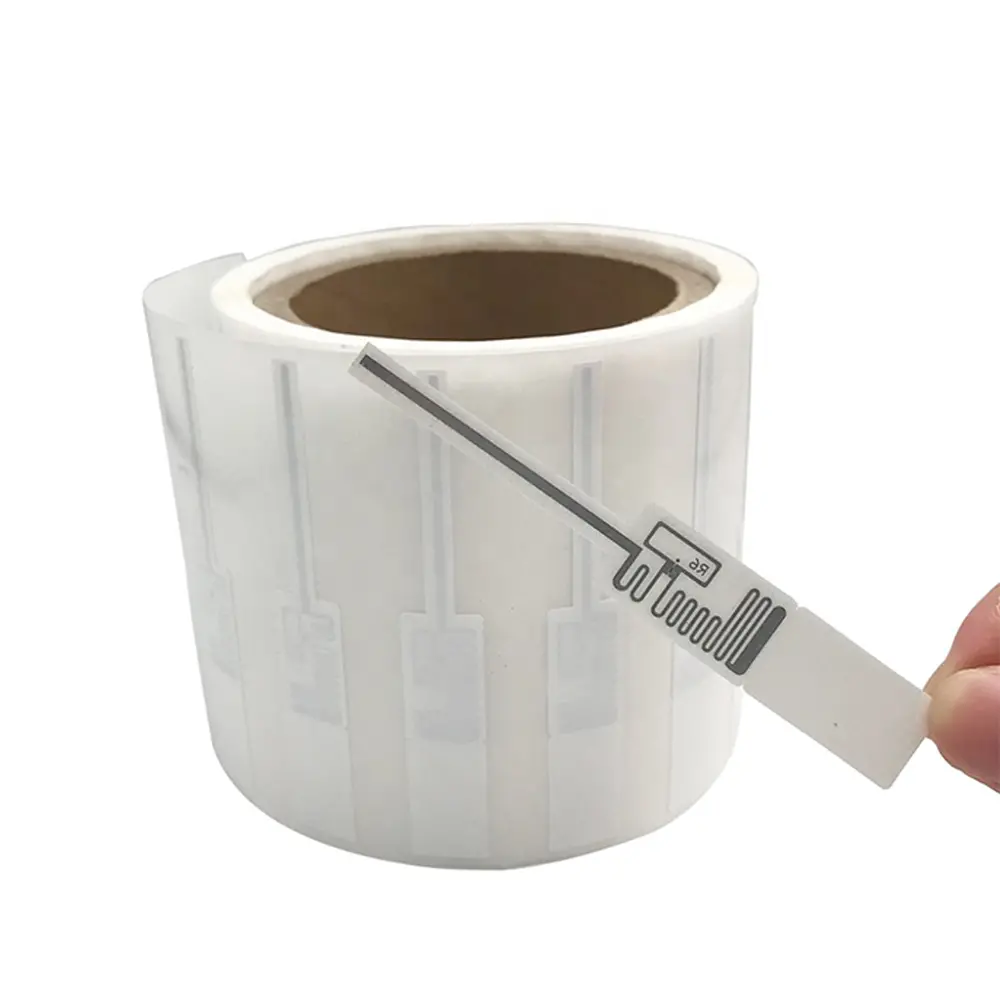 Jewelry tags · Manufacturer reference
Disposable UHF Jewelry Tag
Frequency: UHF / Chip options: Alien H3,Monza R6,U code 7,U code 8,etc
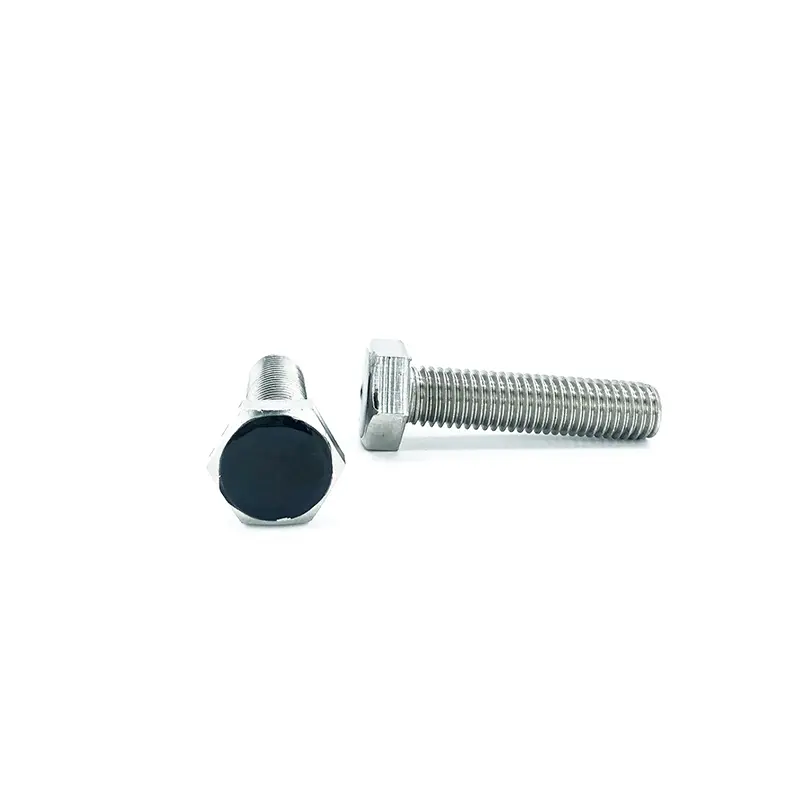 Screw and bolt tags · Manufacturer reference
Embedded UHF RFID Screw Tag
Material: Stainless Steel / Size: 34*34*28.5mm
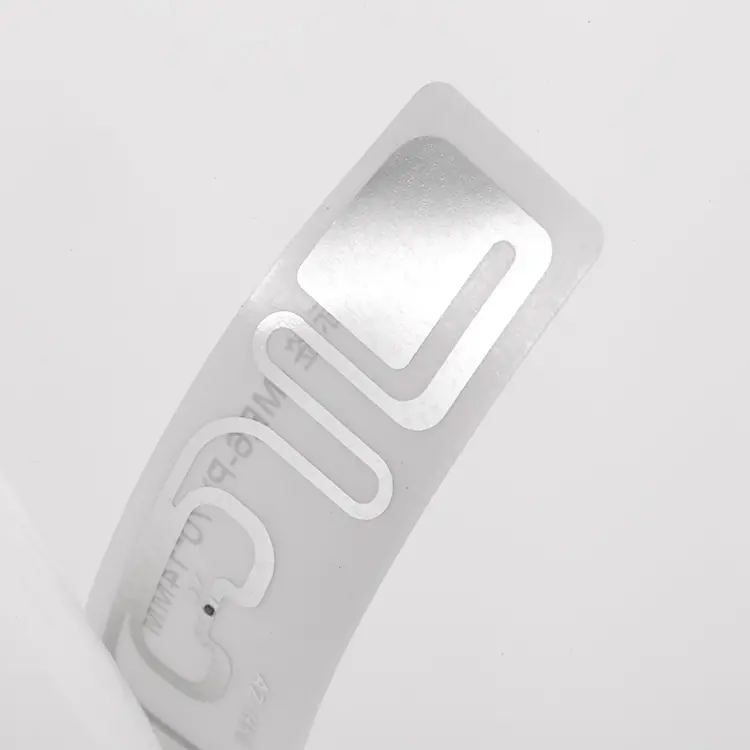 Asset and inventory labels · Manufacturer reference
EPC Gen2 Inventory Tracking Label
Frequency: 860-960mhz / Protocol: ISO/IEC 18000-63 Type C
- Jewelry tags · Manufacturer reference
Flexible RFID Jewelry Label
Chip: MR6 / Frequency: 902-928MHz
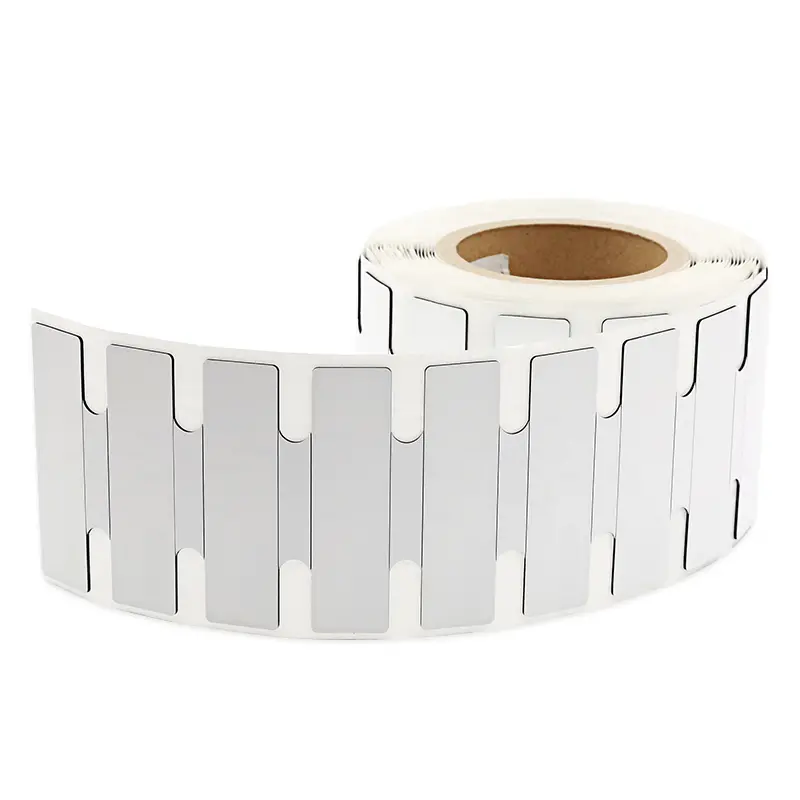 Flexible on-metal labels · Manufacturer reference
Flexible UHF On-Metal Asset Label
Chip: MR6 (Customized) ISO/IEC 18000-6C / Material: Coated Paper + EVA Foam
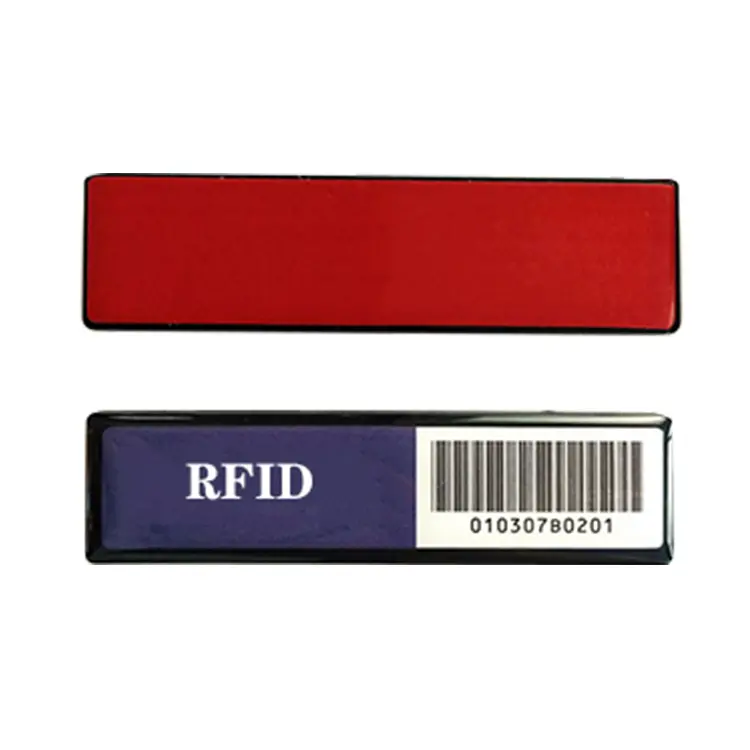 Shelf tags · Manufacturer reference
Higgs 3 Library Shelf Tag
Chip options: Alien H3/M4QT (Customized) / Size: 85*22mm (Customized)
- Industrial asset and carrier tags · Manufacturer reference
Industrial RFID Tag for Tools and Containers
Frequency: 860-960mhz / Protocol: ISO/IEC 18000-63 Type C
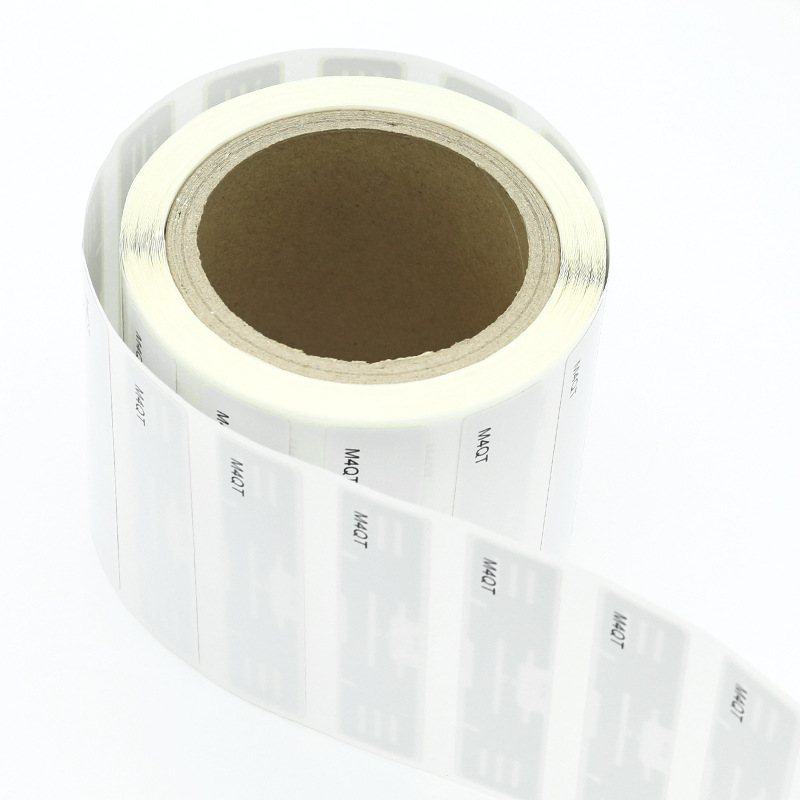 Retail & inventory labels · Manufacturer reference
M4QT UHF Adhesive Label
Chip designation: M4QT / Operating frequency: 860–960 MHz (UHF)
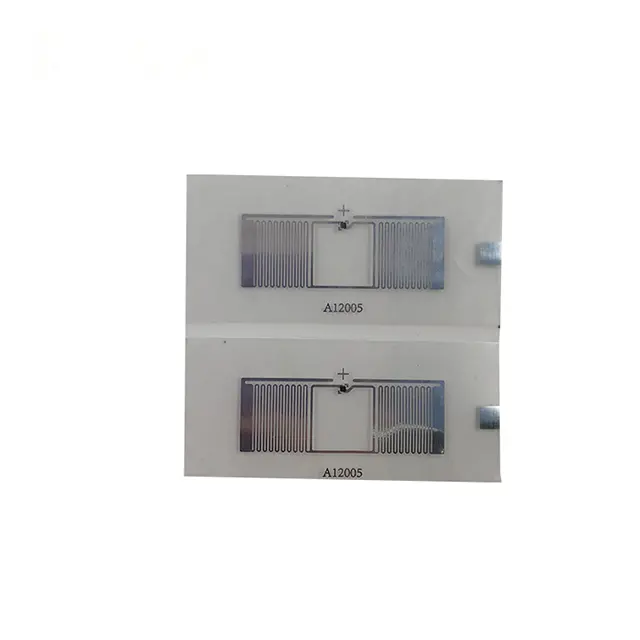 Apparel labels and hangtags · Manufacturer reference
Monza 4D Retail Clothing Label
Physical specifications · Antenna size: 60*15mm (Customized) / Physical specifications · Size: 62*18mm (Customized)
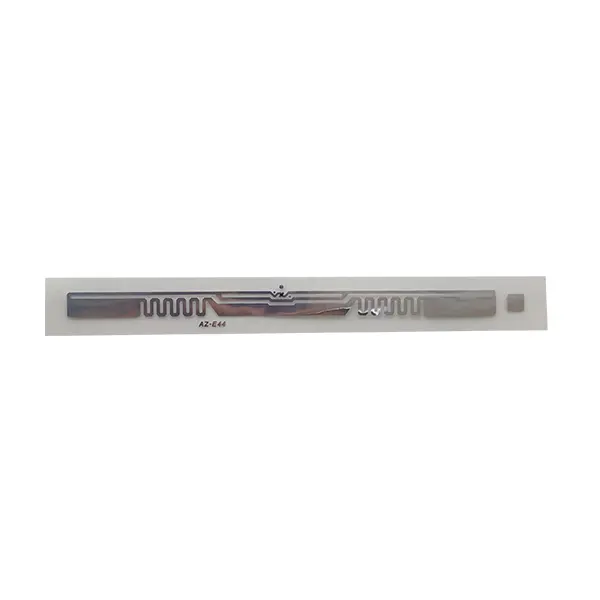 UHF dry inlays · Manufacturer reference
Monza 4E UHF Dry Inlay
Physical specifications · Antenna size: 6*105mm (Customized) / Physical specifications · Size: 8*108mm (Customized)
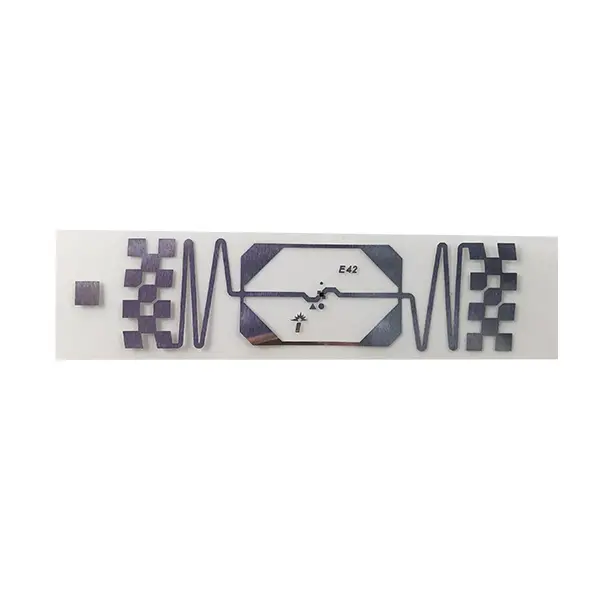 UHF dry inlays · Manufacturer reference
Monza 4E UHF Dry Inlay for Logistics
Physical specifications · Size: 70*21mm (Customized) / Physical specifications · Inlay material: PET
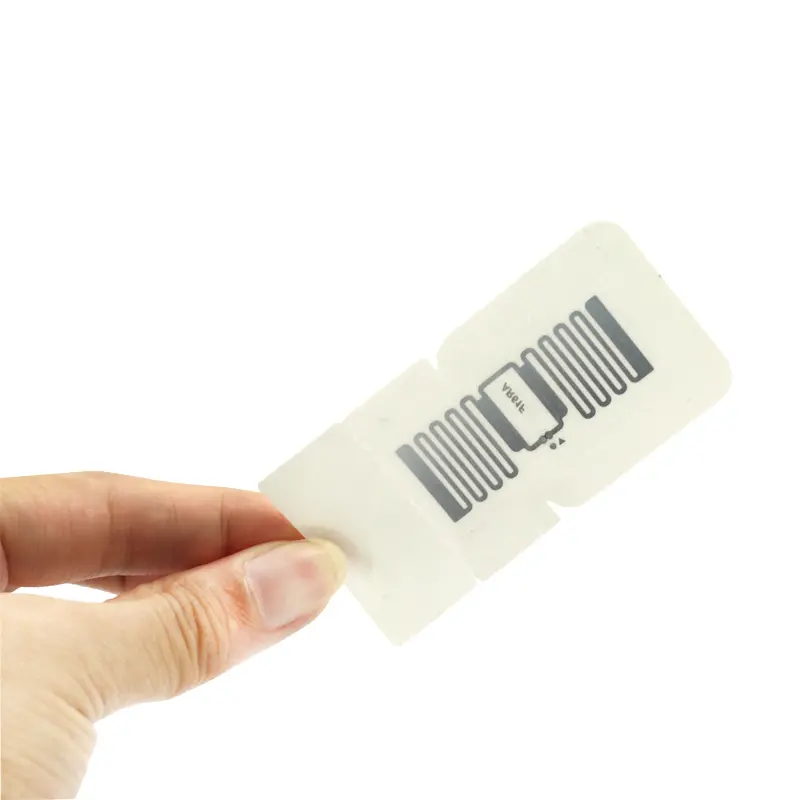 Asset and inventory labels · Manufacturer reference
Monza 4E UHF Paper Retail Label
Chip options: Monza R6,Monza 4E,Monza 4QT Custom / Material: PVC, Coated paper,PET.Thermal paper custom
- Flexible on-metal labels · Manufacturer reference
Monza 4QT Flexible On-Metal Tag
Chip: Monza 4qt (Customized) / Size: 60*25mm (Customized)
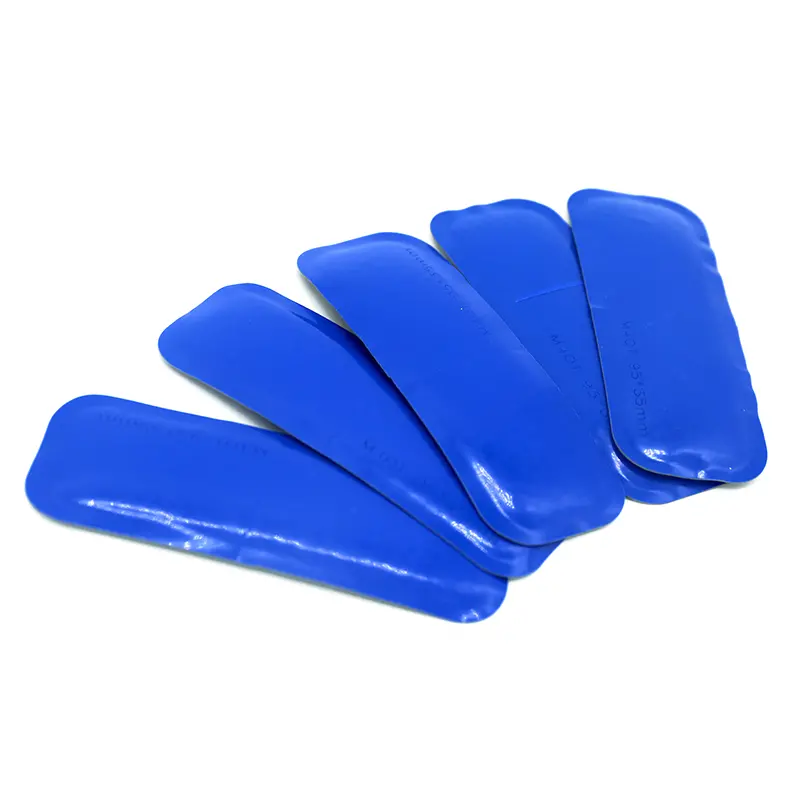 Tire tags · Manufacturer reference
Monza 4QT Rubber Tire Patch Tag
Chip: M4QT / Size: 95*35mm1mm
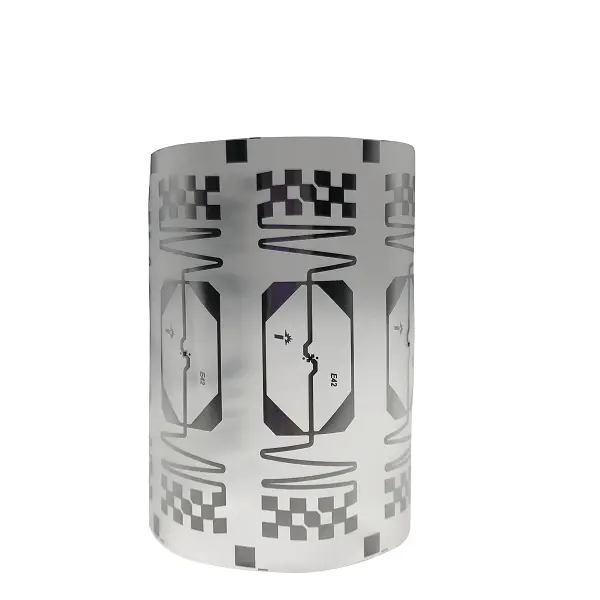 UHF dry inlays · Manufacturer reference
Monza 4QT UHF Dry Inlay
Physical specifications · Antenna size: 68*19mm (Customized) / Physical specifications · Size: 70*21mm (Customized)
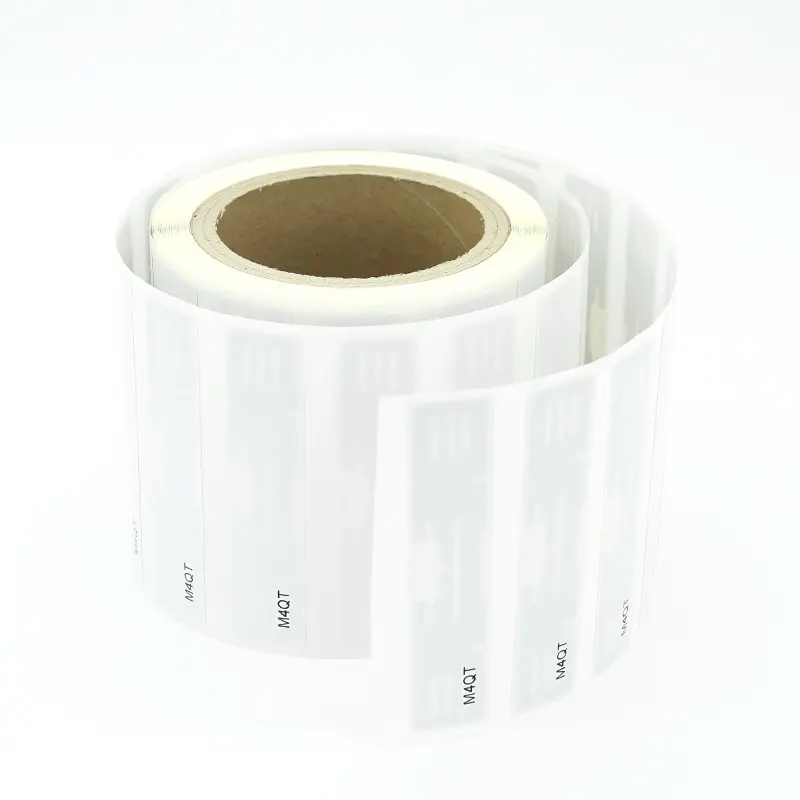 Asset and inventory labels · Manufacturer reference
Monza 4QT UHF Sticker Label
Chip: Monza 4QT / Frequency: 860-960 MHZ
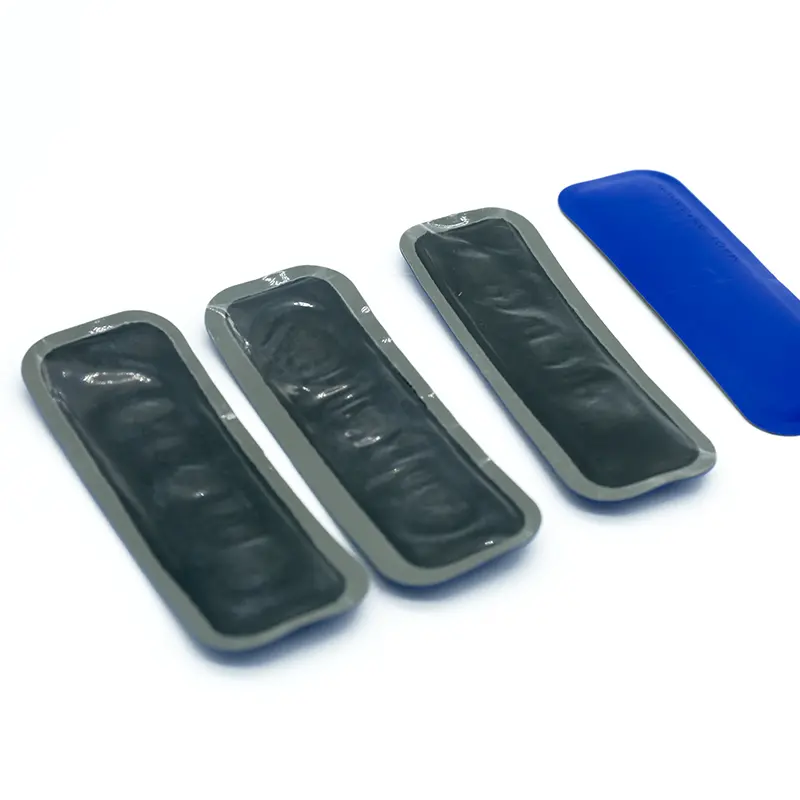 Tire tags · Manufacturer reference
Monza 4QT UHF Tire Tag
Chip: M4QT / Size: 35mm
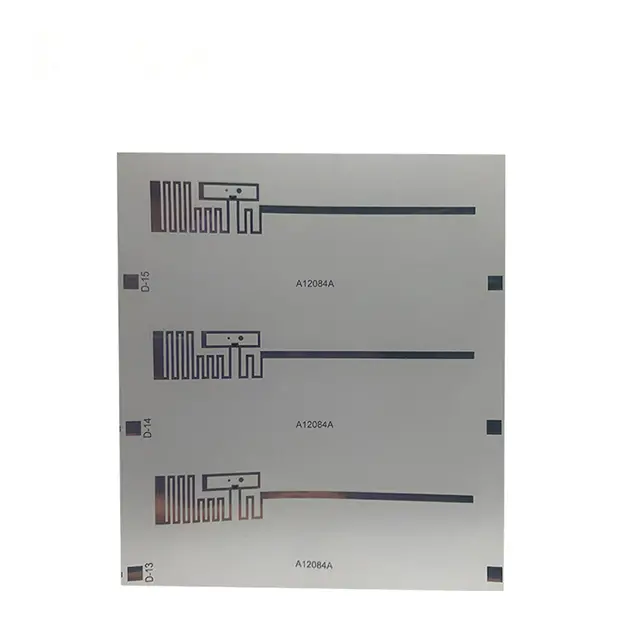 UHF dry inlays · Manufacturer reference
Monza 5 UHF Dry Inlay, 12 × 63 mm
Physical specifications · Antenna size: 10*60mm (Customized) / Physical specifications · Size: 12*63mm (Customized)
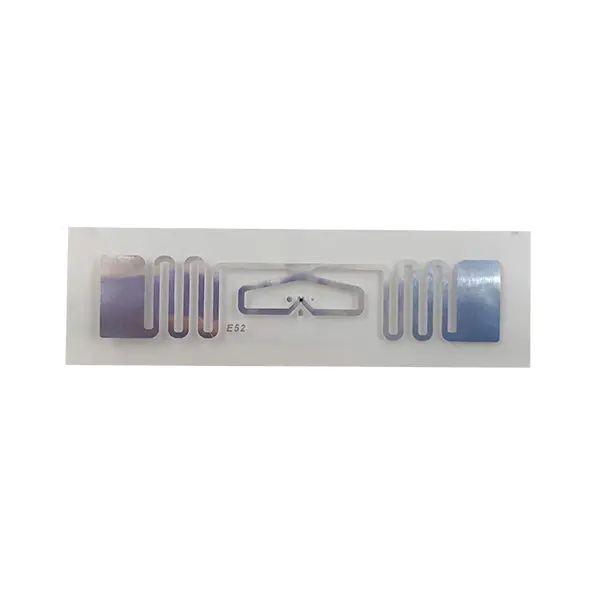 UHF dry inlays · Manufacturer reference
Monza 5 UHF Dry Inlay, 18 × 70 mm
Physical specifications · Antenna size: 16*68mm (Customized) / Physical specifications · Size: 18*70mm (Customized)
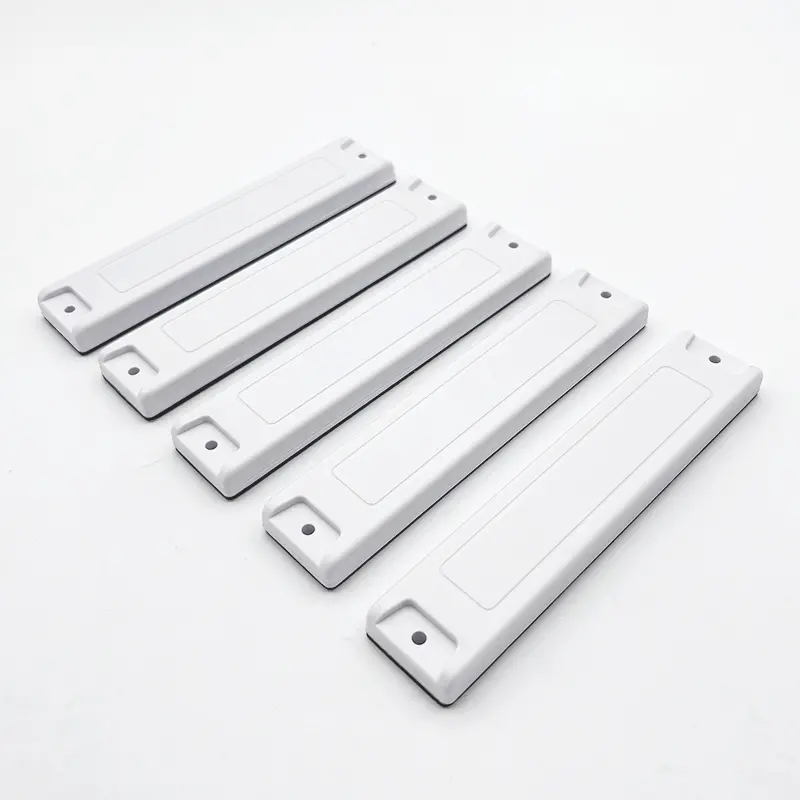 ABS on-metal tags · Manufacturer reference
Monza R6 ABS On-Metal Tag
Chip: MR6 / Size: 118*29mm
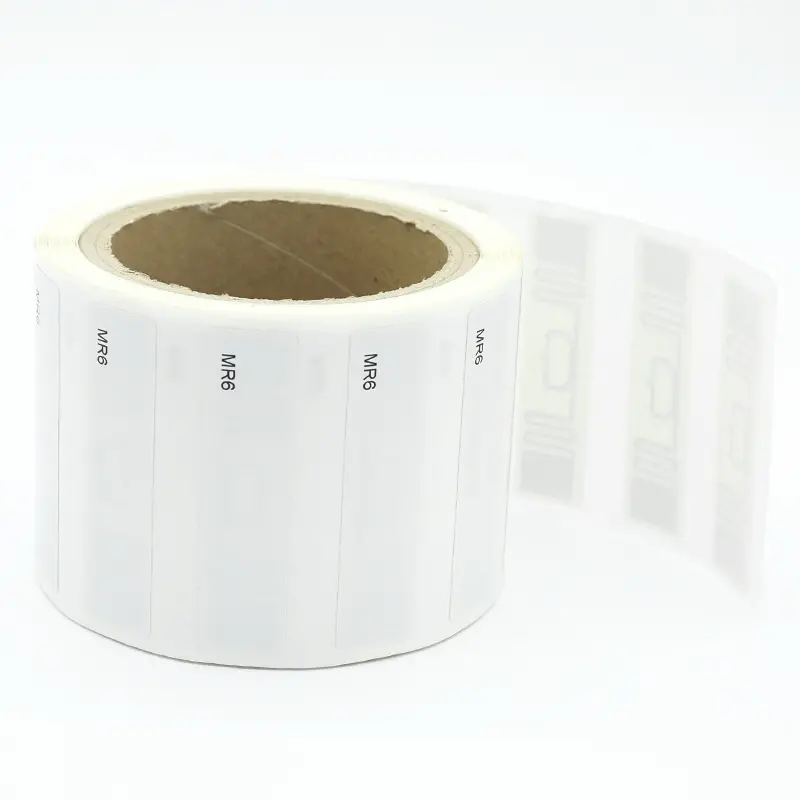 Asset and inventory labels · Manufacturer reference
Monza R6 Blank UHF Paper Label
Material: Paper / Chip: Monza R6
- Asset and inventory labels · Manufacturer reference
Monza R6 Coated Paper Retail Sticker
Chip: Monza R6 / Material: Coated paper
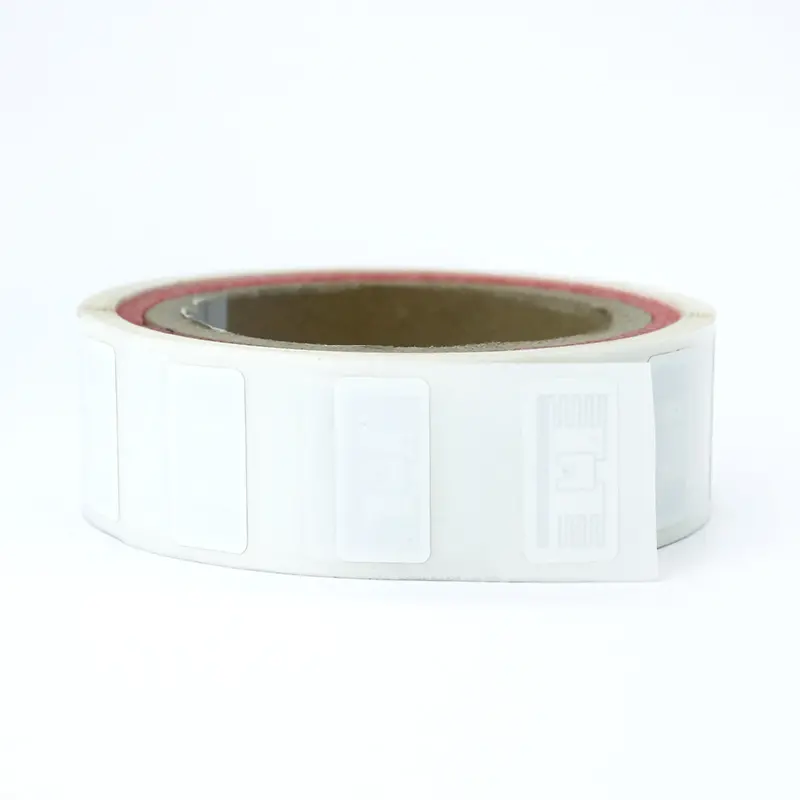 UHF wet inlays · Manufacturer reference
Monza R6 Coated Paper Wet Inlay
Chip: Monza R6 / Size: 30*15mm
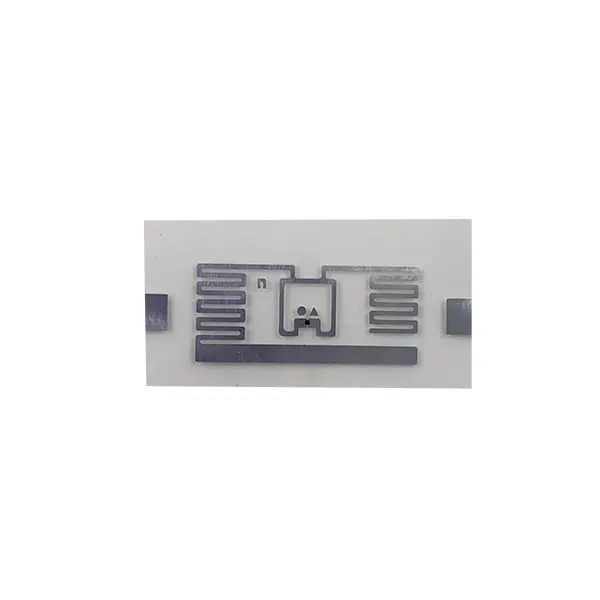 UHF dry inlays · Manufacturer reference
Monza R6 UHF Dry Inlay, 14 × 27 mm
Physical specifications · Antenna size: 11*25mm (Customized) / Physical specifications · Size: 14*27mm (Customized)
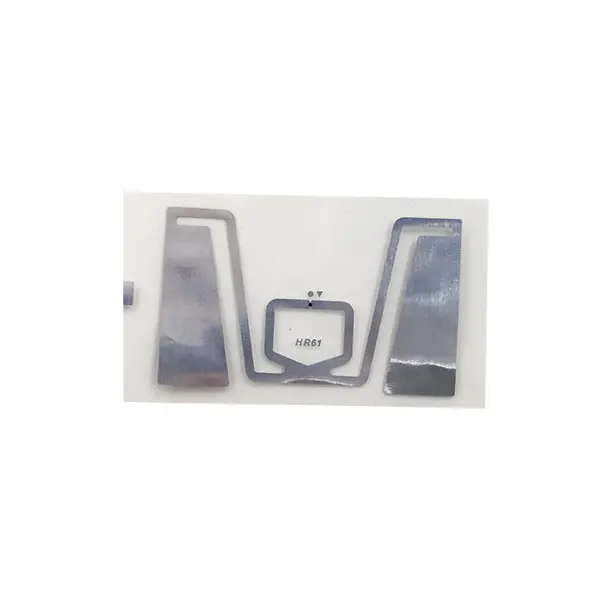 UHF dry inlays · Manufacturer reference
Monza R6 UHF Dry Inlay, 32 × 52 mm
Physical specifications · Antenna size: 30*50mm (Customized) / Physical specifications · Size: 32*52mm (Customized)
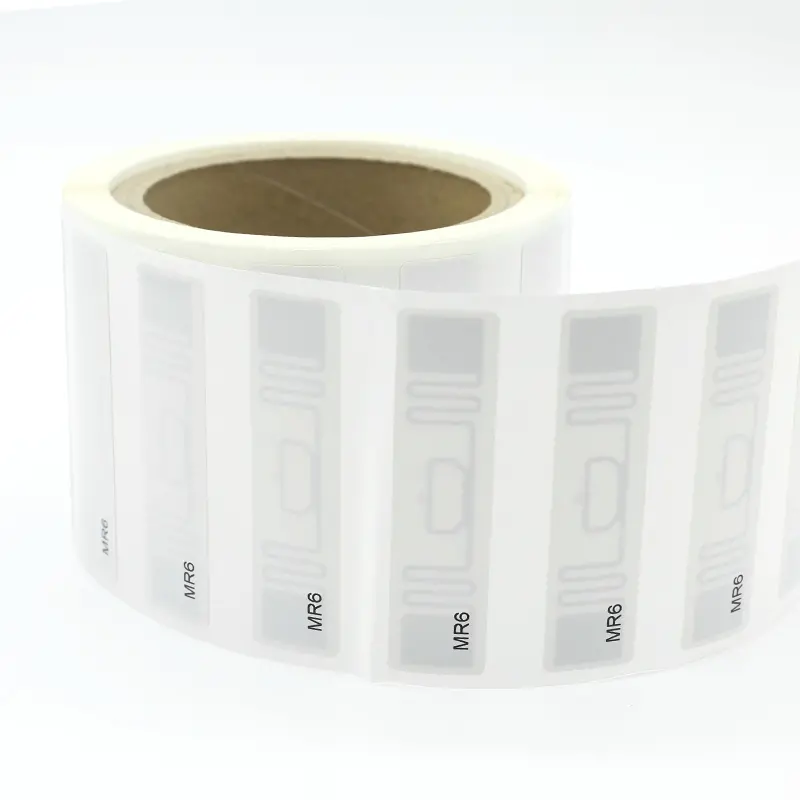 Flexible on-metal labels · Manufacturer reference
Monza R6 UHF On-Metal Foam Label
Physical specifications · Antenna size: 123*6.5 mm (Customized) / Physical specifications · Size: 130*45 mm (Customized)
- Asset and inventory labels · Manufacturer reference
Monza R6 UHF Security Sticker
Chip: Monza / Frequency: 860-960 MHZ
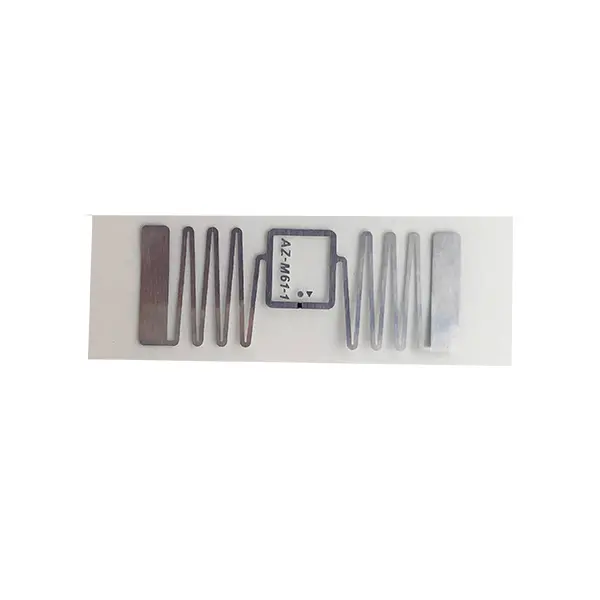 UHF wet inlays · Manufacturer reference
Monza R6-P UHF Wet Inlay
Physical specifications · Antenna size: 15*40mm (Customized) / Physical specifications · Size: 18*42mm (Customized)
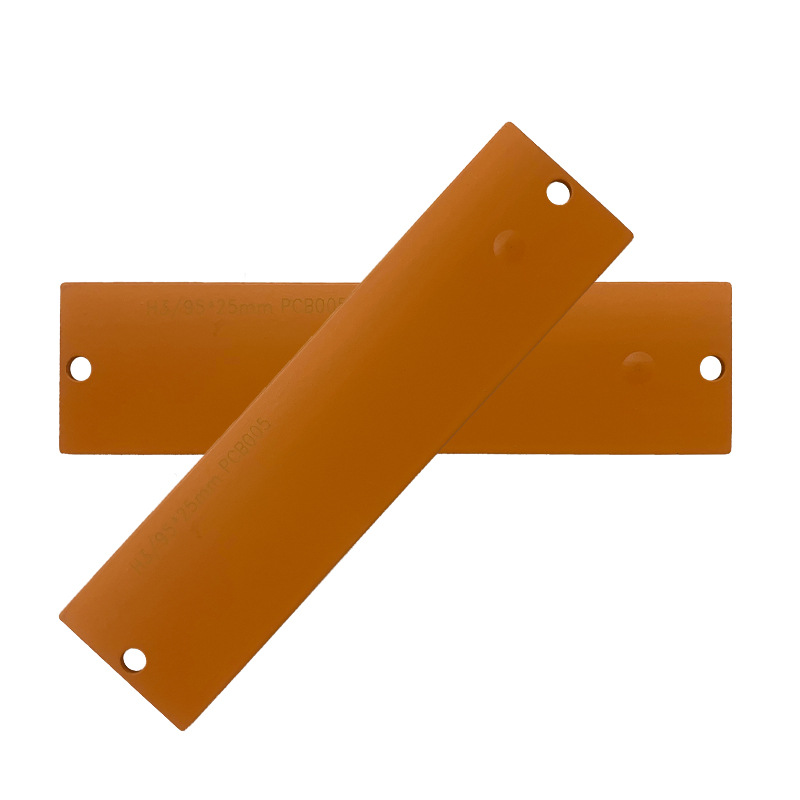 PCB on-metal tags · Manufacturer reference
PCB UHF On-Metal Tag
Chip: H3 / M4QT / Operating frequency: 860–960 MHz (UHF)
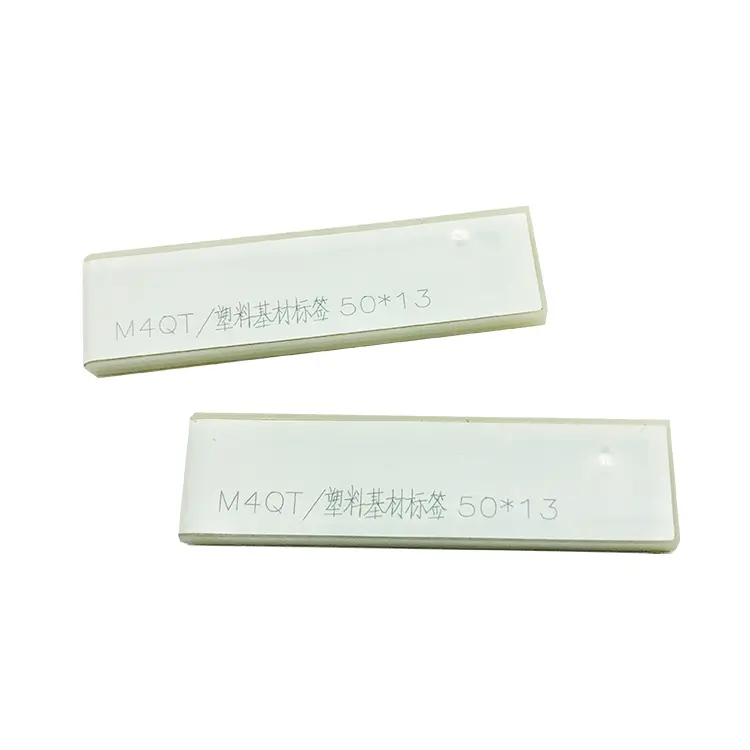 On-metal hard tags · Manufacturer reference
Plastic UHF On-Metal Asset Tag
Material: ABS/plastic / Chip: M4QT
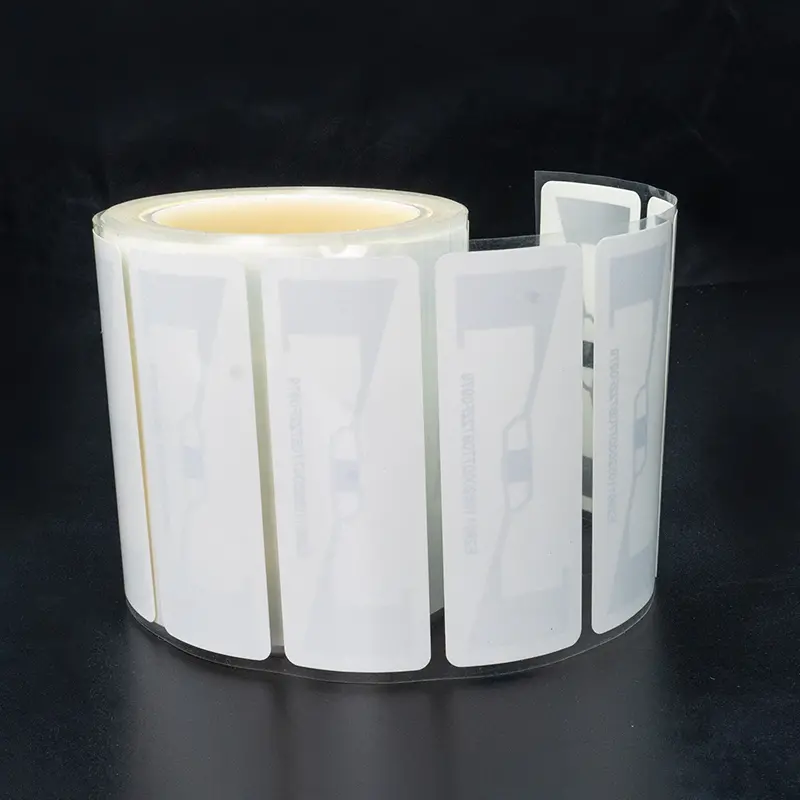 Windshield labels · Manufacturer reference
Printable 860–960 MHz Windshield Label
Chip: M4QT / Size: 110*40mm
- Jewelry tags · Manufacturer reference
Printable UHF Jewelry Tag
Material: coated paper/PET/PVC / Chip options: U8/MR6/H3 can be customized
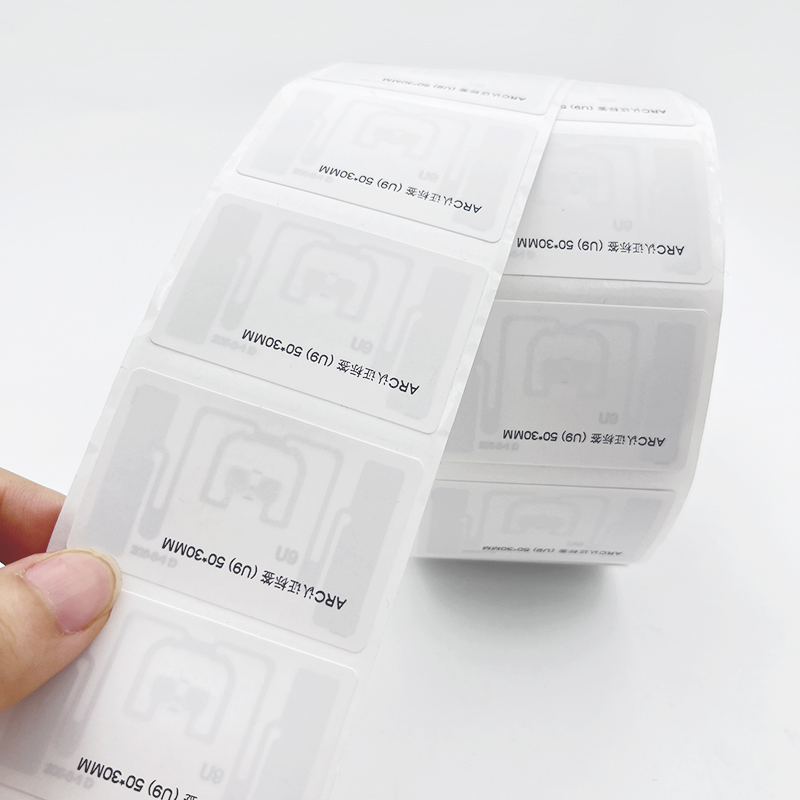 Retail & inventory labels · Manufacturer reference
Retail UHF Label
Operating frequency: 860–960 MHz (UHF) / Protocol: EPC Global Gen2 V2 / ISO 18000-6C
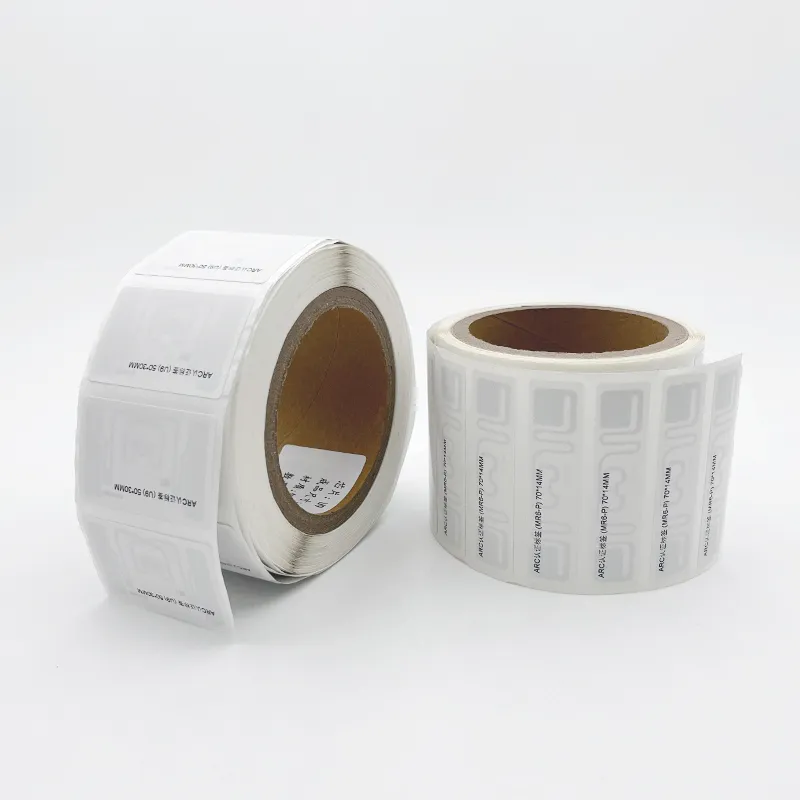 Retail & inventory labels · Manufacturer reference
Retail UHF Label
Chip: UCODE9 / Monza R6 / Operating frequency: 860–960 MHz
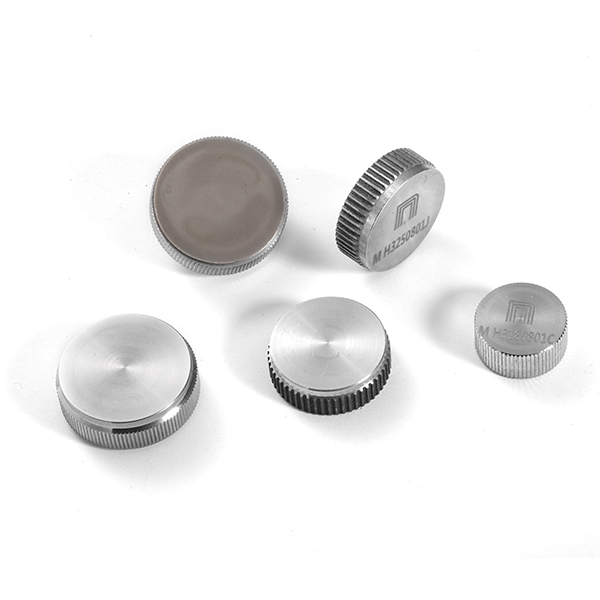 Drill pipe tags · Manufacturer reference
RFID Drill Pipe Tag
Housing material: 304 stainless steel / aluminum alloy + high-temperature epoxy resin / Operating frequency: 860–960 MHz (UHF)
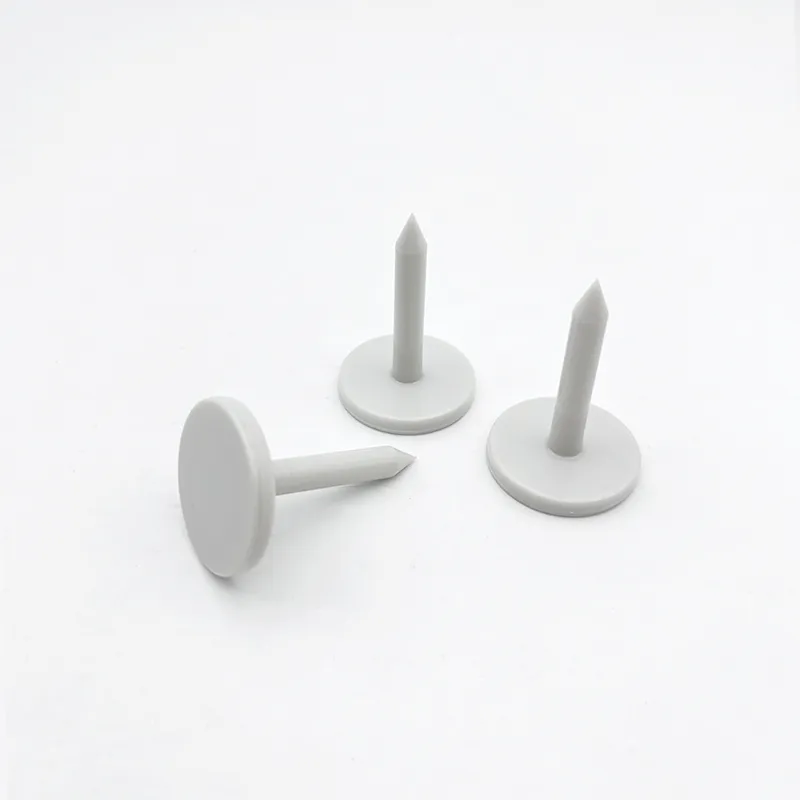 Nail tags · Manufacturer reference
RFID Tree Nail Tag
Chip: NTAG213 / H3 / R6P (customizable) / Dimensions: diameter 22 / 28 mm (customizable)
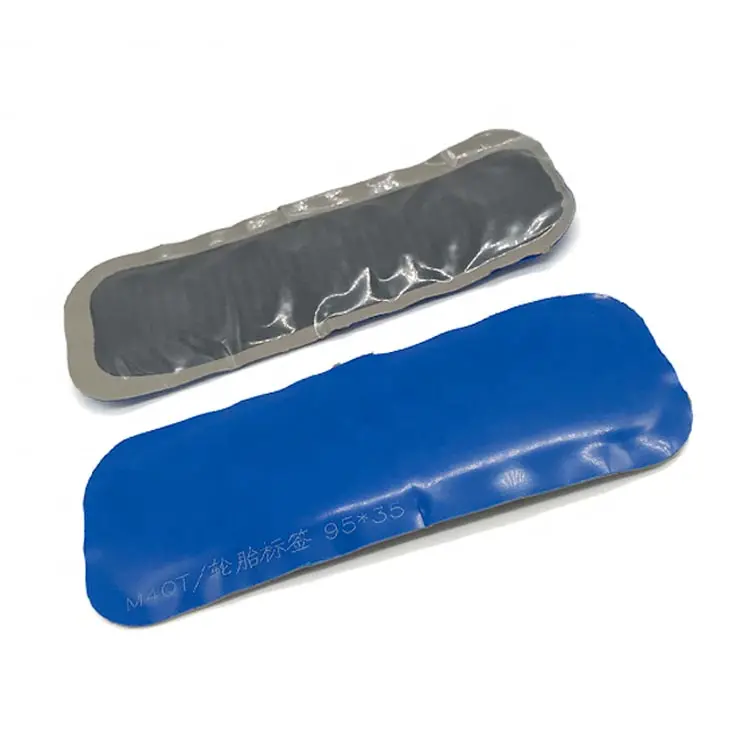 Tire tags · Manufacturer reference
Rubber UHF RFID Tire Tag
Chip: M4QT / Size: 95*35mm1mm
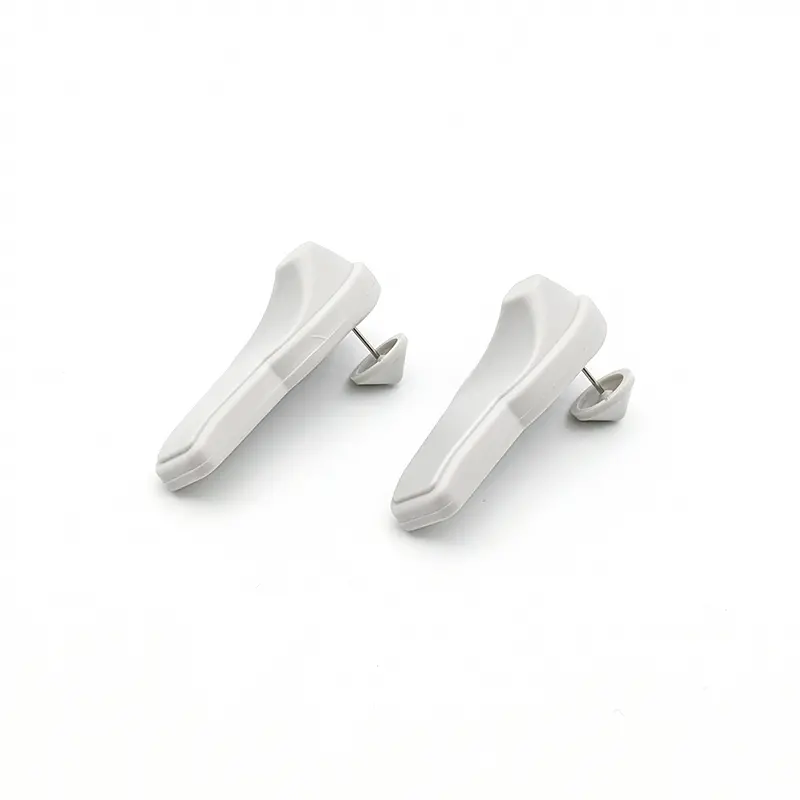 Apparel labels and hangtags · Manufacturer reference
UHF and EAS Clothing Security Tag
Size: 70*30*20mm / Material: ABS plastic package +EAS anti-theft magnetic buckle
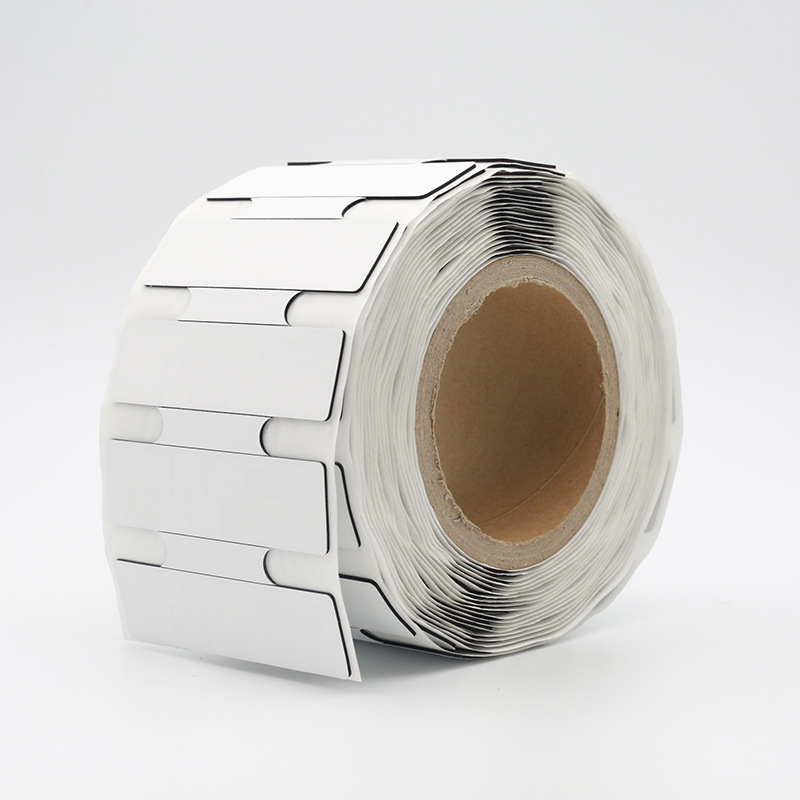 Flexible on-metal labels · Manufacturer reference
UHF Curved-Surface On-Metal Label
Operating frequency: 860–960 MHz (UHF) / Protocol: EPC Global Gen2 V2 / ISO 18000-6C
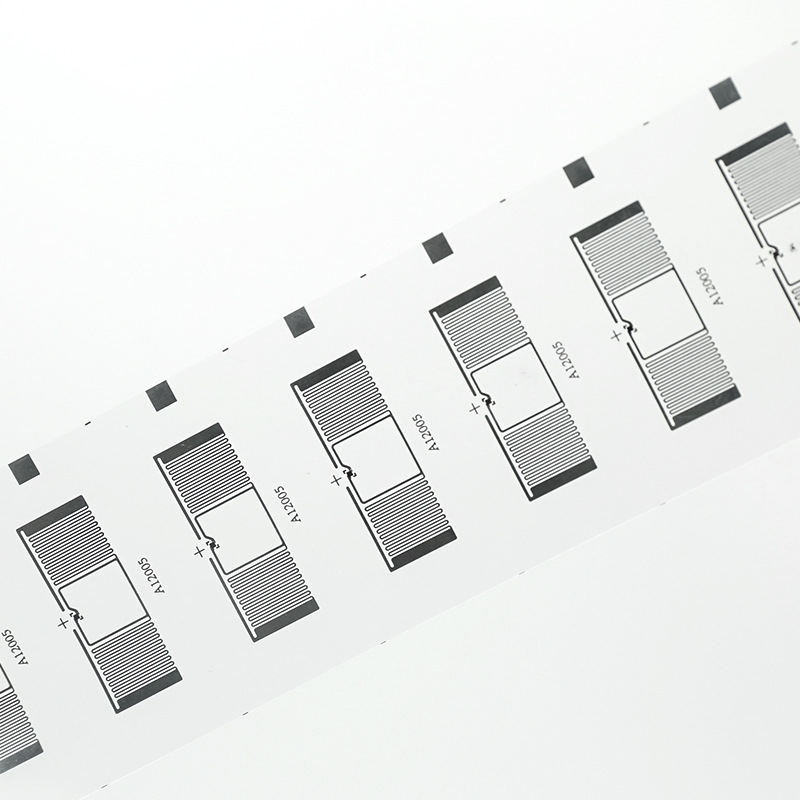 UHF dry inlays · Manufacturer reference
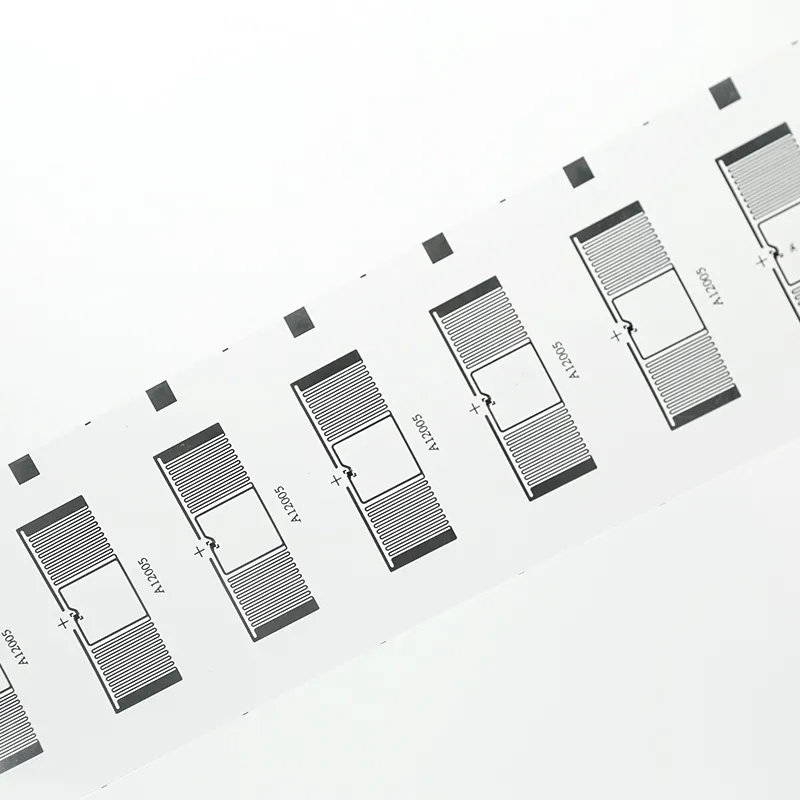
UHF Dry Inlay Label
Chip options: H9 / M4QT / MR6 / U8 / U9 / Frequency: 860–960 MHz (UHF)
 UHF dry inlays · Manufacturer reference
UHF Dry Inlay Label
Chip: Alien H3 / U8 / U9 / MR6 options / Operating frequency: 860–960 MHz
 Handheld readers · Manufacturer reference
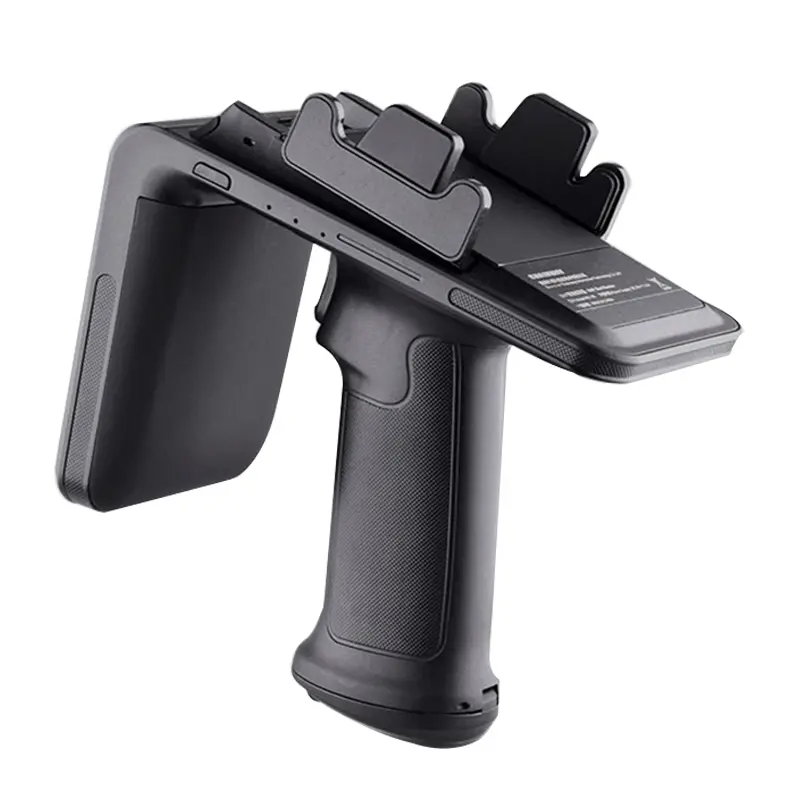
UHF Handheld Reader with Barcode Scanner
Reader model: X6 / Physical characteristics · Size: 143x76x140mm / 5.63×2.99×5.51in
 Jewelry tags · Manufacturer reference
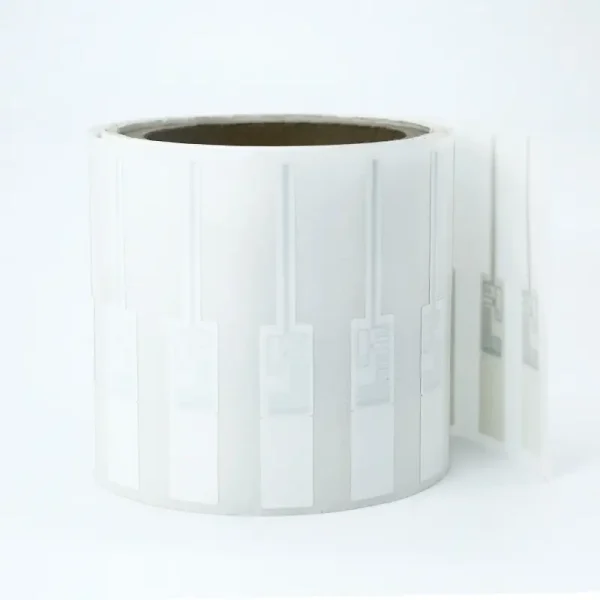
UHF Jewelry RFID Tag
Operating frequency: 860–960 MHz (UHF) / Protocol: EPC Global Gen2 V2 / ISO 18000-6C
 Jewelry tags · Manufacturer reference
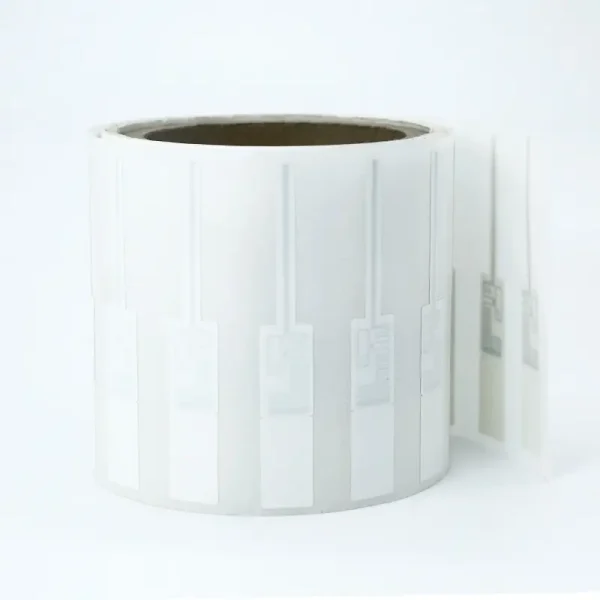
UHF Jewelry Tag
Operating frequency: 860–960 MHz (UHF) / Protocol: EPC Global Gen2 V2 / ISO 18000-6C
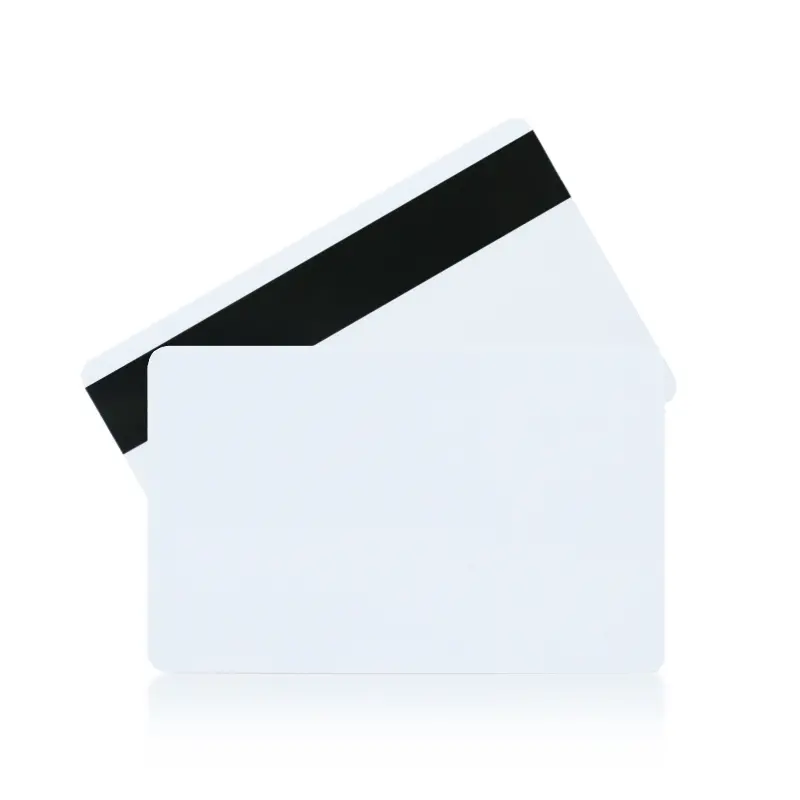 UHF cards · Manufacturer reference
UHF PVC Card with Magnetic Stripe
Chip options: Alien h3 ,Ucode 7,Monza R6 / Frequency: 860-960mhz
- UHF cards · Manufacturer reference
UHF PVC Magnetic Stripe Smart Card
Chip options: Alien h3 ,Ucode 7,Monza R6 / Frequency: 860-960mhz
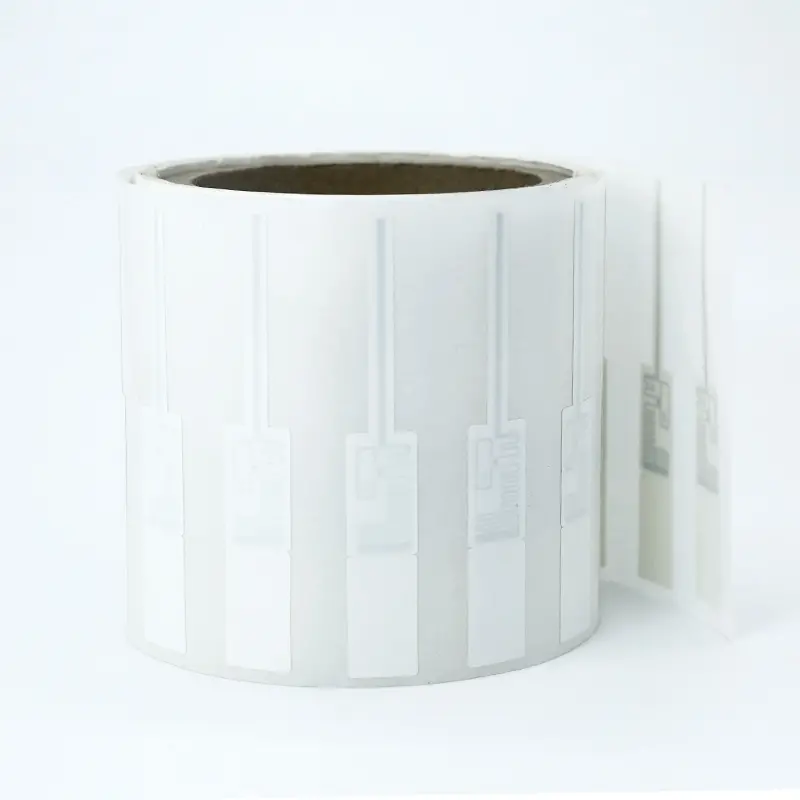 Jewelry tags · Manufacturer reference
UHF RFID Jewelry Sticker
Chip: U8, MR6 / Material: PET, PVC, coated paper
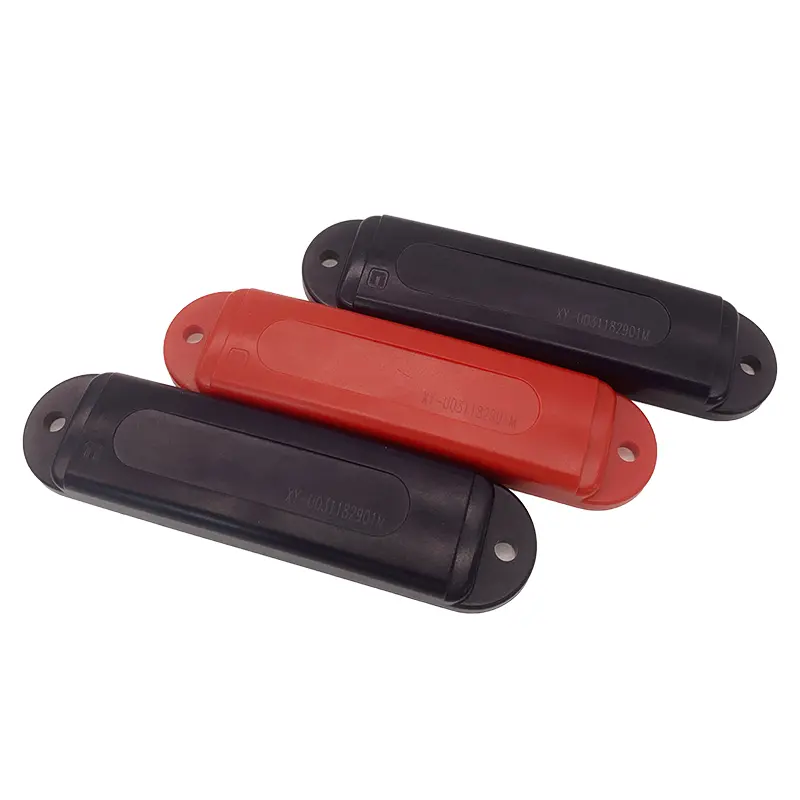 On-metal hard tags · Manufacturer reference
UHF RFID On-Metal Asset Tag
Chip: Monza 6R / Size: 118*29mm
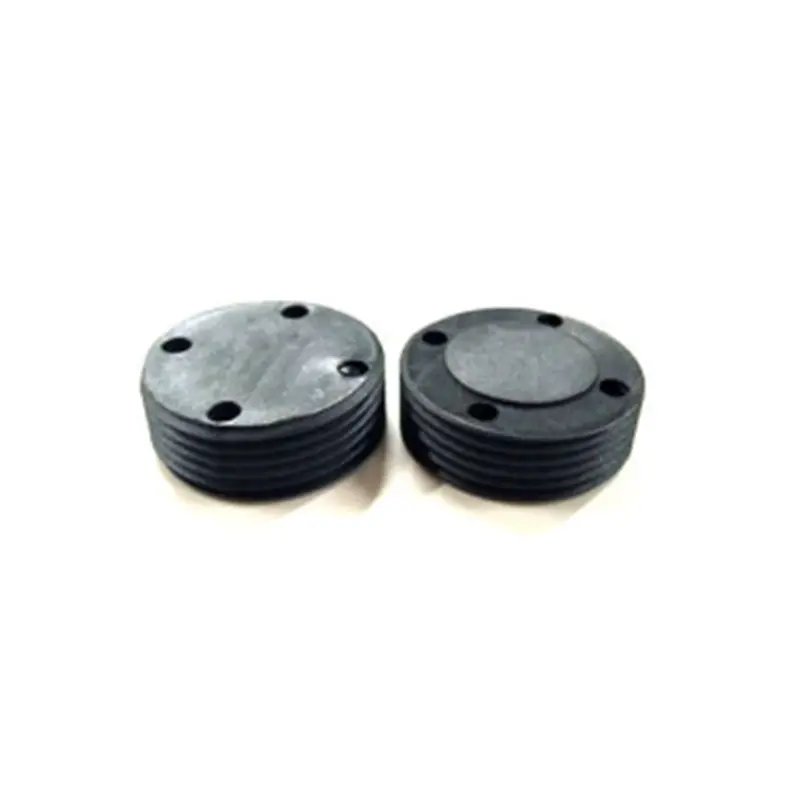 Waste bin tags · Manufacturer reference
UHF RFID Waste Container Tag
Chip: MR6 / Frequency: 902-928MHz
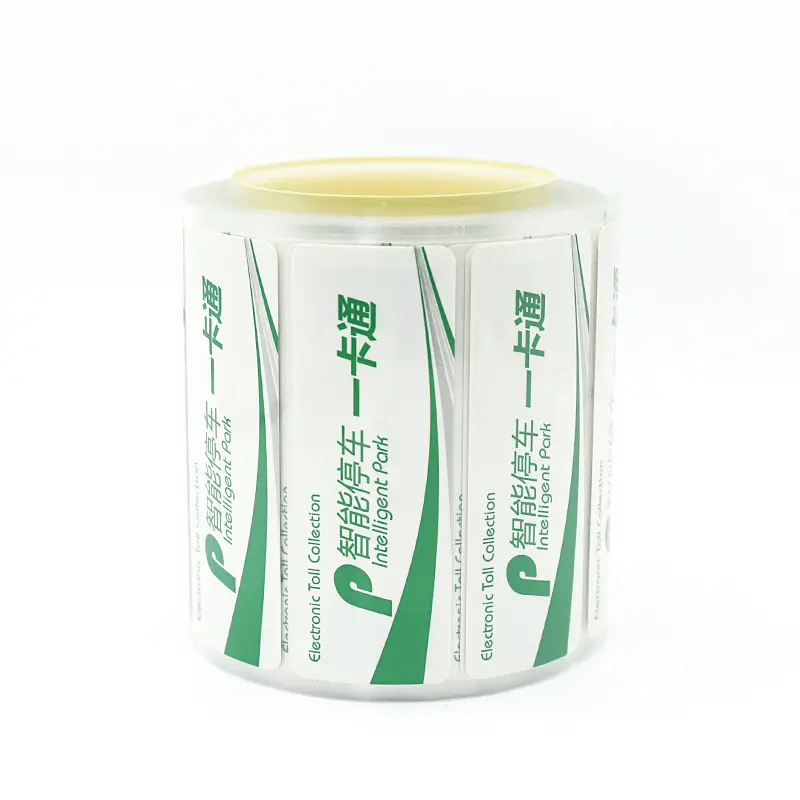 Windshield labels · Manufacturer reference
UHF RFID Windscreen Label
Chip: M4QT / Size: 110*40mm
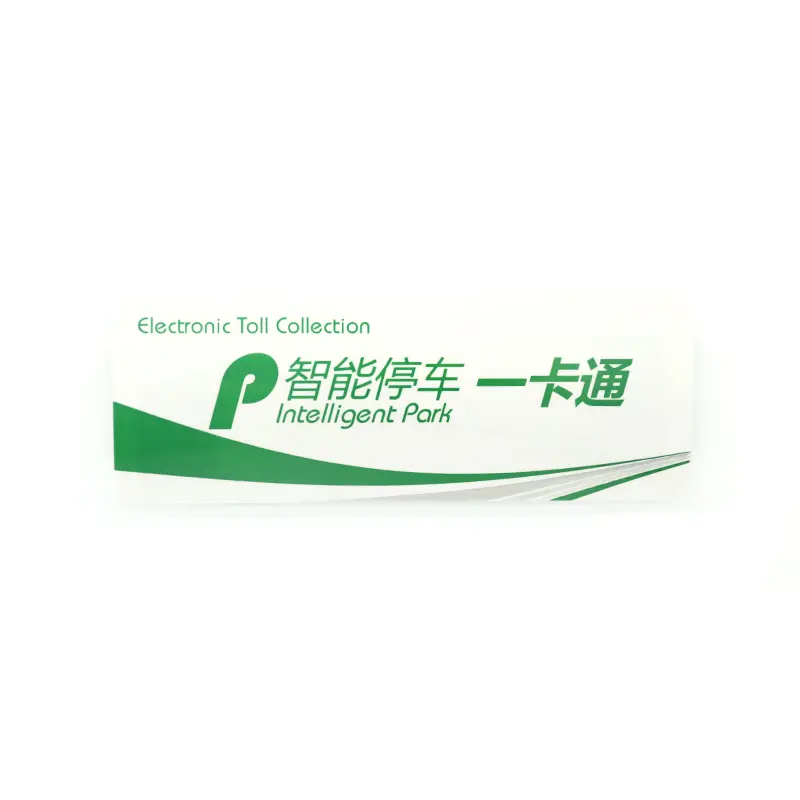 Windshield labels · Manufacturer reference
UHF RFID Windshield Sticker
Chip: M4QT / Size: 110*40mm
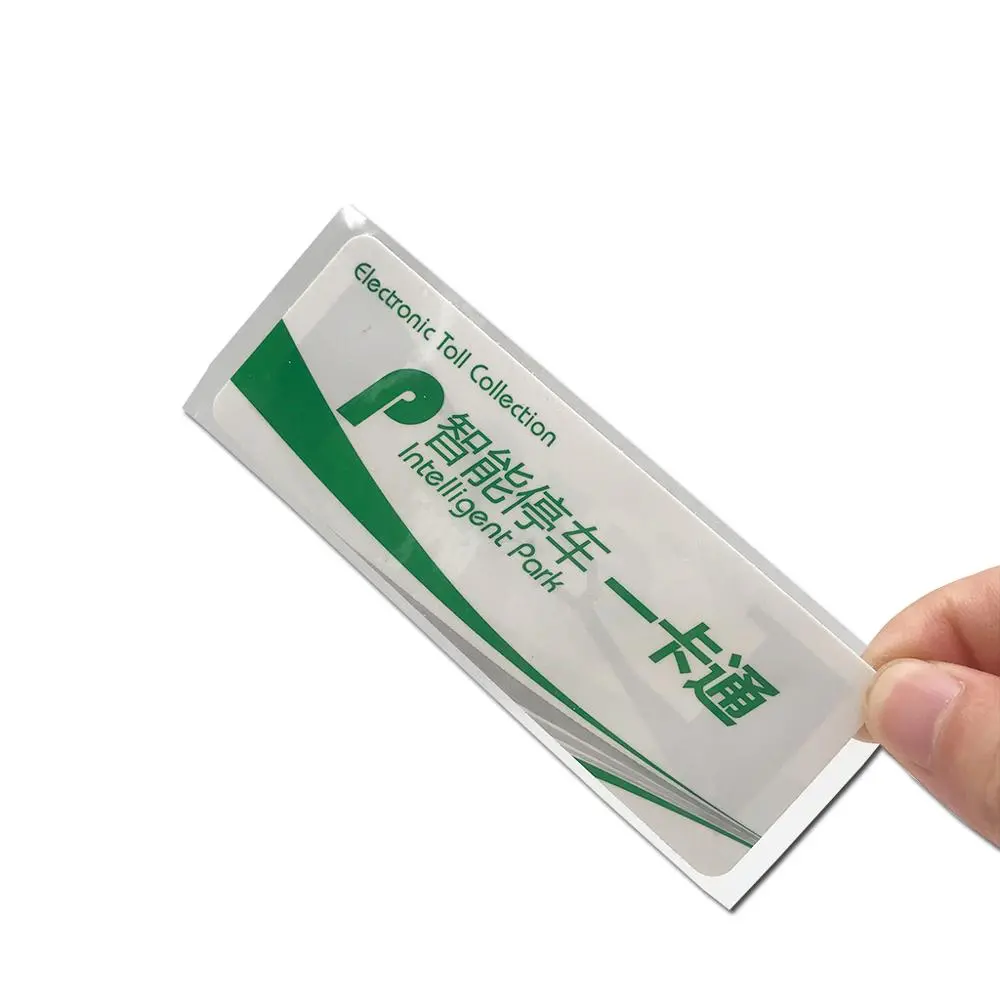 Windshield labels · Manufacturer reference
UHF Vehicle Windshield Sticker
Chip: M4QT / Size: 110*40mm
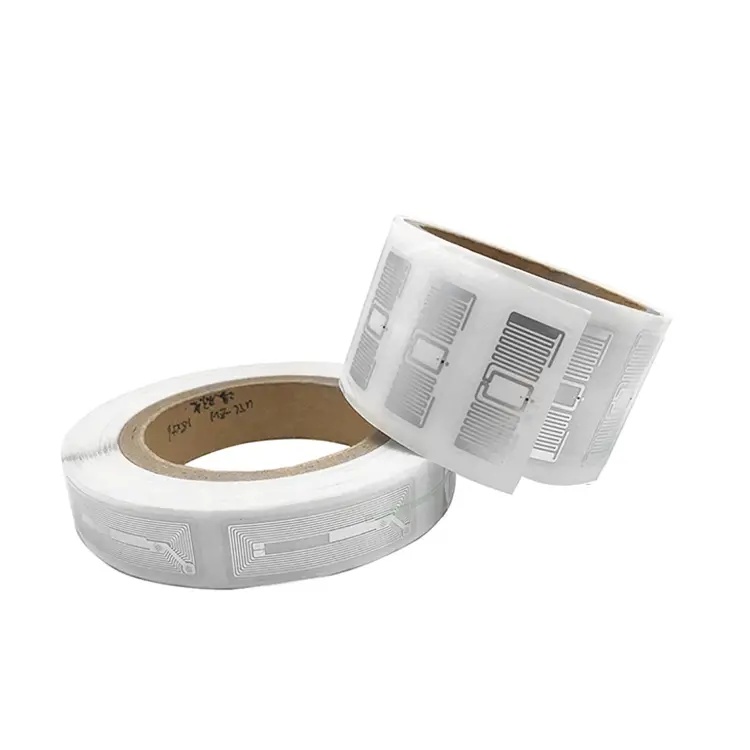 Mixed-band and multi-format inlays · Manufacturer reference
UHF Wet and Dry Inlay Labels
Physical specifications · Antenna size: 68*19mm (Customized) / Physical specifications · Size: 70*21mm (Customized)
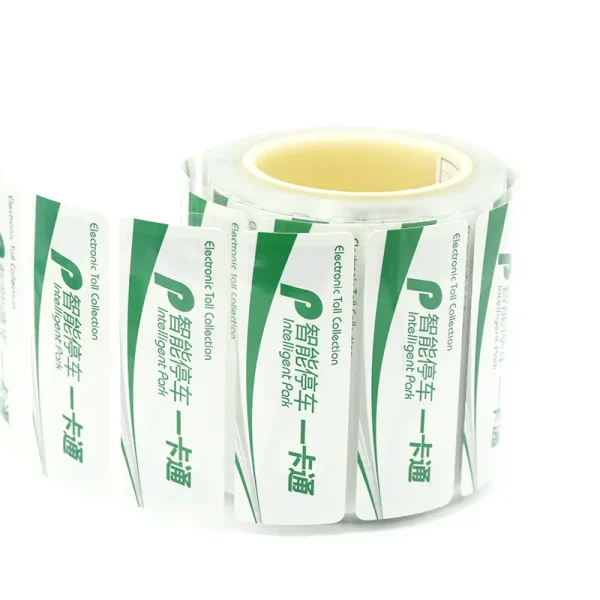 Windshield labels · Manufacturer reference
UHF Windshield RFID Label
Operating frequency: 860–960 MHz (UHF) / Protocol: EPC Global Gen2 V2 / ISO 18000-6C
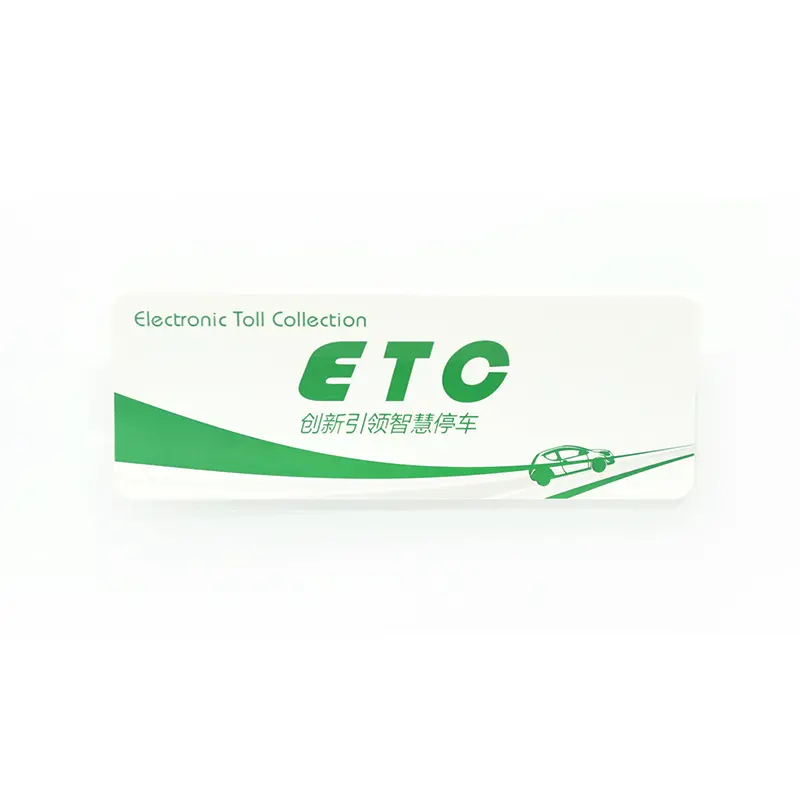 Windshield labels · Manufacturer reference
UHF Windshield Vehicle Identification Tag
Chip: M4QT / Size: 110*40mm
- Handheld readers · Manufacturer reference
X6 Handheld UHF Data Collection Terminal
Reader model: X6 / Physical characteristics · Size: 143x76x140mm / 5.63×2.99×5.51in
- Format ref.Retail & inventory labels · Store catalog
M4QT ISO 18000-6C Adhesive UHF Label
Chip: Monza 4QT (M4QT) / Protocol: ISO/IEC 18000-6C (UHF)
- Format ref.Windshield labels · Store catalog
M4QT UHF Windshield Label
Chip: M4QT / Finish: Holographic
- Format ref.Flexible on-metal labels · Store catalog
MR6 Coated-paper On-metal Label
Chip: MR6 / Construction: Flexible on-metal label
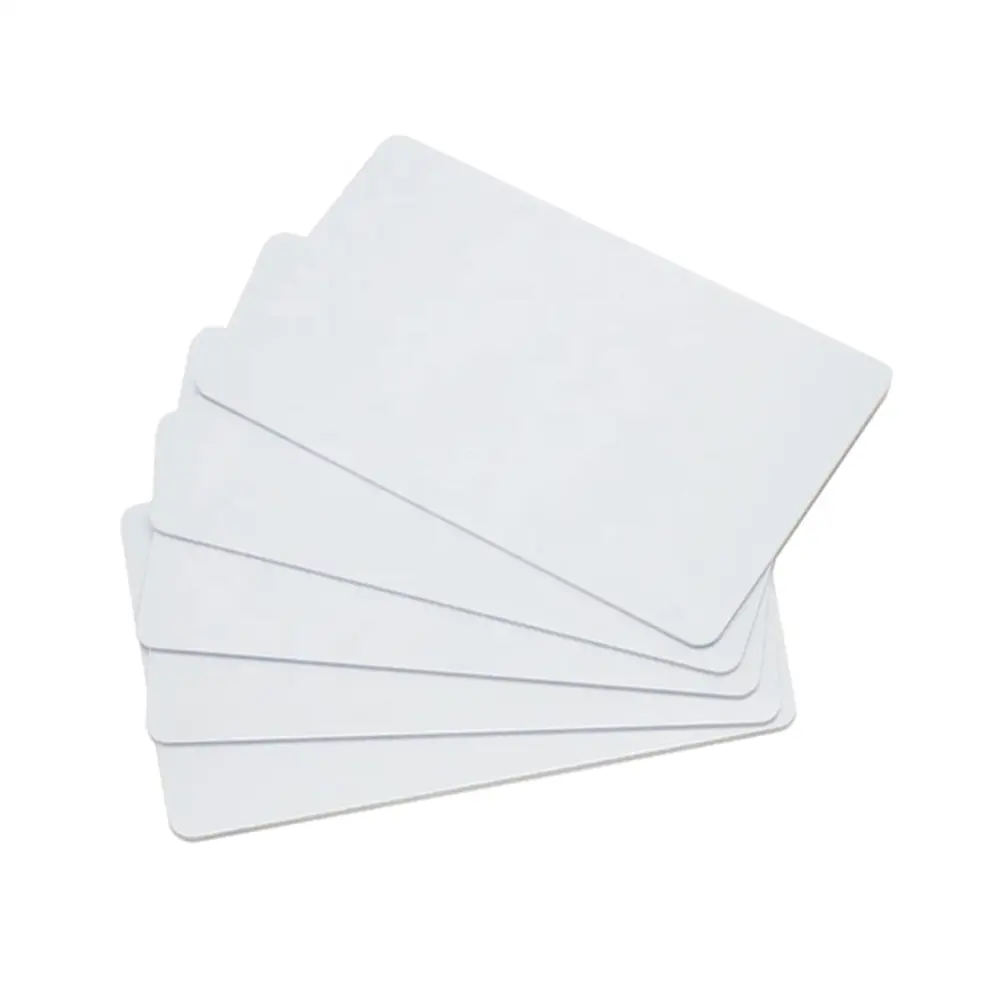 Format ref.UHF cards · Manufacturer reference
860–960 MHz UHF Card
Material: Higgs 3,Monza 4QT,etc. / Frequency: 860~960MHz
- Format ref.Flexible on-metal labels · Manufacturer reference
Flexible UHF On-Metal Asset Label with Foam Layer
Size: 70*30mm, 60*25mm (Customized) / Material: PP Synthetic Paper + EVA Foam
- Format ref.Flexible on-metal labels · Manufacturer reference
Flexible UHF On-Metal Tool Label
Size: 70*30mm, 60*25mm (Customized) / Material: PP Synthetic Paper + EVA Foam
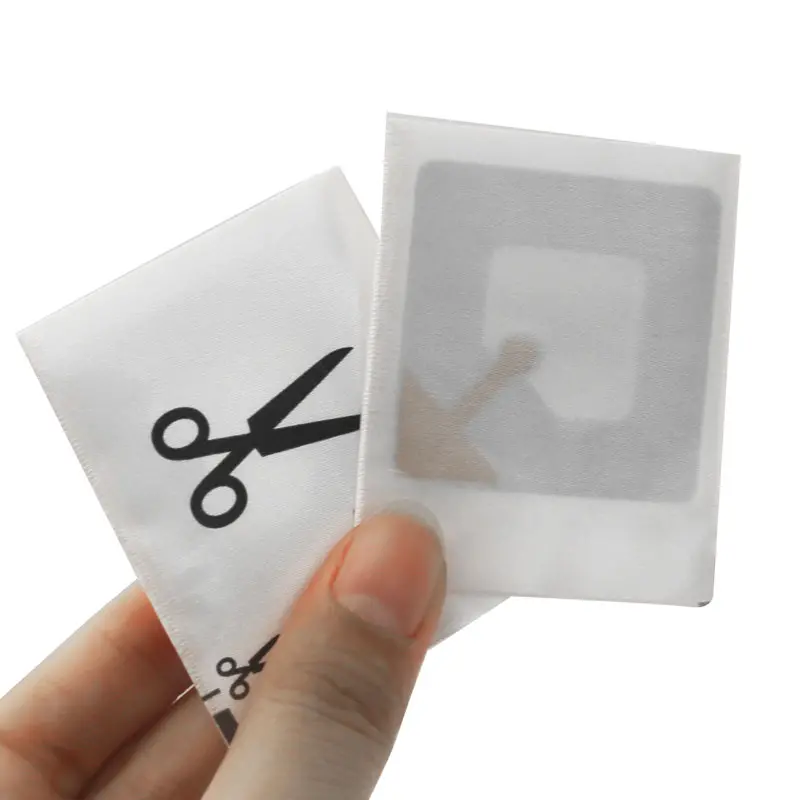 Format ref.Apparel labels and hangtags · Manufacturer reference
HF or UHF Paper Garment Hangtag
Material: Coated Paper / Preferred frequency range: 860 – 960MHz
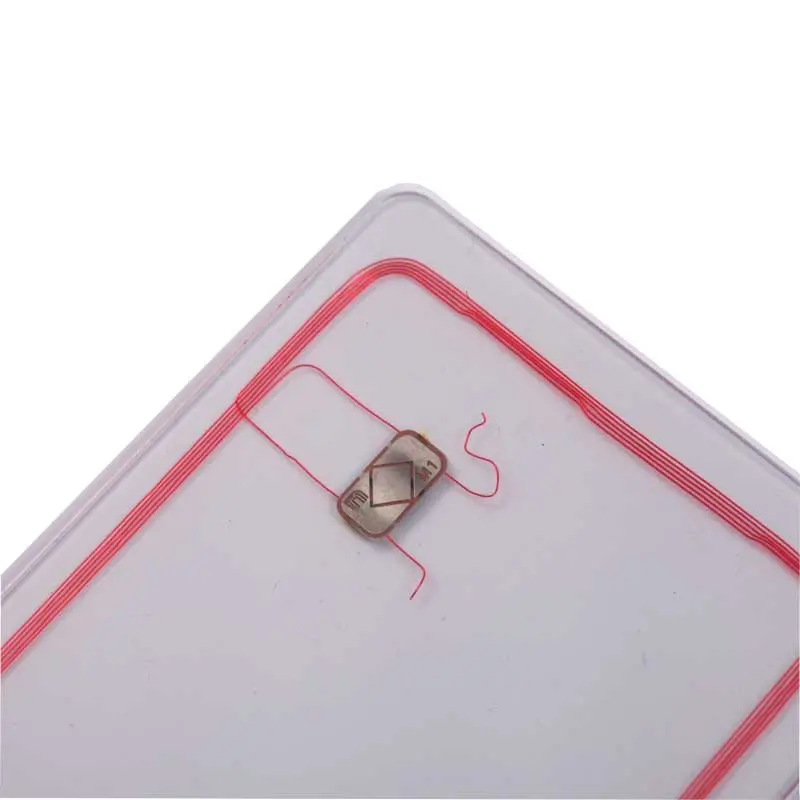 Format ref.Printed plastic and magnetic stripe cards · Manufacturer reference
LoCo or HiCo Magnetic Stripe Card
Chip options: Alien h3 ,Ucode 7,Monza R6 / Material: PVC,PET,Paper
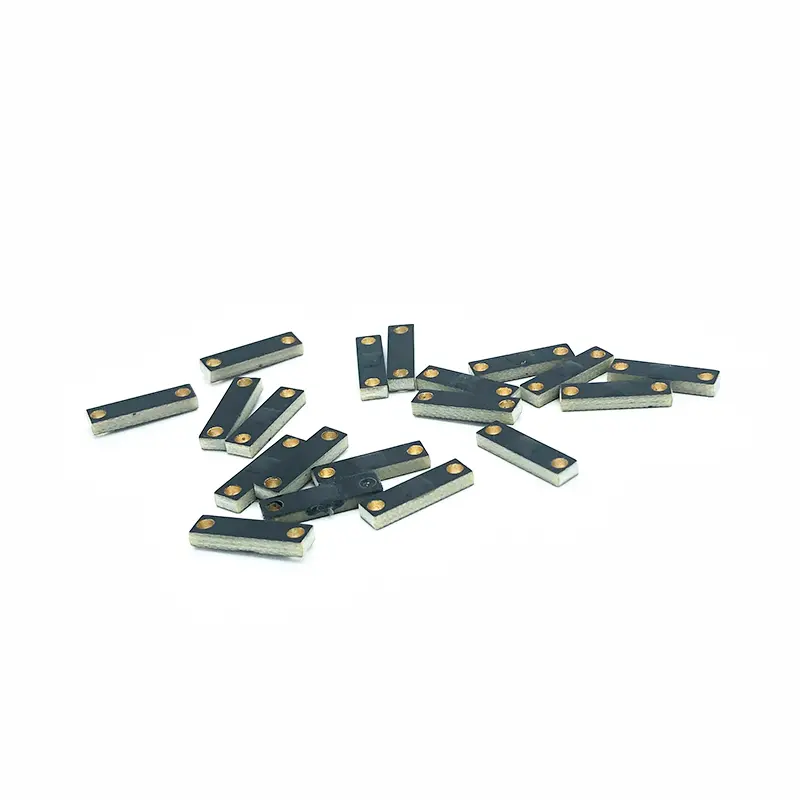 Format ref.PCB on-metal tags · Manufacturer reference
Monza 4QT PCB On-Metal Tag
Chip: M4QT / Size: 95*25mm
- Format ref.Apparel labels and hangtags · Manufacturer reference
Monza 5 RFID Garment Label
Protocol: ISO18000-6C / Chip: M5
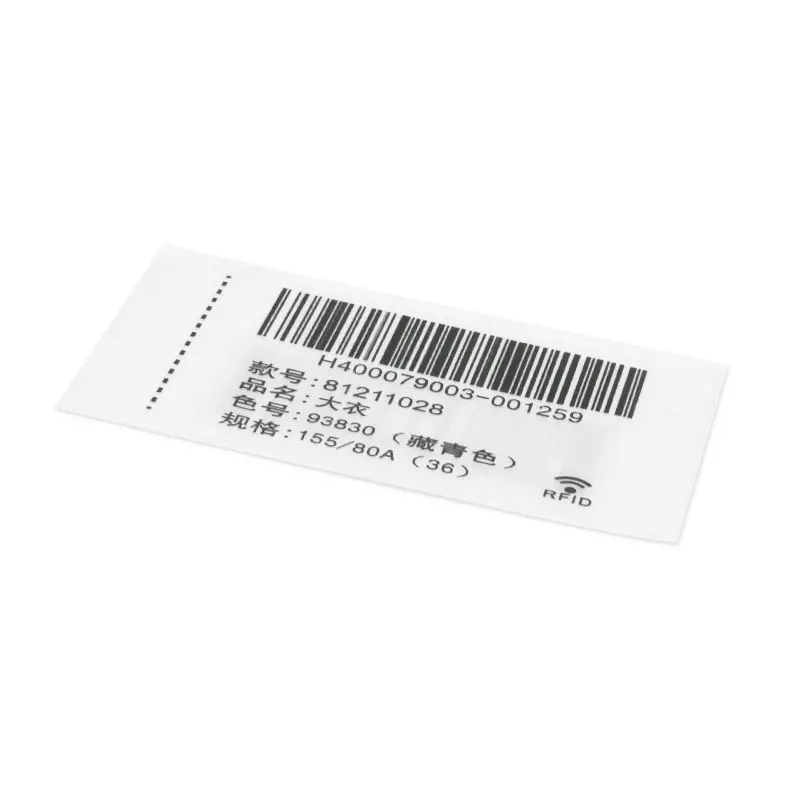 Format ref.Apparel labels and hangtags · Manufacturer reference
Monza R6-P UHF Paper Garment Hangtag
Chip: MR6-P / Size: 150*45mm
- Format ref.Asset and inventory labels · Manufacturer reference
Monza-Series UHF RFID Sticker
Frequency: UHF / Air interface: ISO/IEC 18000-6C
- Format ref.Flexible on-metal labels · Manufacturer reference
Printable Flexible UHF On-Metal Asset Label
Material: Coated Paper, PVC, PET, Fragile Paper etc / Frequency: 860-960MHz
- Format ref.Apparel labels and hangtags · Manufacturer reference
UHF Garment Hangtag with Printed Barcode
Material: Coated Paper / Preferred frequency range: 860 – 960MHz
- Format ref.Vehicle asset tags · Manufacturer reference
UHF Industrial Vehicle Tracking Tag
Chip: H3/Monza x-8k / Material: Stainless steel
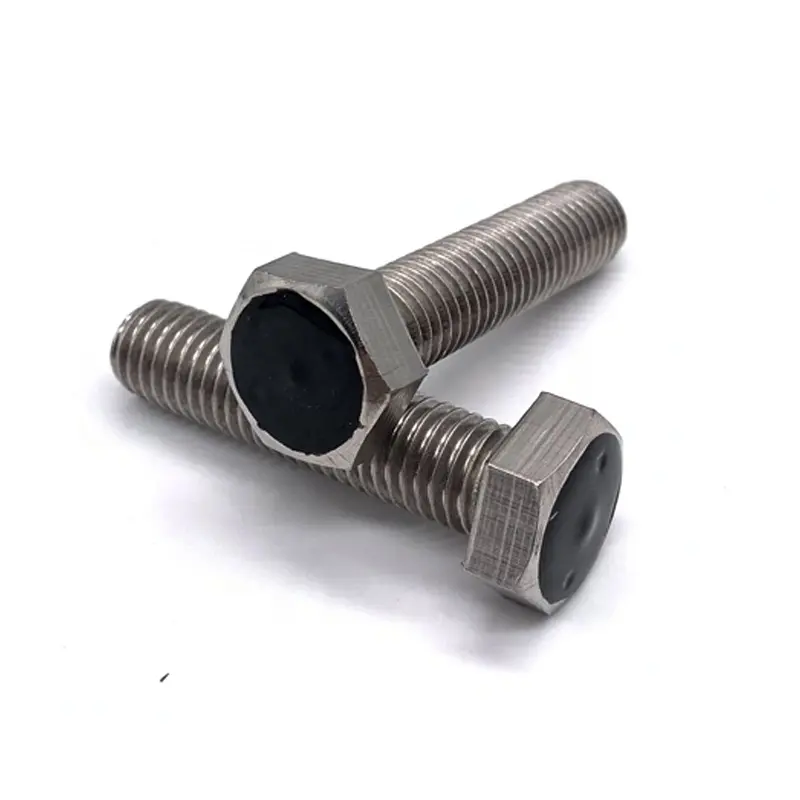 Format ref.Screw and bolt tags · Manufacturer reference
UHF On-Metal Screw Tag
Size: 34*34*28.5mm or customize / Chip: Monza X-8k/H3 or customize
- Format ref.UHF cards · Manufacturer reference
UHF PVC Card for ISO/IEC 18000-6C Readers
Material: Higgs 3,Monza 4QT,etc. / Frequency: 860~960MHz
- Format ref.Apparel labels and hangtags · Manufacturer reference
UHF RFID Apparel Hangtag
Material: Coated Paper / Preferred frequency range: 860 – 960MHz
- Format ref.Screw and bolt tags · Manufacturer reference
UHF RFID Screw and Bolt Tag
Size: 34*34*28.5mm / Chip: Monza X-8k
- Format ref.Mixed-band and multi-format inlays · Manufacturer reference
UHF Wet and Dry Inlays for Asset Identification
Material: Coated paper/PVC/PET / Chip options: Alien H3/H4, Impinj M4/M5/R6, NXP UCODE 7/ G2xm
- Format ref.Handheld readers · Manufacturer reference
X2 Portable Bluetooth UHF Reader
Reader model: X2 / Physical characteristics · Size: 282×117.5x32mm / 11.10×4.63×1.26in
What to specify when ordering R6 / R6-P / M4QT (UHF) samples
- Regional reader frequency band (FCC 902–928 MHz, ETSI 865–868 MHz, or wideband 860–960 MHz)
- Whether your software writes only to the 96/128-bit EPC bank or requires a 512-bit User memory bank
- Thermal-transfer RFID printer model (Zebra, Sato, Honeywell, Printronix) roll pitch and inlay offset
Direct Engineering Inquiry
Request R6 / R6-P / M4QT (UHF) samples or quote
Submit this short form directly on the page—no separate form page required.
R6 / R6-P / M4QT (UHF) buyer & engineering FAQ
When should I choose M4QT instead of R6 / MR6 for UHF labels?
Choose R6-class inlays when your system stores a standard 96-bit SGTIN/serialized EPC and looks up item details in a database. Choose M4QT (or Higgs-3) when your field readers must read or write up to 512 bits in the separate User memory bank offline.
Can printable flexible on-metal UHF labels run through desktop RFID printers?
Thin flexible ferrite-foam on-metal labels are engineered for RFID printers that support thicker media paths and on-metal inlay calibration; always test a sample roll in your specific printer model.
Do UHF inlays work across both US (FCC) and EU (ETSI) regions?
Most wideband dipole inlays cover 860–960 MHz, whereas compact rigid ceramic or PCB on-metal tags are sometimes tuned specifically for ETSI (865–868 MHz) or FCC (902–928 MHz) to maximize range. Specify your deployment region in your brief.