
How to Choose RFID Laundry Tags
Choose a laundry tag by how it attaches, which reader will identify it and what happens to the textile between issue and return. Test the tag on the actual linen through the full process.
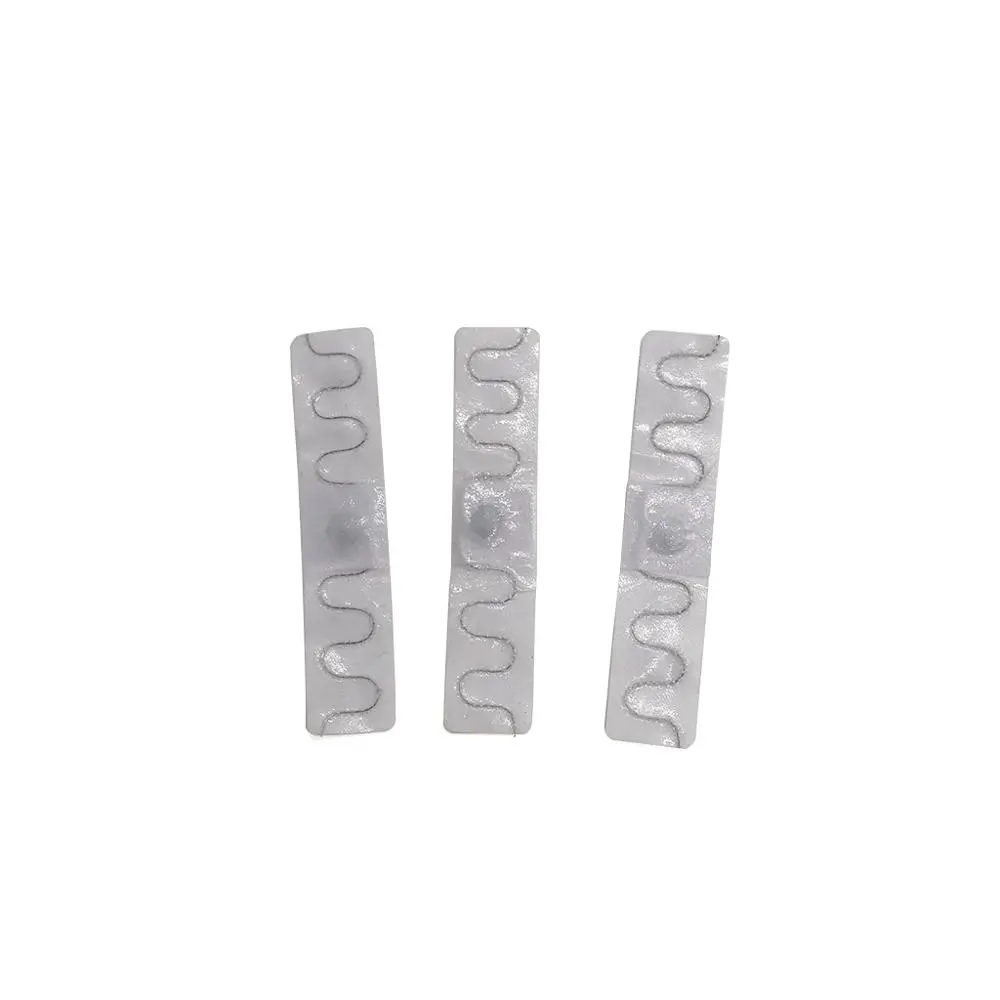
Compare attachment options
| Format | When to consider it | Check on samples |
|---|---|---|
| Sew-in textile label | You can add the tag to a seam, hem or pocket during production or retrofit. | Placement, stitch line, folding and tag retention after finishing. |
| Heat-seal textile tag | You have a controlled press process for attaching a textile tag. | The application instructions for the exact tag, then bond, appearance and reads after processing. |
| PPS disc or button tag | The item has a suitable location for a rigid tag and your team can approve the attachment. | The installed profile, contact with equipment or skin, tag retention and reader performance. |
Specify the laundry process
Share the fabric and item type, the wash chemistry, the hottest stage and its duration, and how the linen is dried or pressed. Include any steps that expose the tag to compression. Ask for the test conditions used to support the supplier’s durability claim and for the expected service life under the conditions you supplied.
Run a linen trial through the read point
Record each sample ID before washing. Check the attachment and read the same items again after washing, drying and finishing. Repeat the scan in the expected workflow, such as single-item scanning at issue or a loaded trolley at return. Record missed reads and the sample placement so you can compare candidates on the same setup.
Catalog examples
Sew-in UHF Woven Laundry Tag
The store listing identifies a woven sew-in UHF format. Confirm the size and chip required for your reader and the intended seam.
Use this model in a sample requestHeat-Seal UHF Textile Laundry Tag
This heat-seal reference lists a 70 × 15 mm nylon tag and UCODE 7M. Ask for the attachment instructions for your textile.
Use this model in a sample requestPPS UHF RFID Laundry Tag
This PPS reference lists an 18 mm diameter and UCODE 7M. Check how the disc would be secured and handled in your laundry.
Use this model in a sample request
What to include in your request
- Textile type, fabric and the space available at the proposed attachment point
- Wash temperature, duration, chemistry, dryer or press conditions, and target cycle count
- Reader model, scan location and expected load size
- Sample quantity, production quantity, and any printed or encoded identifier
Technical references
Background on how a passive UHF tag and reader exchange data.
GS1 EPC UHF Gen2 air-interface standard