
How to Choose RFID Livestock Ear Tags
Start with the animal and the identification program. Match the required reader protocol and ID format, then confirm the tag’s fit, fastener and applicator for the species.
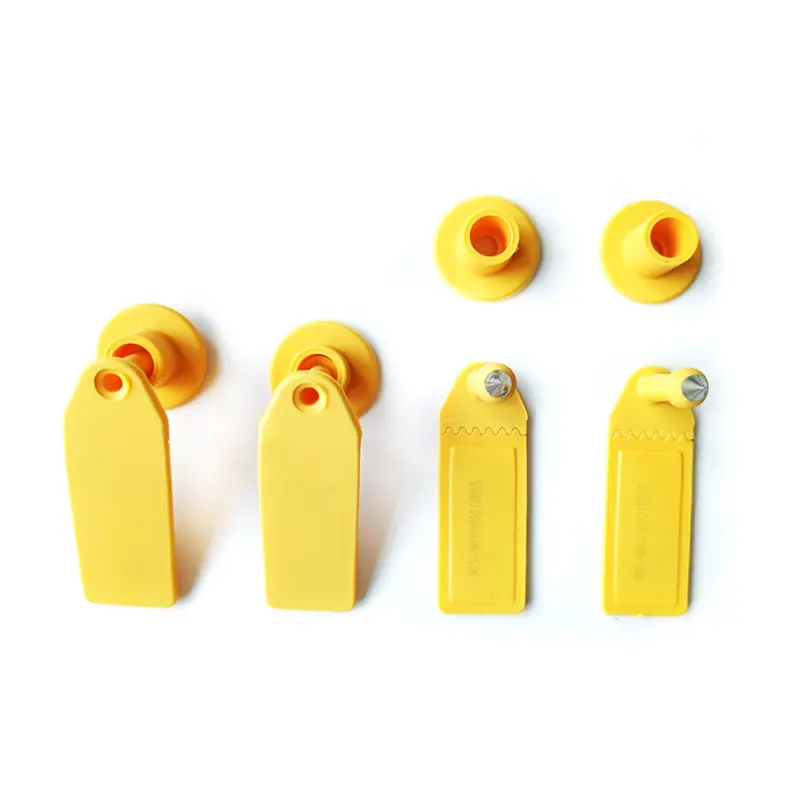
Compare ear tags by reader and use
| Need | What to match | Check on samples |
|---|---|---|
| An FDX-B identification workflow | The reader’s supported animal ID protocol and the required numbering format. | The displayed ID, the exported record and the exact model’s eligibility for your program. |
| A UHF reader workflow | The exact tag configuration, your reader and the intended read location. | Read consistency at the gate, pen or chute. Try the orientations you see in normal use. |
| A visible identifier | The printed or laser-marked number, the electronic ID and the matching rules in your software. | Mark legibility and agreement between the printed number, the reader display and the database. |
Check the complete ear-tag assembly
Record the species and age group, the visible area needed for marking and the tag parts supplied with the sample. Confirm the mating stud or backing and the applicator model. Have the person responsible for animal handling review the placement and trial procedure.
Confirm the program before placing an order
For official identification, ask the relevant animal identification authority which devices and number ranges are required. If your program uses the ICAR registry, verify the exact finished tag there. For internal tracking, confirm that the reader’s output enters the farm software under the intended animal record.
Catalog examples
FDX-B TPU Livestock Ear Tag
The store listing names FDX-B and TPU. Confirm the full tag assembly, ID format and required approvals.
Use this model in a sample requestU9 Printable TPU Livestock Ear Tag
This store-listed TPU model names a U9 chip and a printable format. Confirm the marking method and the mapping between printed and electronic IDs.
Use this model in a sample requestUHF Goat Ear Tag
This UHF goat ear-tag reference lists a Higgs 3 chip and TPU. Compare the pictured form and confirm the fit and fastener for your animals.
Use this model in a sample request
What to include in your request
- Species, age group, location and whether the tags are for internal or official identification
- Reader model, supported protocol, software and required ID format
- Ear-tag shape, backing or stud, applicator and marking requirements
- Sample quantity, trial location and expected ordering volume
Technical references
Device registries and animal identification certification guidance.
ICAR animal identification devices