Comparativo de faixas RFID passivas: UHF vs. HF/NFC vs. LF
Sistemas RFID passivos operam em três faixas principais regidas por princípios físicos distintos (acoplamento magnético em LF/HF frente ao retroespalhamento eletromagnético em UHF). Escolher a banda errada causa falhas perto de líquidos ou metal ou impede a leitura por smartphones.
Matriz comparativa de especificações
| Faixa e frequências | Normas principais | Acoplamento e campo | Encaixe B2B principal |
|---|---|---|---|
| LF (125 kHz / 134,2 kHz) | ISO 11784/11785 FDX-B; TK4100/T5577 | Indutivo próximo; atravessa água e tecido sem grande atenuação; leitura um a um | Brincos pecuários, cápsulas implantáveis, chaveiros prediais e pontos de ronda |
| HF / NFC (13,56 MHz) | ISO/IEC 14443A, ISO/IEC 15693, NFC Type 2/4/5 | Indutivo próximo; zonas controladas; leitura nativa em iOS e Android (NFC) | Chaves de hotel, controle de acesso, bibliotecas, pôsteres inteligentes e lacres |
| UHF RAIN (860–960 MHz) | ISO/IEC 18000-6C / GS1 EPC Gen2v2 | Campo distante; anticolisão massiva em metros; bandas regionais FCC/ETSI | Inventário têxtil de varejo, paletes, portais de doca e ativos metálicos de pátio |
Por que compatibilidade com smartphones exige 13,56 MHz NFC
Celulares iOS e Android trazem hardware NFC exclusivamente em 13,56 MHz. Nem chaveiros de 125 kHz nem etiquetas UHF de 860–960 MHz são lidos diretamente por um telefone comum sem leitor externo.
Leitura massiva de inventário frente a zonas controladas
UHF Gen2 lê dezenas ou centenas de itens por segundo ao atravessar um portal ou com coletor portátil. Já LF e HF caem bruscamente fora da bobina, evitando leituras acidentais em bibliotecas ou catracas.
Como água e metal afetam cada frequência
Água e tecido vivo absorvem fortemente UHF, tornando LF 134,2 kHz superior no gado e HF útil perto de bebidas, enquanto aço nu exige espaçadores FR4 PCB, cerâmica ou ferrita.
Modelos representativos (24)
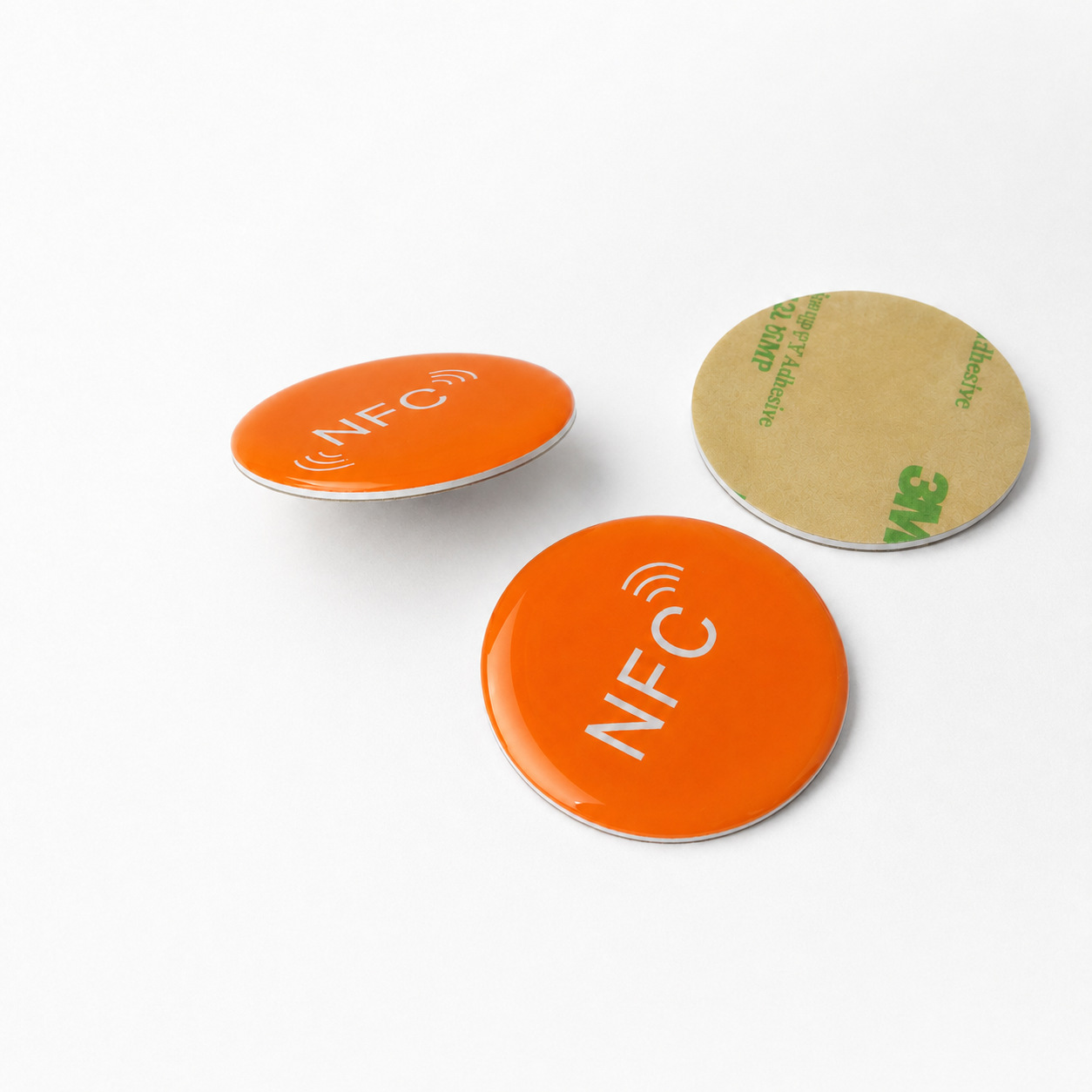
- On-metal NFC tags · Store catalog
25 mm On-metal Epoxy NFC Tag
Construction: Round epoxy on-metal tag / Diameter: 25 mm
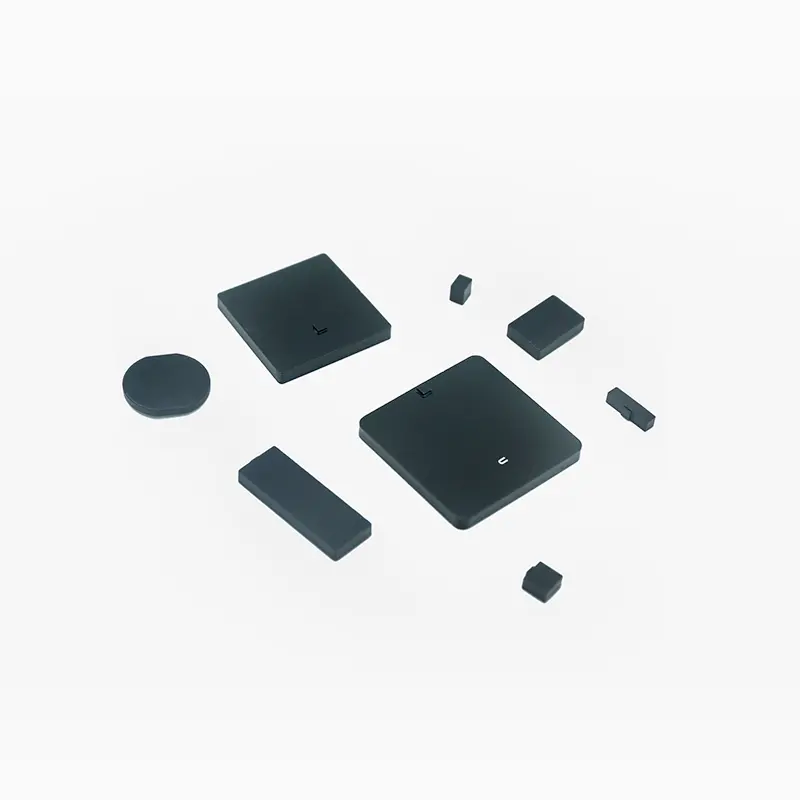 Ceramic on-metal tags · Store catalog
Ceramic UHF On-metal Tag
Material: Ceramic / Mounting surface: Metal
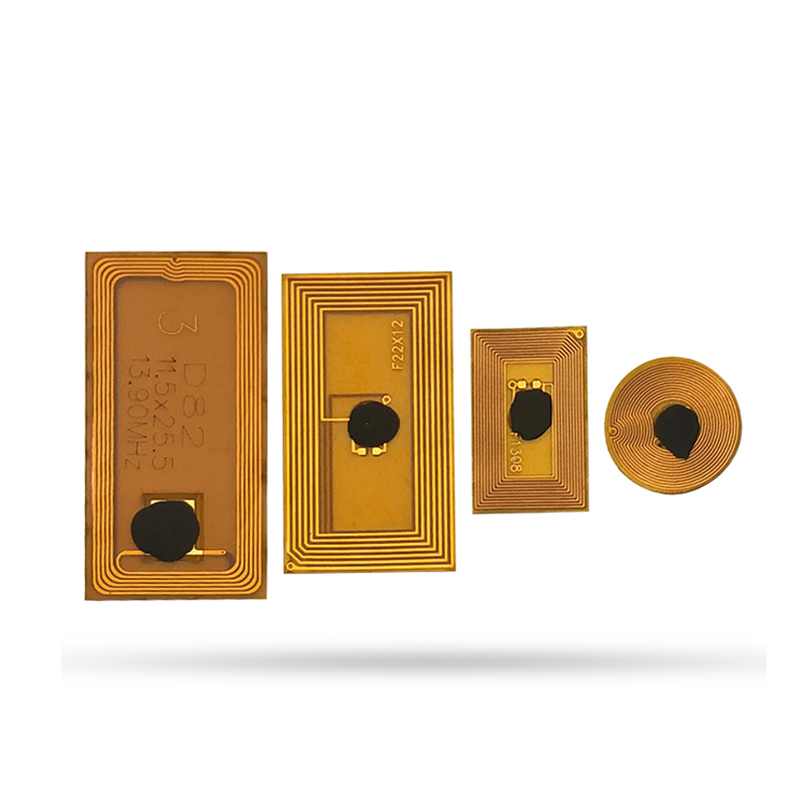 FPC tags · Store catalog
Embedded Passive NFC FPC Label
Construction: Embedded flexible printed circuit / Power: Passive
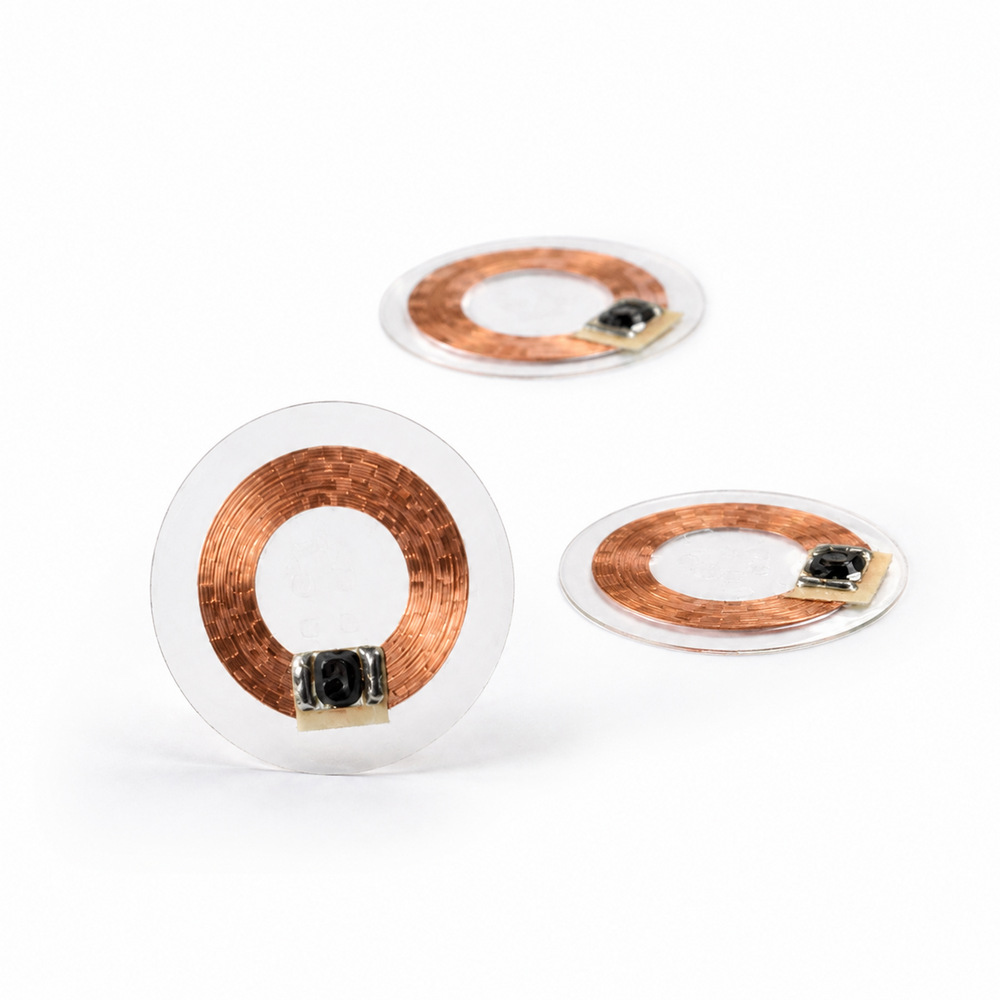 NFC toy & collectible tags · Store catalog
Embedded Passive NFC Toy Tag
Power: Passive / Placement: Inside interactive toys and figurines
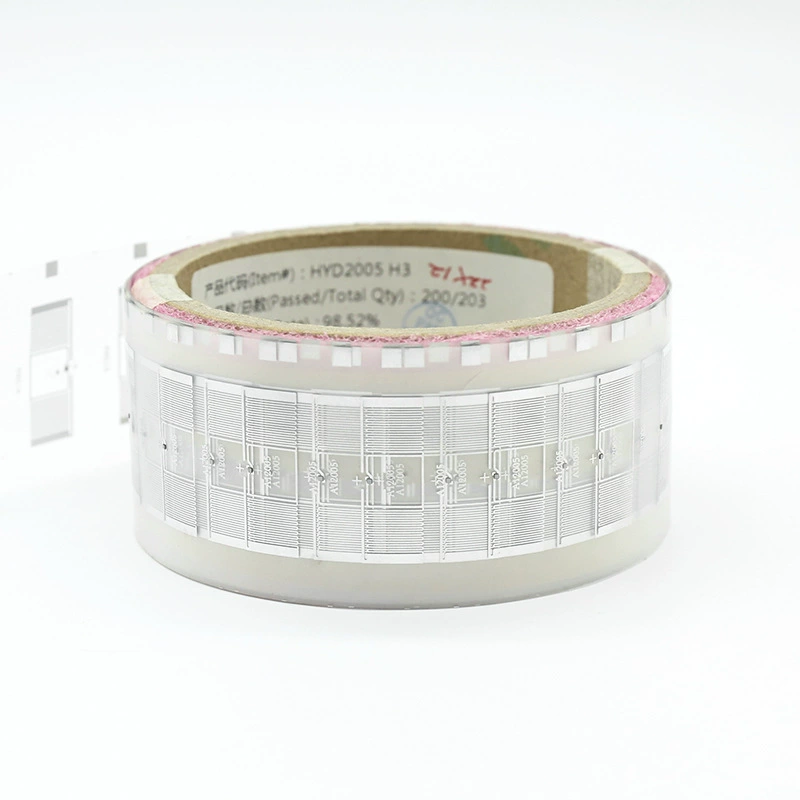 UHF dry inlays · Store catalog
Flexible Passive UHF RFID Dry Inlay
Construction: Dry inlay that can be rolled / Carrier frequency category: Listed under the UHF RFID category in the original attribute table.
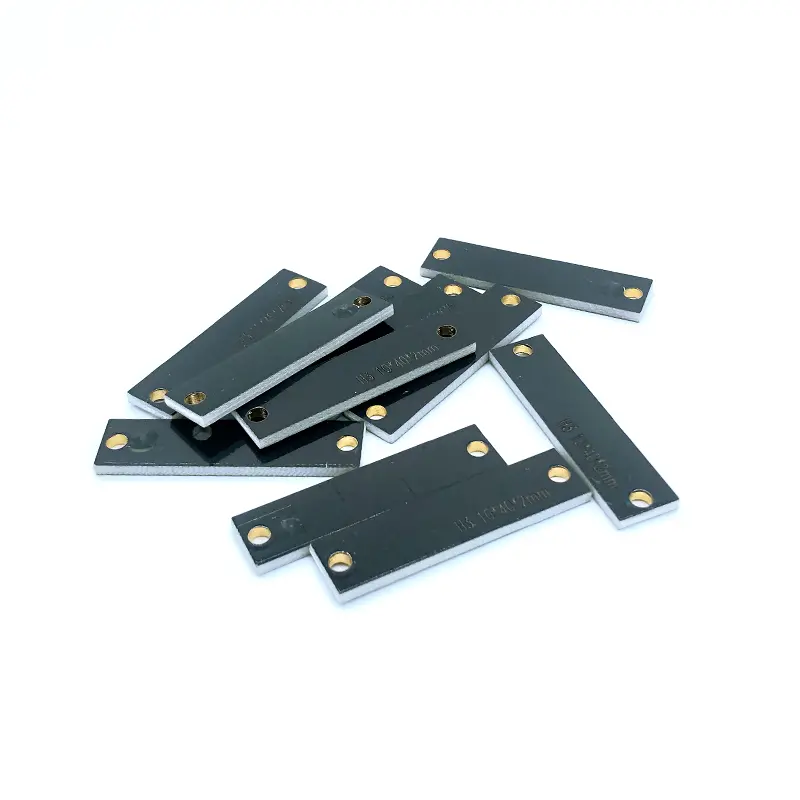 PCB on-metal tags · Store catalog
H3 PCB UHF On-metal Tag
Chip: H3 / Construction: PCB tag for mounting on metal
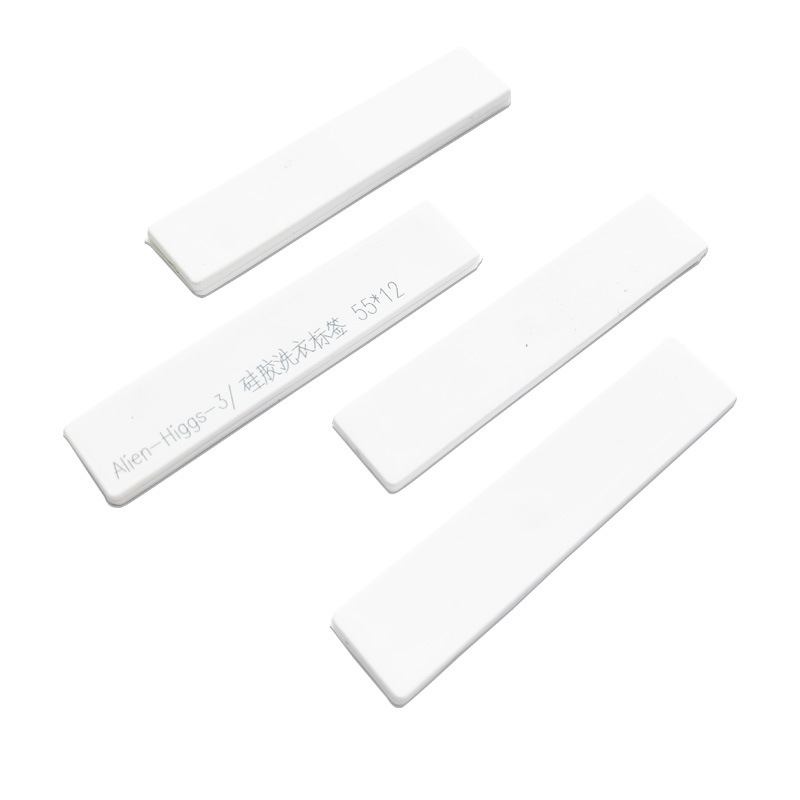 Laundry & linen tags · Store catalog
H3 UHF Hospital Laundry Tag
Chip: H3 / Application: Hospital laundry and asset management
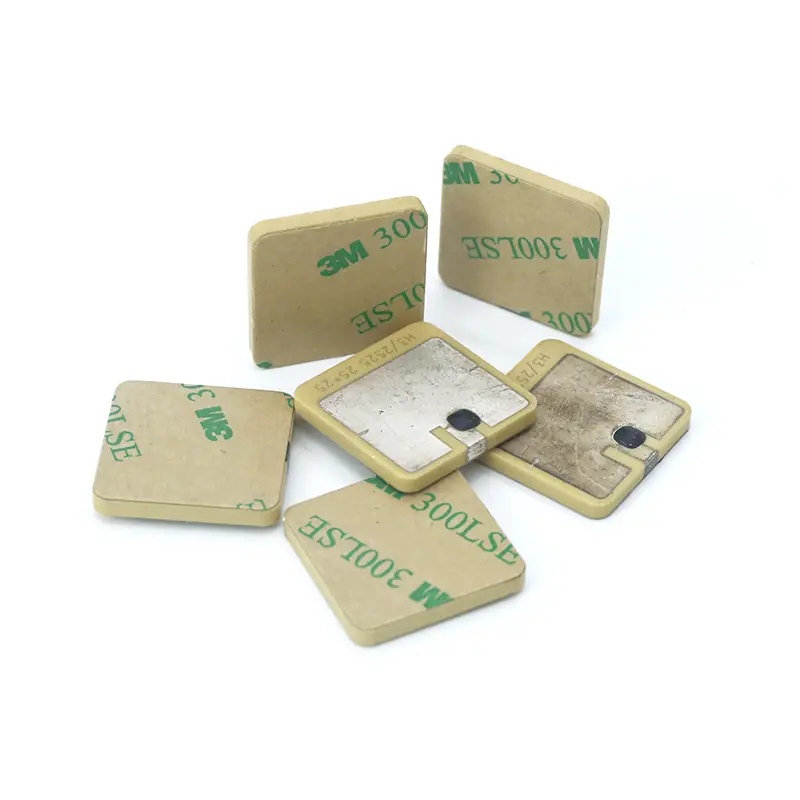 Ceramic on-metal tags · Store catalog
High-Temperature Ceramic UHF On-Metal Tag
Material: Ceramic on-metal construction / Technology: UHF RFID
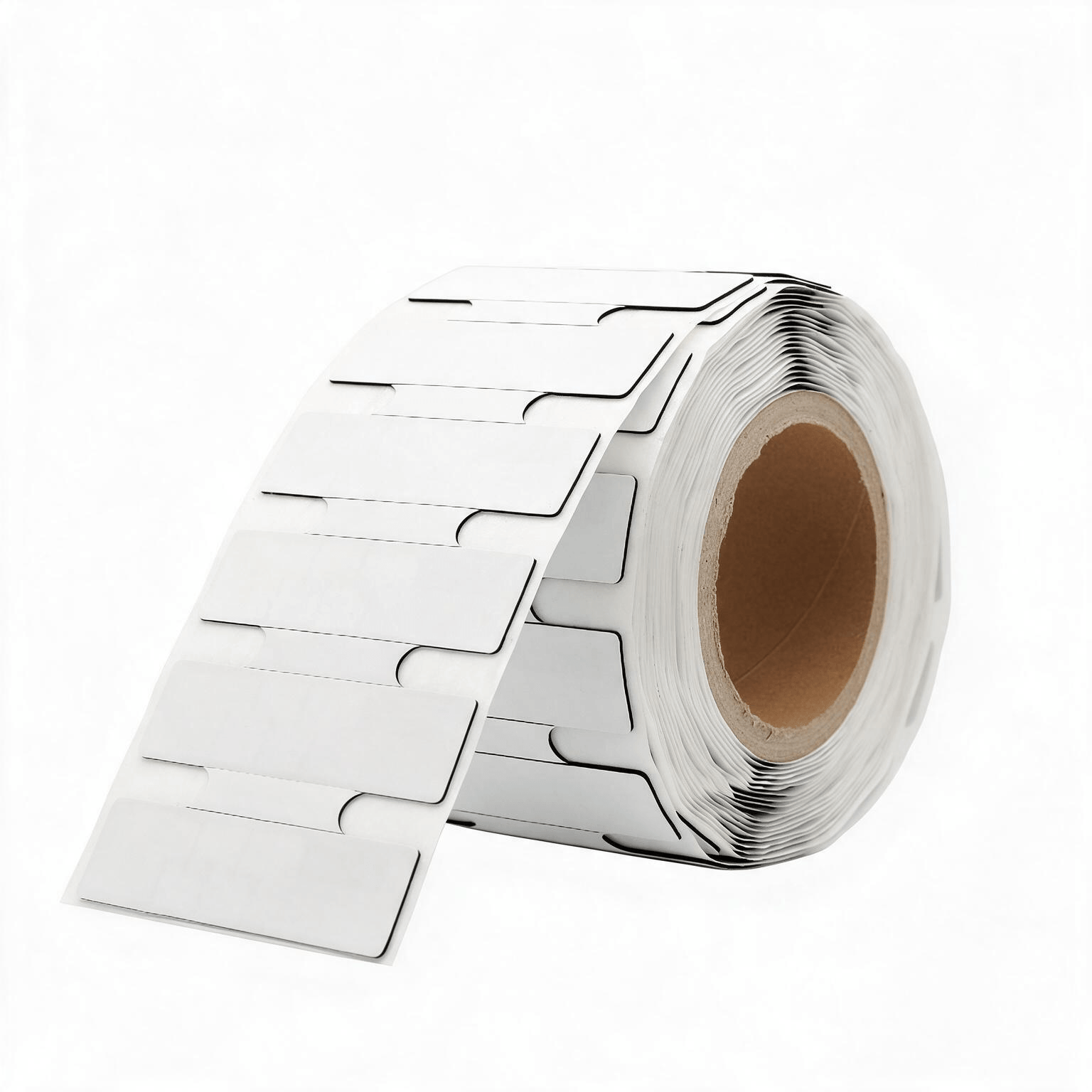 Flexible on-metal labels · Store catalog
MR6 Flexible On-metal Label
Chip: MR6 / Construction: Flexible, printable on-metal label
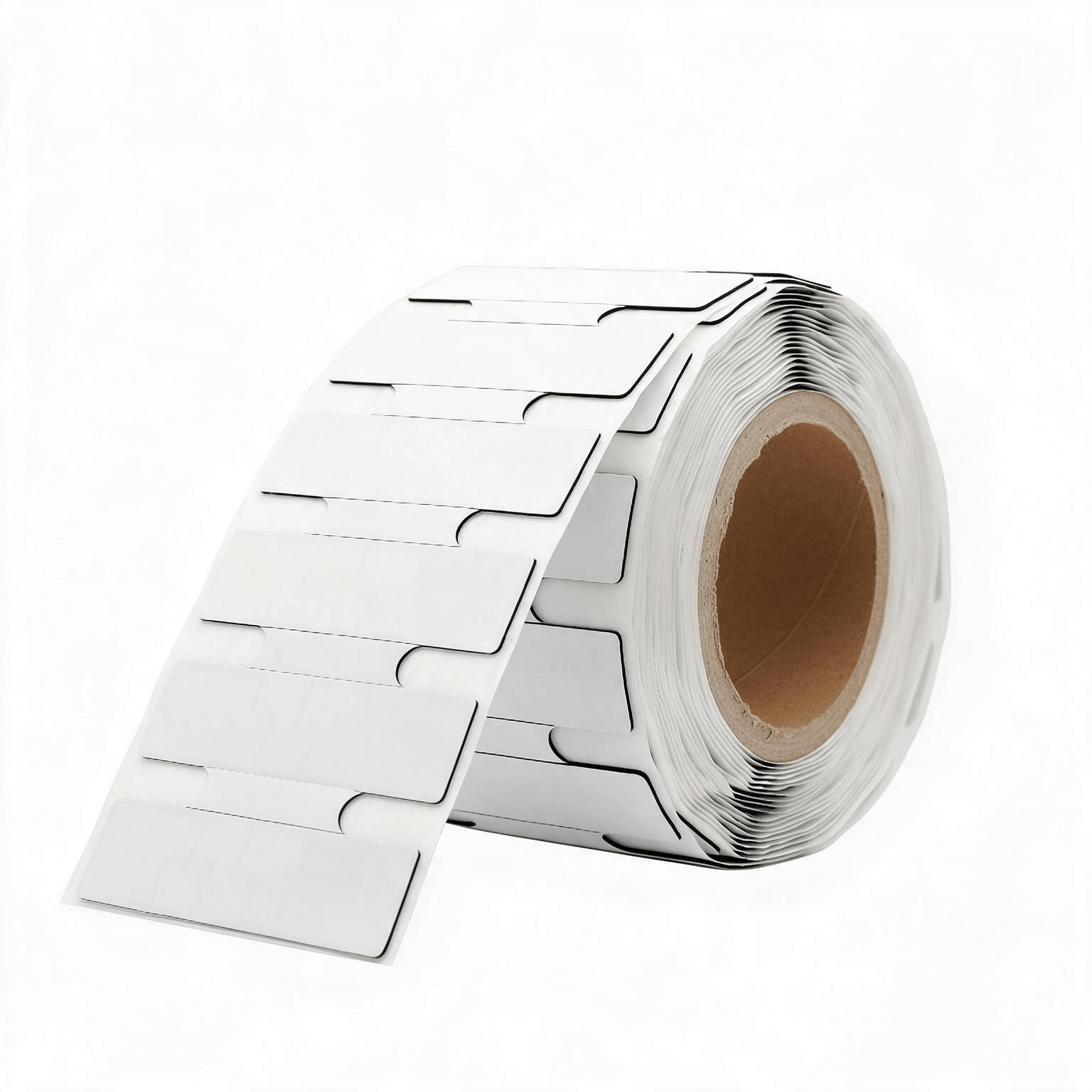 Flexible on-metal labels · Store catalog
Multi-size Printable UHF On-metal Label
Chip designations: Both the listing title and cover name MR6. The title also lists U9, while the cover lists U8. Confirm the second chip before ordering. / Construction: Flexible on-metal label
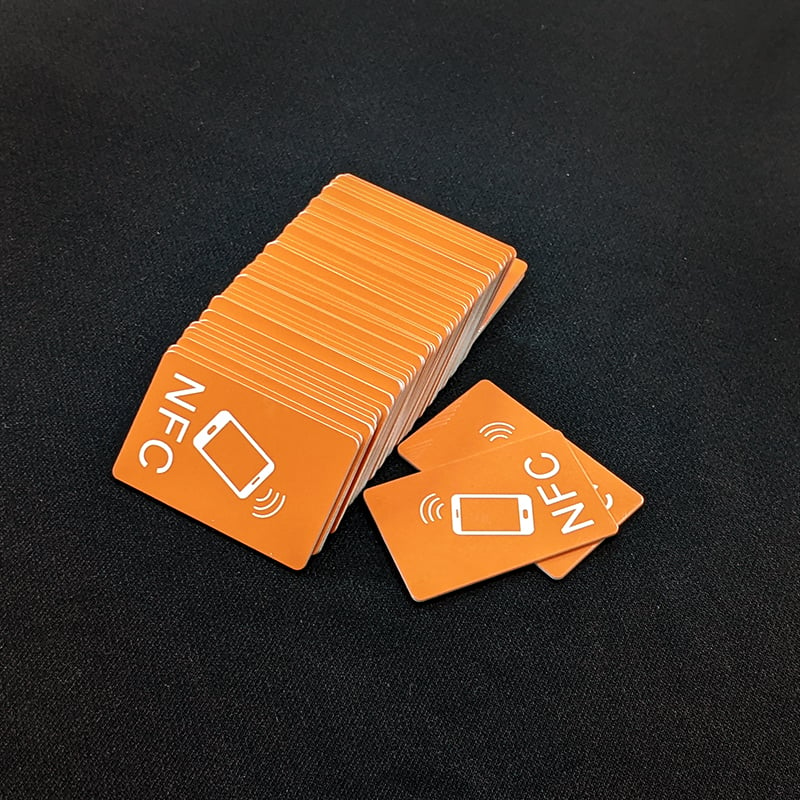 Vehicle key & charging cards · Store catalog
NFC Electric-vehicle Key Card
Existing non-standard sizes: The cover lists three existing compact card sizes: 50 × 30 mm, 45 × 22 mm and 50 × 22 mm. / Form: Nonstandard card
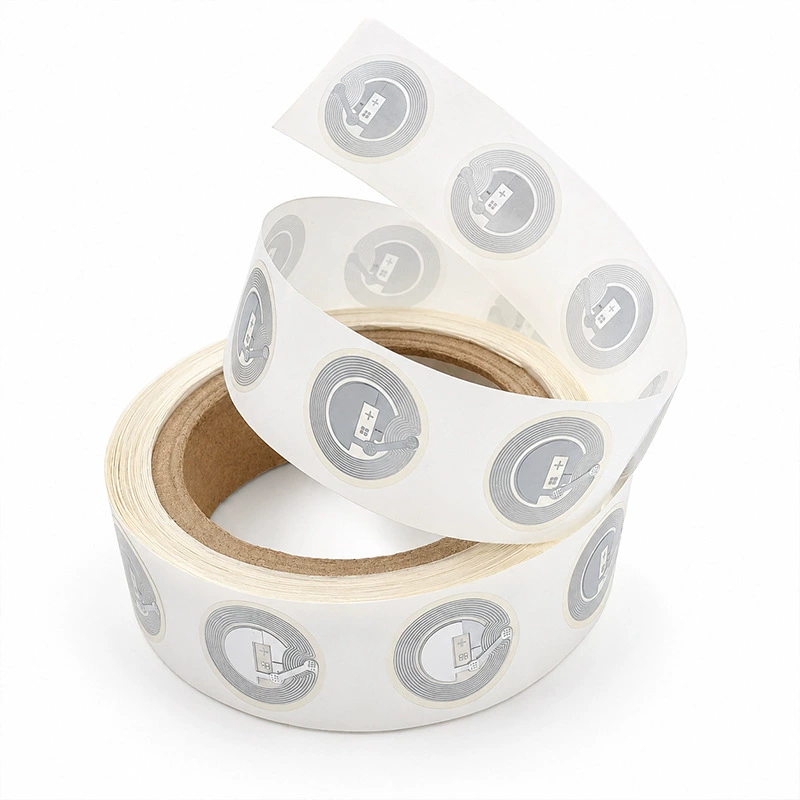 NFC stickers & tap labels · Store catalog
NFC213 Writable Wet Label
Pictured PVC chip-label note: One 25 mm PVC illustration pairs a 215 side caption with NTAG216-PVC label art; confirm the chip for each version. / Chip: NFC213
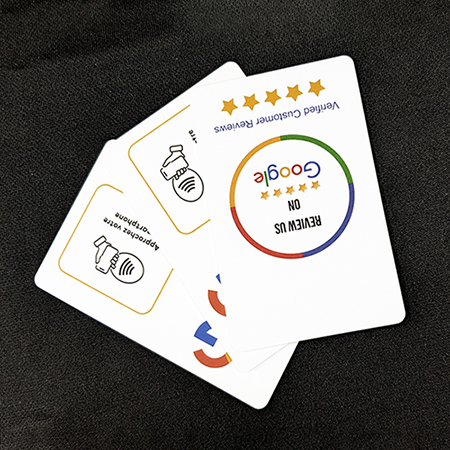 NFC business & review cards · Store catalog
NTAG213 / 215 Contact & Review Card
Listed chip designations: NTAG213 / 215 / Chip options: NTAG213 / NTAG215
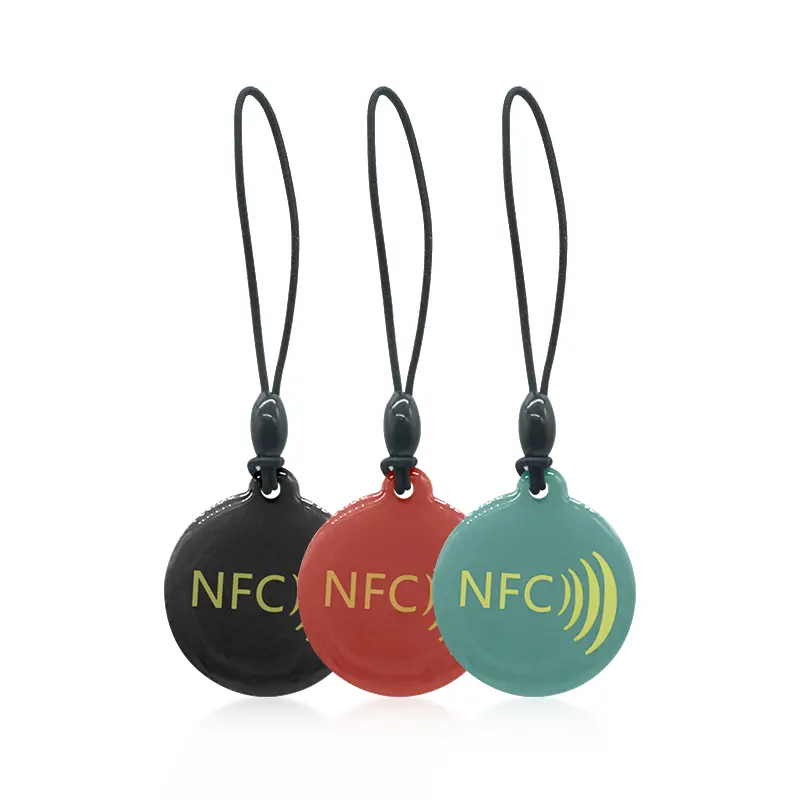 Epoxy key fobs · Store catalog
NTAG213 HF Epoxy NFC Access Key Fob
Chip: NTAG213 / Construction: Epoxy resin key fob
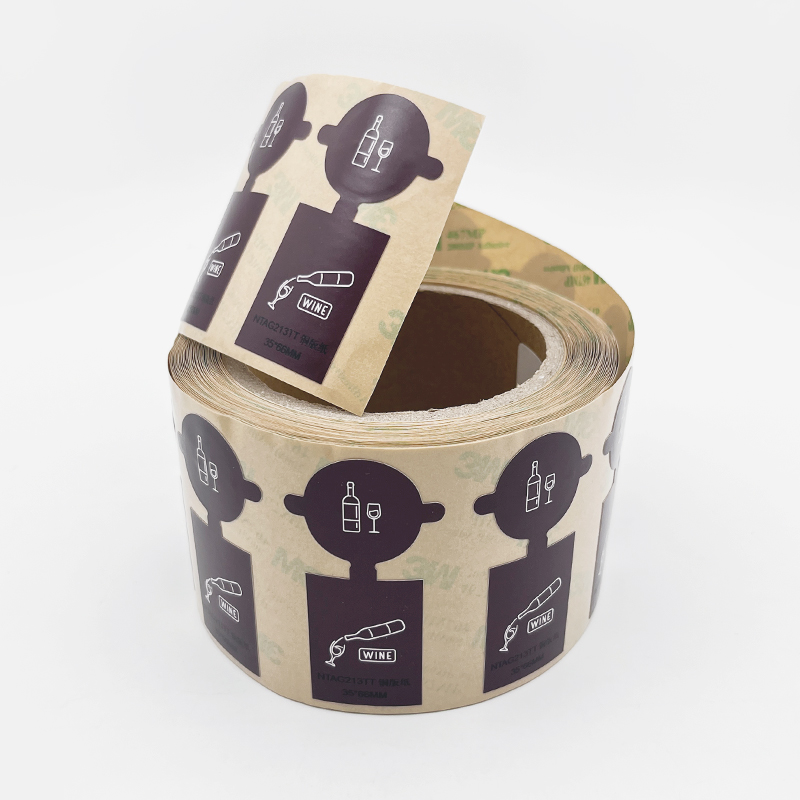 Tamper-evident & traceability labels · Store catalog
NTAG213TT Frangible Wine Label
Chip: NTAG213TT / Construction: Breakable label intended to deter transfer
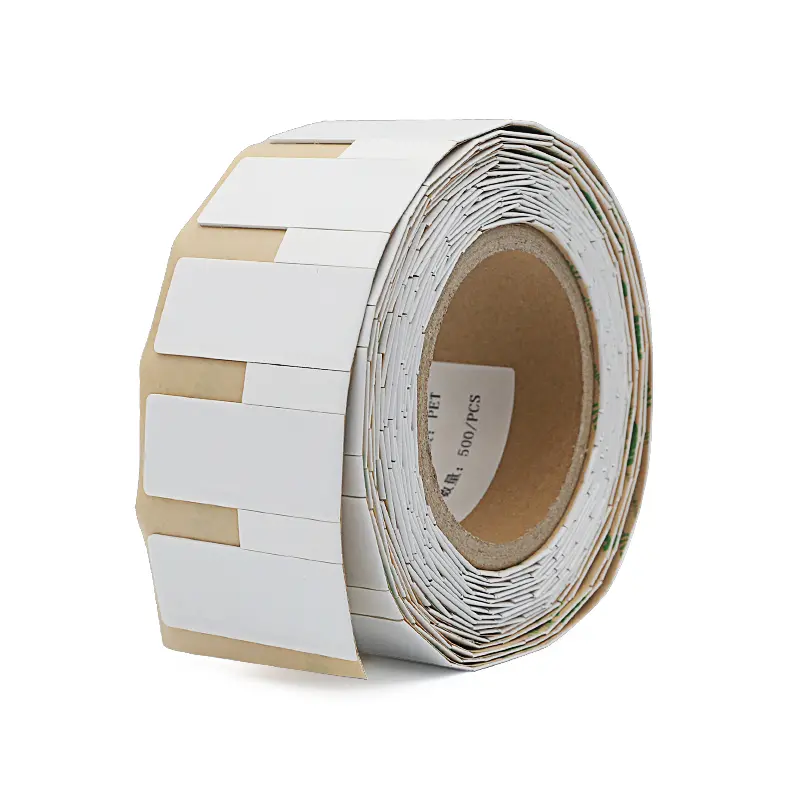 Flexible on-metal labels · Store catalog
Printable Flexible On-Metal Equipment Label
Construction: Printable flexible on-metal label / Frequency: Title names both HF and UHF; specify your reader band when ordering
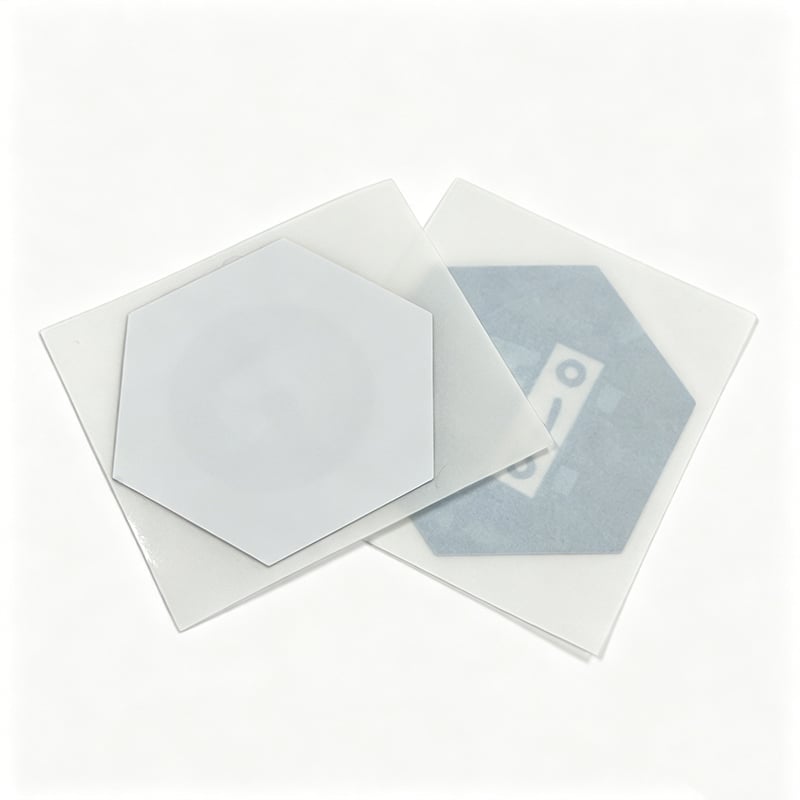 NFC stickers & tap labels · Store catalog
Read / Write NFC Shortcut Label
Chip families and surface protection: The cover lists 213, 215 and 216 chip options with water- and stain-resistant link labels. / Operation: Read and write
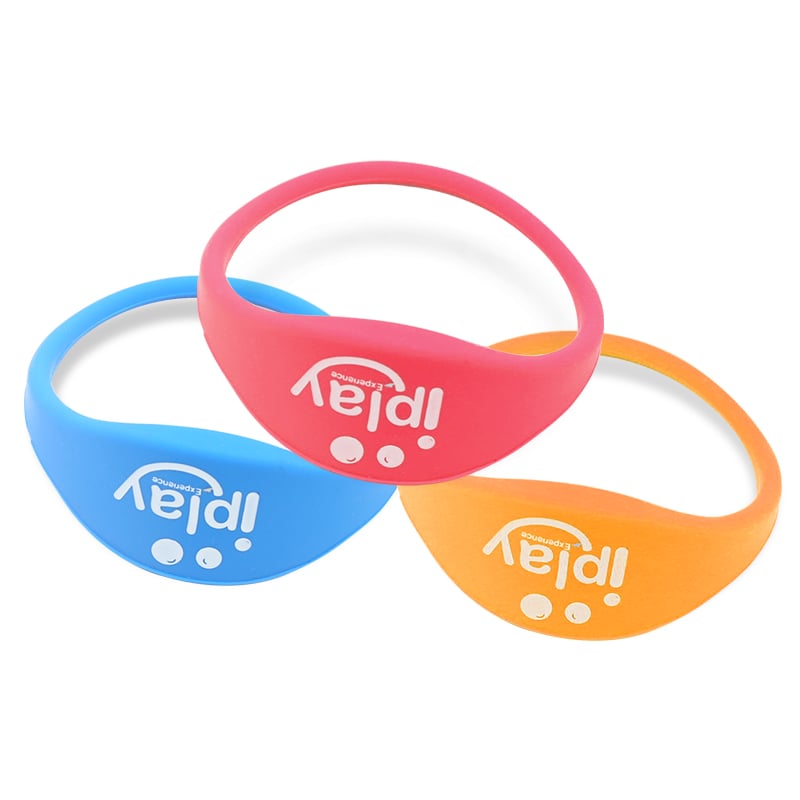 Silicone wristbands · Store catalog
Silicone NFC Sauna & Concert Wristband
Material: Silicone / Listed uses: Saunas and concerts
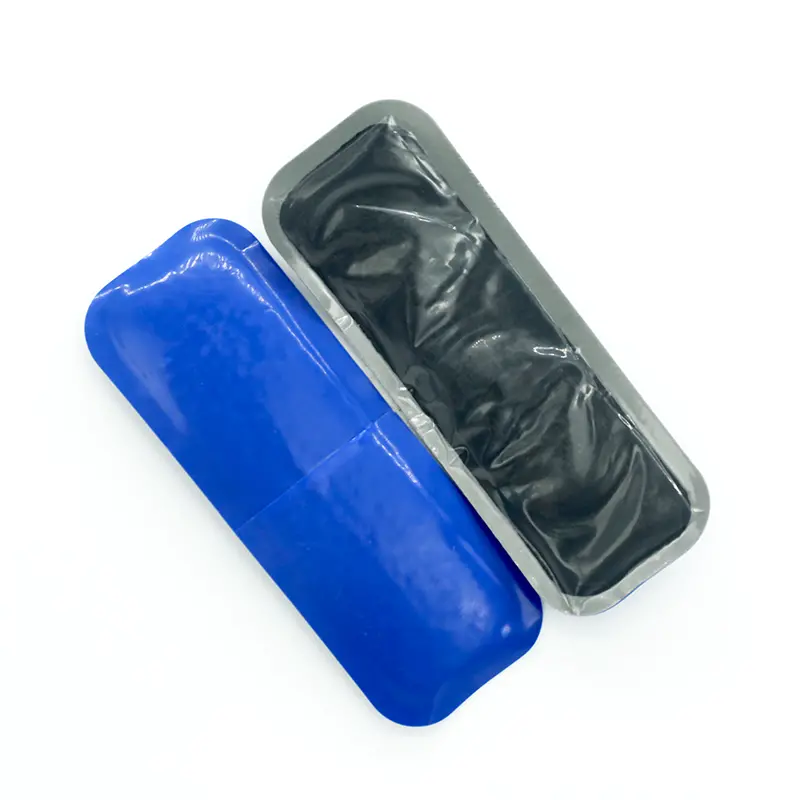 Tire tags · Store catalog
UHF High-Temperature Rubber Tire RFID Tag
Material: High-temperature rubber patch / Technology: Passive UHF RFID
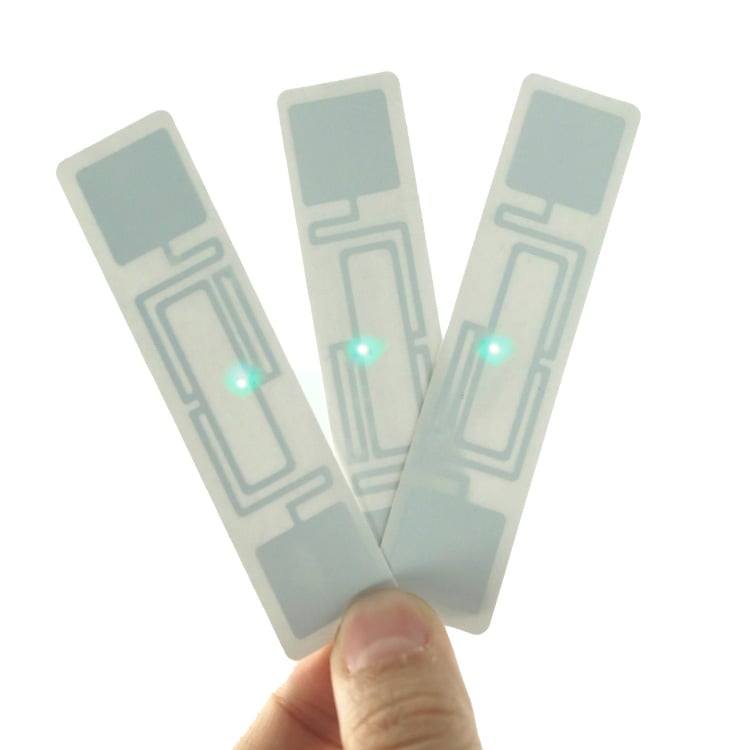 LED locator labels · Store catalog
UHF LED File-location Tag
Location aid: LED light / Application: Locating physical files
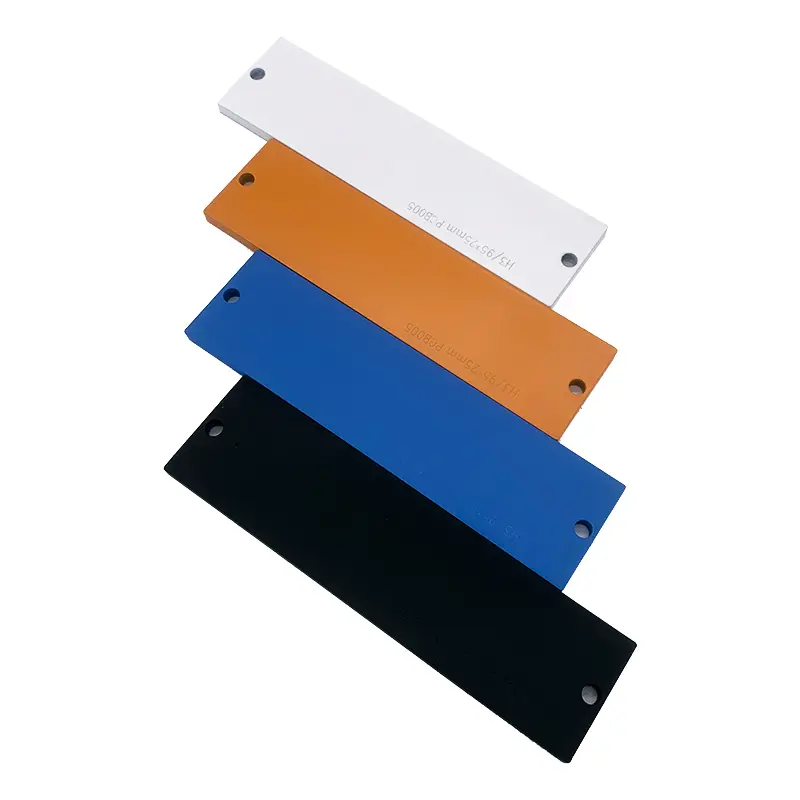 PCB on-metal tags · Store catalog
UHF PCB Power-Grid On-Metal Asset Tag
Construction: High-temperature PCB on-metal tag / Technology: UHF RFID
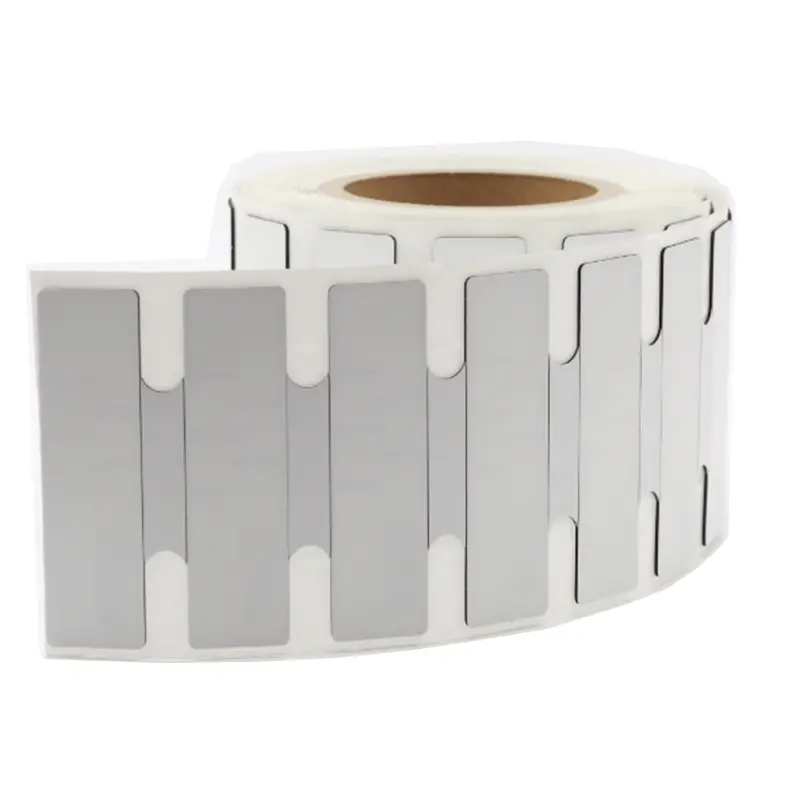 Flexible on-metal labels · Manufacturer reference
100 × 25 mm MR6 On-Metal Label
Chip: MR6 (Customized) ISO/IEC 18000-6C / Size: 100*25mm (Customized)
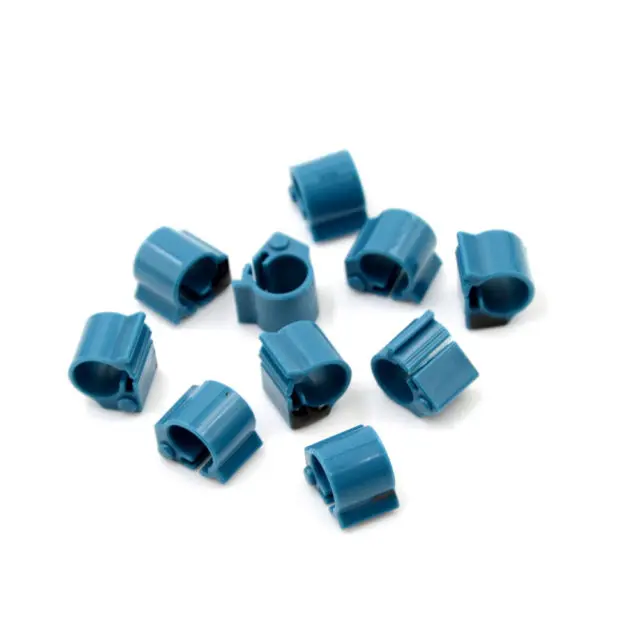 Poultry leg rings · Manufacturer reference
125 kHz Bird Leg Ring
Chip: EM4200 / Size: 12.35*13.6mm
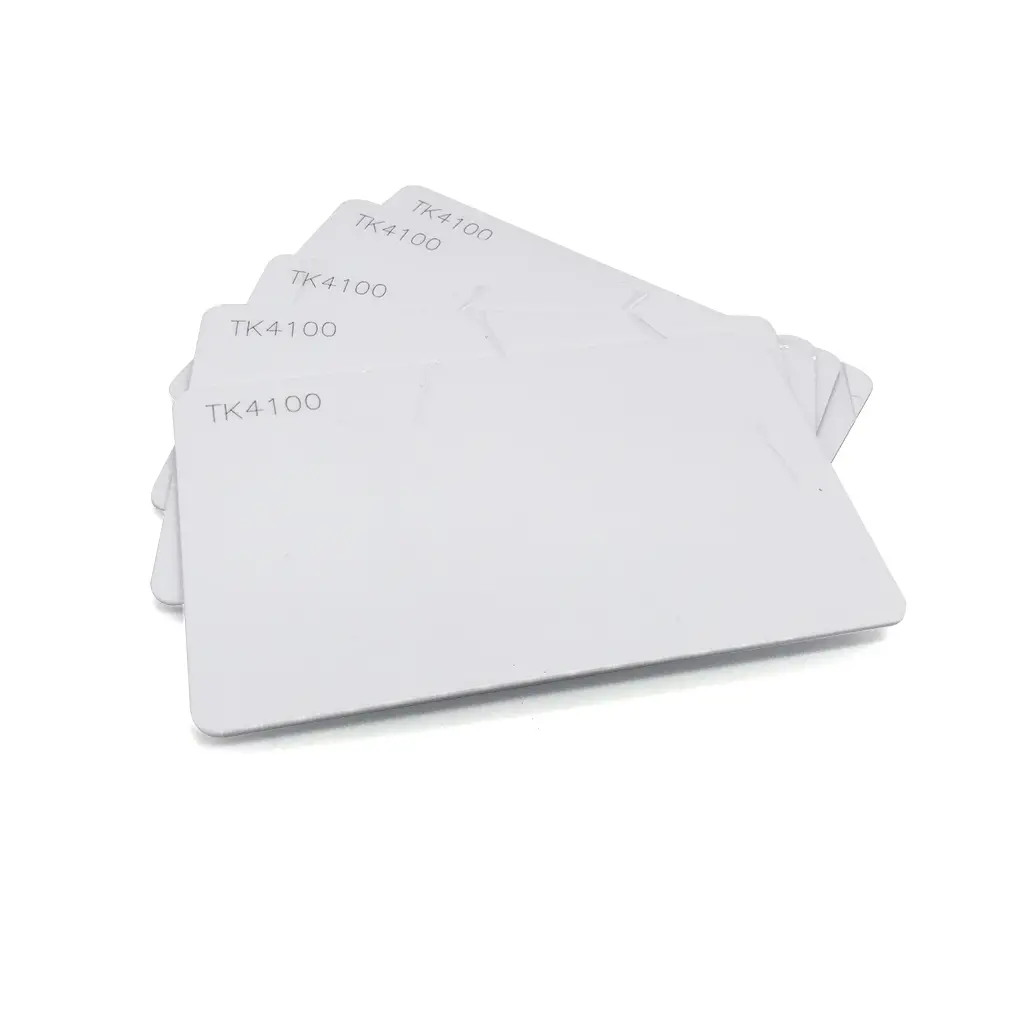 Low-frequency proximity cards · Manufacturer reference
125 kHz LF Access Card
Material: PVC / Chip options: Tk4100/T5577/EM4305
Consulta técnica direta
Solicitar amostras comparativas — UHF vs. HF/NFC vs. LF RFID
Envie este formulário curto diretamente nesta página, sem mudar de tela.
Perguntas frequentes de seleção
Uma mesma etiqueta pode ser lida em um portal UHF e pelo iPhone do cliente?
Somente com etiquetas híbridas de dupla frequência que unem duas antenas (UHF + NFC) em um único rótulo; tags simples atuam exclusivamente na sua faixa nativa.
As frequências UHF são idênticas no mundo todo?
Não: há faixas regionais como FCC (902–928 MHz) e ETSI (865–868 MHz). Inlays dipolo em papel cobrem 860–960 MHz globais, enquanto tags rígidos PCB ou cerâmicos pequenos são sintonizados por região.
Por que bibliotecas continuam usando 13,56 MHz em vez de migrar para UHF?
Em 13,56 MHz (ISO 15693), os balcões de autoatendimento leem com precisão apenas a pilha sobre a antena sem capturar estantes próximas.