Comparatif des bandes de fréquences RFID passives : UHF vs HF/NFC vs LF
La RFID passive se divise en trois grandes bandes régies par des lois physiques distinctes (couplage magnétique en LF/HF contre rétrodiffusion électromagnétique en UHF). Une erreur de bande pénalise la lecture près des liquides ou interdit l’usage sur smartphone.
Matrice comparative des spécifications
| Bande et fréquences | Normes clés | Couplage et comportement | Usage B2B principal |
|---|---|---|---|
| LF (125 kHz / 134,2 kHz) | ISO 11784/11785 FDX-B ; TK4100/T5577 | Inductif champ proche ; traverse eau et tissus ; lecture unitaire | Boucles animales, puces verre injectables, badges anciens & rondes |
| HF / NFC (13,56 MHz) | ISO/IEC 14443A, ISO/IEC 15693, NFC Type 2/4/5 | Inductif champ proche ; zone maîtrisée ; natif sur iOS & Android | Clés d’hôtel, contrôle d’accès, bibliothèques, affichage connecté & scellés |
| UHF RAIN (860–960 MHz) | ISO/IEC 18000-6C / GS1 EPC Gen2v2 | Champ lointain ; anti-collision rapide à plusieurs mètres ; FCC/ETSI | Inventaire retail textile, palettes, portiques de quai & parcs industriels |
Pourquoi la lecture par smartphone impose le 13,56 MHz NFC
iPhone et Android intègrent uniquement du NFC à 13,56 MHz. Ni les porte-clés 125 kHz ni les étiquettes UHF 860–960 MHz ne sont lisibles nativement par un smartphone grand public sans accessoire externe.
Inventaire massif rapide vs zones de lecture maîtrisées
L’UHF Gen2 capture des dizaines à centaines d’étiquettes par seconde au passage d’un portique. À l’inverse, les champs LF et HF chutent vite au-delà de l’antenne — un avantage majeur en bibliothèque ou caisse pour éviter les lectures parasites.
Action de l’eau et du métal sur chaque bande
L’eau et les tissus animaux absorbent fortement l’UHF, rendant le LF 134,2 kHz incontournable sur bétail ; quant au métal nu, il exige isolant PCB, céramique ou ferrite.
Modèles représentatifs (24)
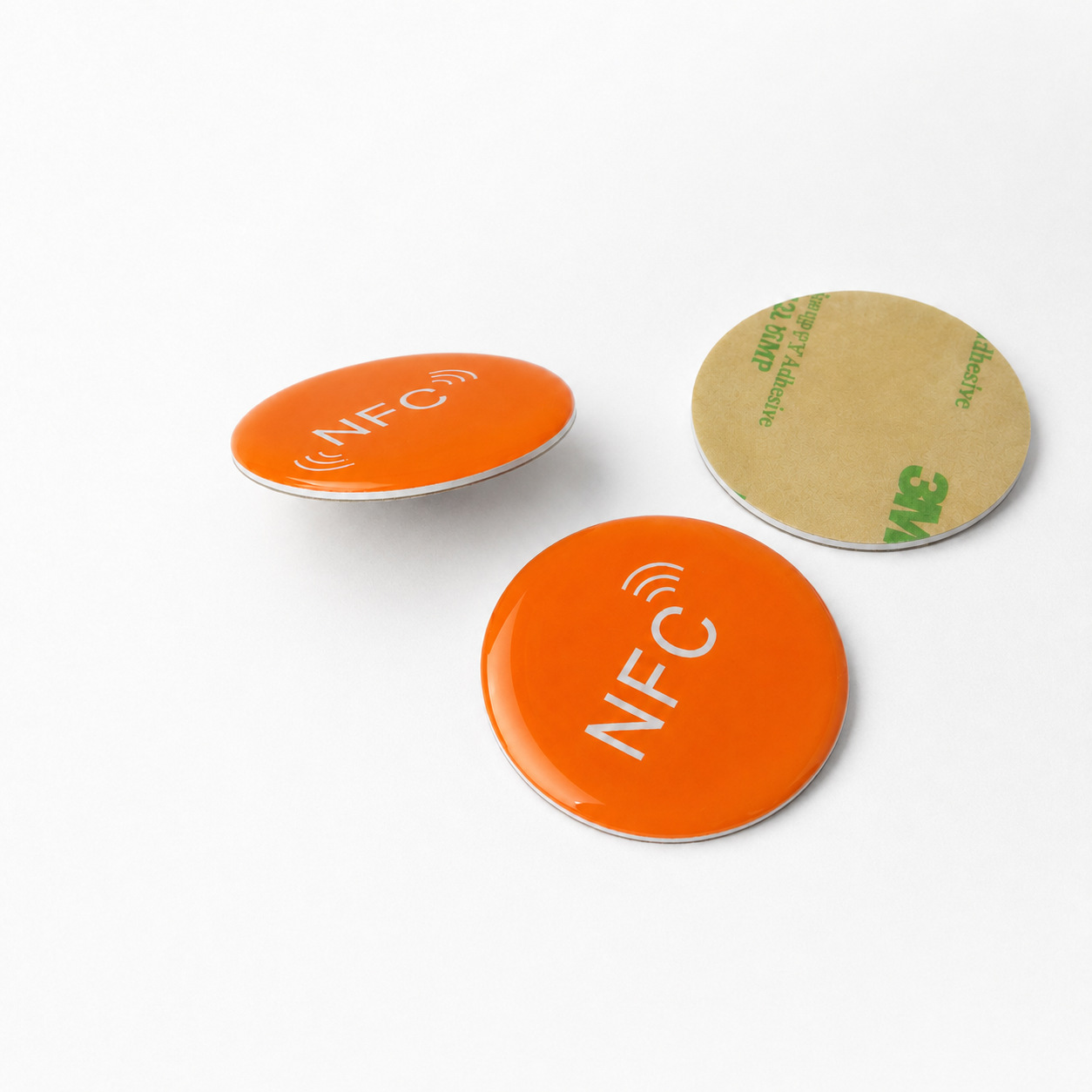
- On-metal NFC tags · Store catalog
25 mm On-metal Epoxy NFC Tag
Construction: Round epoxy on-metal tag / Diameter: 25 mm
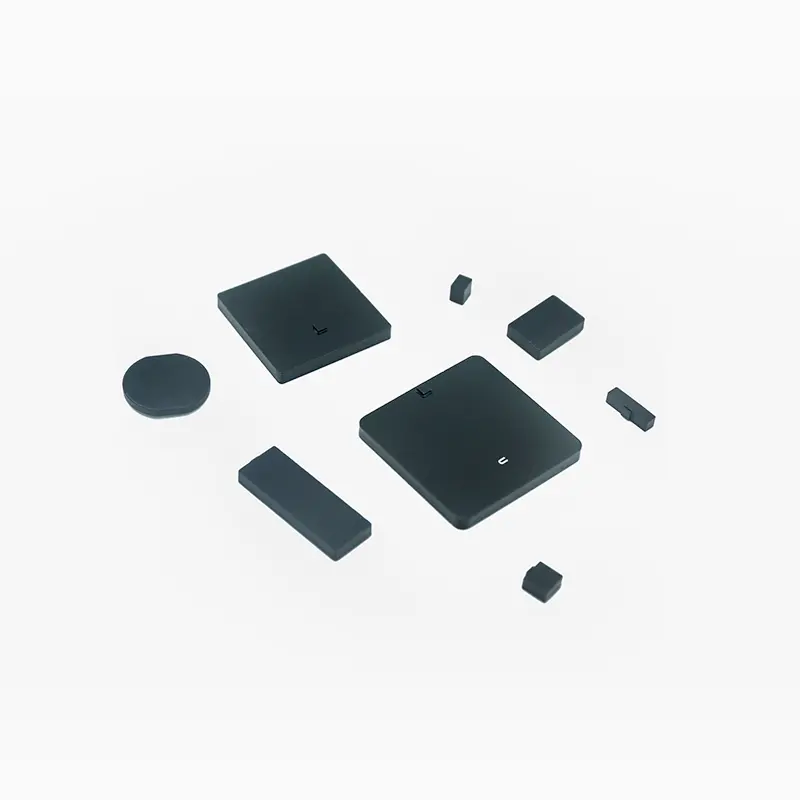 Ceramic on-metal tags · Store catalog
Ceramic UHF On-metal Tag
Material: Ceramic / Mounting surface: Metal
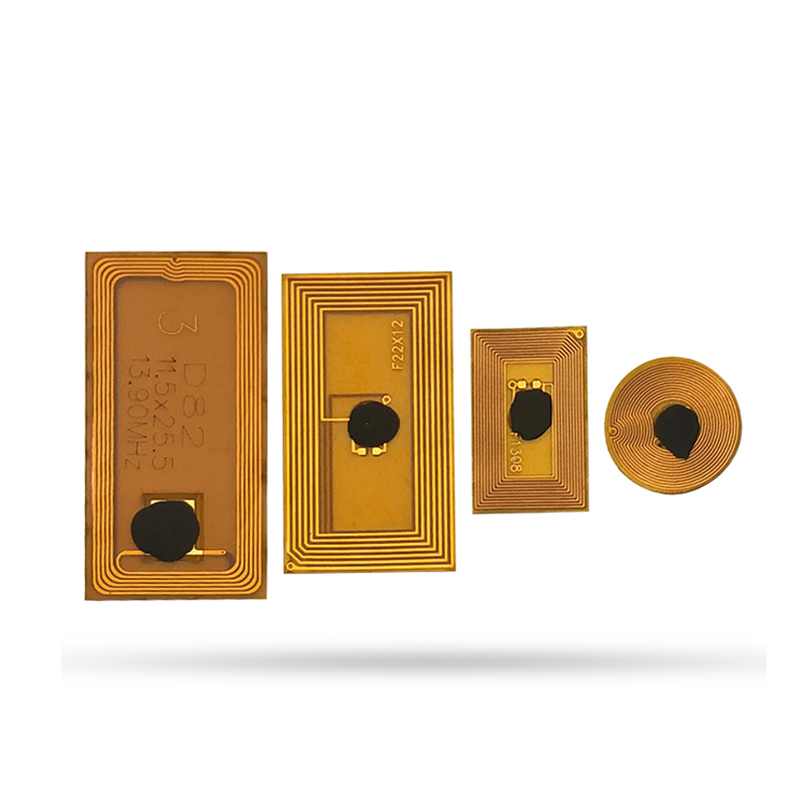 FPC tags · Store catalog
Embedded Passive NFC FPC Label
Construction: Embedded flexible printed circuit / Power: Passive
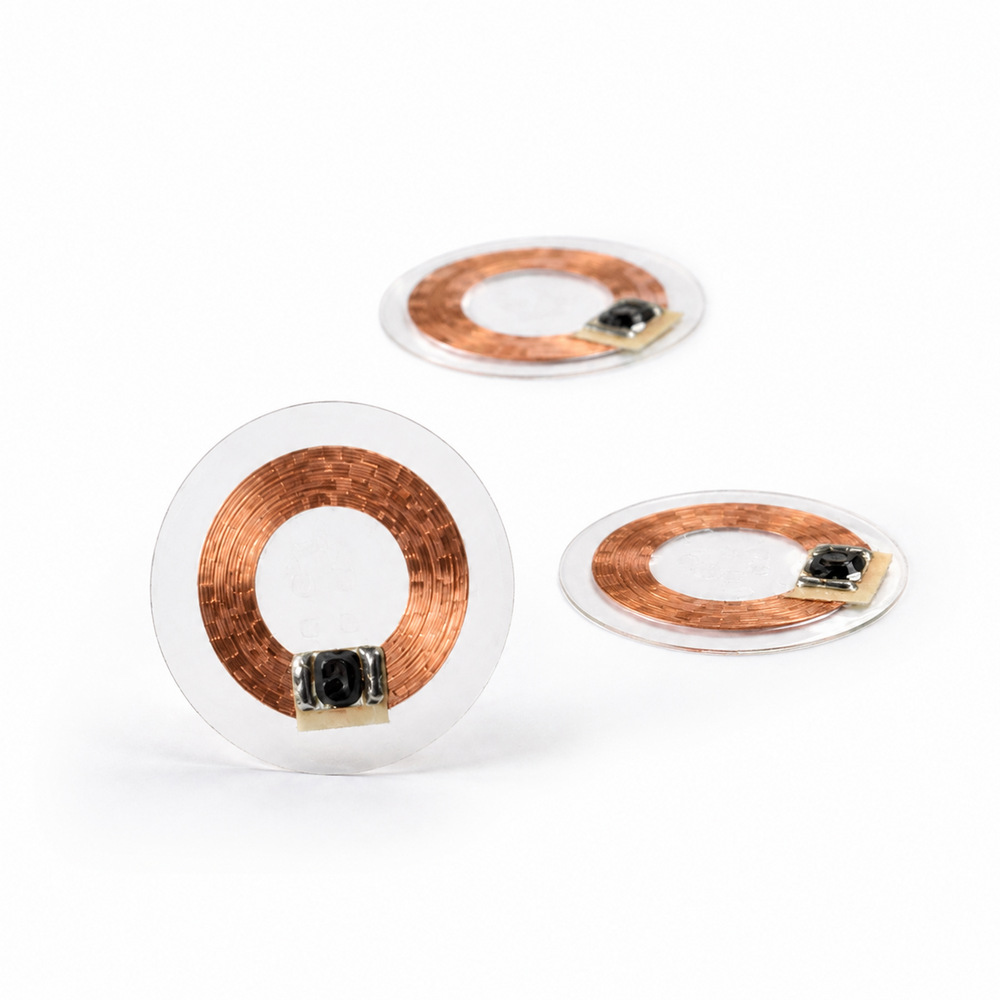 NFC toy & collectible tags · Store catalog
Embedded Passive NFC Toy Tag
Power: Passive / Placement: Inside interactive toys and figurines
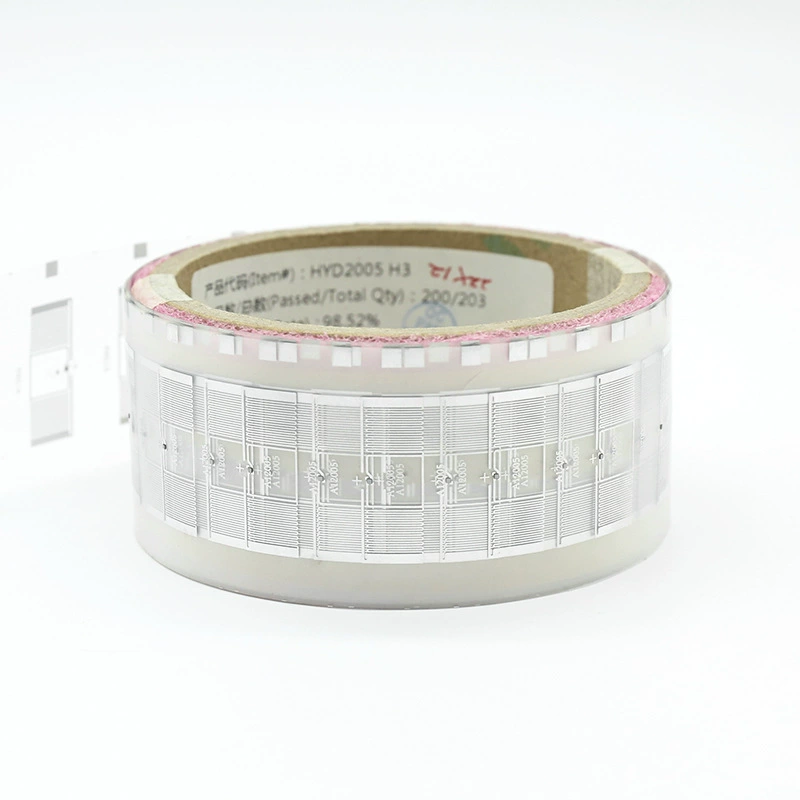 UHF dry inlays · Store catalog
Flexible Passive UHF RFID Dry Inlay
Construction: Dry inlay that can be rolled / Carrier frequency category: Listed under the UHF RFID category in the original attribute table.
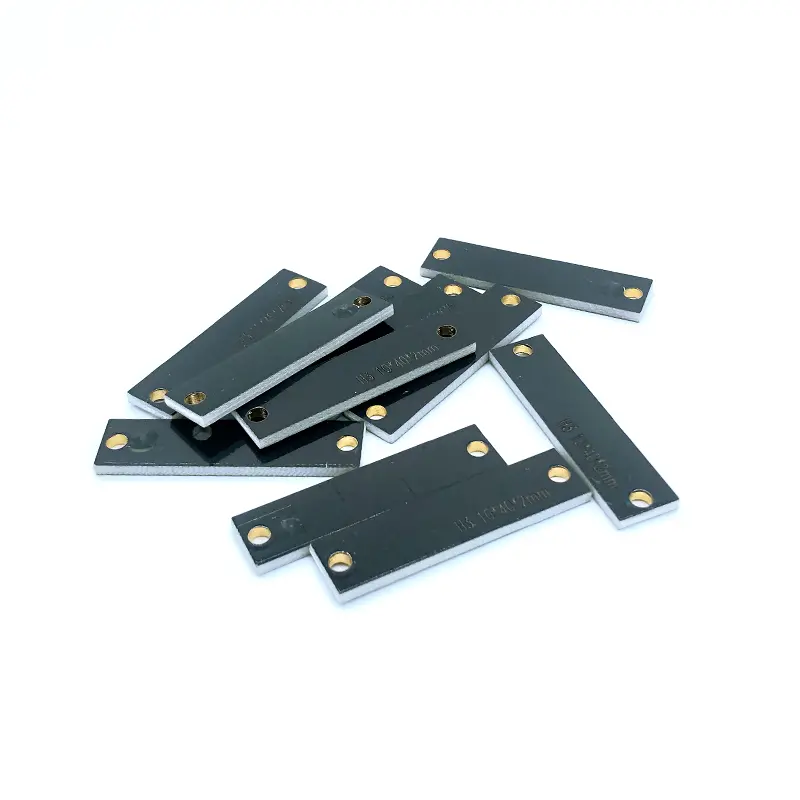 PCB on-metal tags · Store catalog
H3 PCB UHF On-metal Tag
Chip: H3 / Construction: PCB tag for mounting on metal
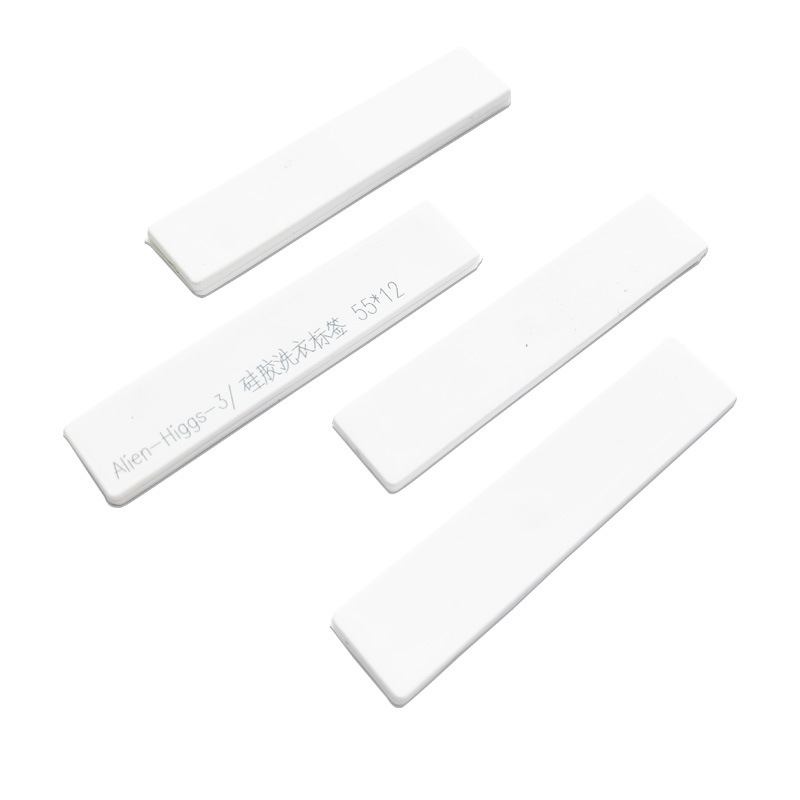 Laundry & linen tags · Store catalog
H3 UHF Hospital Laundry Tag
Chip: H3 / Application: Hospital laundry and asset management
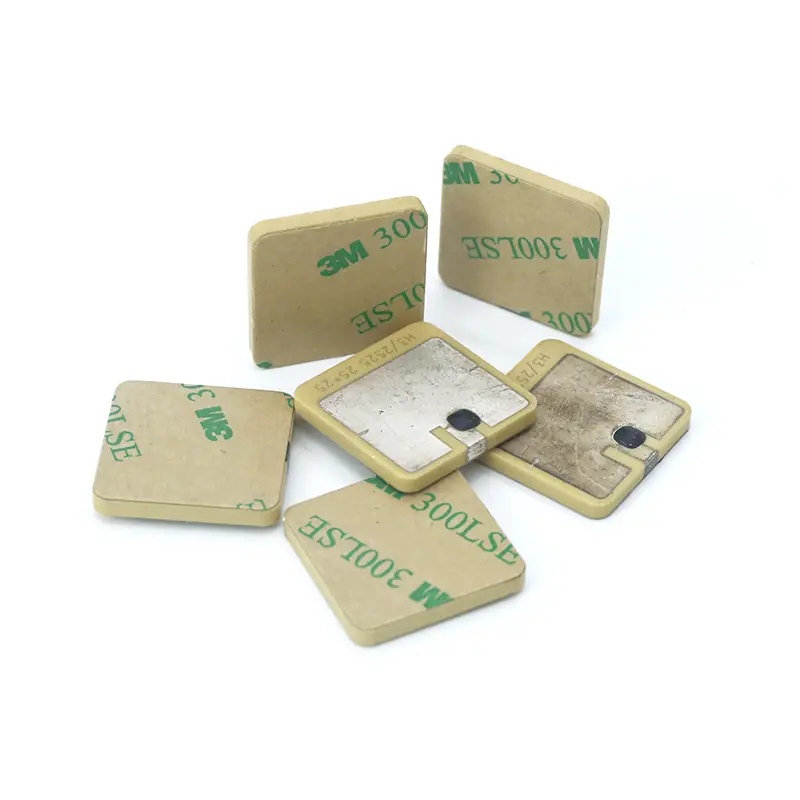 Ceramic on-metal tags · Store catalog
High-Temperature Ceramic UHF On-Metal Tag
Material: Ceramic on-metal construction / Technology: UHF RFID
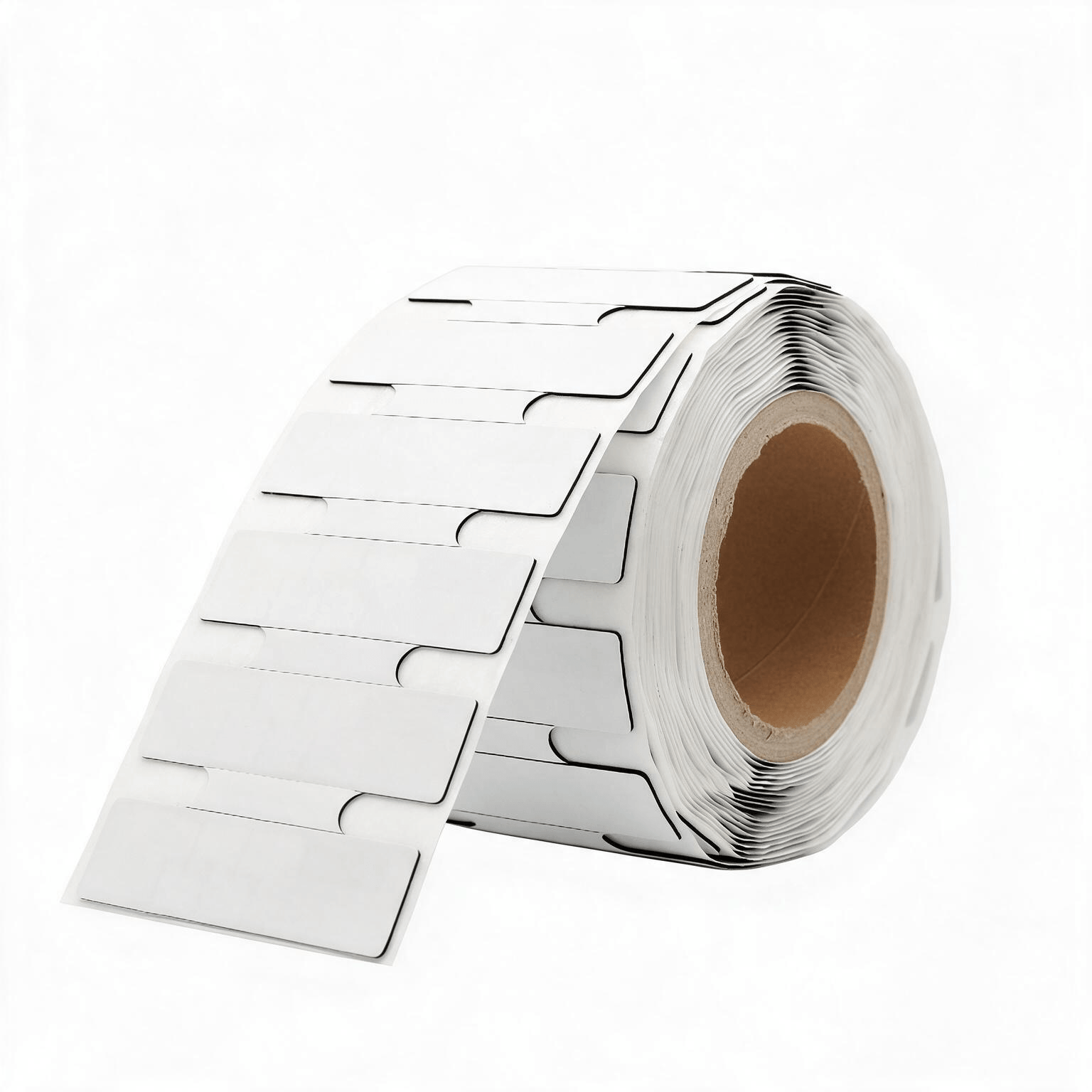 Flexible on-metal labels · Store catalog
MR6 Flexible On-metal Label
Chip: MR6 / Construction: Flexible, printable on-metal label
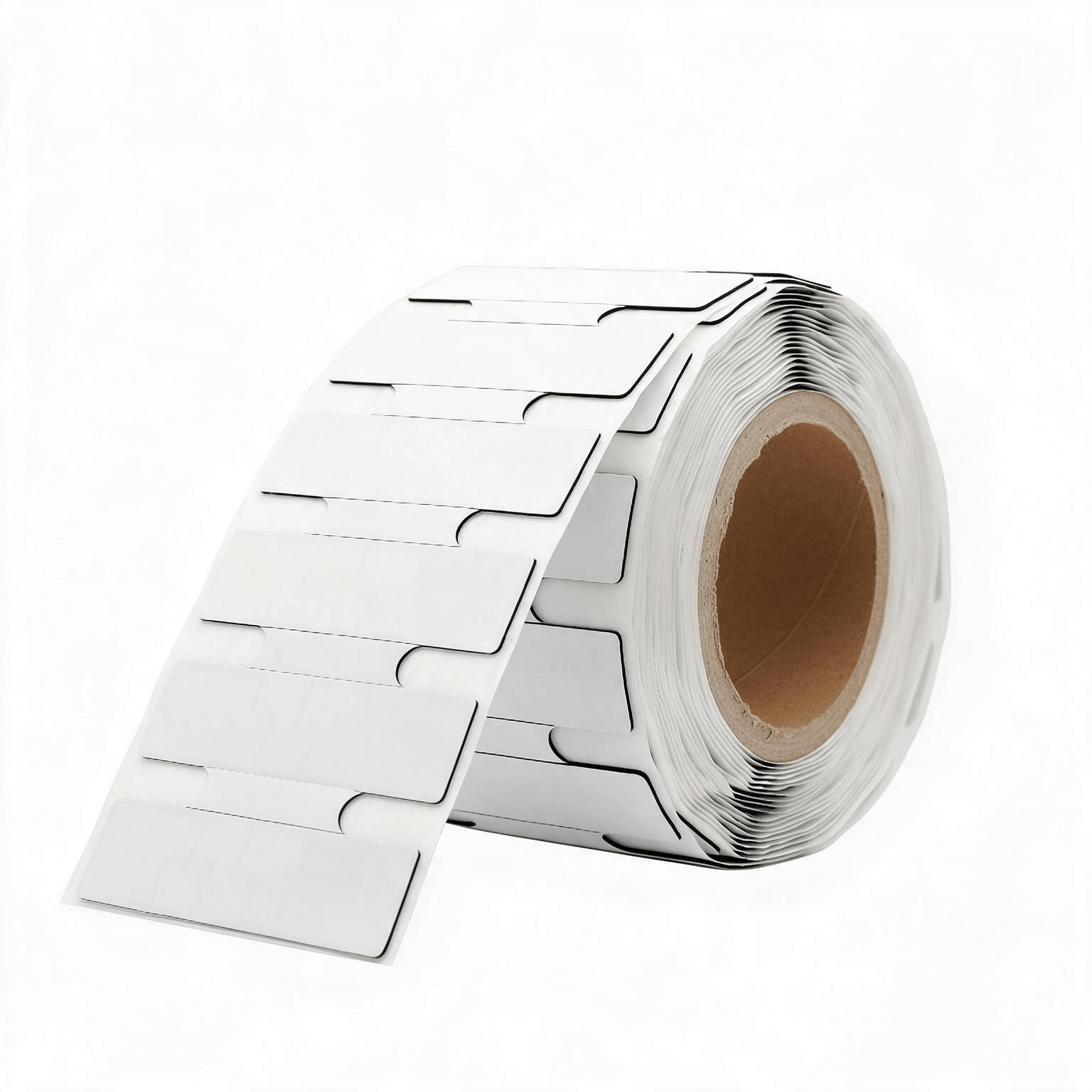 Flexible on-metal labels · Store catalog
Multi-size Printable UHF On-metal Label
Chip designations: Both the listing title and cover name MR6. The title also lists U9, while the cover lists U8. Confirm the second chip before ordering. / Construction: Flexible on-metal label
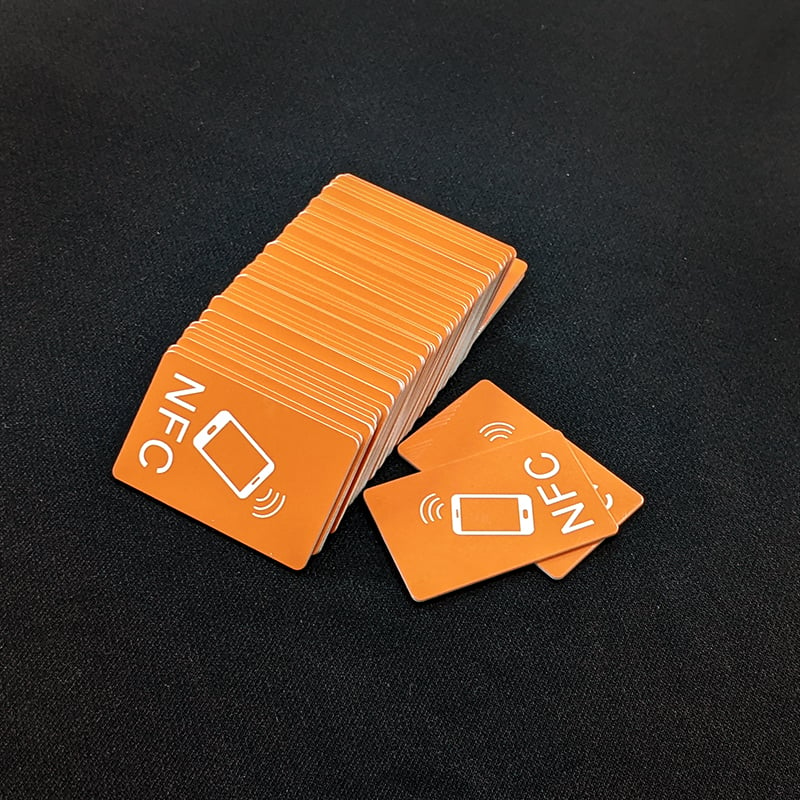 Vehicle key & charging cards · Store catalog
NFC Electric-vehicle Key Card
Existing non-standard sizes: The cover lists three existing compact card sizes: 50 × 30 mm, 45 × 22 mm and 50 × 22 mm. / Form: Nonstandard card
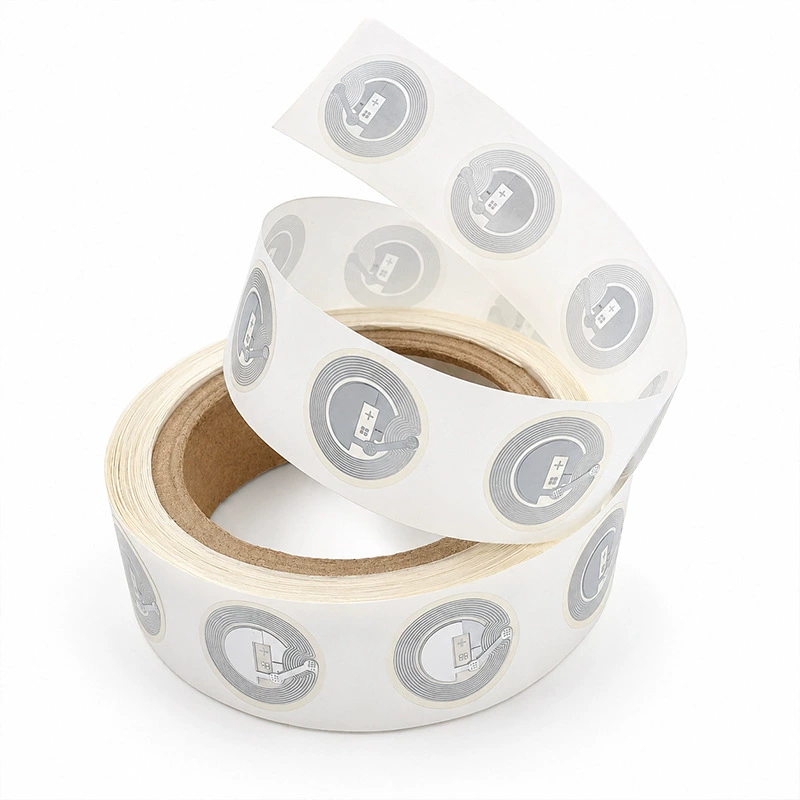 NFC stickers & tap labels · Store catalog
NFC213 Writable Wet Label
Pictured PVC chip-label note: One 25 mm PVC illustration pairs a 215 side caption with NTAG216-PVC label art; confirm the chip for each version. / Chip: NFC213
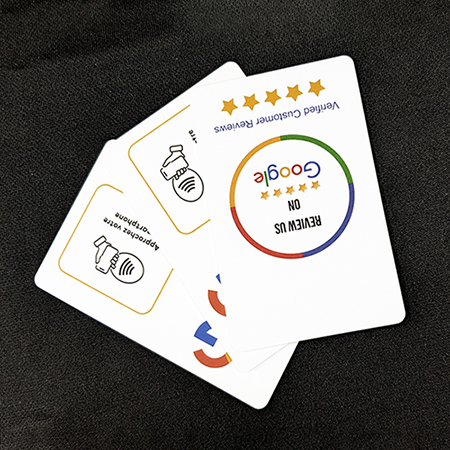 NFC business & review cards · Store catalog
NTAG213 / 215 Contact & Review Card
Listed chip designations: NTAG213 / 215 / Chip options: NTAG213 / NTAG215
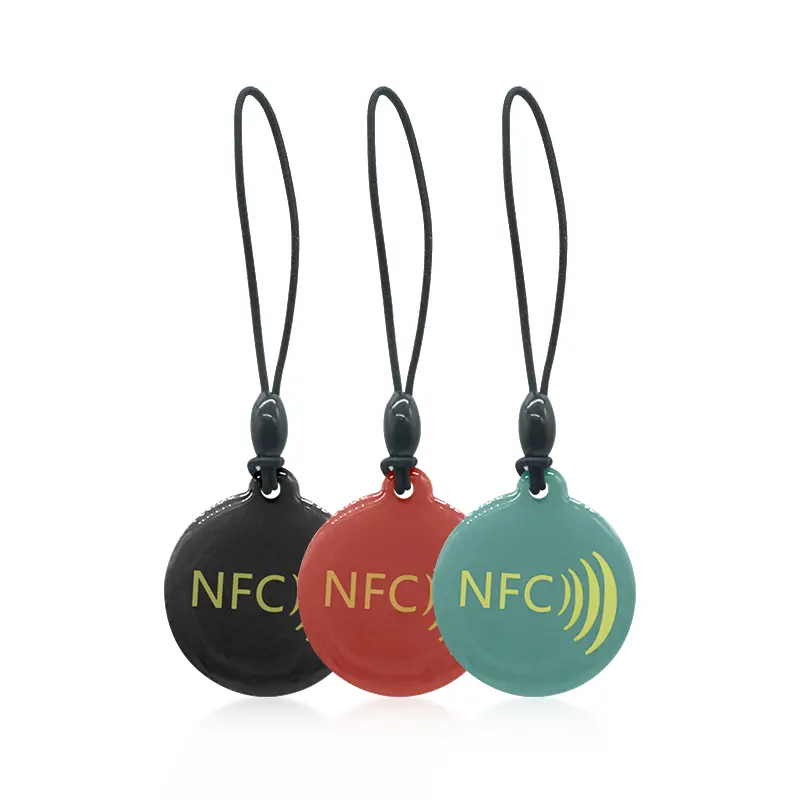 Epoxy key fobs · Store catalog
NTAG213 HF Epoxy NFC Access Key Fob
Chip: NTAG213 / Construction: Epoxy resin key fob
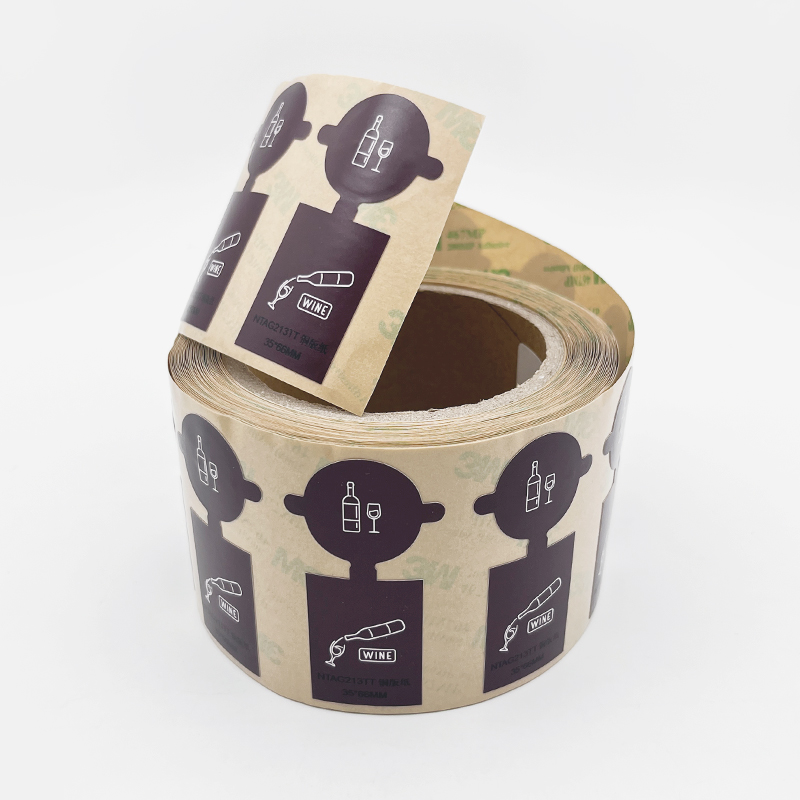 Tamper-evident & traceability labels · Store catalog
NTAG213TT Frangible Wine Label
Chip: NTAG213TT / Construction: Breakable label intended to deter transfer
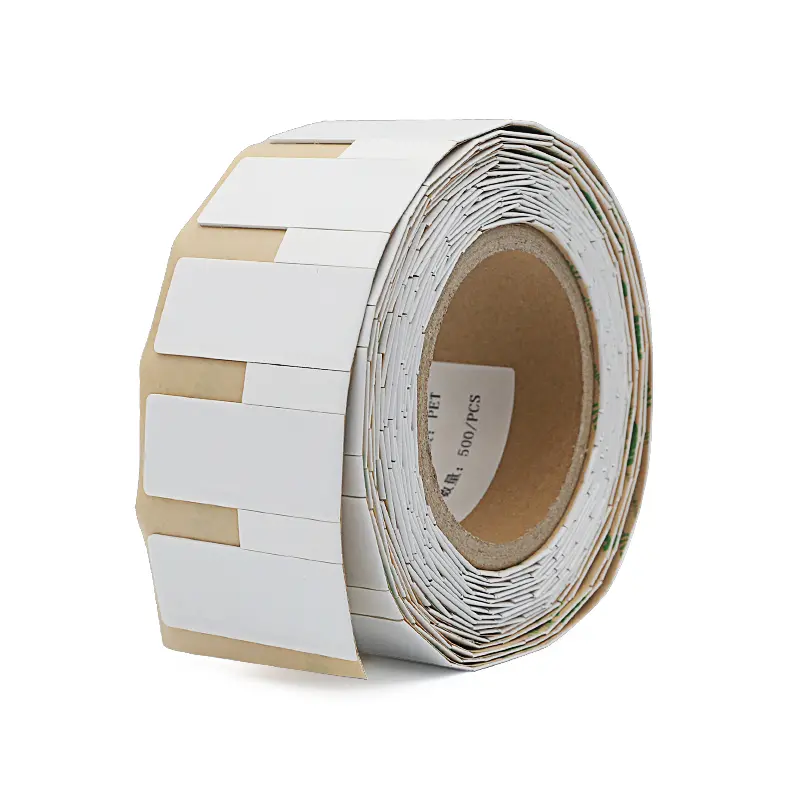 Flexible on-metal labels · Store catalog
Printable Flexible On-Metal Equipment Label
Construction: Printable flexible on-metal label / Frequency: Title names both HF and UHF; specify your reader band when ordering
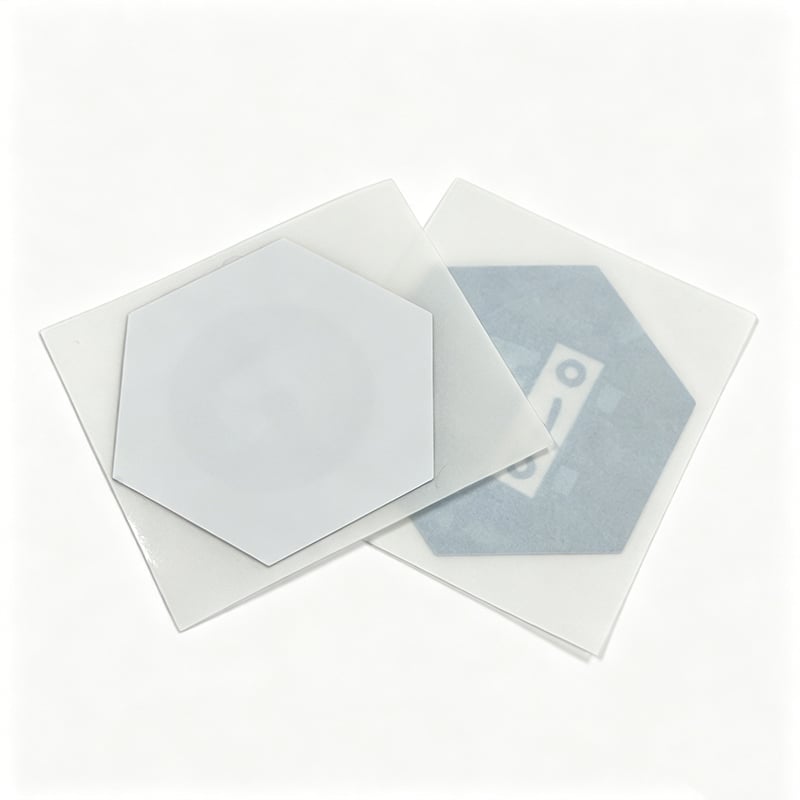 NFC stickers & tap labels · Store catalog
Read / Write NFC Shortcut Label
Chip families and surface protection: The cover lists 213, 215 and 216 chip options with water- and stain-resistant link labels. / Operation: Read and write
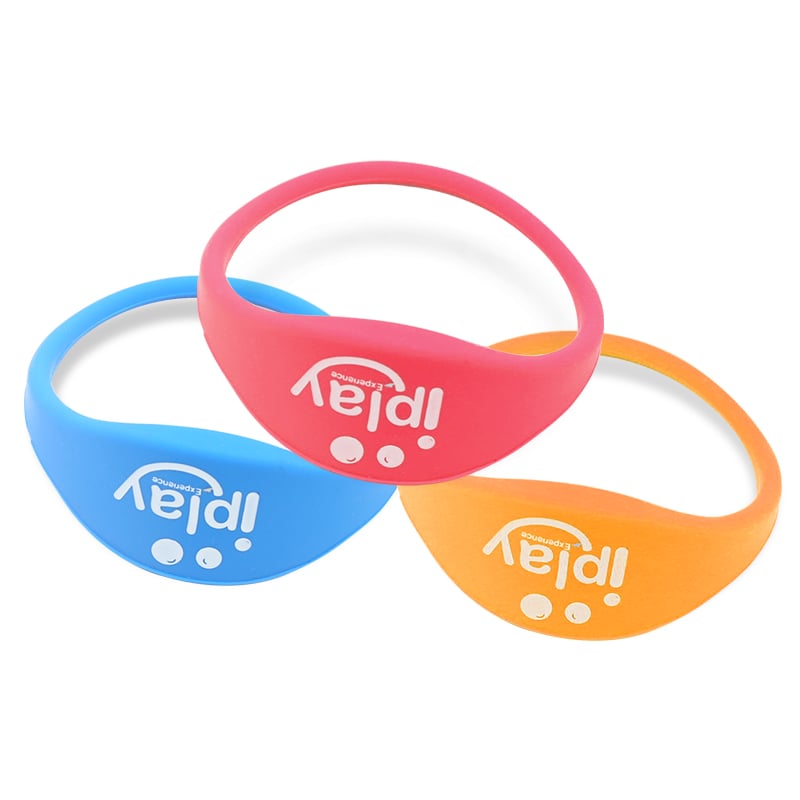 Silicone wristbands · Store catalog
Silicone NFC Sauna & Concert Wristband
Material: Silicone / Listed uses: Saunas and concerts
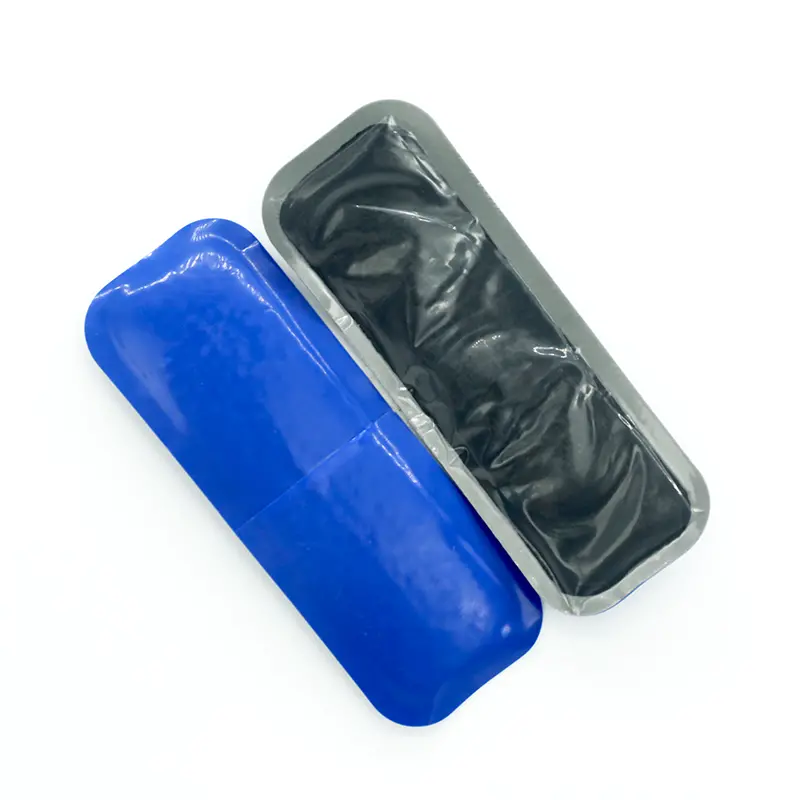 Tire tags · Store catalog
UHF High-Temperature Rubber Tire RFID Tag
Material: High-temperature rubber patch / Technology: Passive UHF RFID
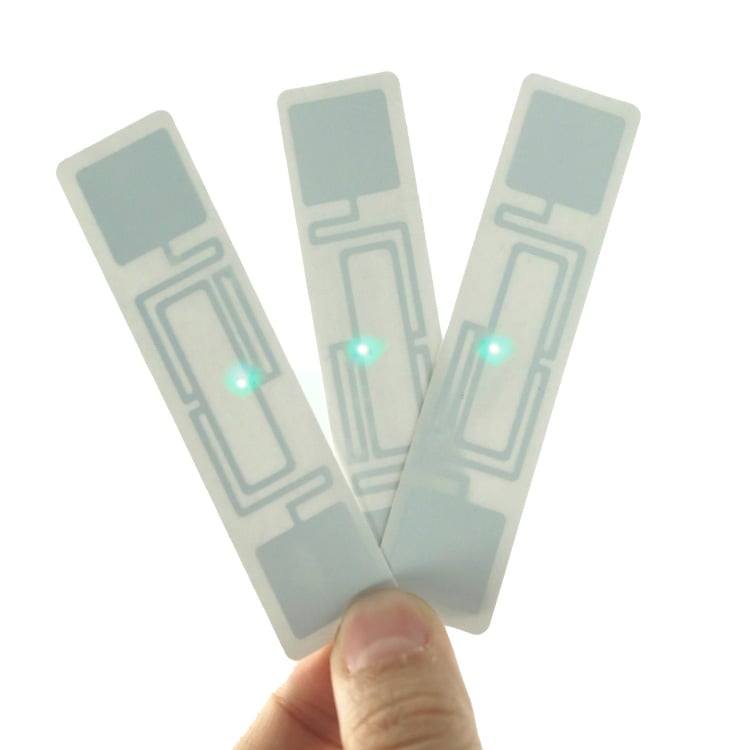 LED locator labels · Store catalog
UHF LED File-location Tag
Location aid: LED light / Application: Locating physical files
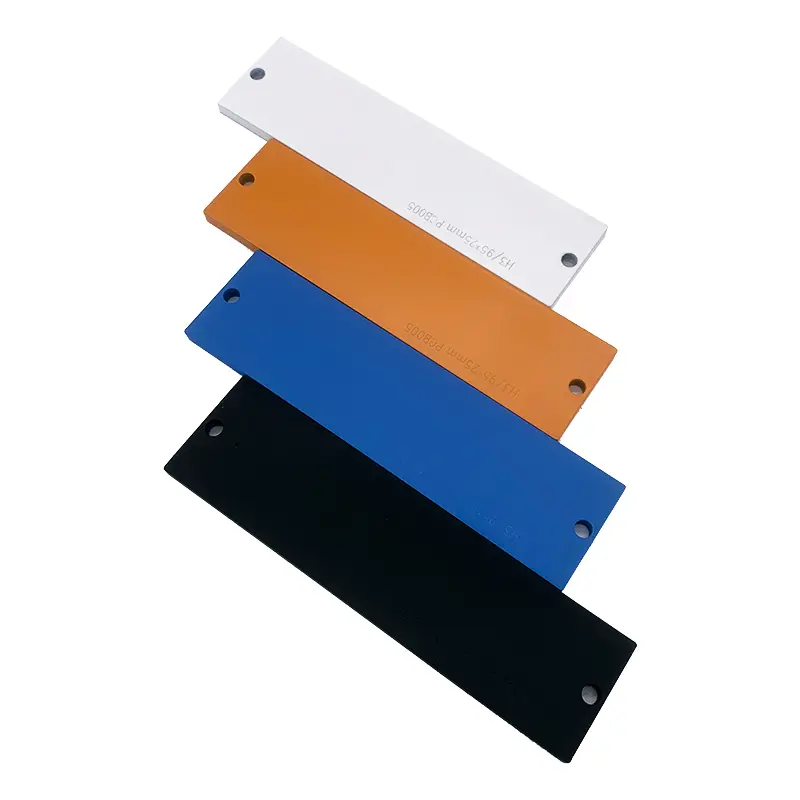 PCB on-metal tags · Store catalog
UHF PCB Power-Grid On-Metal Asset Tag
Construction: High-temperature PCB on-metal tag / Technology: UHF RFID
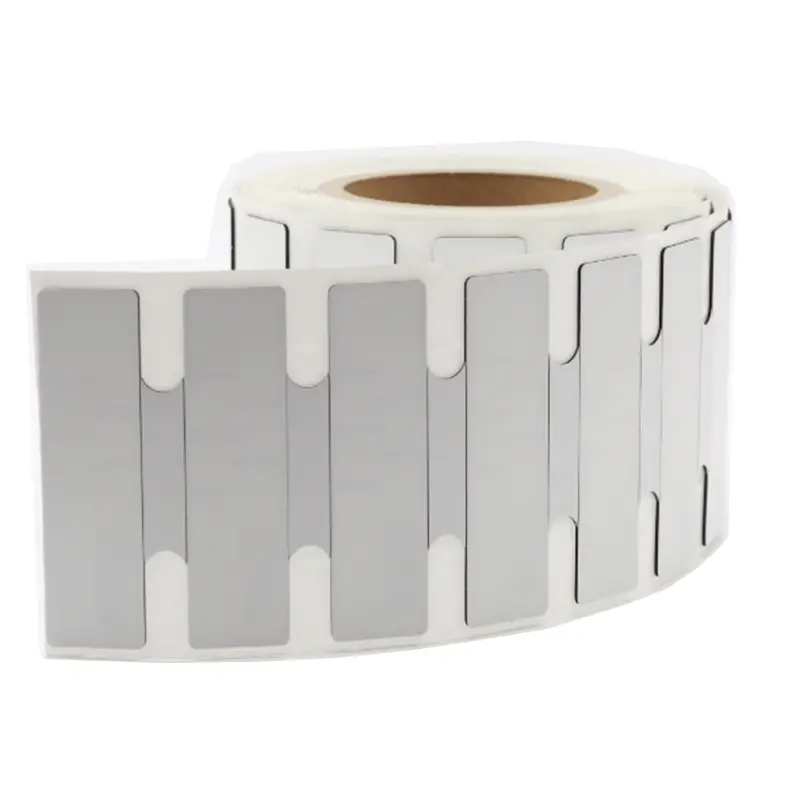 Flexible on-metal labels · Manufacturer reference
100 × 25 mm MR6 On-Metal Label
Chip: MR6 (Customized) ISO/IEC 18000-6C / Size: 100*25mm (Customized)
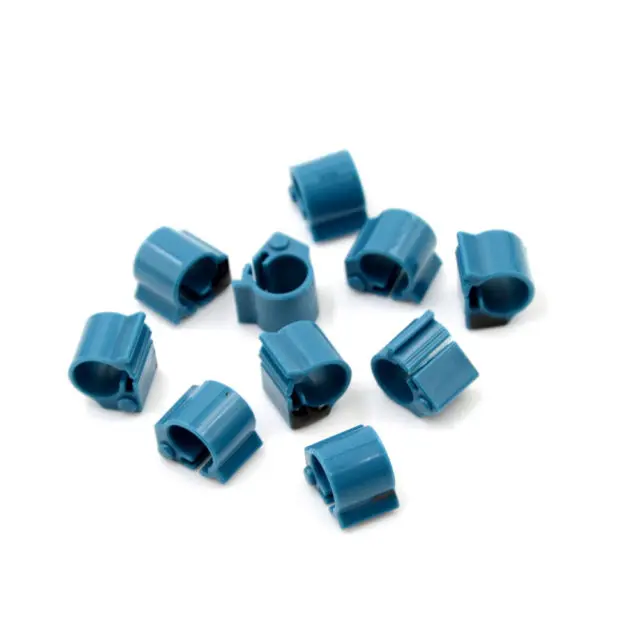 Poultry leg rings · Manufacturer reference
125 kHz Bird Leg Ring
Chip: EM4200 / Size: 12.35*13.6mm
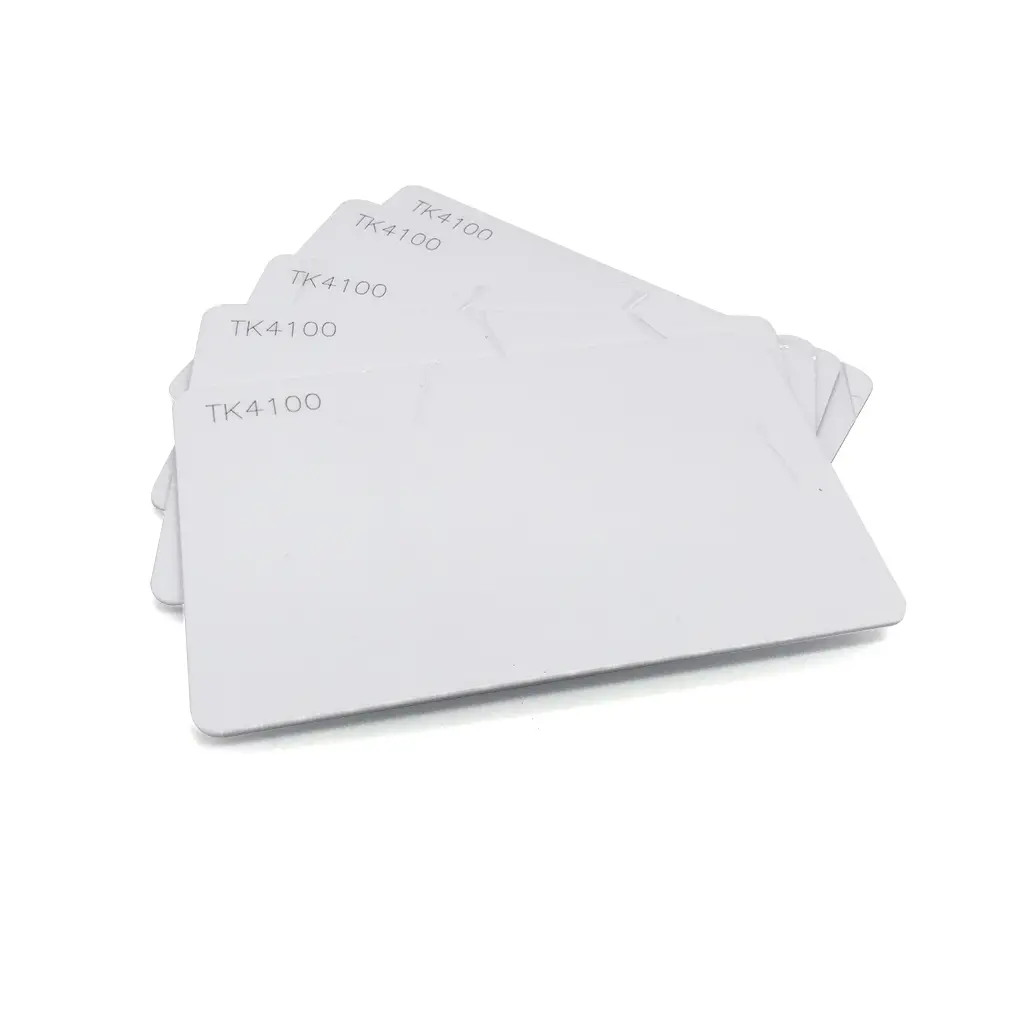 Low-frequency proximity cards · Manufacturer reference
125 kHz LF Access Card
Material: PVC / Chip options: Tk4100/T5577/EM4305
Demande technique directe
Demander des échantillons de test — UHF vs HF/NFC vs LF RFID
Envoyez ce court formulaire directement depuis cette page, sans changer d’écran.
Questions fréquentes de sélection
Un même tag passif peut-il être lu à la fois par un portique UHF et un iPhone ?
Seuls des tags hybrides double fréquence embarquant deux inlays (UHF + NFC) le permettent ; les étiquettes simples n’opèrent que sur leur bande native.
Les fréquences UHF sont-elles identiques sur tous les continents ?
Non : elles se partagent entre bandes régionales telles que FCC (902–928 MHz) et ETSI (865–868 MHz). Les inlays papier couvrent 860–960 MHz, mais PCB et céramiques compacts sont souvent accordés par région.
Pourquoi les bibliothèques conservent-elles le 13,56 MHz plutôt que l’UHF ?
Le 13,56 MHz (ISO 15693) permet de lire proprement une pile de livres sur automate sans happer par erreur les rayonnages voisins.