UHF vs. HF/NFC vs. LF: Die drei passiven RFID-Frequenzbänder im Vergleich
Passive RFID-Technik verteilt sich auf drei Bänder mit unterschiedlicher Physik (magnetische Nahfeldkopplung bei LF/HF vs. elektromagnetische Rückstreuung bei UHF). Die falsche Frequenz führt zu Aussetzern bei Flüssigkeit/Metall oder verhindert die Nutzung per Smartphone.
Direkte Gegenüberstellung der Eckdaten
| Band & Frequenzen | Kernstandards | Kopplung & Feldverhalten | Haupt-Einsatzfelder |
|---|---|---|---|
| LF (125 kHz / 134,2 kHz) | ISO 11784/11785 FDX-B; TK4100/T5577 | Induktives Nahfeld; durchdringt Wasser & Gewebe; Einzellesung | Tierohrmarken, Glasimplantate, ältere Türanhänger & Wächterpunkte |
| HF / NFC (13,56 MHz) | ISO/IEC 14443A, ISO/IEC 15693, NFC Type 2/4/5 | Induktives Nahfeld; scharfe Lesezone; nativ per iOS & Android lesbar | Hotelschlösser, Zutrittskarten, Bibliotheken, Smart Poster & Fälschungsschutz |
| UHF RAIN (860–960 MHz) | ISO/IEC 18000-6C / GS1 EPC Gen2v2 | Fernfeld-Backscatter; schnelle Pulk-Antikollision über Meter; FCC/ETSI | Mode-Inventur, Palettentore, Lagerlogistik & metallische Betriebsmittel |
Warum Smartphone-Scanning 13,56 MHz NFC voraussetzt
Handelsübliche iPhones und Android-Geräte besitzen NFC-Hardware ausschließlich bei 13,56 MHz. Weder 125-kHz-Schlüsselanhänger noch 860–960-MHz-UHF-Labels können ohne Zusatzleser per Smartphone erfasst werden.
Schnelle Pulkinventur vs. abgegrenzte Lesezone
UHF Gen2 erfasst dutzende Artikel pro Sekunde am Portal oder Handheld. Bei LF und HF fällt das Magnetfeld hinter der Spule rasch ab — gewollt in Bibliotheken, Türen und Kassen zur Vermeidung von Streulesungen.
Einfluss von Wasser und Metall auf die Frequenzen
Wasser und Gewebe absorbieren UHF stark, weshalb 134,2 kHz LF am Tierohr überlegen bleibt; ungeschirmtes Metall verstimmt flache Etiketten in allen Bändern ohne PCB-, Keramik- oder Ferrit-Trennschicht.
Repräsentative Katalogmodelle (24)
- On-metal NFC tags · Store catalog
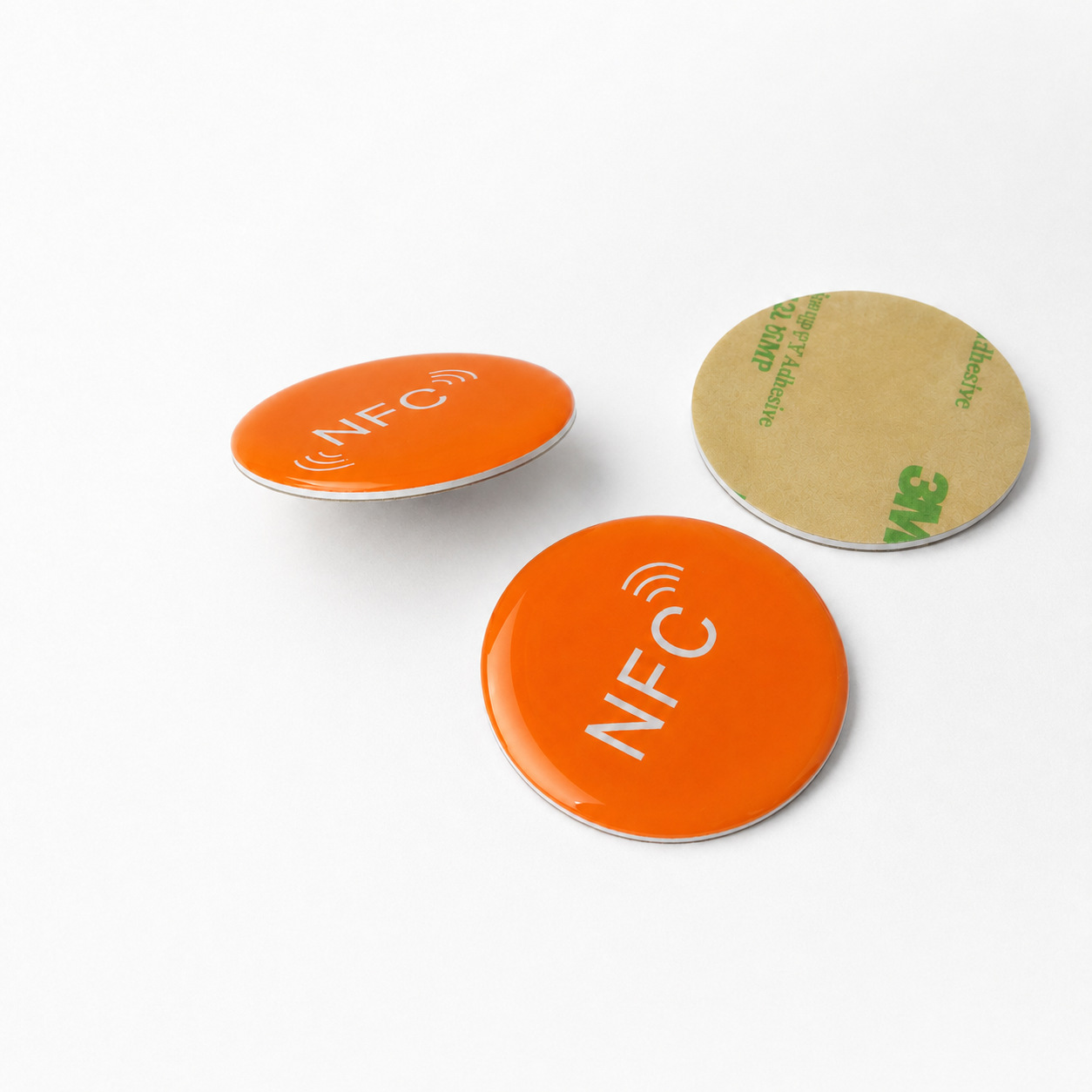
25 mm On-metal Epoxy NFC Tag
Construction: Round epoxy on-metal tag / Diameter: 25 mm
 Ceramic on-metal tags · Store catalog
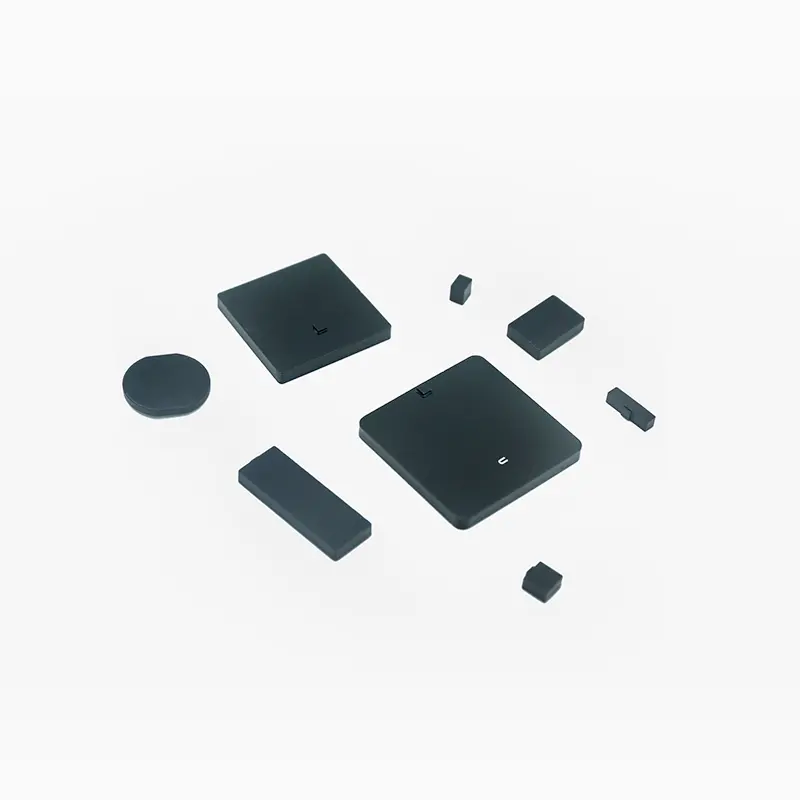
Ceramic UHF On-metal Tag
Material: Ceramic / Mounting surface: Metal
 FPC tags · Store catalog
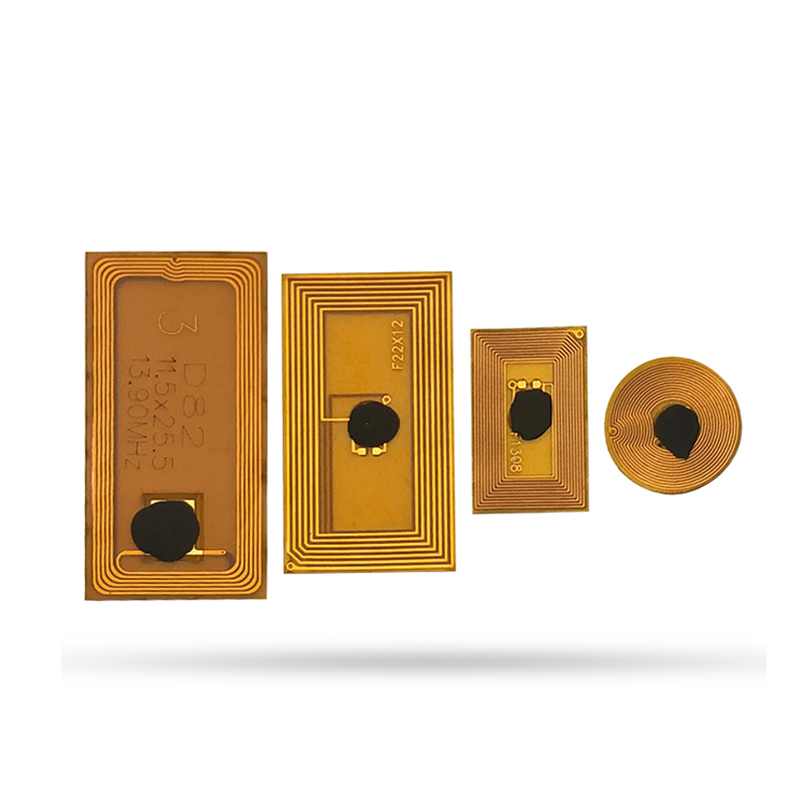
Embedded Passive NFC FPC Label
Construction: Embedded flexible printed circuit / Power: Passive
 NFC toy & collectible tags · Store catalog
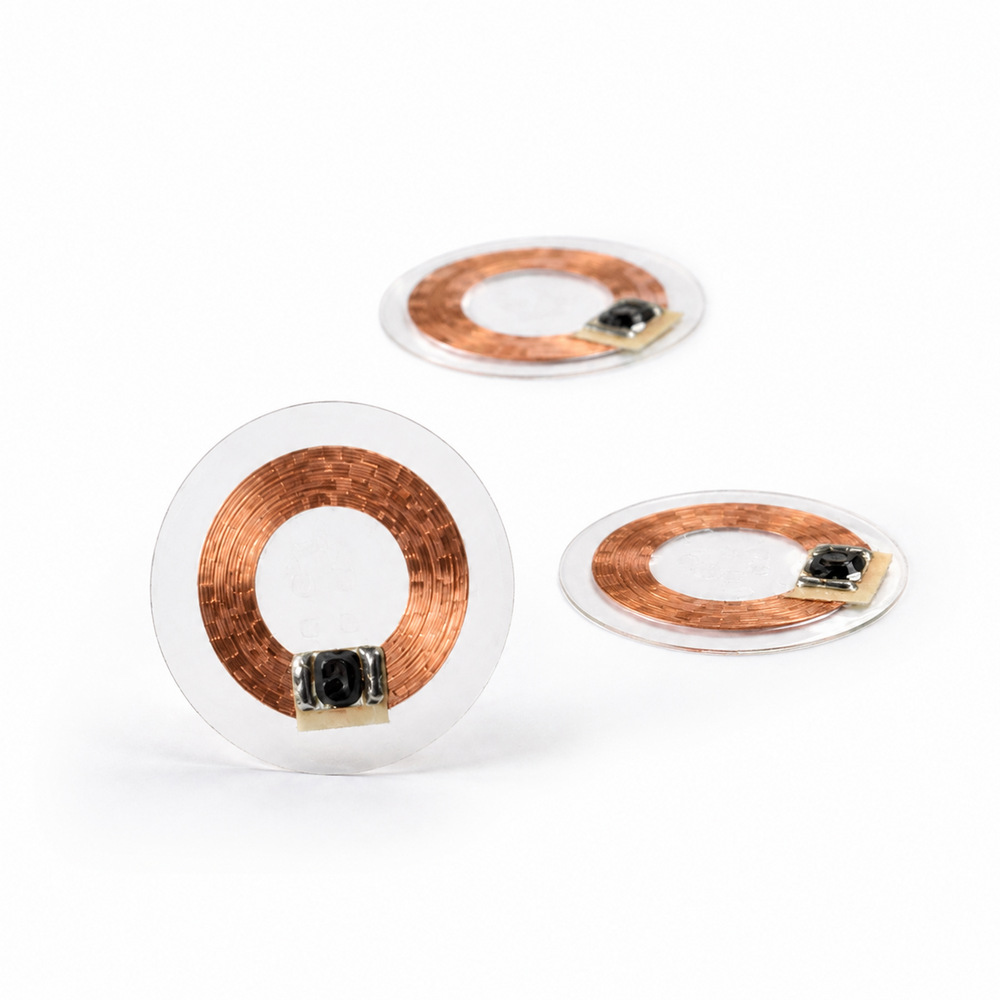
Embedded Passive NFC Toy Tag
Power: Passive / Placement: Inside interactive toys and figurines
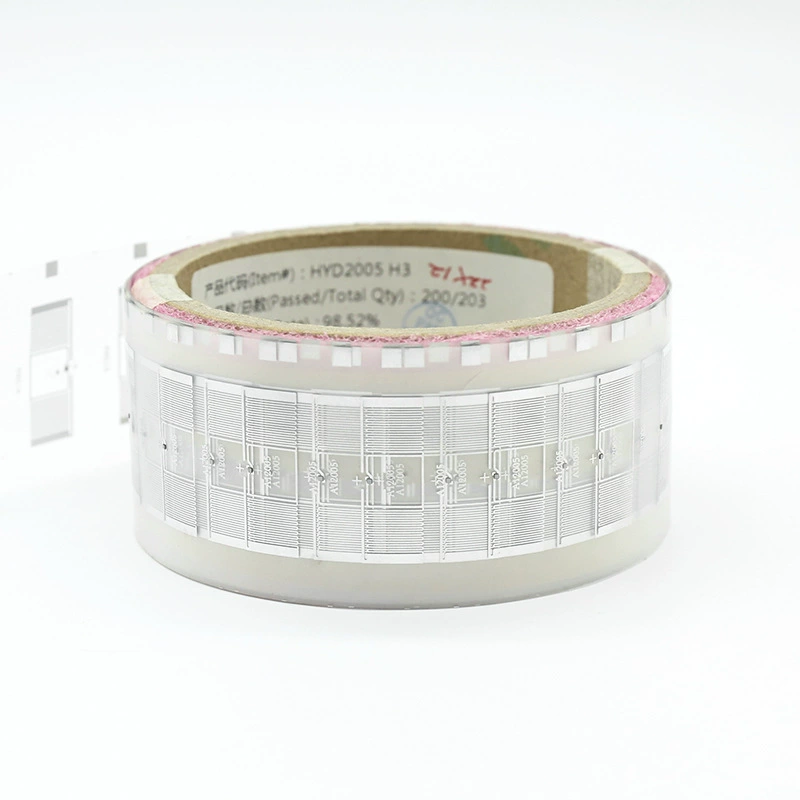 UHF dry inlays · Store catalog
Flexible Passive UHF RFID Dry Inlay
Construction: Dry inlay that can be rolled / Carrier frequency category: Listed under the UHF RFID category in the original attribute table.
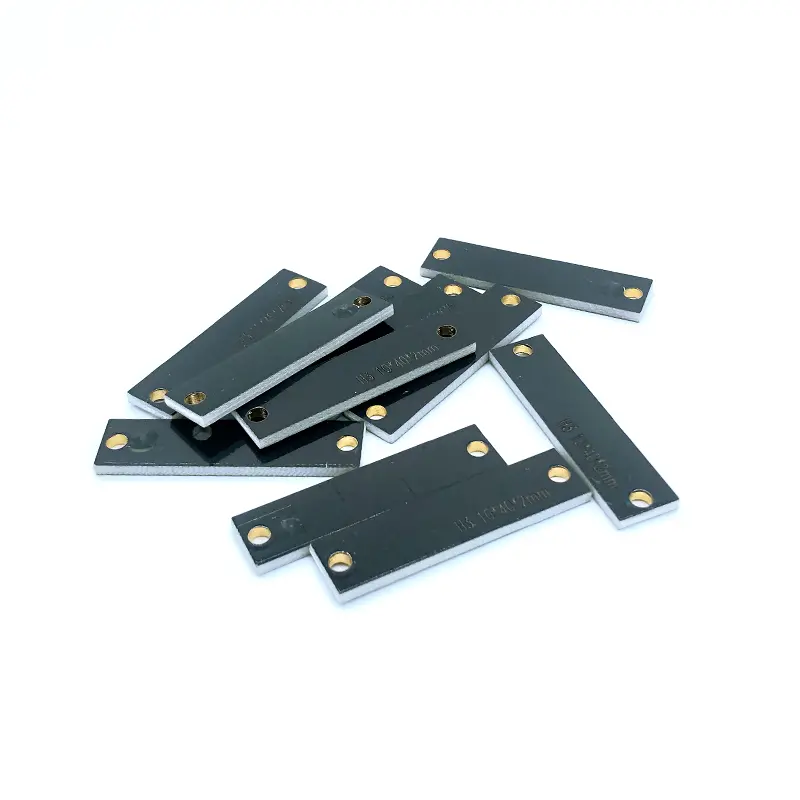 PCB on-metal tags · Store catalog
H3 PCB UHF On-metal Tag
Chip: H3 / Construction: PCB tag for mounting on metal
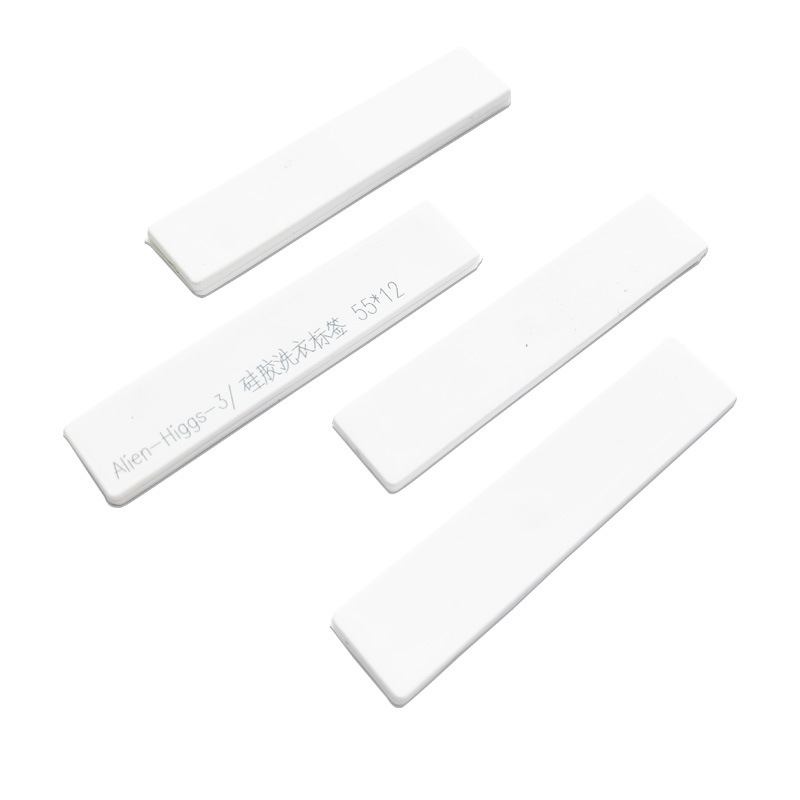 Laundry & linen tags · Store catalog
H3 UHF Hospital Laundry Tag
Chip: H3 / Application: Hospital laundry and asset management
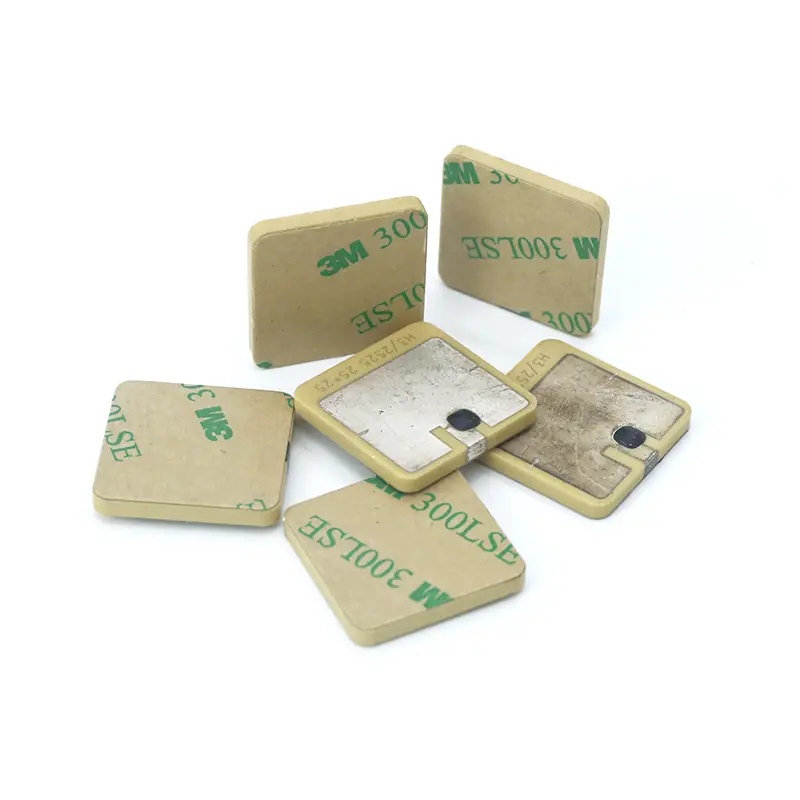 Ceramic on-metal tags · Store catalog
High-Temperature Ceramic UHF On-Metal Tag
Material: Ceramic on-metal construction / Technology: UHF RFID
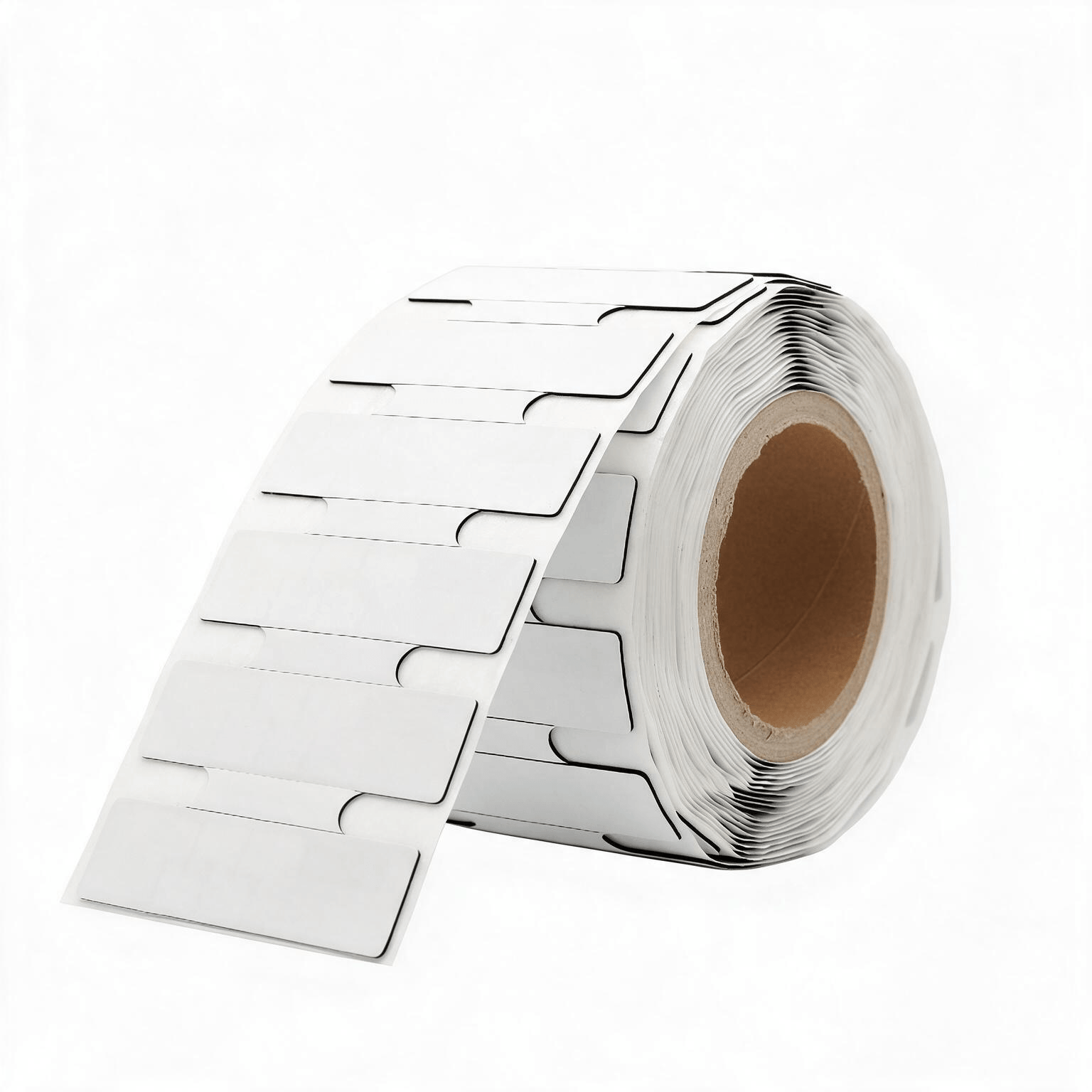 Flexible on-metal labels · Store catalog
MR6 Flexible On-metal Label
Chip: MR6 / Construction: Flexible, printable on-metal label
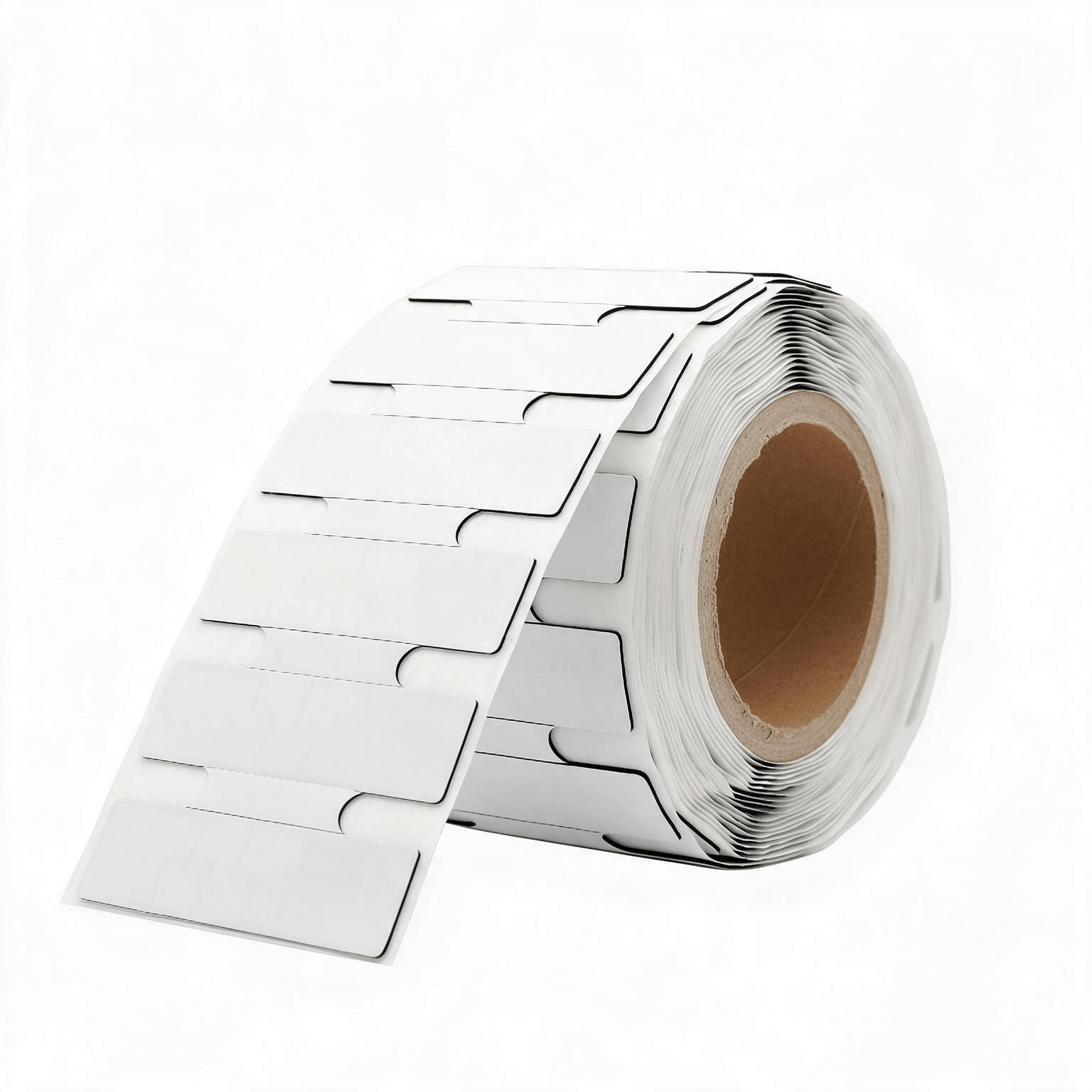 Flexible on-metal labels · Store catalog
Multi-size Printable UHF On-metal Label
Chip designations: Both the listing title and cover name MR6. The title also lists U9, while the cover lists U8. Confirm the second chip before ordering. / Construction: Flexible on-metal label
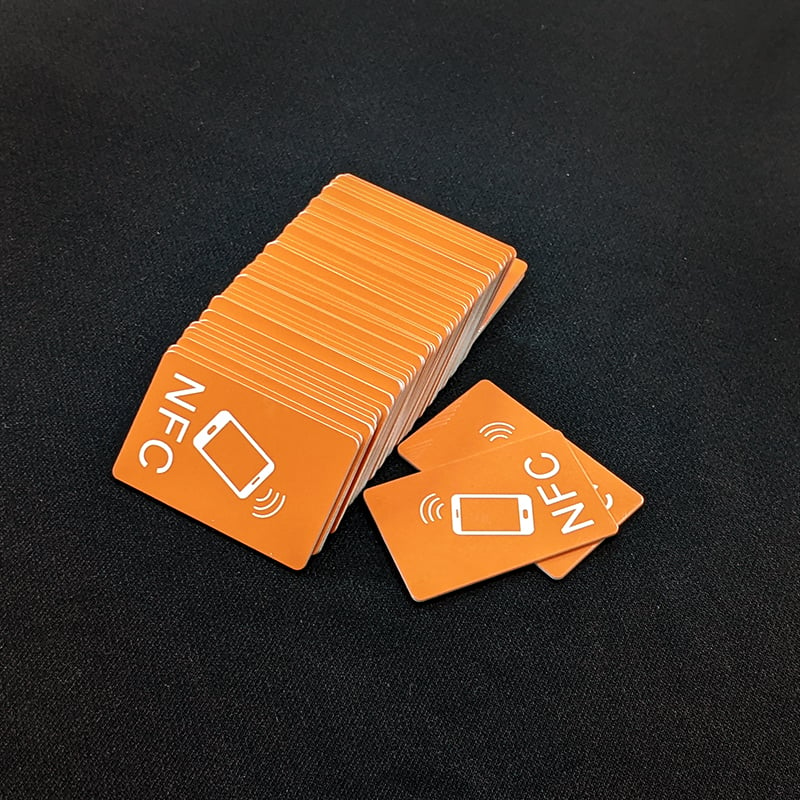 Vehicle key & charging cards · Store catalog
NFC Electric-vehicle Key Card
Existing non-standard sizes: The cover lists three existing compact card sizes: 50 × 30 mm, 45 × 22 mm and 50 × 22 mm. / Form: Nonstandard card
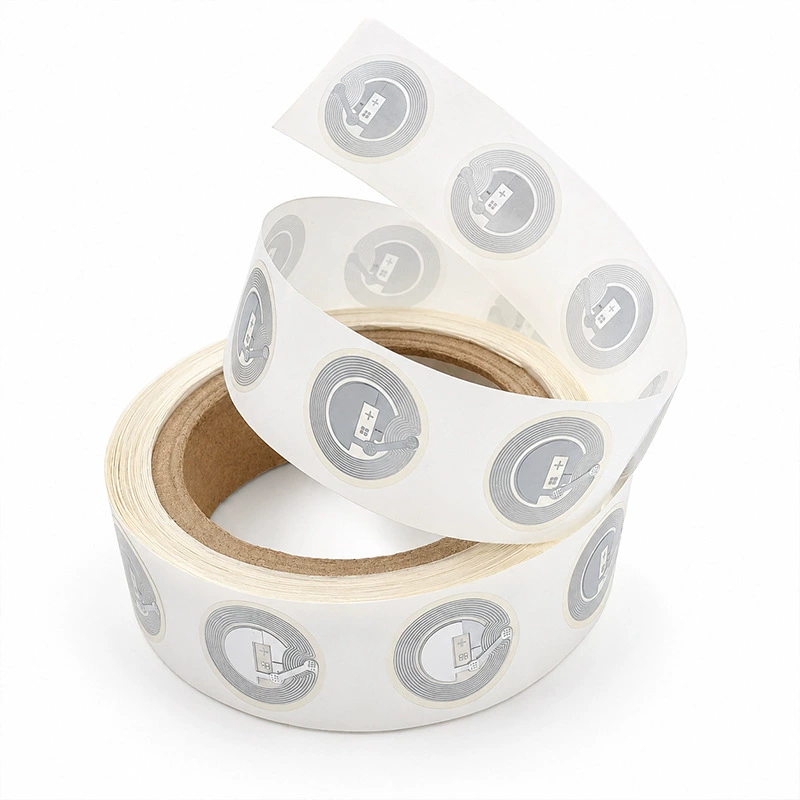 NFC stickers & tap labels · Store catalog
NFC213 Writable Wet Label
Pictured PVC chip-label note: One 25 mm PVC illustration pairs a 215 side caption with NTAG216-PVC label art; confirm the chip for each version. / Chip: NFC213
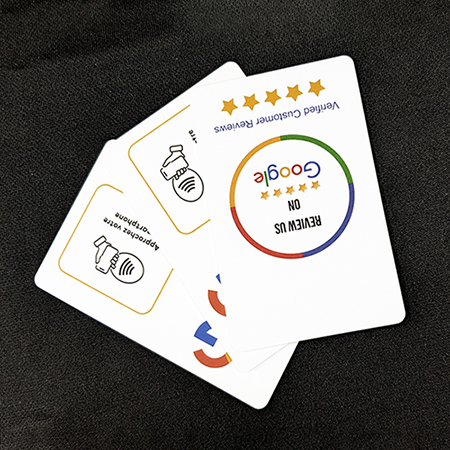 NFC business & review cards · Store catalog
NTAG213 / 215 Contact & Review Card
Listed chip designations: NTAG213 / 215 / Chip options: NTAG213 / NTAG215
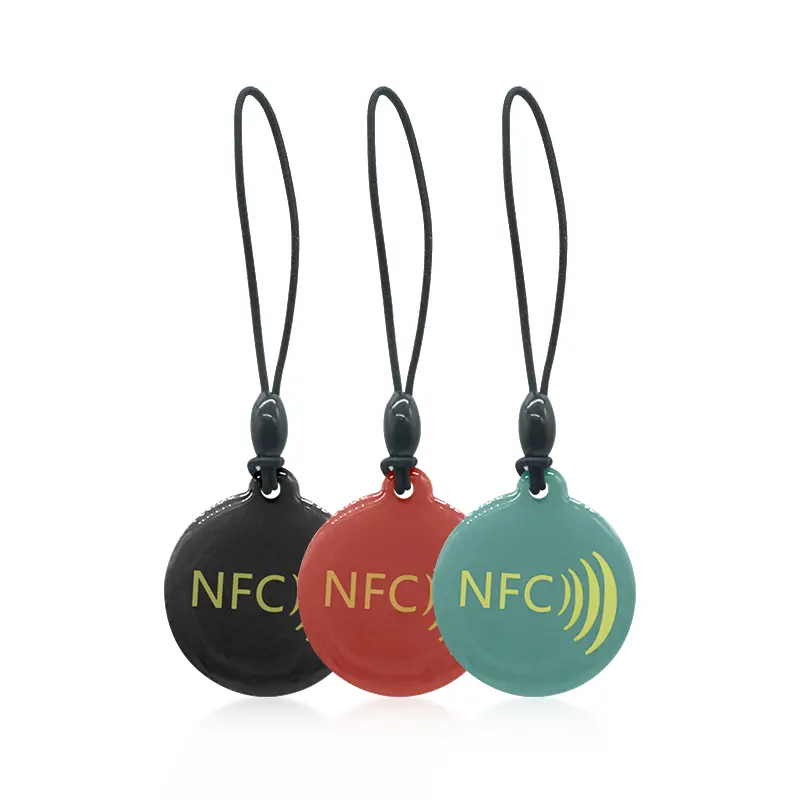 Epoxy key fobs · Store catalog
NTAG213 HF Epoxy NFC Access Key Fob
Chip: NTAG213 / Construction: Epoxy resin key fob
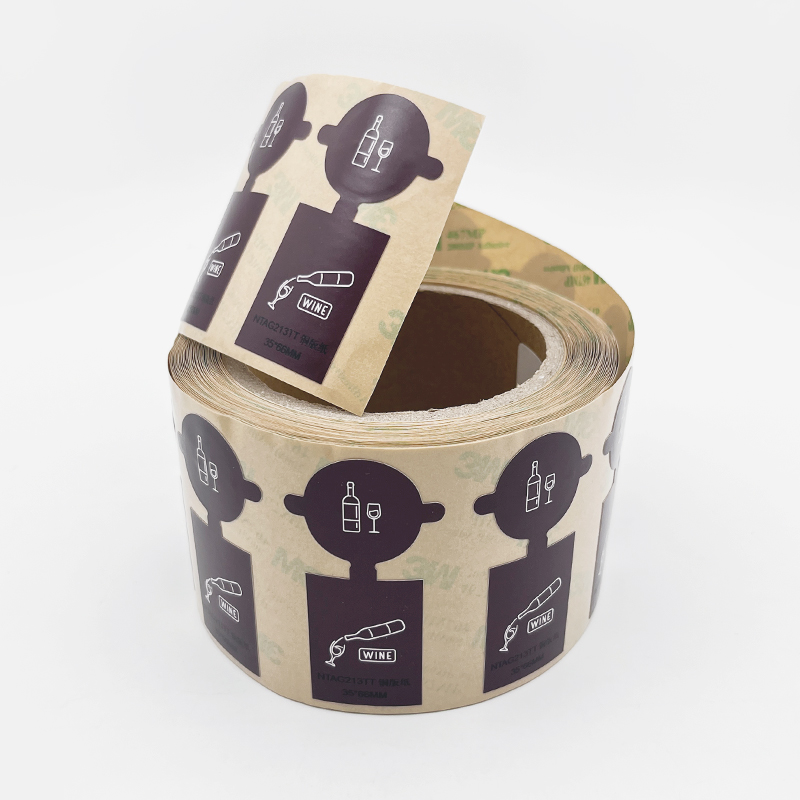 Tamper-evident & traceability labels · Store catalog
NTAG213TT Frangible Wine Label
Chip: NTAG213TT / Construction: Breakable label intended to deter transfer
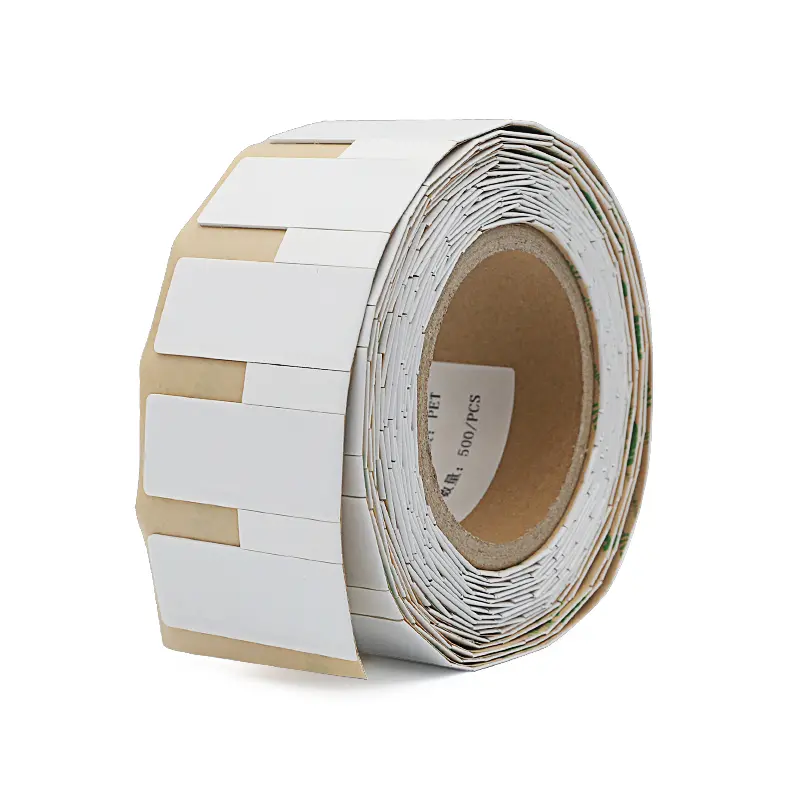 Flexible on-metal labels · Store catalog
Printable Flexible On-Metal Equipment Label
Construction: Printable flexible on-metal label / Frequency: Title names both HF and UHF; specify your reader band when ordering
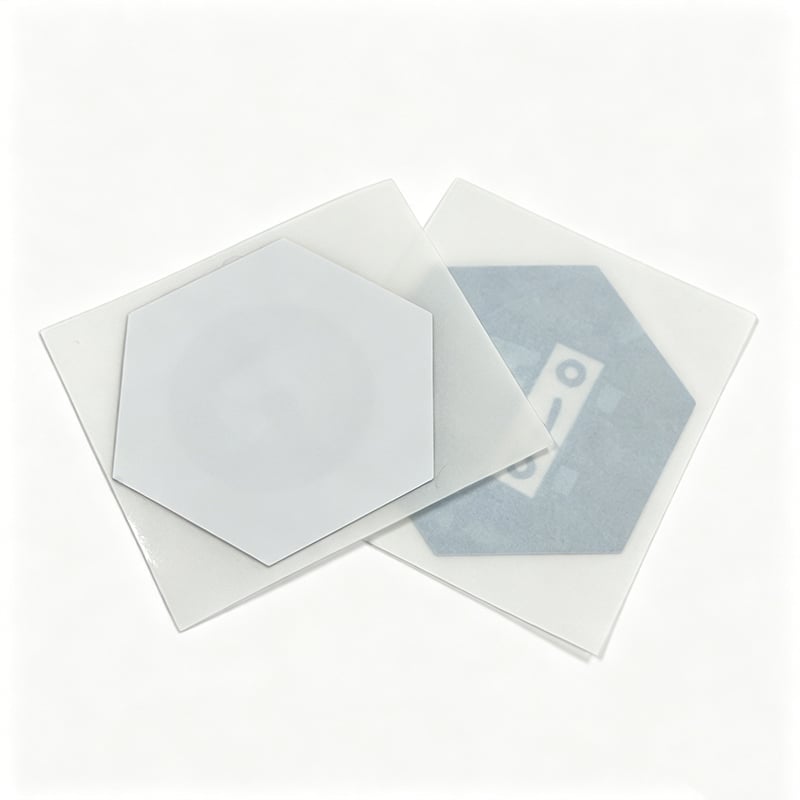 NFC stickers & tap labels · Store catalog
Read / Write NFC Shortcut Label
Chip families and surface protection: The cover lists 213, 215 and 216 chip options with water- and stain-resistant link labels. / Operation: Read and write
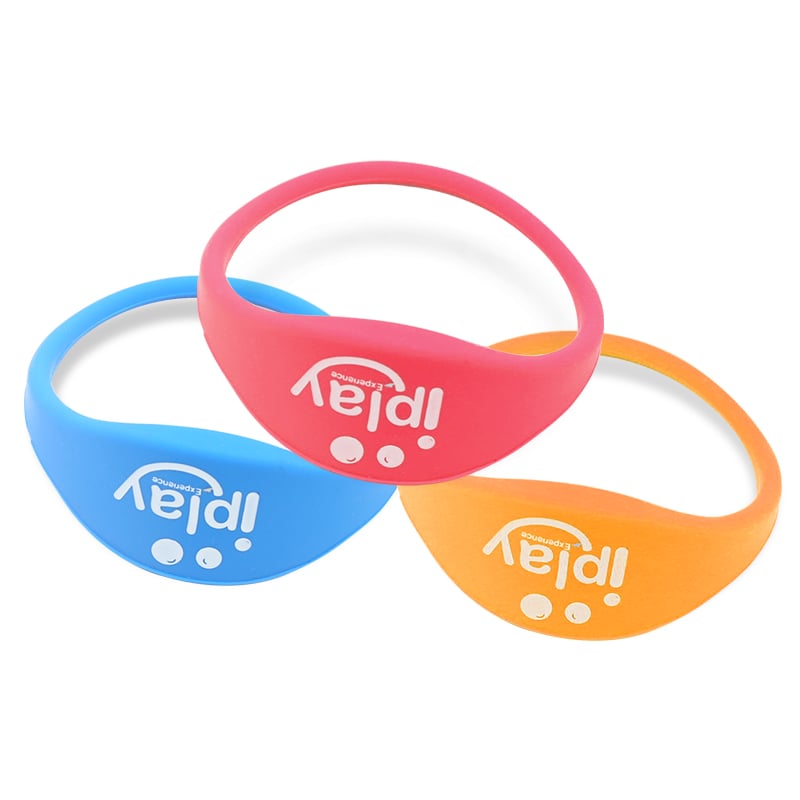 Silicone wristbands · Store catalog
Silicone NFC Sauna & Concert Wristband
Material: Silicone / Listed uses: Saunas and concerts
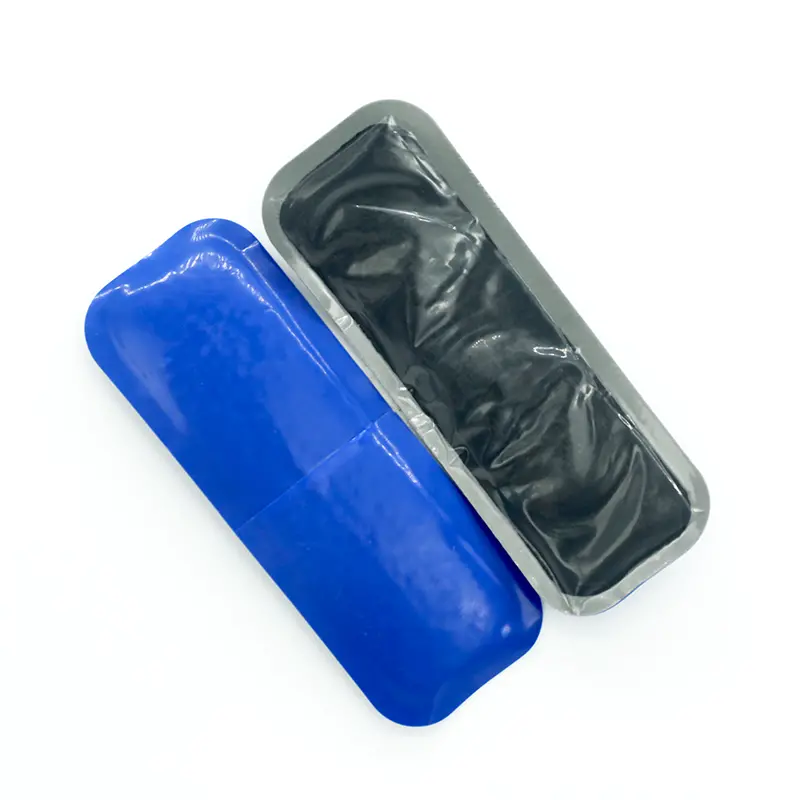 Tire tags · Store catalog
UHF High-Temperature Rubber Tire RFID Tag
Material: High-temperature rubber patch / Technology: Passive UHF RFID
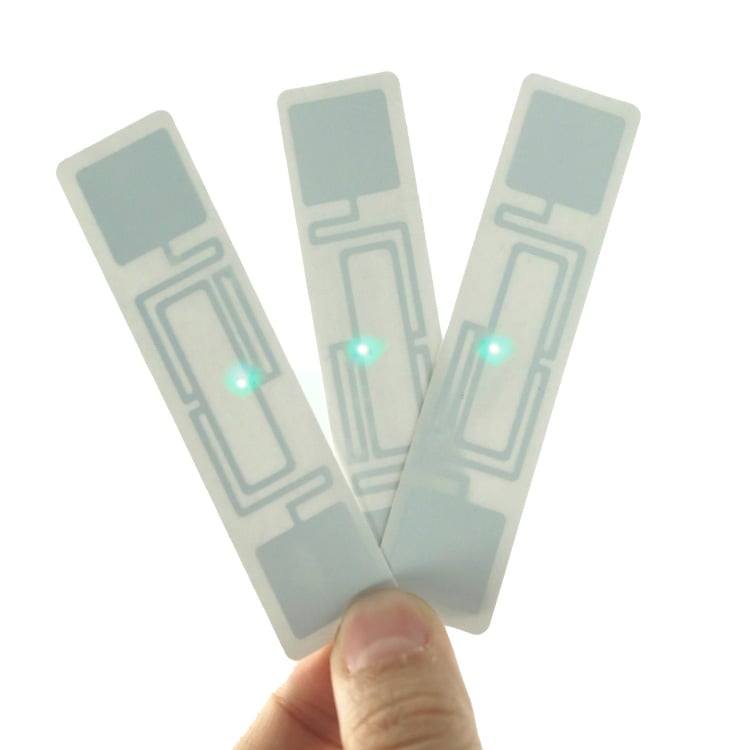 LED locator labels · Store catalog
UHF LED File-location Tag
Location aid: LED light / Application: Locating physical files
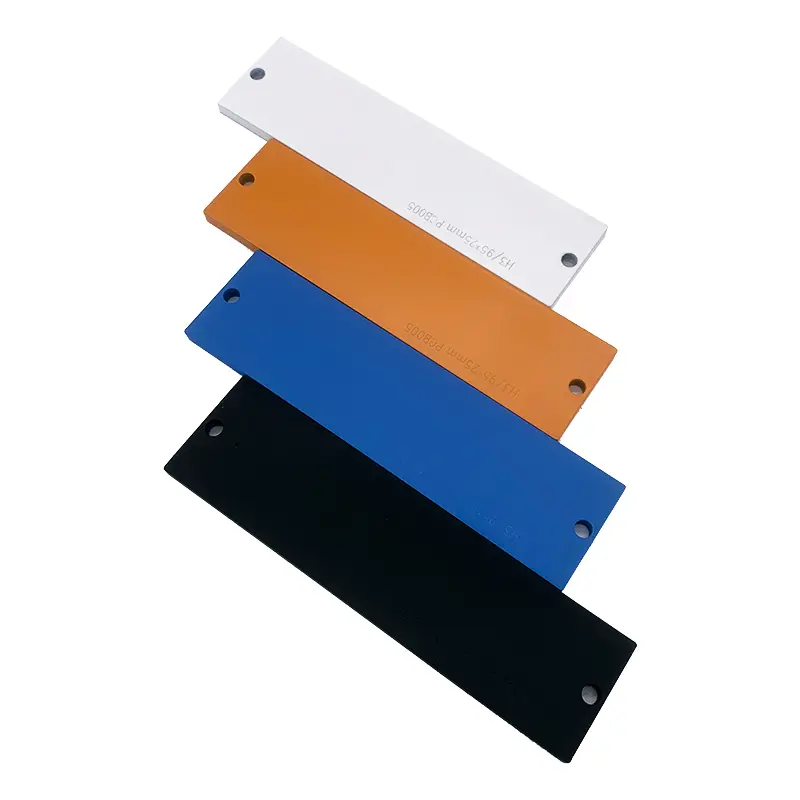 PCB on-metal tags · Store catalog
UHF PCB Power-Grid On-Metal Asset Tag
Construction: High-temperature PCB on-metal tag / Technology: UHF RFID
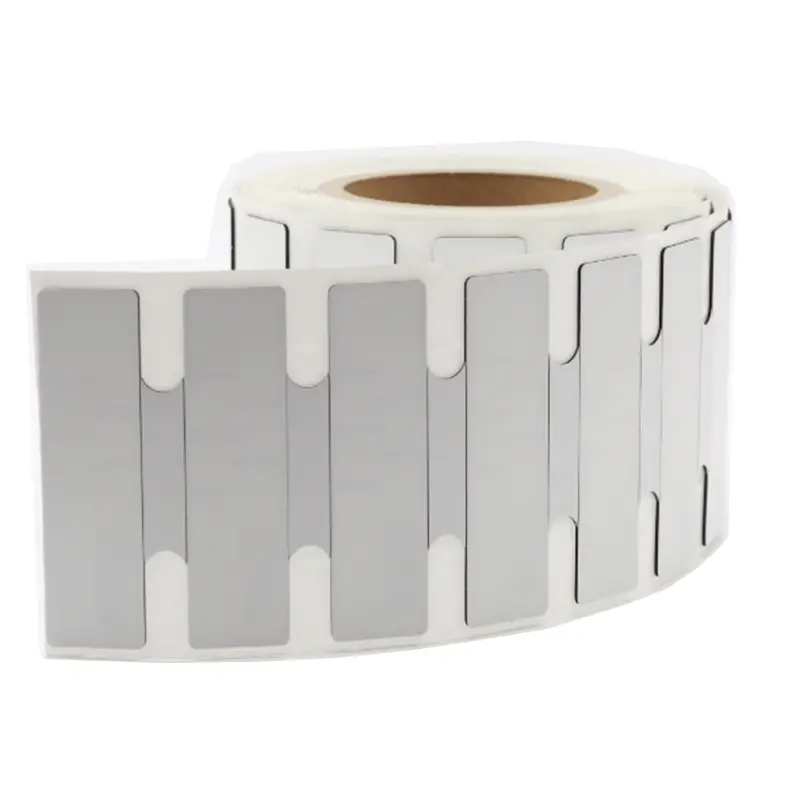 Flexible on-metal labels · Manufacturer reference
100 × 25 mm MR6 On-Metal Label
Chip: MR6 (Customized) ISO/IEC 18000-6C / Size: 100*25mm (Customized)
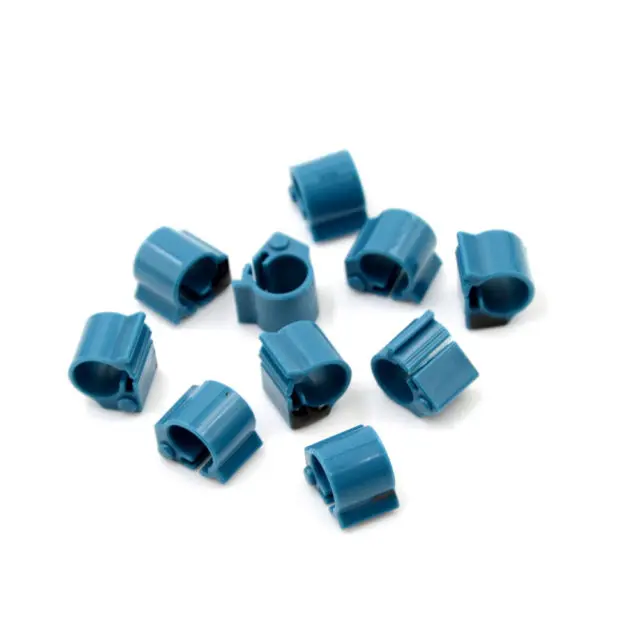 Poultry leg rings · Manufacturer reference
125 kHz Bird Leg Ring
Chip: EM4200 / Size: 12.35*13.6mm
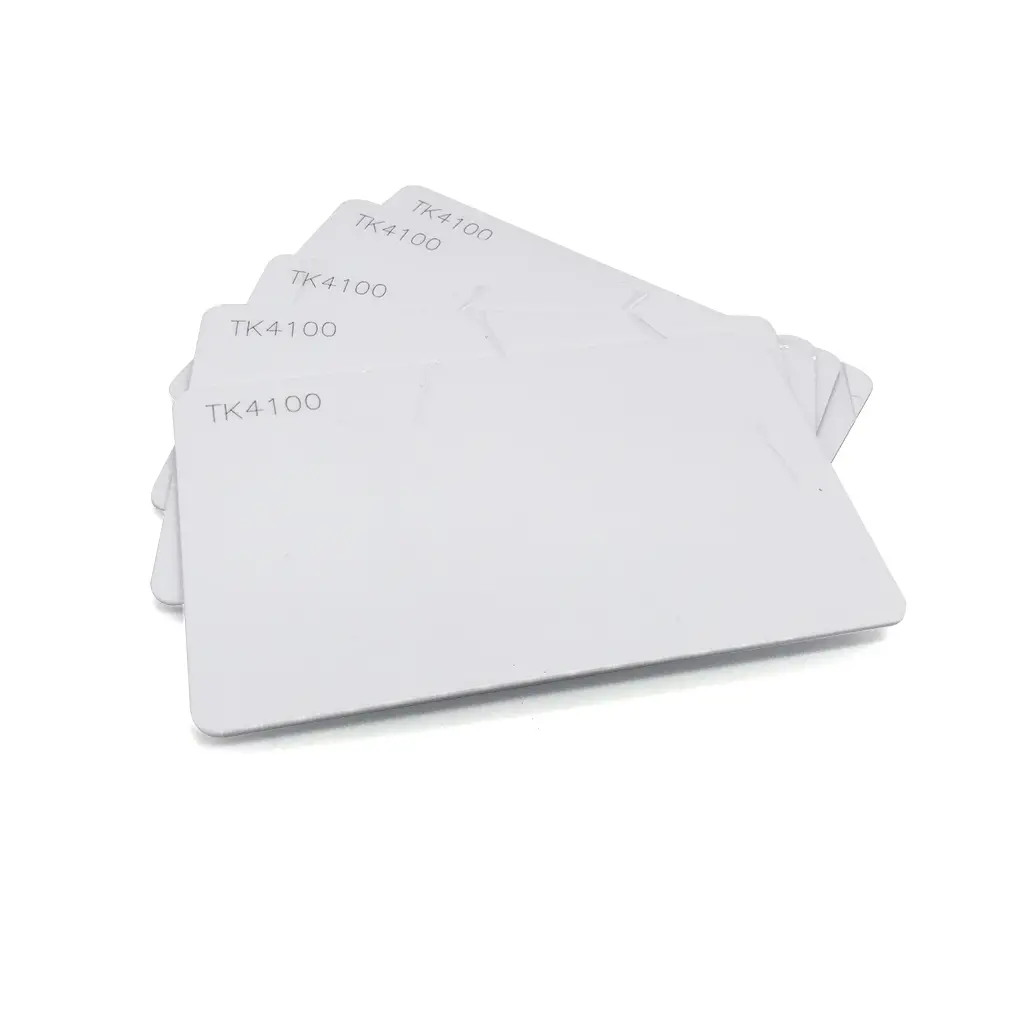 Low-frequency proximity cards · Manufacturer reference
125 kHz LF Access Card
Material: PVC / Chip options: Tk4100/T5577/EM4305
Direkte technische Anfrage
Vergleichsmuster anfordern — UHF vs. HF/NFC vs. LF RFID
Senden Sie dieses kurze Formular direkt von dieser Seite aus – ohne Seitenwechsel.
Häufige Fragen zur Auswahl
Kann ein einziger passiver Tag sowohl von UHF-Toren als auch per iPhone gelesen werden?
Nur spezielle Dual-Frequency-Kombi-Tags mit zwei getrennten Antennen (UHF + NFC) verbinden beide Welten; reguläre Einzelchips arbeiten strikt in einem Band.
Sind UHF-Frequenzen weltweit identisch?
Nein: Regionalvorgaben teilen UHF z. B. in FCC (902–928 MHz) und ETSI (865–868 MHz). Breitbandige Papier-Inlays laufen global, kompakte PCB/Keramik-Harttags sind meist regional abgestimmt.
Warum nutzen Bibliotheken weiterhin 13,56 MHz statt UHF?
Mit 13,56 MHz (ISO 15693) erfassen Verbuchungstische gezielt den aufgelegten Bücherstapel ohne Nachbarregale mitzulesen.