UHF Vulcanized Rubber & Patch RFID Tags for Commercial Tires & Retreading
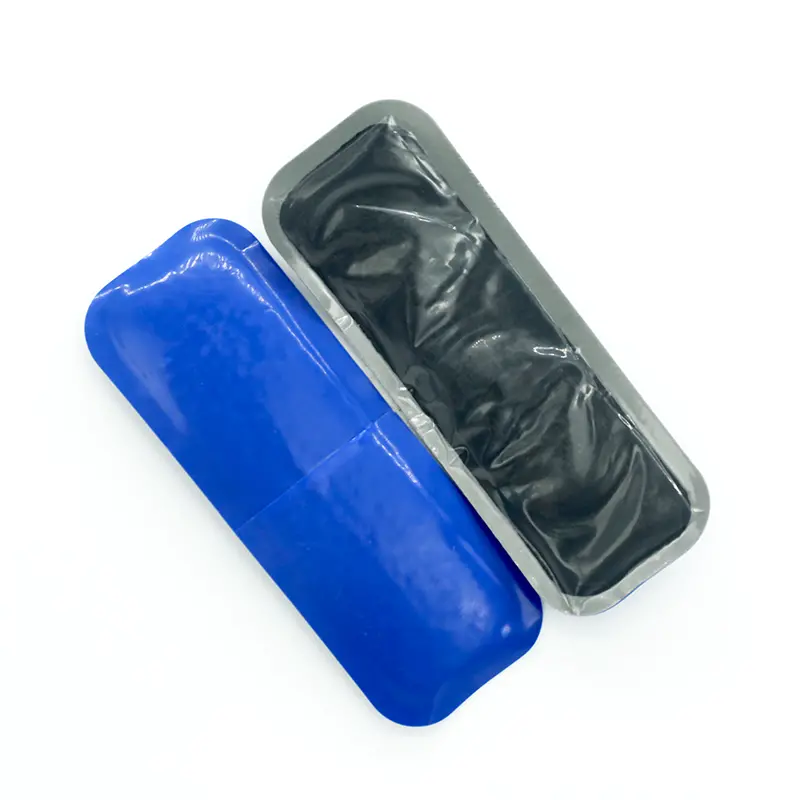
Commercial trucking fleets, tire retread plants and heavy off-the-road (OTR) depots track casing serials across rough road miles, curbing and retread cure cycles. Vulcanized rubber patch transponders and flexible coiled UHF spring-antenna housings flex dynamically with tire sidewalls without snapping dipole traces.
Direct project specs: sales@rffab.com
Field Challenges to Solve
Common RFID deployment risks in tire & rubber asset tags
- Continuous sidewall flexing during highway rotation fatigues rigid copper or etched aluminum inlays rapidly.
- High-heat retread curing autoclaves and road-surface moisture loosen conventional acrylic stickers.
- Dense steel-belted radial plies reflect UHF waves when the patch is bonded directly over heavy belt edges.
Recommended constructions & sample verification
| Construction | Why It Fits | Verify on Physical Samples |
|---|---|---|
| Inner-Liner Cold-Cure Rubber Patch Tag | Pre-vulcanized nitrile/natural rubber body bonds onto the tire inner liner using tire repair cement away from curb scrapes. | Follow inner-liner buffing, solvent cleaning and roller pressure prep using sample patches. |
| Helical Coil / Embedded Mold Cure Tag | Spring-wound UHF radiating structure distributes flex stress along the tire carcass during curing and service. | Check sidewall vs. bead placement guidance relative to steel cord ply overlap. |
| User-Memory M4QT / H3 Tire Configuration | Provides 512-bit User memory for recording retread counts, tread-depth dates and depot repair codes offline. | Confirm whether your fleet software writes EPC-only or EPC + User bank records. |
5 catalog models for Tire & Rubber Asset Tags
Showing all 5 matching models
- Tire tags · Store catalog
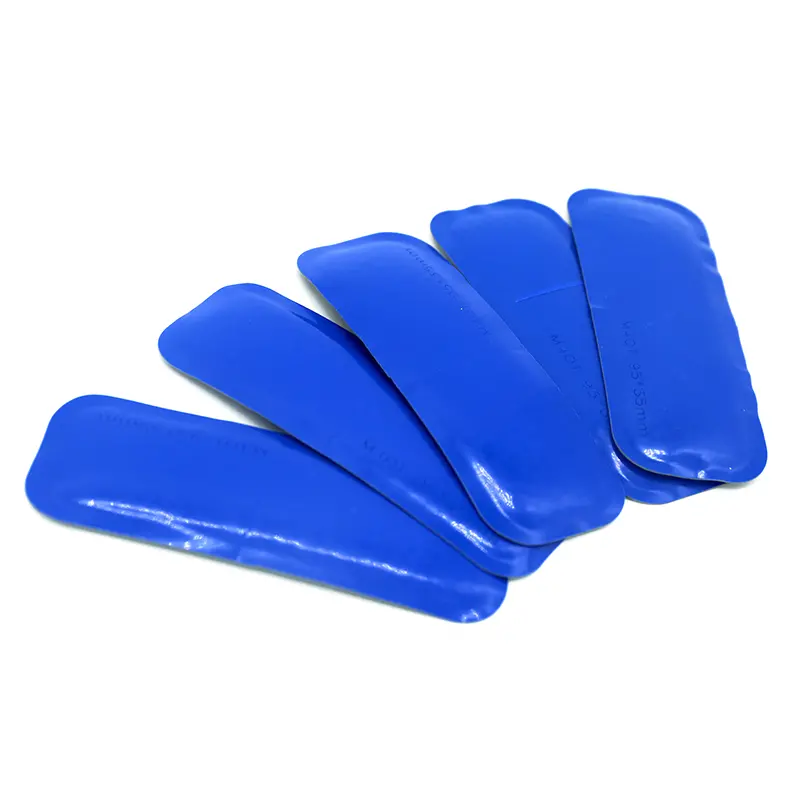
UHF High-Temperature Rubber Tire RFID Tag
Material: High-temperature rubber patch / Technology: Passive UHF RFID
 Tire tags · Manufacturer reference
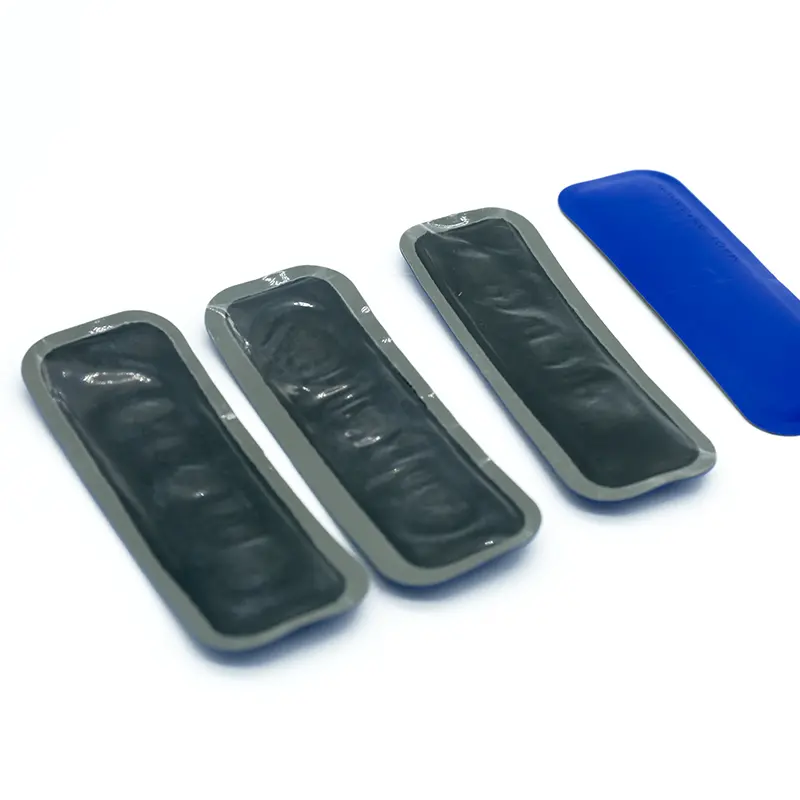
Monza 4QT Rubber Tire Patch Tag
Chip: M4QT / Size: 95*35mm1mm
 Tire tags · Manufacturer reference
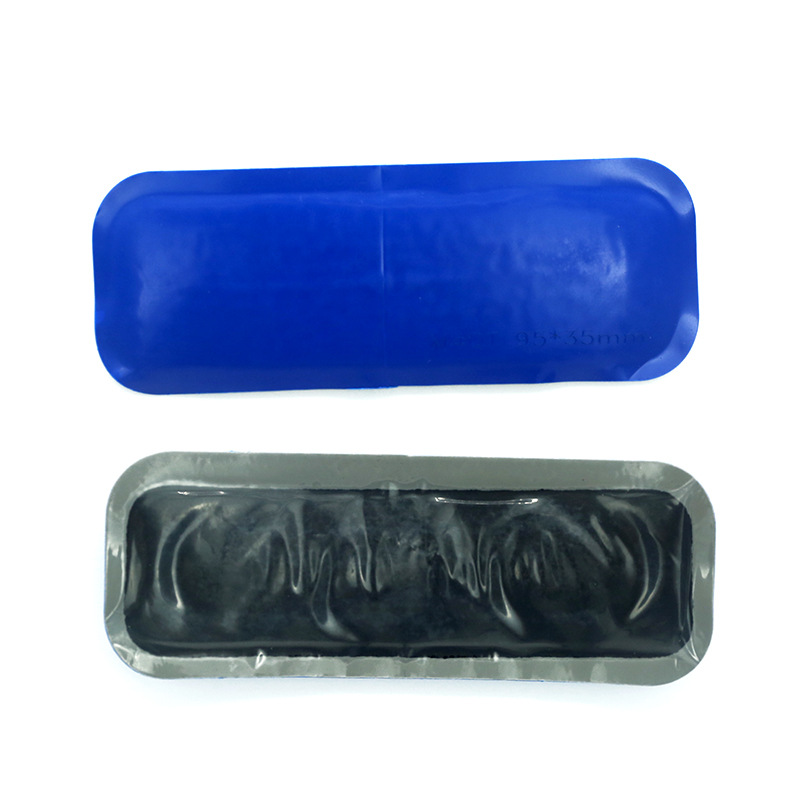
Monza 4QT UHF Tire Tag
Chip: M4QT / Size: 35mm
 Tire tags · Manufacturer reference
RFID Tire Tag
Dimensions: 95 × 35 × 1 mm (customizable) / Housing material: rubber
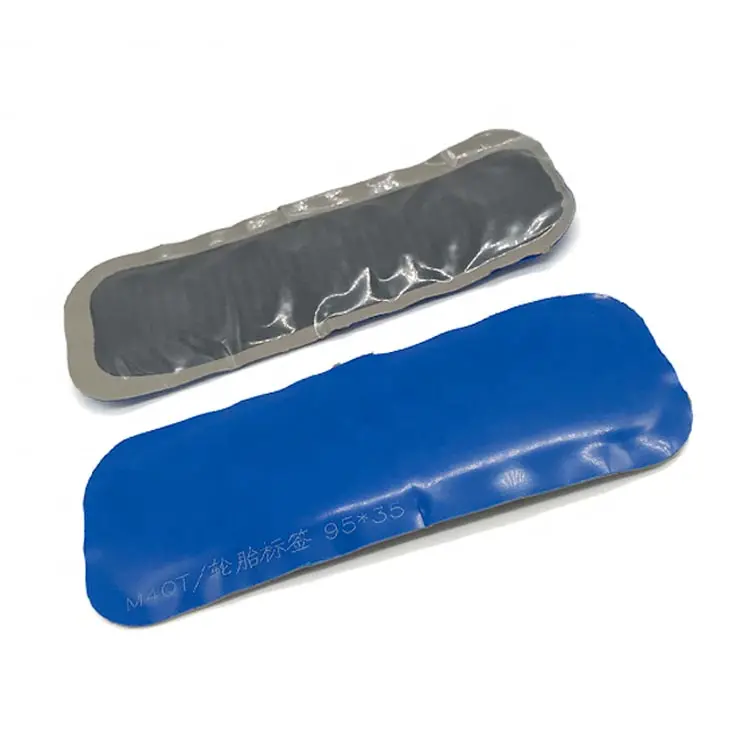 Tire tags · Manufacturer reference
Rubber UHF RFID Tire Tag
Chip: M4QT / Size: 95*35mm1mm
What to include when sourcing tire & rubber asset tags
- Mounting workflow: cold-cure inner-liner repair patch vs. embedded factory vulcanization
- Fleet reader frequency (FCC 902–928 MHz vs. ETSI 865–868 MHz) and handheld stand-off test on mounted rims
- Whether 512-bit User memory (M4QT / H3) is used for off-network retread histories
Direct Engineering Inquiry
Request Tire & Rubber Asset Tags samples or quote
Submit this short form directly on the page—no separate form page required.
Tire & Rubber Asset Tags engineering FAQ
Why must UHF tire tags be placed away from heavy radial steel belts?
Dense steel cords shield RF energy. Installing a rubber patch tag on the inner liner in the lower sidewall flex zone—cleanly offset from heavy bead steel—balances flex life and clean external handheld capture.
Can inner-liner rubber tire tags be installed on tires already in fleet service?
Yes. Pre-cured rubber patch RFID tags install during tire mounting or puncture servicing using standard inner-liner buffing and vulcanizing cement.
Why do tire tags often specify M4QT or H3 instead of EPC-only chips?
Many tire-management platforms store inspection dates, retread cycle counters and pressure baseline codes inside the chip’s 512-bit User memory bank alongside the permanent tire ID.