Comparativa de tags RFID antimetal PCB, cerámicos y flexibles imprimibles
Instalar tags RFID pasivos sobre acero o aluminio exige aislar la antena del plano conductor. Tres construcciones principales —FR4 PCB rígido, cerámica de alta permitividad y etiqueta flexible de ferrita o espuma— resuelven el problema con distinto espesor, durabilidad y compatibilidad de impresión.
Matriz comparativa de especificaciones
| Construcción | Sustrato / Núcleo | Imprimible in situ | Puntos fuertes y despliegue habitual |
|---|---|---|---|
| FR4 PCB antimetal | Laminado fibra de vidrio + plano de cobre | No (láser o inyección en fábrica) | Alcance equilibrado, ranuras para tornillos/remaches, cuadros eléctricos, estanterías de acero y cajas industriales |
| Cerámica antimetal | Núcleo cerámico sinterizado de alta permitividad | No (láser o etiqueta superior en fábrica) | Huella diminuta para herramientas y resistencia térmica en moldes, llaves y piezas de motor |
| Etiqueta flexible antimetal | Ferrita o espuma EVA fina + frontal PET/papel | Sí (en impresoras RFID calibradas) | Se adapta a superficies curvas y permite imprimir códigos de barras y activos bajo demanda en TI y logística |
Cómo aísla cada construcción la energía RF del metal
Los inlays planos de papel o PET pierden sintonía de inmediato sobre metal por reflexión en contrafase. El laminado FR4 PCB incorpora plano de masa calibrado, la cerámica comprime la longitud de onda en un bloque dieléctrico denso y la etiqueta flexible intercala ferrita o espuma cerrada.
Límites térmicos, de impacto y curvatura
La cerámica sinterizada y el FR4 PCB soportan sol exterior, ciclos térmicos industriales y golpes mecánicos fuertes, mientras las etiquetas de espuma o ferrita destacan sobre tubos curvos, portátiles o tapas de bidón donde una placa rígida oscilaría.
Impresión bajo demanda frente a láser en fábrica
Si el almacén necesita grabar códigos EPC e imprimir códigos de barras en impresora térmica RFID (Zebra o Sato), solo las etiquetas flexibles antimetal circulan por el cabezal; PCB y cerámica llegan vírgenes o con UID/QR grabado por láser.
Modelos representativos (24)
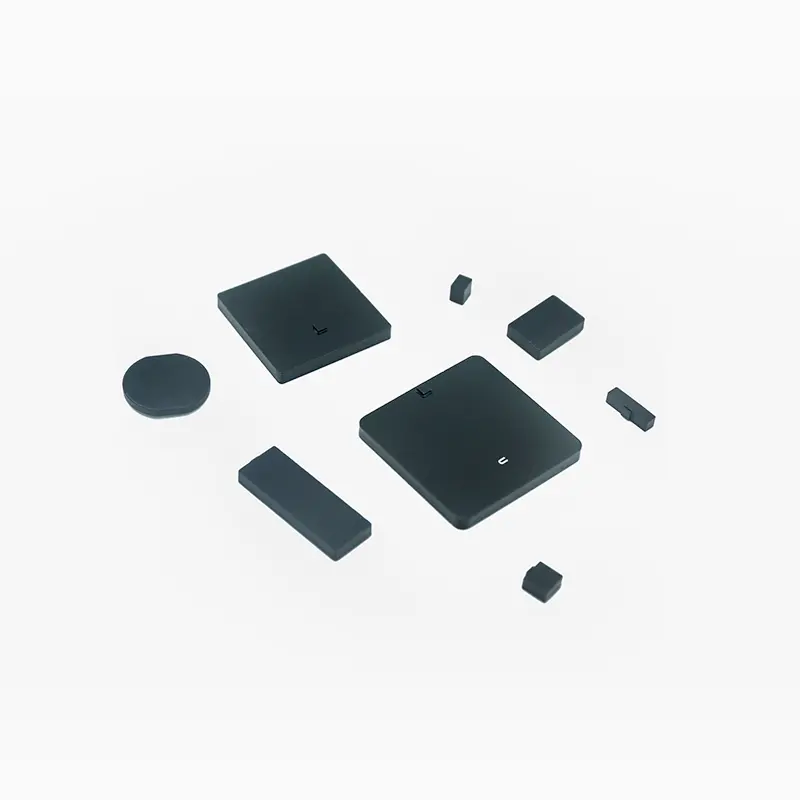
- Ceramic on-metal tags · Store catalog
Ceramic UHF On-metal Tag
Material: Ceramic / Mounting surface: Metal
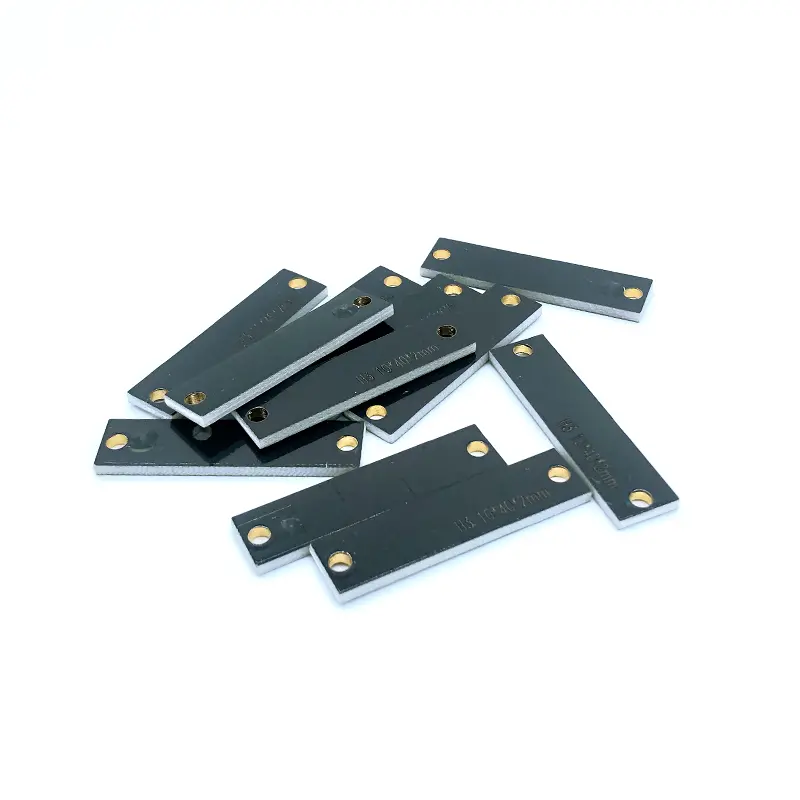 PCB on-metal tags · Store catalog
H3 PCB UHF On-metal Tag
Chip: H3 / Construction: PCB tag for mounting on metal
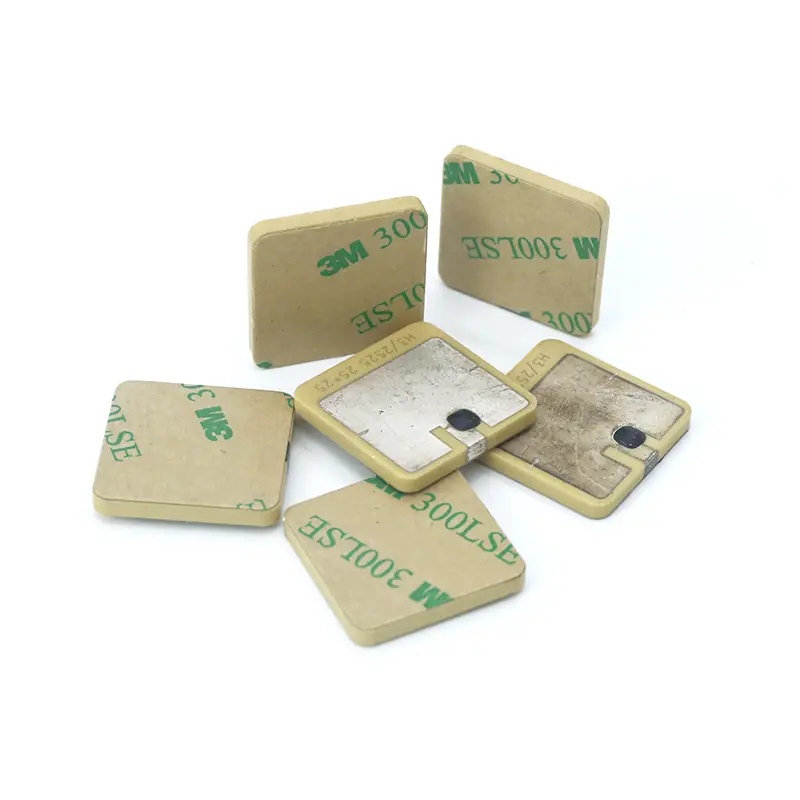 Ceramic on-metal tags · Store catalog
High-Temperature Ceramic UHF On-Metal Tag
Material: Ceramic on-metal construction / Technology: UHF RFID
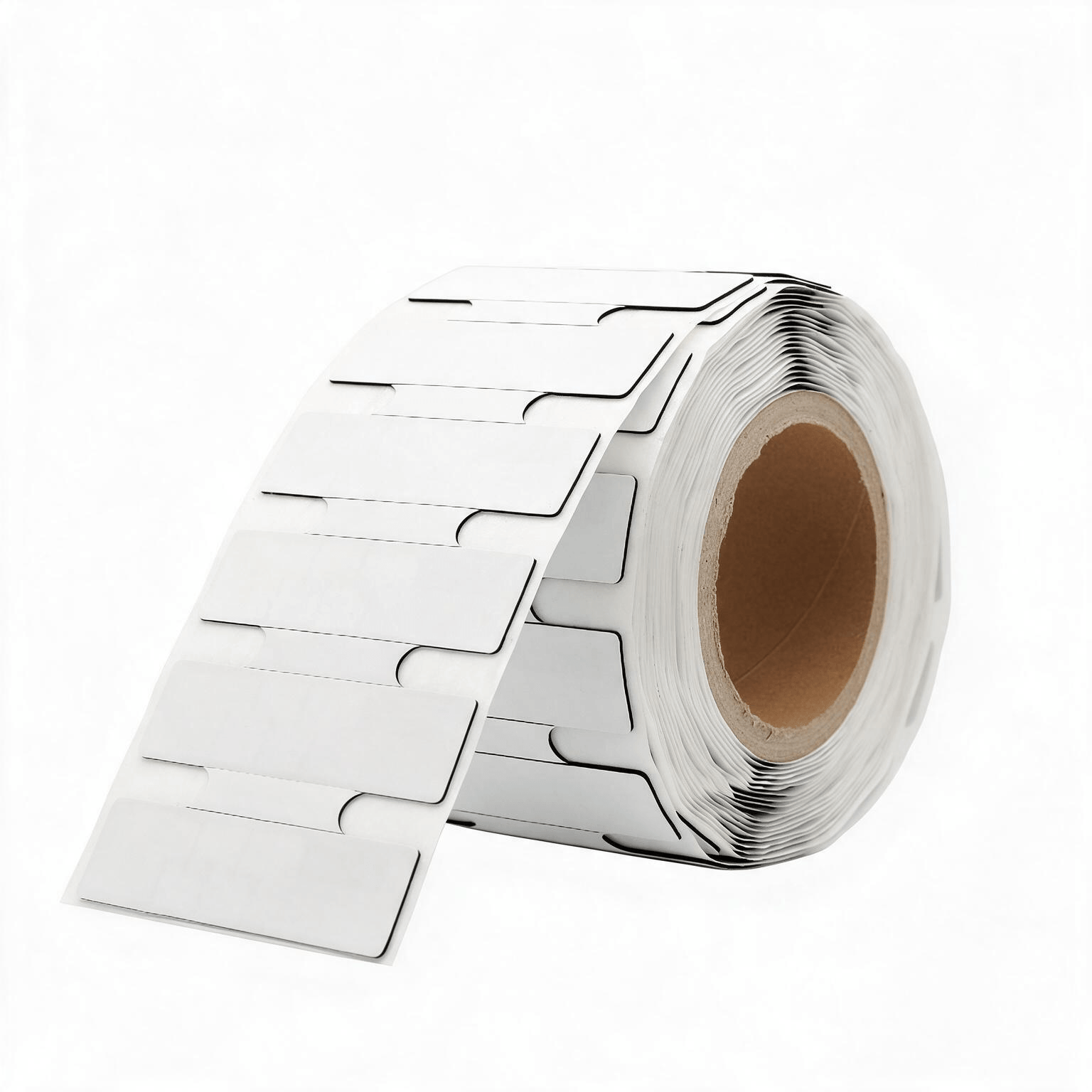 Flexible on-metal labels · Store catalog
MR6 Flexible On-metal Label
Chip: MR6 / Construction: Flexible, printable on-metal label
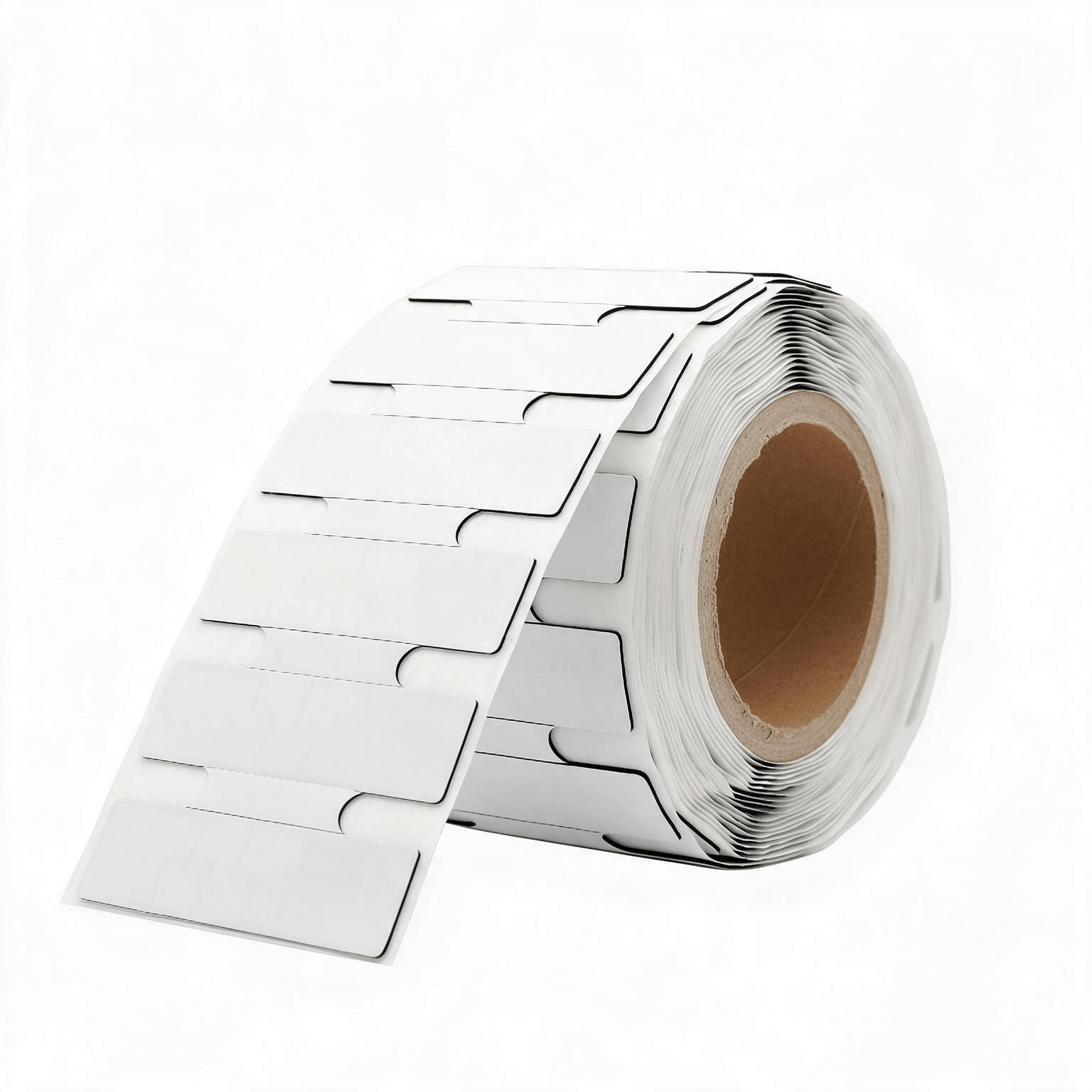 Flexible on-metal labels · Store catalog
Multi-size Printable UHF On-metal Label
Chip designations: Both the listing title and cover name MR6. The title also lists U9, while the cover lists U8. Confirm the second chip before ordering. / Construction: Flexible on-metal label
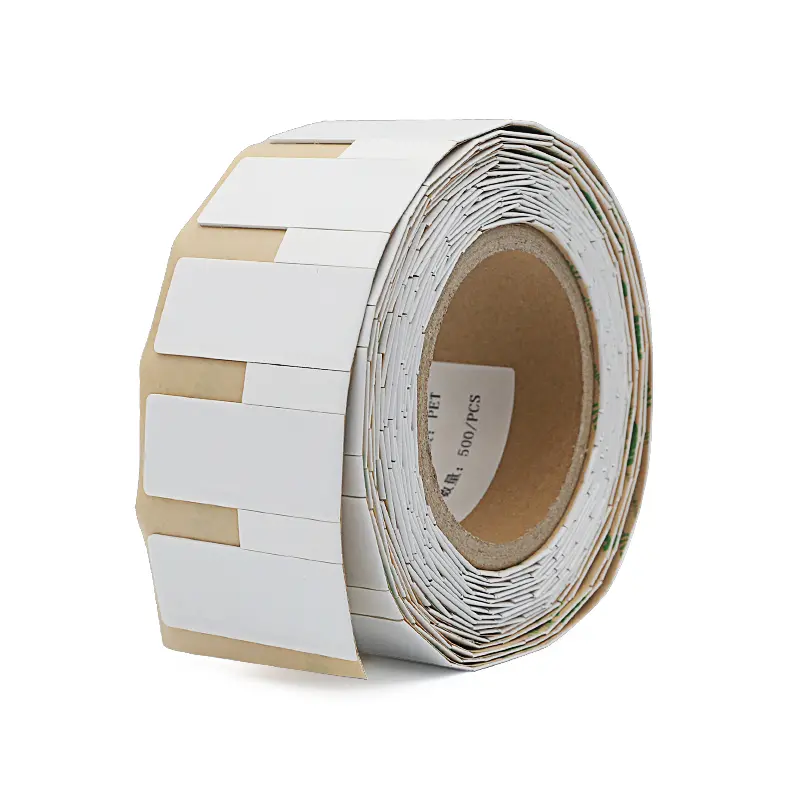 Flexible on-metal labels · Store catalog
Printable Flexible On-Metal Equipment Label
Construction: Printable flexible on-metal label / Frequency: Title names both HF and UHF; specify your reader band when ordering
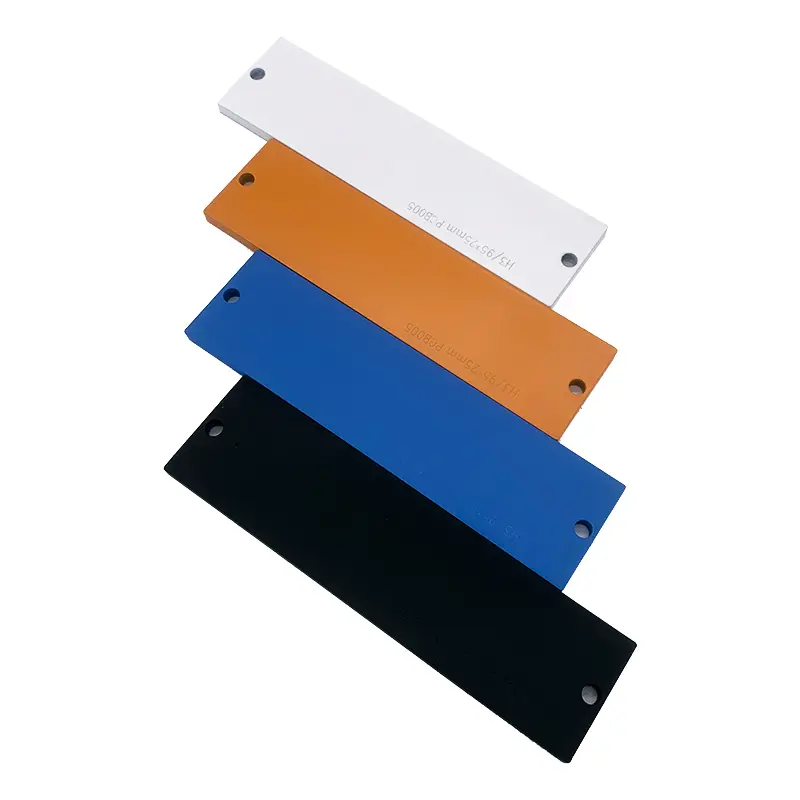 PCB on-metal tags · Store catalog
UHF PCB Power-Grid On-Metal Asset Tag
Construction: High-temperature PCB on-metal tag / Technology: UHF RFID
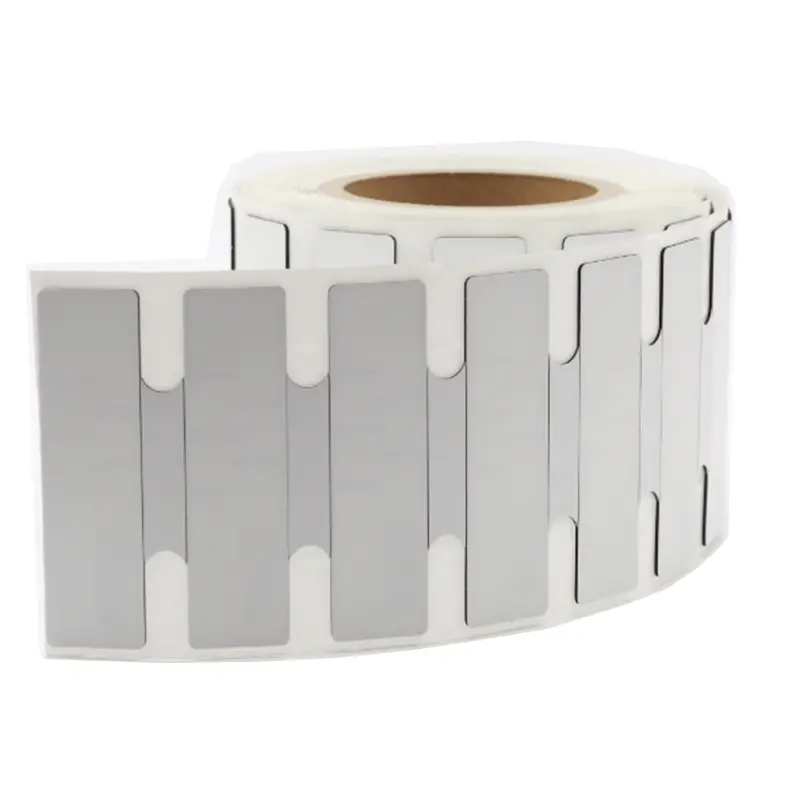 Flexible on-metal labels · Manufacturer reference
100 × 25 mm MR6 On-Metal Label
Chip: MR6 (Customized) ISO/IEC 18000-6C / Size: 100*25mm (Customized)
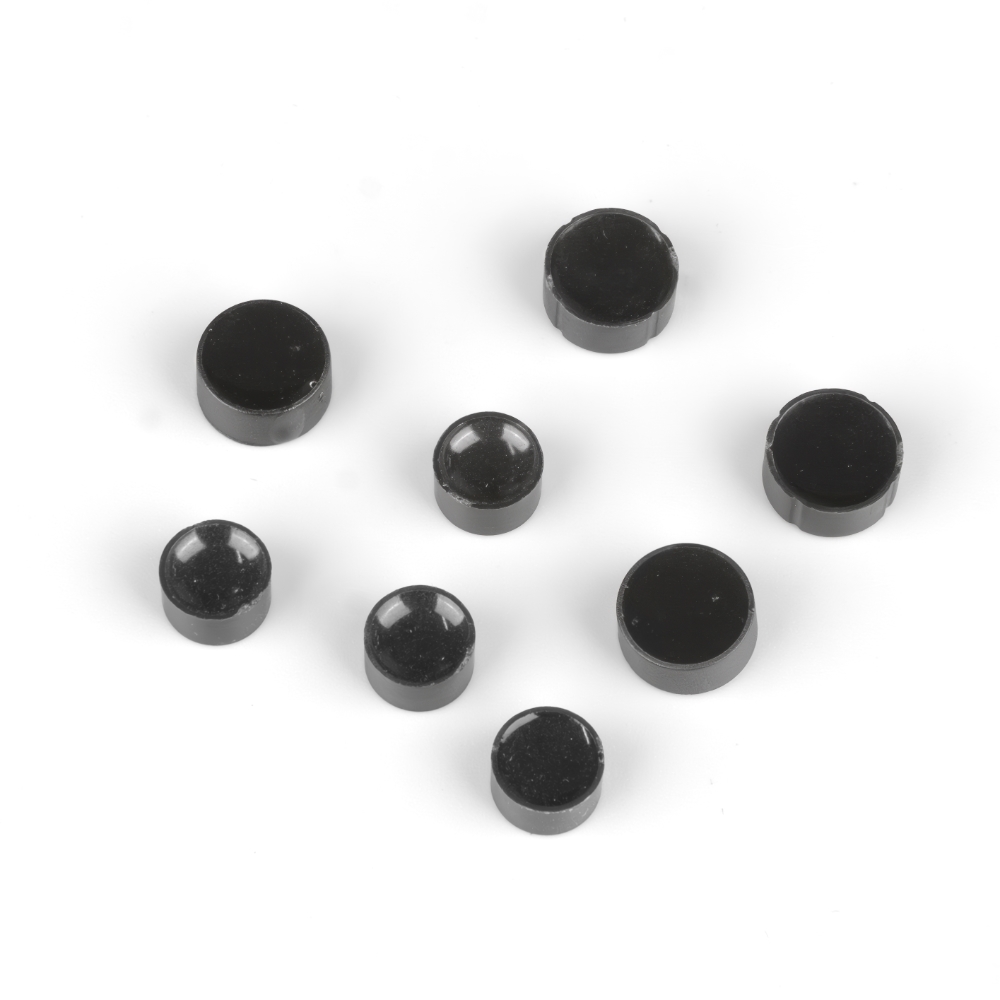 Miniature PCB tags · Manufacturer reference
5 mm PCB Miniature RFID Tag
Dimensions: diameter 5 × 3 mm / Housing material: PCB
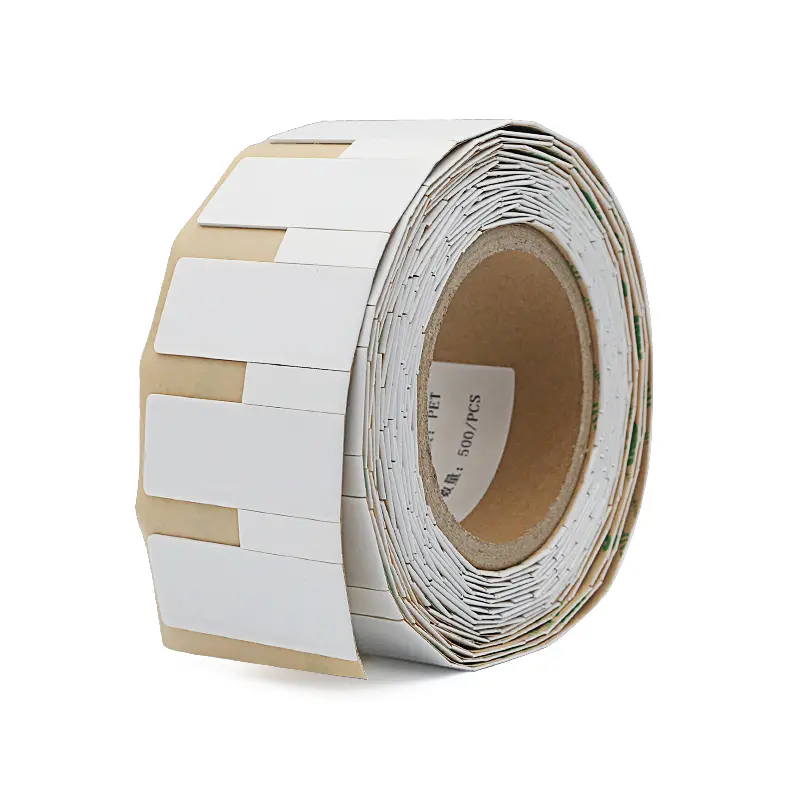 Flexible on-metal labels · Manufacturer reference
50 × 25 mm Flexible UHF On-Metal Label
Chip: MR6 / Size: 50*25mm
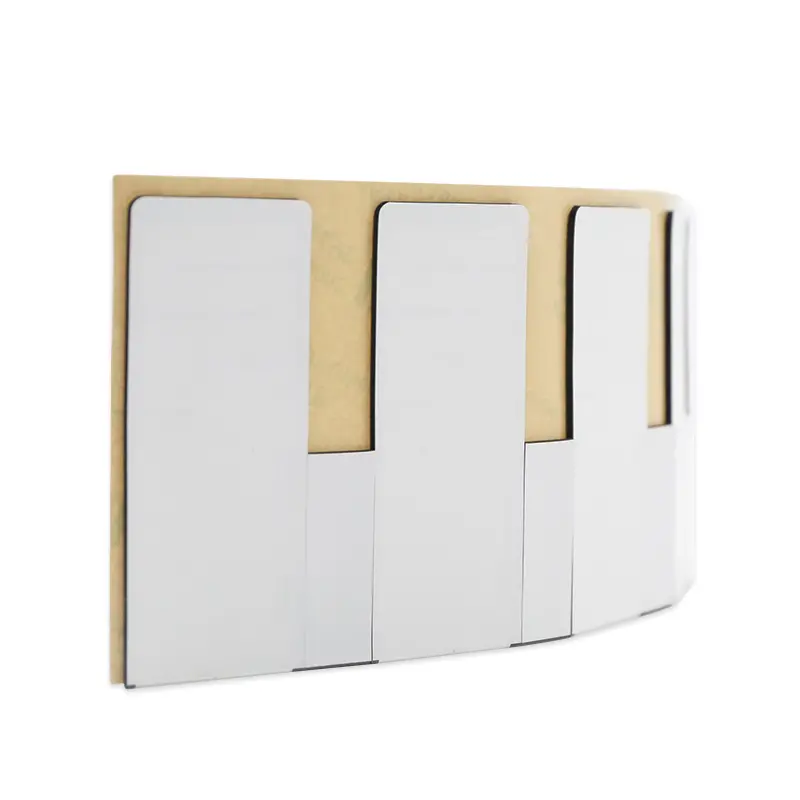 Flexible on-metal labels · Manufacturer reference
60 × 25 mm Flexible UHF On-Metal Label
Chip: MR6 / Size: 60*25mm
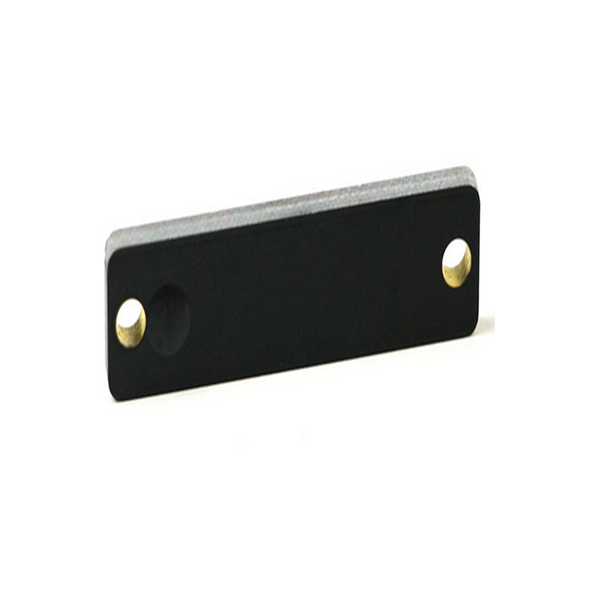 PCB on-metal tags · Manufacturer reference
80 × 20 mm PCB On-Metal RFID Tag
Dimensions: 80 × 20 × 3.4 mm / Operating frequency: 860–960 MHz (UHF)
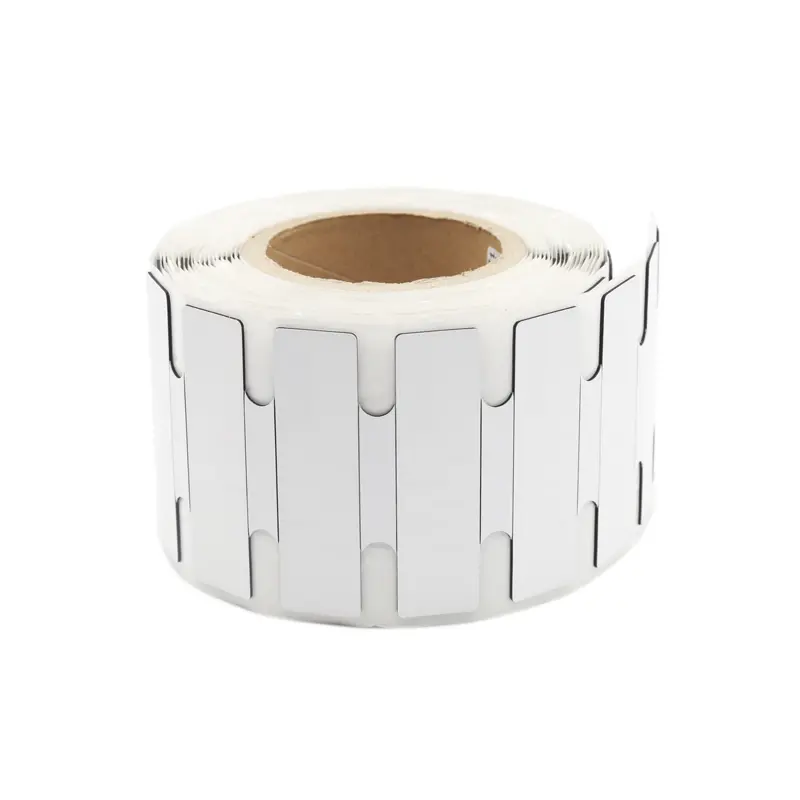 Flexible on-metal labels · Manufacturer reference
90 × 25 mm Printable UHF On-Metal Label
Material: PP Synthetic Paper + EVA Foam / Size: 90*25mm
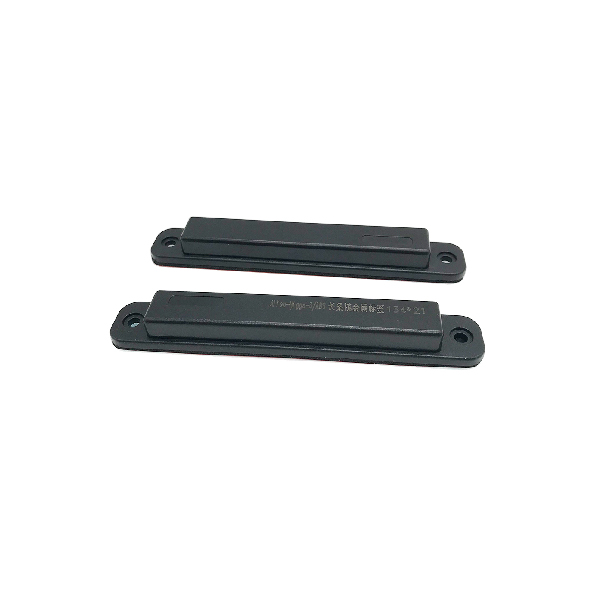 ABS on-metal tags · Manufacturer reference
ABS On-Metal RFID Tag
Dimensions: 134 × 21 × 11.5 mm / Housing material: ABS
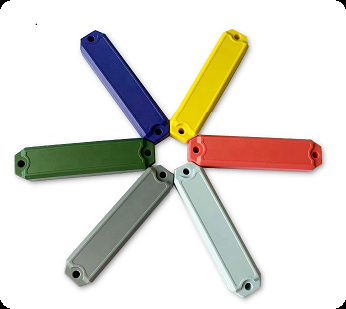 ABS on-metal tags · Manufacturer reference
ABS On-Metal RFID Tag
Size options: 70 × 21 mm / 107 × 24 mm / 118 × 29 mm / Housing material: ABS engineering plastic
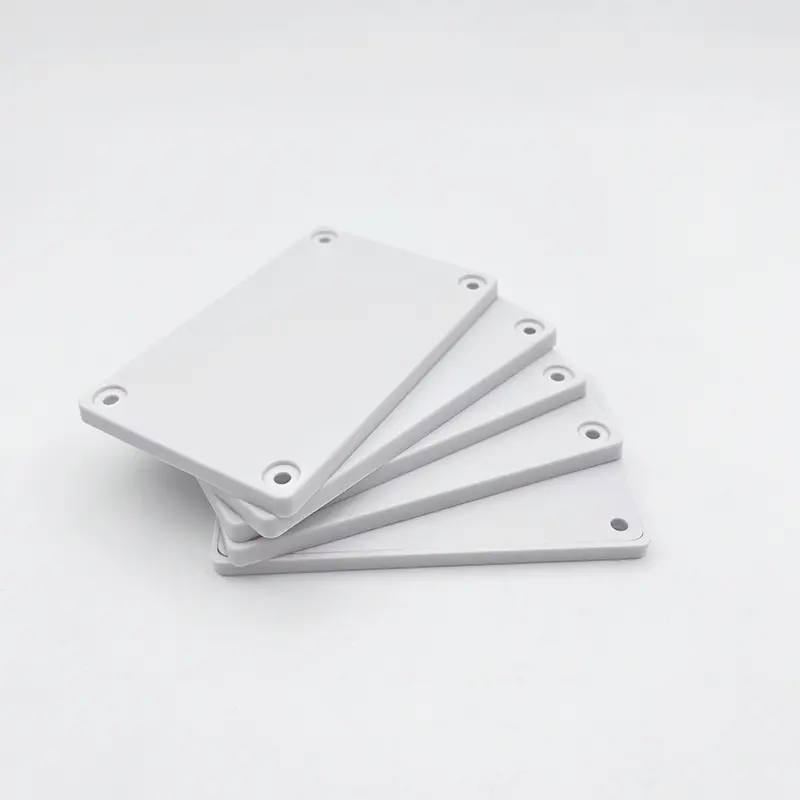 ABS on-metal tags · Manufacturer reference
ABS On-Metal UHF Tag
Chip: MR6 / Size: 86*54mm
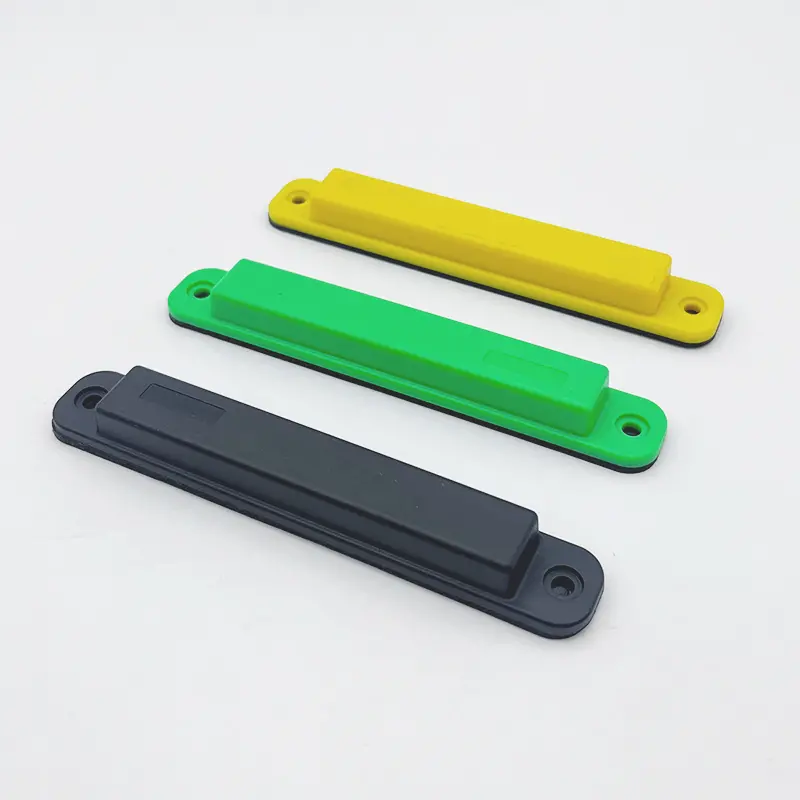 ABS on-metal tags · Manufacturer reference
ABS UHF On-Metal Industrial Tag
Chip: MR6 / Material: ABS
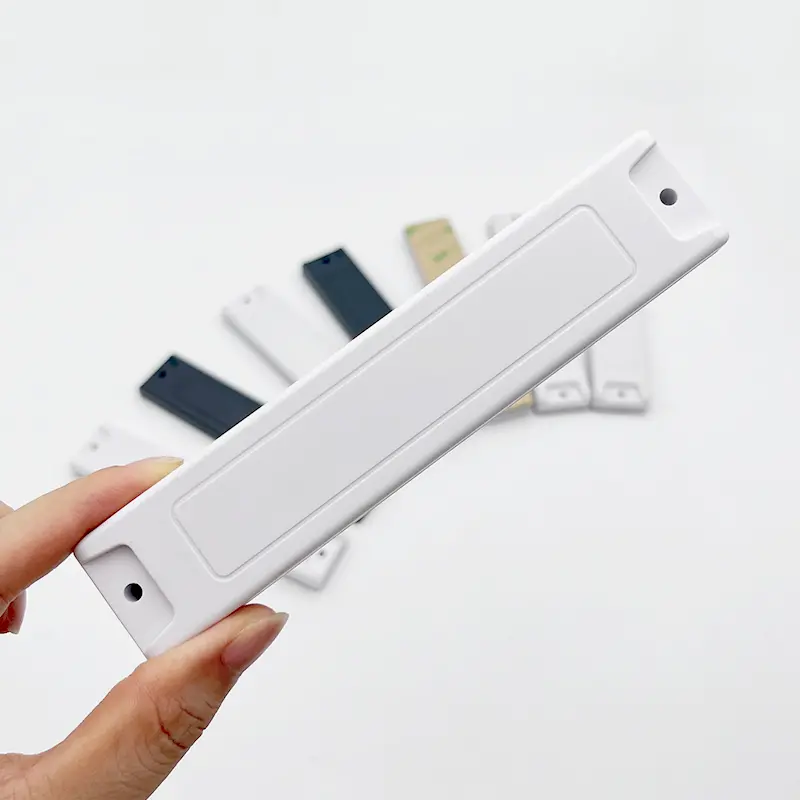 ABS on-metal tags · Manufacturer reference
ABS UHF On-Metal IT Asset Tag
Material: ABS / Chip: U9
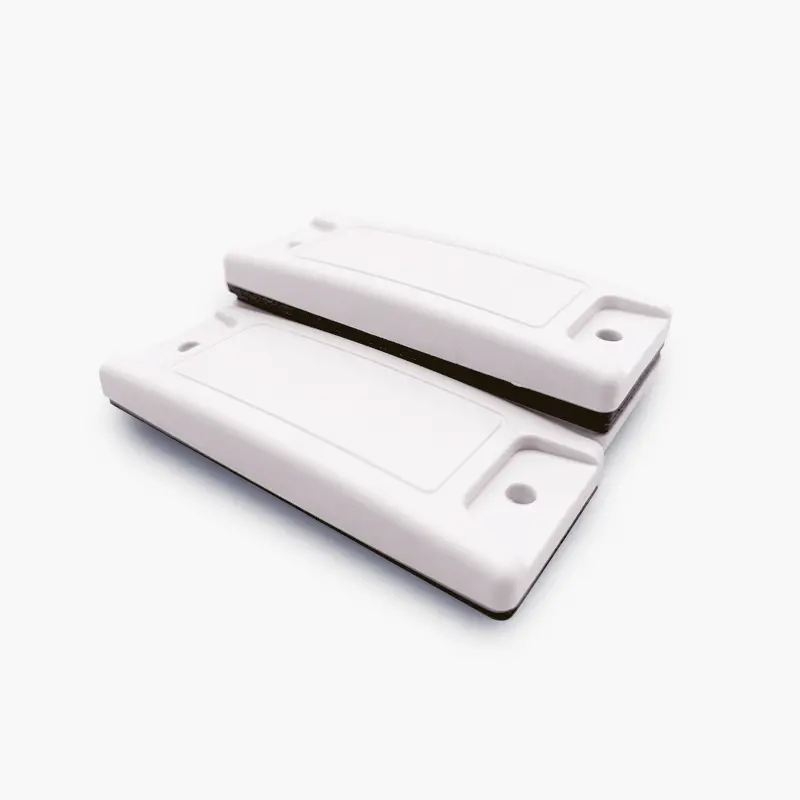 ABS on-metal tags · Manufacturer reference
Adhesive ABS On-Metal Asset Tag
Chip options: U8, U9, H9, NTAG 213,1CODE SLI-X / Material: ABS
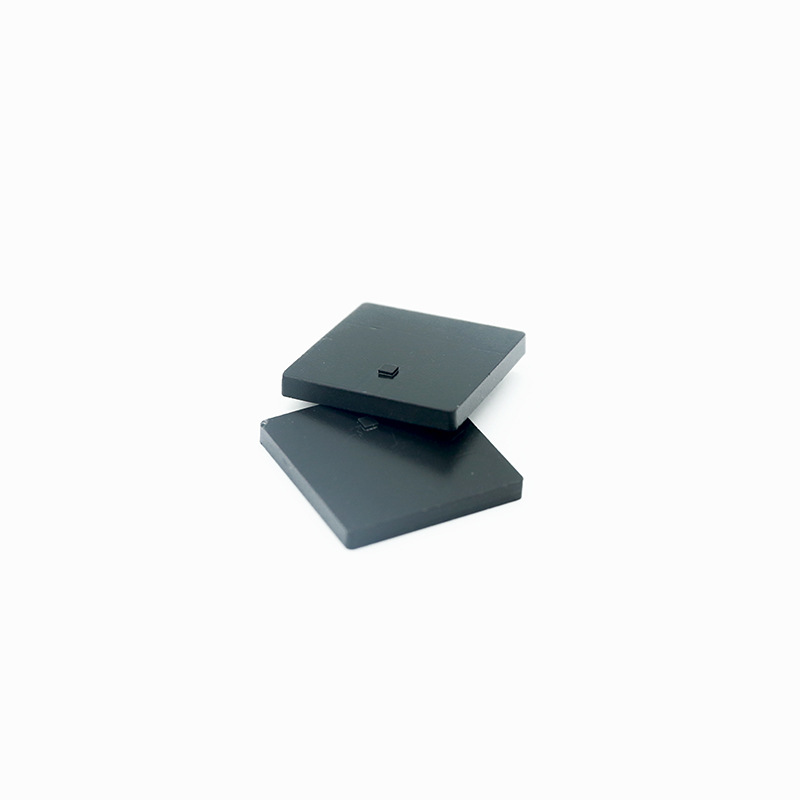 Ceramic on-metal tags · Manufacturer reference
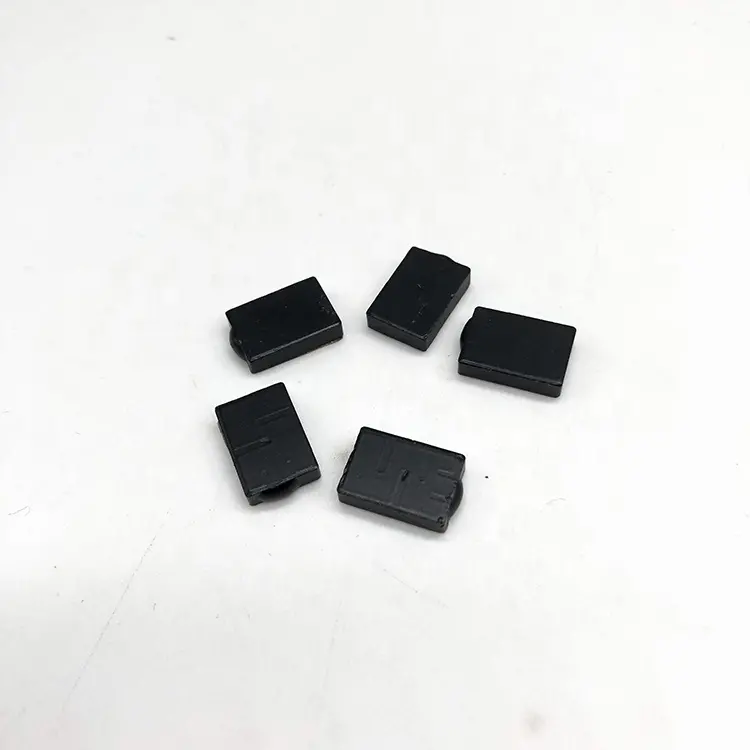
Ceramic On-Metal RFID Tag
Dimensions: 23 × 9 × 3 mm / Housing material: ceramic
 Ceramic on-metal tags · Manufacturer reference
Ceramic On-Metal RFID Tag
Chip: H3 (Customized) / Size: 13*9mm (Customized)
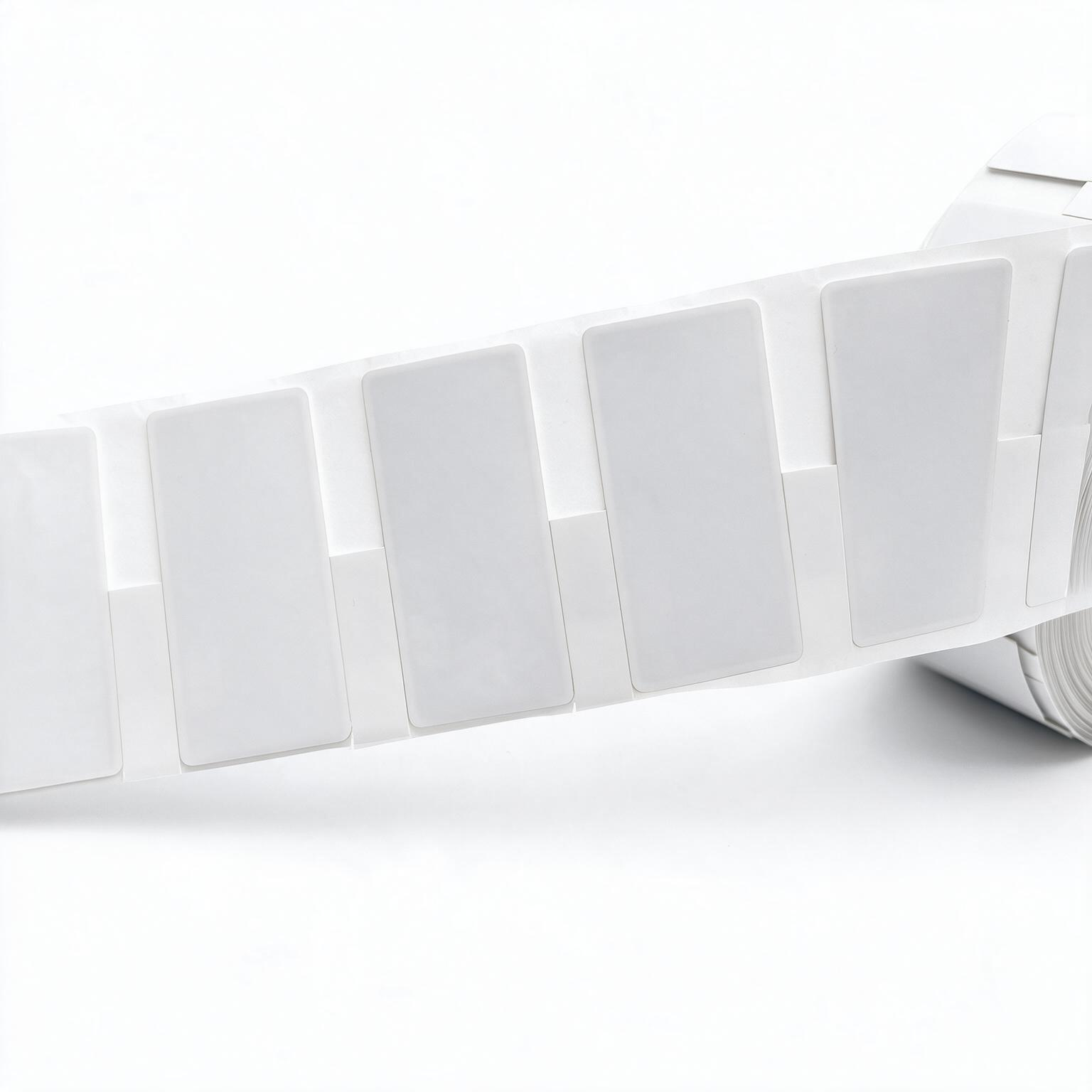 Flexible on-metal labels · Manufacturer reference
Flexible On-Metal RFID Label
Dimensions: 70 × 30 mm / Operating frequency: 860–960 MHz (UHF)
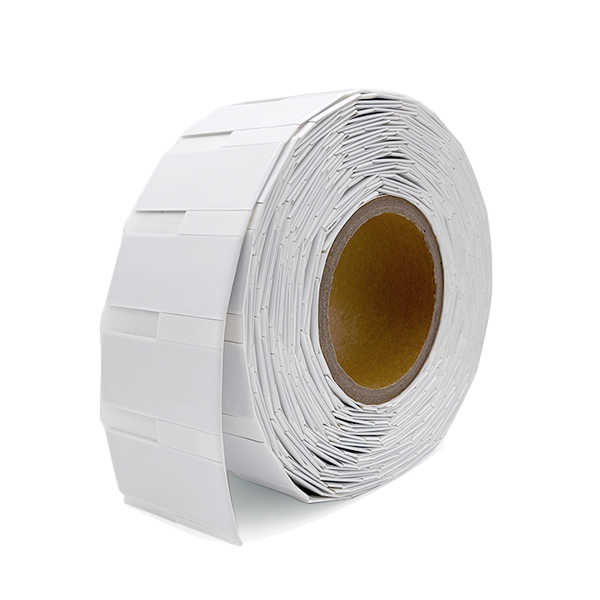 Flexible on-metal labels · Manufacturer reference
Flexible On-Metal RFID Label
Material: coated paper + foam / Size options: 100 × 25 / 90 × 25 / 70 × 30 / 60 × 25 / 50 × 25 / 40 × 20 mm
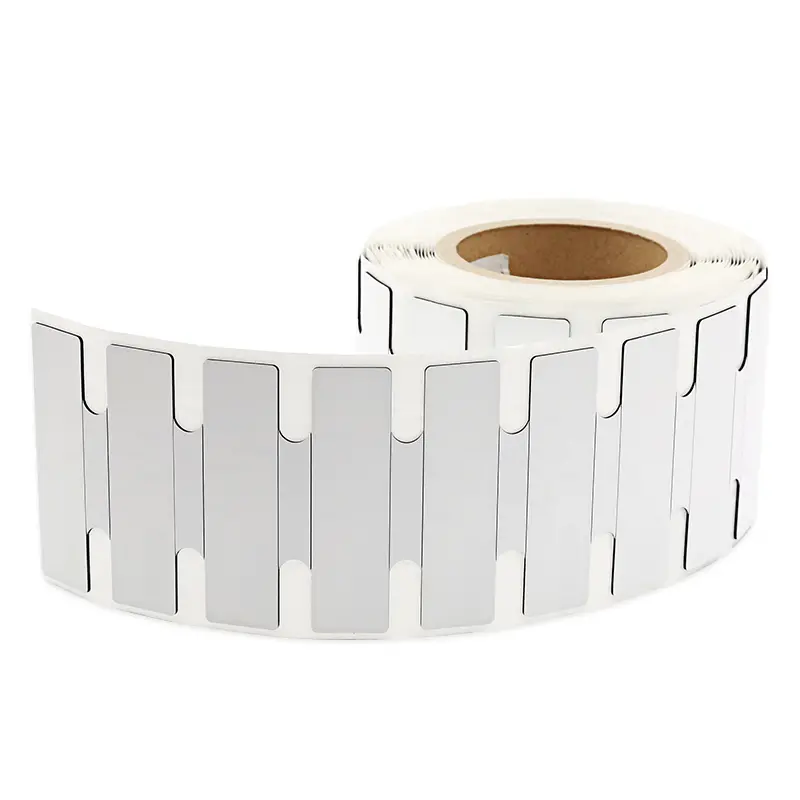 Flexible on-metal labels · Manufacturer reference
Flexible UHF On-Metal Asset Label
Chip: MR6 (Customized) ISO/IEC 18000-6C / Material: Coated Paper + EVA Foam
Consulta técnica directa
Solicitar muestras comparativas — PCB vs. Cerámica vs. Flexible Antimetal
Envíe este breve formulario directamente desde esta página, sin cambiar de pantalla.
Preguntas frecuentes de selección
¿Qué tag antimetal pasa por una impresora térmica RFID de escritorio?
Únicamente las etiquetas en bobina flexibles de ferrita o espuma concebidas para impresoras RFID; ajuste el sensor de grosor antes de imprimir tiradas.
¿Un tag cerámico miniatura lee igual de lejos que un PCB grande?
Por lo general no: el área física de antena marca la distancia máxima, por lo que los microtags cerámicos priorizan tamaño reducido frente al alcance pico.
¿Los tags rígidos PCB y cerámicos exigen elegir entre FCC y ETSI?
Sí. Muchas antenas rígidas de banda estrecha se sintonizan específicamente para ETSI (865–868 MHz) o FCC (902–928 MHz); indique su región al pedir muestras.