
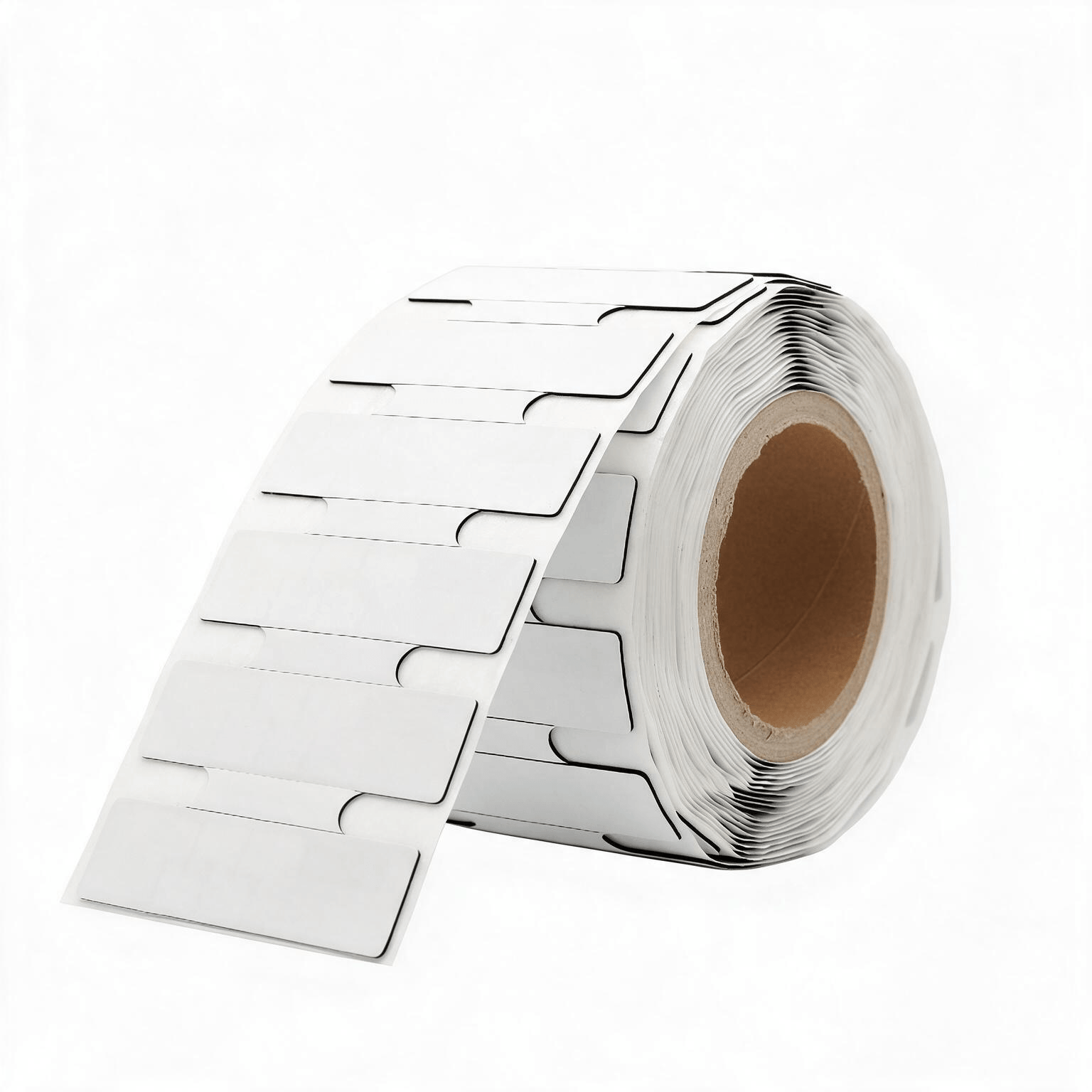
04 / Built around the surface
On-metal Tags
Evaluate purpose-designed RFID constructions for metal equipment, tools and returnable assets.
UHF / NFC · by designConfirm chip, dimensions and sample availability in your inquiry.
EXPLORE THE COLLECTION
On-metal Tags
11 products
Store catalog
NFC213 On-metal Tap-to-Play Label
NFC213 white wet label for tap-to-play music on metal surfaces
- Mounting surface
- Metal
- Construction
- White wet label
Matched manufacturer photo
MR6 Flexible On-metal Label
MR6 printable flexible UHF RFID label for metal surfaces
View product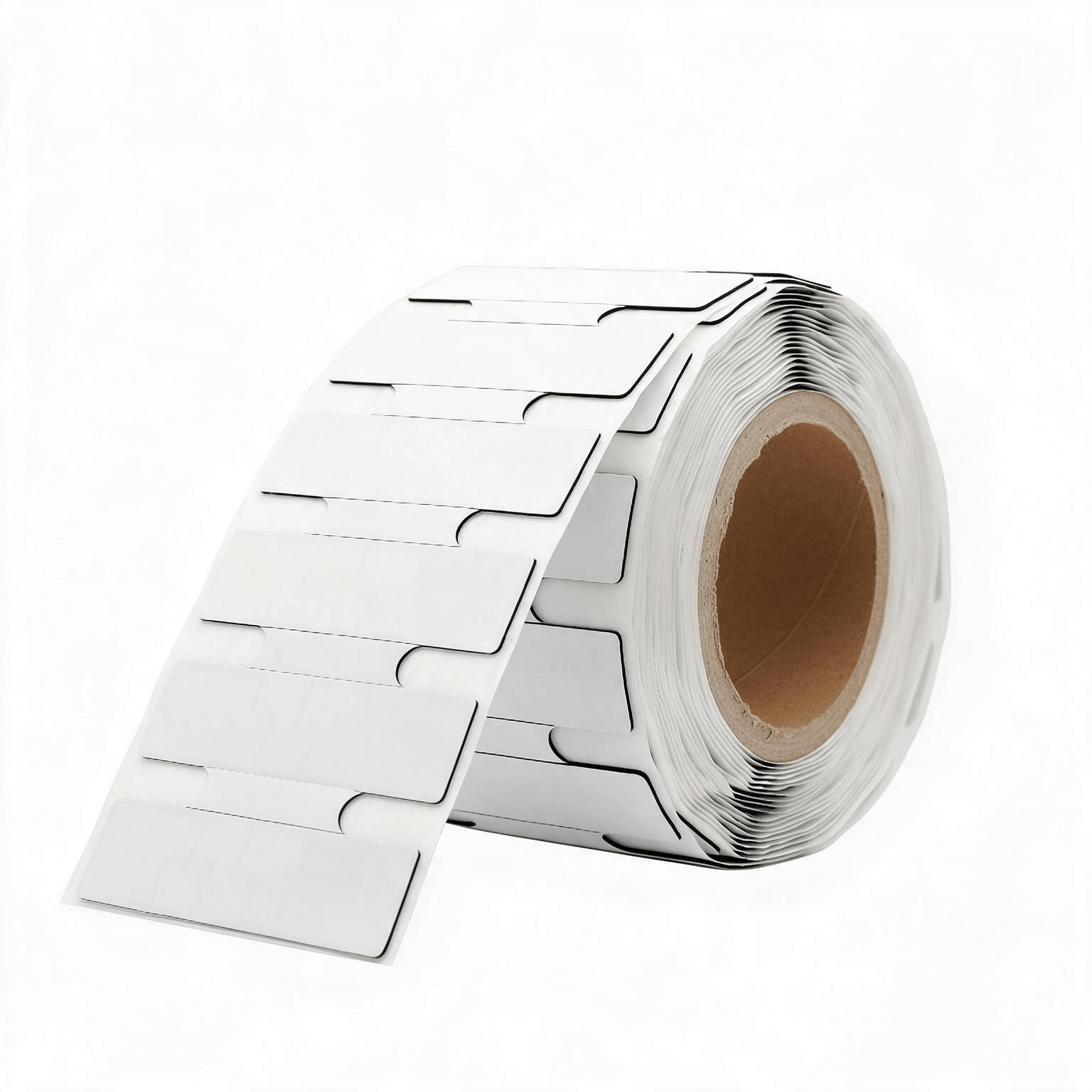
Matched manufacturer photo
Multi-size Printable UHF On-metal Label
Flexible printable UHF RFID label for metal surfaces in multiple sizes
View productStore catalog
Ceramic UHF On-metal Tag
Ceramic on-metal UHF RFID tag for high-temperature industrial identification
- Material
- Ceramic
- Mounting surface
- Metal
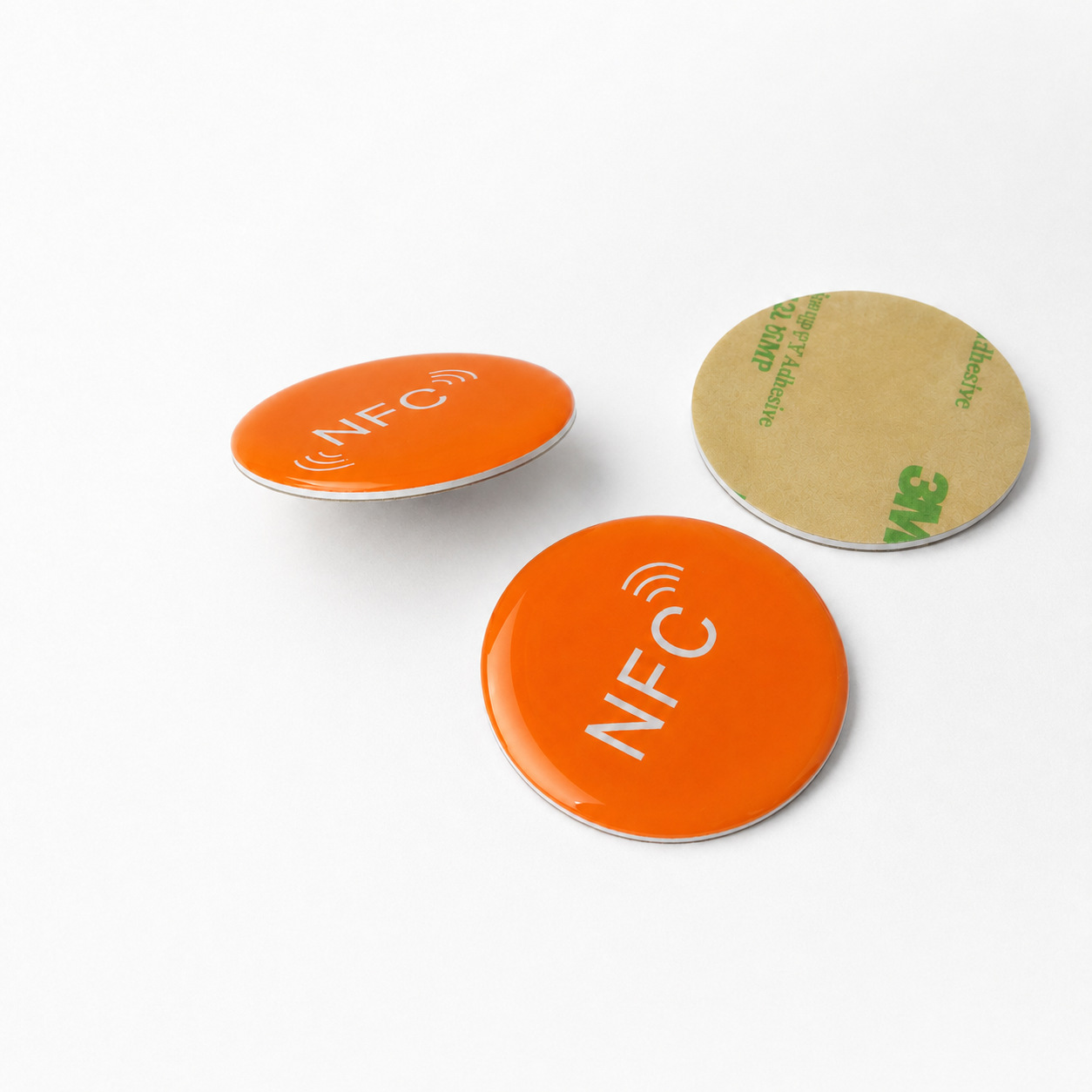
Matched manufacturer photo
25 mm On-metal Epoxy NFC Tag
25 mm round high-frequency NFC epoxy tag for metal surfaces
View productStore catalog
Passive UHF PCB On-metal Asset Tag
Passive UHF RFID PCB tag for asset tracking on metal in high-temperature settings
- Construction
- On-metal PCB tag
- Power
- Passive
Store catalog
MR6 Coated-paper On-metal Label
MR6 flexible UHF on-metal label with printable coated paper for equipment counts
- Chip
- MR6
- Print surface
- Coated paper
Store catalog
H3 PCB UHF On-metal Tag
H3 UHF RFID PCB tag for high-temperature identification on metal
- Chip
- H3
- Construction
- PCB tag for mounting on metal
Store catalog
UHF PCB Metal Asset Tag
UHF RFID PCB tag for identifying metal assets in high-temperature settings
- Construction
- On-metal PCB tag
- Application
- Asset management
Store catalog
I-CODE-X2 38 mm On-metal Label
38 mm I-CODE-X2 high-frequency on-metal RFID label with adhesive backing
- Diameter
- 38 mm
- Mounting
- Adhesive-backed on-metal label
Store catalog
F08 On-metal Asset Label
F08 on-metal RFID label for industrial equipment and asset management
- Chip
- F08
- Mounting surface
- Metal
SELECT WITH CONFIDENCE
Start with your application.
Metal changes the conditions around an RFID antenna. A general-purpose label should not be assumed to perform when placed directly on a metal asset.
On-metal selection begins with the asset: its material, curvature, mounting area and handling conditions. The right choice for a flat cabinet may not suit a narrow tool or a curved container.
Treat attachment as part of the design. Share restrictions on adhesive, screws, recesses and tag height, then test the proposed assembly in its working environment.
Read the quotation checklistWhat to specify
| Technology | Select UHF or NFC to match the reader and workflow |
|---|---|
| Mounting surface | Metal type, curvature and available footprint |
| Attachment | Specify permitted adhesive or mechanical mounting |
| Physical envelope | Maximum length, width and protrusion |
| Environment | Temperature, moisture, abrasion and cleaning exposure |
| Acceptance | Read test on the final asset in representative orientations |
IN CONTEXT
Where it can fit.
GOOD QUESTIONS
Before you choose.
Can I put an ordinary RFID sticker on metal?
Do not rely on it without testing. Metal affects antenna behavior. Use a construction designed for that mounting environment and validate it on the actual asset.
Is an on-metal tag always rugged or waterproof?
No. RF compatibility with metal and resistance to moisture, heat or impact are separate requirements. Ask for evidence for each environmental condition that matters.
Is a test on a metal sheet enough?
It is a useful starting point, but the final asset may have different geometry and surroundings. Approve the complete mounted assembly under the intended operating conditions.
Bring your project into focus.
Share the application, quantity and the details you already know. Start with the requirement, even if the specification is still open.
Build your inquiry